Tennessee Quail Season Status
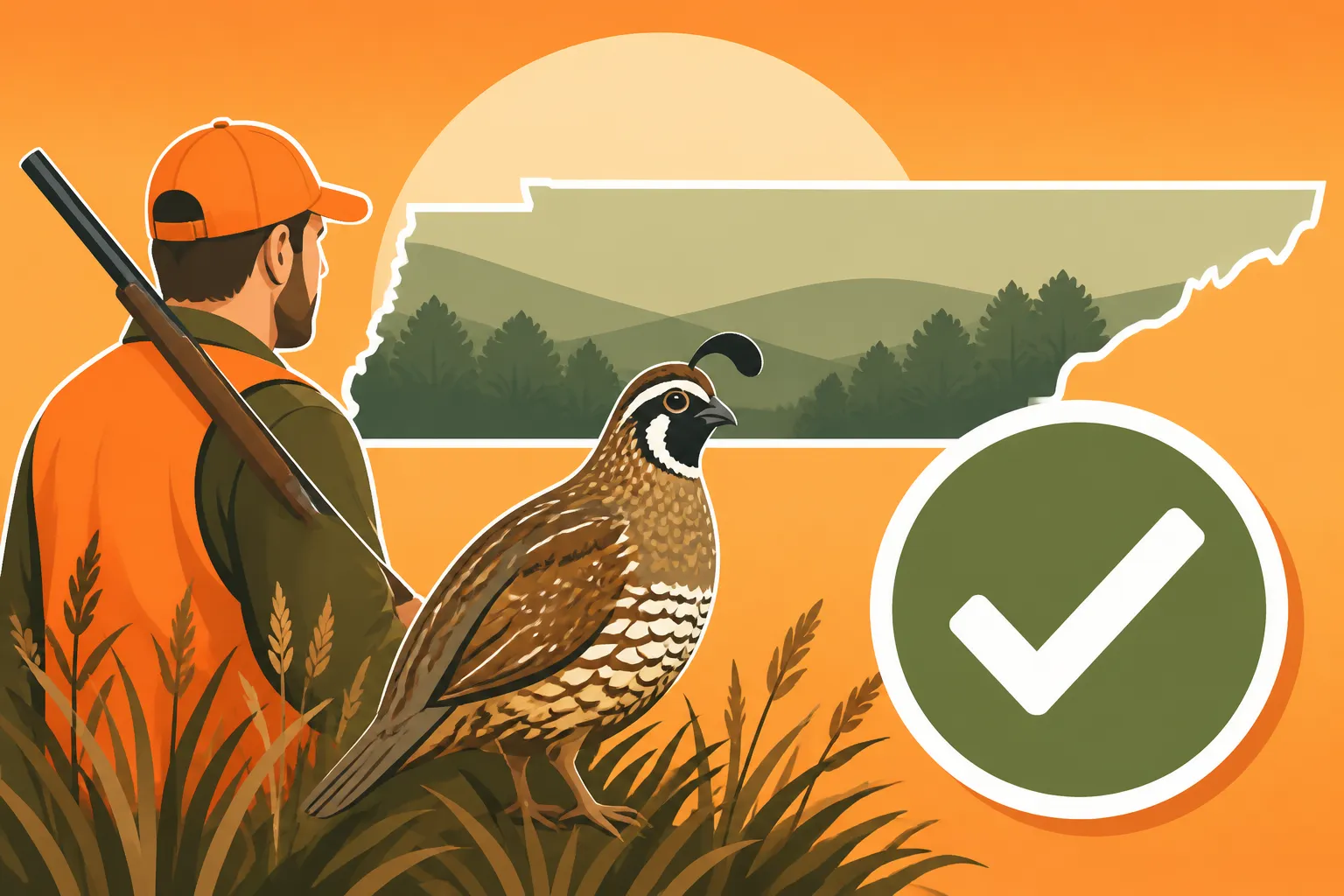
It's a tough pill to swallow for many of us who remember a time when the whir of a covey of quail exploding from underfoot was a common sound in the Tennessee autumn woods. For those looking to rekindle that magic or experience it for the first time, understanding the current reality of Tennessee's quail season is crucial, and it’s a story tinged with both nostalgia and the hard facts of changing landscapes. This guide will walk you through the current status of quail hunting seasons, regulations, and the broader context of why these birds have become such a rare and treasured pursuit across the state.
The Current State of Tennessee Quail Hunting Seasons
For hunters today, the Tennessee quail season is a far cry from the glory days our grandparents talked about. The reality is that wild quail populations are significantly reduced, and consequently, the hunting opportunities are limited. While a season does still exist, it's often short, with conservative bag limits, reflecting the ongoing struggle to restore these iconic game birds. You won't find bustling crowds of quail hunters like you might for deer or turkey; instead, it's a more solitary and challenging endeavor, often requiring extensive scouting and even more patience.
General Statewide Season Dates and Limits
The Tennessee Wildlife Resources Agency (TWRA) still provides a statewide season for Northern Bobwhite Quail. For the 2023-2024 season, for example, the statewide quail season typically runs from the second Saturday in November through January 15th. The daily bag limit is usually six birds, with a possession limit of twelve. Now, these dates and limits are subject to change year to year, so it's absolutely vital to check the latest TWRA hunting guide before you even think about lacing up your boots. I've heard too many stories of hunters getting caught unaware by a rule change, and that's a headache nobody needs.
What these numbers don't tell you, though, is the sheer difficulty of filling that bag limit. Unless you're on intensively managed private land specifically for quail, encountering a covey large enough to get multiple birds is often an exceptional event. Most public land hunters might be lucky to find one or two coveys in an entire season of dedicated effort. This isn't a knock on the TWRA's efforts; it's just the unfortunate truth of the wild quail situation.
Understanding WMA-Specific Regulations
Beyond the general statewide rules, many Wildlife Management Areas (WMAs) in Tennessee have specific, often more restrictive, regulations for quail hunting. Some WMAs might have later opening dates, shorter seasons, or even further reduced bag limits. A few might offer put-and-take opportunities with pen-raised birds to simulate a more traditional quail hunt, but these are often limited and require special permits.
Before you plan a trip to a WMA, you absolutely need to consult the specific WMA regulations in the TWRA hunting guide or on their website. It’s not enough to know the statewide dates; you need to know if the WMA you're targeting allows quail hunting at all, and what its specific rules are. Sometimes, there might be certain units within a WMA that are open, while others are closed. This can be frustrating, but it's part of managing a fragile resource. You might find that some WMAs are managing for other species, such as deer, and don't have the ideal habitat for quail. For more on navigating public lands, check out our guide on Tennessee Wildlife Management Areas.
Here’s a quick overview of what you might typically find for statewide quail seasons in Tennessee, but always confirm with current TWRA regulations:
| Category | Statewide Regulation (Typical) | Notes |
|---|---|---|
| Season Open | Second Saturday in November | Exact date varies by year, always confirm. |
| Season Close | January 15th | Ends mid-January, often earlier than other small game seasons. |
| Daily Bag Limit | 6 Quail | This is a target, but often very difficult to achieve. |
| Possession Limit | 12 Quail | Applies to birds stored at home or in transport. |
| WMA Rules | Varies significantly by WMA | Always check specific WMA rules; often more restrictive. |
| Hunting Hours | Daylight hours (often 30 min before sunrise to 30 min after sunset) | Standard for small game, but confirm for specific WMAs. |
Why Quail Hunting is a Shadow of its Former Self in Tennessee
It's hard to talk about Tennessee's quail season status without addressing the elephant in the room: the dramatic decline of wild bobwhite quail populations. If you chat with any seasoned Tennessee hunter over a certain age, they'll tell you stories of fields absolutely crawling with birds, of coveys numbering in the dozens. Those days, sadly, are largely gone. The decline isn't unique to Tennessee; it's a phenomenon seen across much of the bobwhite's range in the Southeast. Understanding the "why" behind this decline is critical, not just for hunters, but for anyone who cares about wildlife conservation. It's a complex issue with no single culprit, but rather a combination of powerful environmental and human-driven changes. We even have a dedicated article diving deeper into Tennessee Quail Decline Since the 1960s.
Habitat Loss and Agricultural Shifts
The primary driver of the quail's disappearance is unequivocally habitat loss. Bobwhite quail thrive in what's known as "early successional habitat"—think weedy fields, overgrown fencerows, shrubby cover, and mixed woodlands with open understories. This kind of habitat provided both food (seeds, insects) and crucial escape cover from predators.
- Changing Agriculture: Post-World War II agriculture became increasingly mechanized and efficient. Small, diverse farms with hedgerows, odd corners of brush, and fallow fields were replaced by vast monocultures of row crops like corn and soybeans. These large fields are clean-farmed, meaning fewer weeds, less cover, and extensive use of pesticides that reduce insect populations—a vital food source for quail chicks. The traditional "edge habitat" that quail depend on, where field meets forest, became less diverse and productive. Many of these vast fields also make it harder for quail to escape predators because there’s simply nowhere to hide.
- Urban Sprawl and Development: As Tennessee's population has grown, so has urban and suburban development. What were once prime quail fields and woodlots are now housing developments, shopping centers, or industrial parks. This isn't just a loss of hunting ground, but a permanent loss of habitat for the birds themselves.
- Forest Maturation: In areas not converted to agriculture or development, many forests have matured. While mature timber is excellent for species like deer and turkey, it lacks the brushy understory and open ground that quail need. Fire suppression, historically, has also contributed to this, preventing the natural regeneration of early successional plants that quail rely on.
These shifts have created a landscape that is simply less hospitable to quail. It's a stark reminder that what happens outside the hunting season directly impacts what, or if, we can hunt.
Predation and Environmental Factors
While habitat loss is the biggest piece of the puzzle, other factors certainly play a role in the low quail numbers we see today. It’s easy to point fingers, but the reality is often more nuanced than a single cause.
- Increased Predator Populations: With changes in habitat and the decline of furbearer trapping, some predator populations have increased. Raccoons, opossums, skunks, foxes, and various raptors are all natural predators of quail and their nests. In a healthy quail population with abundant cover, predation is part of the natural balance. However, in fragmented and degraded habitat, quail are more vulnerable, and predation can have a disproportionately higher impact on already struggling populations.
- Weather Extremes: Quail are sensitive to weather. Severe winters can reduce populations, especially if food and cover are scarce. More frequent extreme droughts or heavy, cold spring rains during nesting season can decimate poult (chick) survival. These events, combined with weakened populations, make recovery even harder.
- Disease: While not as well-documented as in other species, diseases can also impact quail populations, though this is usually secondary to habitat and predation concerns.
It's a compounding effect. Less habitat means fewer places to hide from predators, fewer places to find food, and fewer places to successfully raise a brood. Then, when a severe weather event hits, the population has less resilience to bounce back.
Finding Opportunity: Where to Even Look for Quail Now
Given the challenging outlook, finding wild quail in Tennessee today is a testament to perseverance and a deep understanding of habitat. You can't just wander into any old field and expect to flush a covey like in years past. Modern quail hunting demands strategic scouting and often a willingness to work areas that might look unconventional at first glance. It’s about seeking out those small pockets of suitable habitat that still exist and, in many cases, hoping for a bit of luck.
Focus Areas and Habitat Types
So, where do you go if you're determined to find some wild quail? Forget the sprawling monoculture crop fields. You're looking for diversity, edges, and early successional cover.
- Edge Habitat: This is key. Look for areas where different cover types meet: a brushy fencerow alongside a fallow field, the transition zone between a young timber stand and an old field, or the edges of dense cover near a food source. These "transition zones" provide the blend of protection and feeding opportunities that quail require. Think about small drainages or creeks that have grown up in briars, sumac, and young cedars.
- Pine Plantations (Young): Believe it or not, actively managed pine plantations can offer excellent quail habitat in their early stages. When pines are newly planted or thinned, and prescribed burns are used, it creates an open understory with lots of herbaceous growth that quail love. As the pines mature and canopy closes, the habitat declines for quail.
- Native Grass Plantings & CRP Lands: Some private landowners and even a few WMAs have implemented programs like the Conservation Reserve Program (CRP) to plant native grasses and wildflowers. These areas, when properly managed (often with periodic burning or light disking), can create fantastic nesting and brooding cover, as well as providing abundant seeds and insects. These are goldmines if you can find them.
- Reclaimed Mine Lands: In some parts of East Tennessee, particularly around the Cumberland Plateau, reclaimed strip mine lands can surprisingly offer good quail habitat. The disturbed soil often leads to early successional plant growth, and the varied topography can create isolated pockets of cover. When Scouting Tennessee Public Land Before Season, keep an eye out for these unique areas, perhaps using a mapping tool like GoHunt.
- Upland Ridges: While less common than bottomland, some upland areas, especially those with scattered pines, rocky outcrops, and thin, brushy cover, can hold quail. This is particularly true if there’s a mosaic of different habitat types. Consider how these areas might compare to where Grouse Hunting the Cumberland Plateau might occur, as both species prefer dense cover.
Finding these spots often means getting off the beaten path, walking a lot, and being persistent. Use aerial maps and topo maps to identify potential areas, and then put boots on the ground to confirm.
The Role of Conservation Efforts
The silver lining in the story of quail decline is the growing awareness and dedicated conservation efforts aimed at bringing them back. Organizations like Quail Forever, the National Wild Turkey Federation (NWTF), and the TWRA itself are working with private landowners and managing public lands to improve habitat.
- Habitat Management on WMAs: The TWRA actively works on some WMAs to improve habitat for early successional species, which directly benefits quail. This can involve prescribed burning, disking, planting native grasses, and thinning timber. These efforts are often part of broader Tennessee Small Game Season Rules management plans.
- Private Landowner Initiatives: A significant portion of Tennessee's land is privately owned. Educating landowners about the benefits of quail-friendly practices – like leaving field borders unmowed, planting native warm-season grasses, and managing timber for diversity – is crucial. Programs that offer cost-sharing or technical assistance can make a huge difference. If you have Hunting Small Private Tracts in Tennessee or looking to lease land, inquire about current or past habitat management.
- Advocacy and Funding: Organizations like Quail Forever advocate for policies and secure funding for habitat projects. Their efforts are vital in continuing to push for conservation on a larger scale. Supporting these groups, whether through membership or volunteering, can help ensure a future for quail hunting. It’s a marathon, not a sprint, but every bit of restored habitat helps.
Gear and Tactics for Modern Tennessee Quail Hunters
So, you've done your homework, scouted diligently, and perhaps even found a promising patch of cover. Now what? Hunting wild quail in Tennessee today requires a specific mindset and approach. It's not about volume; it's about the quality of the experience and the satisfaction of finding one of nature's most elusive little game birds. Your gear should reflect this patient, thorough approach, and your tactics should be finely tuned to maximize any precious opportunity.
Essential Gear and Dog Work
Success in quail hunting, especially in challenging environments like Tennessee, often hinges on having the right tools and, crucially, the right canine companion.
- Shotgun and Ammunition: A lightweight, fast-handling shotgun is ideal. Most quail hunters prefer a 20-gauge or even a 28-gauge for its quick swing and reduced recoil, allowing for faster follow-up shots on a bursting covey. An improved cylinder or skeet choke is perfect for the close-range shots you'll get in thick cover. As for ammunition, light game loads with 7.5 or 8 shot are standard. Remember, you're not trying to reach out and touch anything far away; you're reacting to a sudden flush within 20-30 yards.
- Boots and Brush Pants: You'll be doing a lot of walking, often through briars, thickets, and rough terrain. Comfortable, durable, and waterproof boots are non-negotiable. Invest in good quality brush pants or chaps to protect your legs from thorns and briars, as you'll be pushing through the densest cover available.
- Bird Dog: This is where the "essential" truly comes into its own. A well-trained bird dog—a pointer, setter, or even a good flushing spaniel—is not just an asset; it's practically a necessity for finding quail in sparse cover and for retrieving downed birds. Without a dog, your chances of even locating a covey are slim, and retrieving a bird in thick briars is nearly impossible. Training a bird dog takes time and dedication, but the bond and the effectiveness it brings to a quail hunt are unparalleled. Look into reputable breeders and trainers if you're serious about the pursuit. The dog is often the true hero of the hunt.
- Navigation Tools: Given you'll be pushing into dense, sometimes remote cover, a reliable GPS unit or a mapping app like GoHunt on your phone is vital. It helps you stay oriented, mark covey finds, and navigate property lines, especially on public land. Ensure you have downloaded offline maps, as cell service can be spotty in many quail haunts. You might also find our advice on Using Go Outdoors TN Without Cell Service helpful.
Realistic Expectations and Persistence
This is perhaps the most important "tactic" for modern Tennessee quail hunting: manage your expectations. If you go out expecting to bag a limit every time, you'll likely be disappointed. Instead, view a quail hunt as an opportunity to experience nature, work your dog, and appreciate the rare beauty of these birds.
- The Reward is in the Find: For many, the true reward isn't the harvest, but the thrill of hearing the "whirrrrrr" of a covey flush, watching a dog lock up on point, or simply finding evidence of wild birds. Each covey find, even if you don't get a shot, is a small victory and a testament to the resilience of nature.
- Persistence is Key: You will walk miles for seemingly nothing. You might only get one or two covey flushes in an entire day, or even a weekend. But it's that persistence, that belief that the next patch of cover might hold birds, that drives quail hunters. Don't get discouraged easily. The harder you work, the sweeter those rare moments of success become.
- Focus on the Experience: Quail hunting is more than just shooting; it's about the sights, sounds, and smells of the field. It’s the rustle of dry leaves, the crisp autumn air, the unique call of a bobwhite, and the unparalleled joy of working a good dog. Embrace the journey, the challenge, and the connection to a rich hunting tradition, even if the bag isn't always heavy. Consider it an active form of conservation, as every step you take helps to highlight the need for more Tennessee Small Game Season Rules and habitat improvement.
Ultimately, while the Tennessee quail season status reflects a challenging reality, it's not a closed chapter. For those willing to put in the effort, understand the landscape, and cherish the experience, the ghost of the bobwhite still whispers from the dense thickets and overgrown fields of the Volunteer State.
Disclaimer
Hunting regulations, season dates, and bag limits are subject to change annually by the Tennessee Wildlife Resources Agency (TWRA). Always consult the current official TWRA hunting guide and local WMA regulations before participating in any hunting activity. This article provides general information and historical context but should not be considered a substitute for official regulatory documents. Ensure you have all required Tennessee Hunting Licenses and What They Cost and permits before heading afield.