Tennessee Smoky Mountains Bear Zone County List
Navigating the specific hunting regulations in Tennessee can often feel like deciphering an ancient scroll, especially when it comes to something as exciting and challenging as black bear hunting. It's easy to get lost in the details of different zones, their boundaries, and what those distinctions mean for your hunt. This guide is dedicated to clearing up the confusion surrounding the Tennessee Smoky Mountains Bear Zone, officially known as Zone Two, meticulously detailing which counties are included and providing crucial insights to help you plan a successful and compliant bear hunt.
Understanding Tennessee's Bear Hunting Zones
Tennessee's black bear population has seen a fantastic resurgence over the past few decades, expanding from its traditional strongholds in the eastern mountains. To manage this growing population effectively and provide diverse hunting opportunities, the Tennessee Wildlife Resources Agency (TWRA) has divided the state into distinct bear hunting zones. These zones aren't just arbitrary lines on a map; they dictate everything from season dates and bag limits to legal hunting methods, making it absolutely critical for every bear hunter to understand where they are and what rules apply.
Overview of All Three Bear Zones
Tennessee currently operates with three primary bear hunting zones, each with its own unique characteristics and regulations. It’s not a one-size-fits-all situation, and understanding the nuances of each zone is the first step toward a successful and legal hunt.
First, you have Bear Zone One, often referred to as the Northeast Bear Zone. This area typically covers counties further north in East Tennessee, like Johnson, Carter, Unicoi, and parts of Sullivan and Greene counties. It generally has some of the earliest season dates and can be a popular spot for archers and gun hunters alike. The terrain here can be rugged, transitioning from lower foothills to higher elevations, offering diverse habitats for bears.
Then there’s the South Cherokee Bear Zone, officially Zone Three. This zone is located in the southern part of the Cherokee National Forest, covering areas in Polk and Monroe counties. This zone is primarily managed for hunting with dogs, and it often has very specific season dates tied to dog hunting traditions. Understanding the specific regulations for Tennessee Bear Zone Three Rules is paramount if you plan to utilize hounds in this rugged part of the state. The dense, mountainous terrain here makes it ideal for dog hunting, where bears can be pushed from thick cover.
Finally, we arrive at Bear Zone Two, the focus of our discussion today, which is the Smoky Mountains Bear Zone. This zone is strategically placed to manage bears interacting with the Great Smoky Mountains National Park ecosystem and surrounding private lands. It’s an area where bears are quite abundant, and hunting opportunities are carefully balanced with conservation efforts and human-wildlife coexistence. For a more general overview, you can delve into Tennessee's Three Bear Hunting Zones.
Why Zones Matter for Hunters
The primary reason these zones exist and why they are so important to hunters is management. Bear populations, habitat availability, and human-wildlife conflict levels vary greatly across Tennessee. By creating distinct zones, the TWRA can tailor regulations to the specific needs of each area. For example, a zone with a rapidly expanding bear population might have more liberal season dates or bag limits, while a zone with a stable but sensitive population might have more restrictive rules.
Furthermore, these zones often reflect different hunting cultures and traditions. Some areas are historically rich in dog hunting for bears, while others are more geared towards still-hunting or spot-and-stalk techniques. The zones also help to mitigate hunting pressure, spreading it out across the landscape rather than concentrating it in one area. If you're a serious bear hunter, ignoring these zone distinctions isn't just a minor oversight; it can lead to fines, loss of hunting privileges, and a truly frustrating experience. Always verify which zone your intended hunting spot falls into before you ever step foot in the woods.
The Smoky Mountains Bear Zone (Zone Two) Counties Explained
When people talk about bear hunting near the iconic Great Smoky Mountains, they're usually referring to opportunities within Tennessee's Bear Zone Two. This zone is a crucial part of the state's bear management strategy, encompassing counties that lie in close proximity to the national park's boundaries and serve as vital corridors and habitats for the region's robust bear population.
Detailed County Breakdown
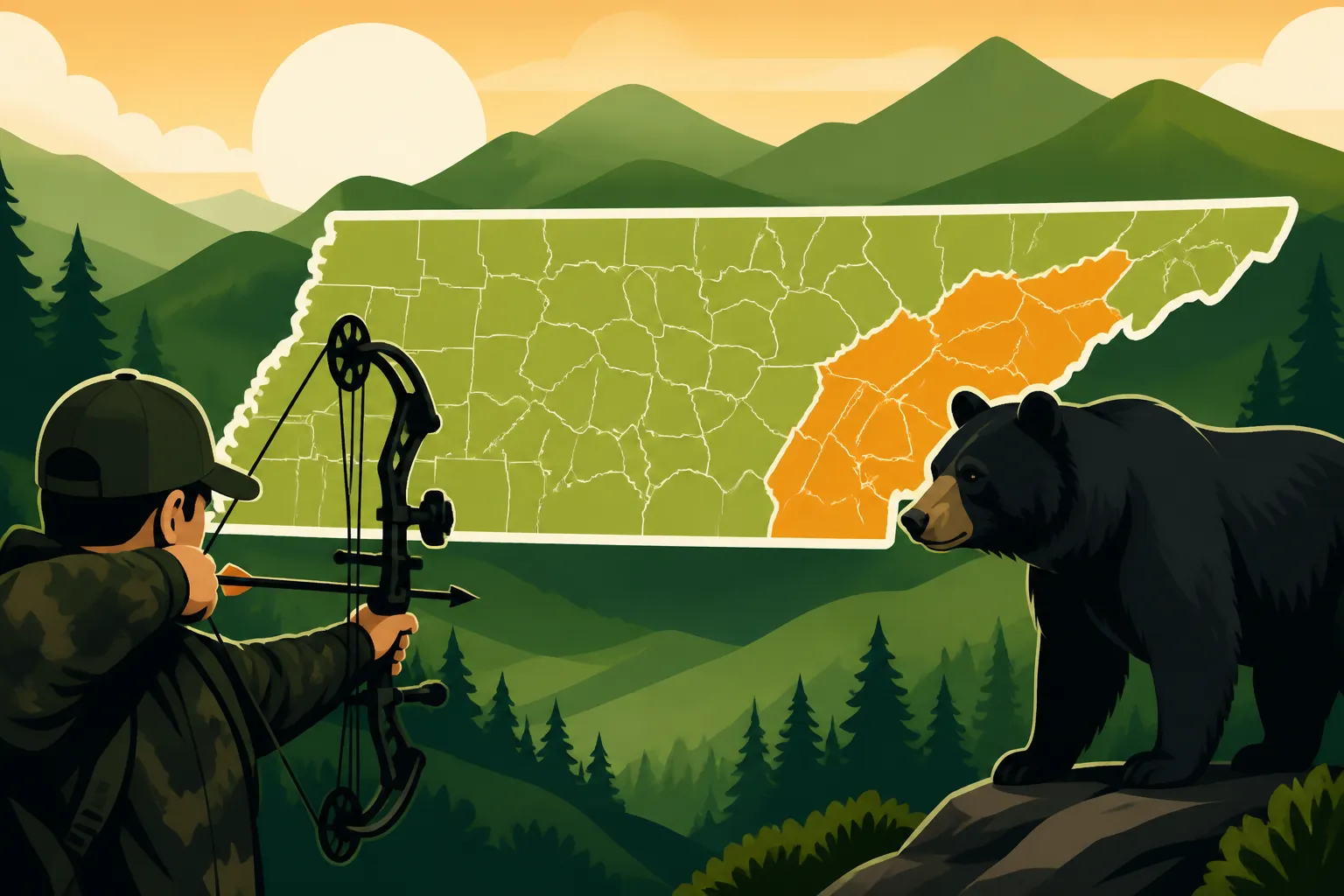
The Tennessee Smoky Mountains Bear Zone, or Bear Zone Two, is primarily comprised of a few key counties that border or are very close to the Great Smoky Mountains National Park. It’s important to remember that these boundaries can be quite specific, sometimes even following specific roads or waterways, so always consult the most current TWRA hunting guide.
The counties fully or partially included in Bear Zone Two are:
- Blount County: This county sits directly south of Knoxville and borders the western edge of the national park. It's a mix of suburban areas, agricultural land, and significant stretches of mountainous terrain, particularly as you head east towards the park.
- Cocke County: Located on the eastern side of the national park, Cocke County offers incredibly rugged and wild landscapes. Much of the southern portion of the county is covered by the Cherokee National Forest, providing vast public land opportunities.
- Sevier County: Home to Gatlinburg and Pigeon Forge, Sevier County is well-known for tourism, but it also holds significant bear habitat, particularly in its eastern and southern reaches that directly abut the national park.
- Greene County (partially): Only the portion of Greene County south of US Highway 11E and east of SR 93 (Blue Springs Parkway) is included in Bear Zone Two. This specific delineation is a prime example of why hunters must pay close attention to boundary descriptions.
- Monroe County (partially): Similar to Greene County, only a specific section of Monroe County is part of Zone Two. This typically includes the area east of State Highway 68 and north of State Highway 39. This area contains portions of the Cherokee National Forest.
Here’s a helpful table summarizing the primary counties and their inclusion in Bear Zone Two:
| County Name | Inclusion in Bear Zone Two | Key Considerations for Hunters |
|---|---|---|
| Blount | Fully Included (eastern portions) | Mix of private/public land, proximity to GSMNP |
| Cocke | Fully Included | Rugged, extensive Cherokee National Forest access |
| Sevier | Fully Included (eastern/southern portions) | Near tourist areas, significant park buffer zones |
| Greene | Partially Included | South of US 11E, East of SR 93 |
| Monroe | Partially Included | East of SR 68, North of SR 39 |
Note: Always consult the official TWRA Big Game Guide for the most precise and up-to-date boundary descriptions, including specific road or river lines.
Overlap with Other Hunting Areas
It’s also important to understand that while these counties define Bear Zone Two, they also contain or border other significant public hunting lands and private properties. For instance, much of Cocke and Monroe counties contain large tracts of the Cherokee National Forest Hunting, offering extensive public access for bear hunters. However, even within these national forest lands, specific rules might apply, such as designated bear reserves or areas closed to hunting.
Hunters should be acutely aware of areas immediately adjacent to the Great Smoky Mountains National Park, as hunting is strictly prohibited within park boundaries. Bears frequently move in and out of the park, and while this creates hunting opportunities on surrounding lands, it also requires hunters to be absolutely certain of their location to avoid accidental trespass or violations. Using a reliable mapping application like GoHunt, which often has property boundaries and public land overlays, can be invaluable for staying on the right side of the law. This tool, or others like it, can help clarify Finding Tennessee Property Lines when you're deep in the woods.
Unique Hunting Considerations for Zone Two
Hunting black bears in the Smoky Mountains Bear Zone (Zone Two) is a distinct experience compared to other parts of Tennessee. The unique geography, habitat, and bear behavior in this region demand a specific approach from hunters. It's not just about knowing the rules; it's about understanding the environment you're stepping into.
Habitat and Bear Behavior in the Smoky Foothills
The habitat in Bear Zone Two is characterized by steep, rugged mountainsides, dense hardwood forests, rhododendron thickets, and deep hollows. These features provide excellent cover and abundant natural food sources for bears, including acorns, berries, and various other mast crops. Bears here have a strong connection to the Great Smoky Mountains National Park, often using the park as a refuge and foraging extensively in the surrounding national forest and private lands. This movement means that while Bears Near Great Smoky Mountains National Park are abundant, their patterns can be influenced by tourist activity, food availability, and hunting pressure.
Due to the mountainous terrain and thick cover, spot-and-stalk hunting can be incredibly challenging but rewarding. Bears in this zone are typically wild and wary, accustomed to navigating steep slopes and dense undergrowth. Hunters often focus on natural funnels, ridge lines, and areas with fresh bear sign like scat, tracks, and claw marks on trees. Bear activity can intensify during mast crop seasons, particularly in the fall when acorns are dropping, drawing bears to specific feeding areas. Understanding these food sources and typical Tennessee Bear Denning Behavior can give you an edge.
Hunter Access and Public Lands
While there are private lands within Zone Two where permission is obviously required, significant portions of Cocke, Monroe, and Blount counties offer extensive public hunting opportunities within the Cherokee National Forest. These national forest lands are often rugged and require a good deal of physical endurance to navigate. Forest service roads provide some access, but many prime hunting areas are found by simply walking away from the crowds and getting into the deeper timber. For remote hunts, a sturdy Packs for a Cherokee Forest Day Hunt is essential for carrying your gear, food, and water.
Before heading out, it's highly advisable to consult maps, both physical and digital. Tools like the TWRA's "Go Outdoors Tennessee" app, or external mapping solutions like GoHunt, provide invaluable layers showing public land boundaries, roads, trails, and topographical features. This can help you identify potential access points, anticipate terrain challenges, and plan your entry and exit routes. You might also want to consult Reading Aerial Photos for Cumberland Plateau Deer for general tips on how to scout similar rugged terrain using digital tools, even if the primary game animal is different. Hunters also need to be aware of areas specifically designated as "bear reserves" or "bear sanctuaries" within public lands, which are typically off-limits to hunting, sometimes permanently or during specific periods.
Navigating Regulations and Resources
Successfully hunting black bears in the Tennessee Smoky Mountains Bear Zone is about more than just locating game; it's about diligently adhering to all state regulations and leveraging available resources. The TWRA's rules are designed to ensure sustainable hunting practices and the long-term health of the Tennessee Black Bear Population.
Essential Permits and Reporting
First and foremost, any hunter pursuing bears in Tennessee, regardless of the zone, must possess the appropriate licenses and permits. This typically includes a valid Tennessee hunting license and a Big Game Permit. Non-residents will need a nonresident hunting license and a specific bear permit. Always check the current Tennessee Hunting Licenses and What They Cost before the season opens to ensure you're fully compliant.
Once you’ve successfully harvested a bear, mandatory reporting to the TWRA is critical. This usually involves checking the bear at an official check station or reporting it online or by phone within a specified timeframe, often 24 hours. The TWRA collects vital data from these harvest reports, including sex, weight, and general location, which helps them monitor the bear population and make informed management decisions for future seasons. Failing to report a harvest is a serious violation.
Additionally, blaze orange requirements apply to bear hunting during gun seasons. It's crucial to know Tennessee Blaze Orange Requirements for your specific hunting scenario to ensure safety and compliance.
Utilizing Digital Scouting Tools
In today's hunting world, digital mapping and scouting tools have become indispensable, especially in rugged and unfamiliar terrain like the Smoky Mountains. Apps such as GoHunt, OnX Hunt, or the official Go Outdoors Tennessee app offer a wealth of information that can significantly enhance your planning and safety.
These platforms often feature:
- Property Boundaries: Clearly delineating public versus private land, helping you avoid accidental trespass.
- Topographical Maps: Showing elevation changes, contours, and potential travel corridors for bears.
- Satellite Imagery: Providing an overhead view of habitat types, clear-cuts, thickets, and potential food sources.
- Public Land Overlays: Identifying specific WMAs or national forest sections within the bear zone.
- Regulations and Zone Information: Some apps, including the TWRA's own, can provide direct access to the latest hunting guide, ensuring you have the most up-to-date information on Tennessee Bear Zone Two Rules.
Before your hunt, spend ample time digitally scouting your chosen area. Look for remote pockets that might hold bears away from heavy human pressure, identify water sources, and pinpoint potential escape routes for game. For public land hunting, learning Scouting Tennessee Public Land Before Season is a great way to maximize your time in the woods and increase your chances of success. And never forget to carry a physical map and compass as a backup, especially where cell service might be spotty. Remember, preparation is just as important as the hunt itself when pursuing black bears in the challenging, yet rewarding, landscapes of the Smoky Mountains Bear Zone.
Disclaimer
Please be aware that hunting regulations, zone boundaries, and license requirements can change annually. While this guide provides comprehensive and up-to-date information, it is always the hunter's responsibility to consult the most current Tennessee Wildlife Resources Agency (TWRA) hunting guide and relevant proclamations before engaging in any hunting activity. This content is for informational purposes only and does not constitute legal advice.