Blaze Pink Options Under Tennessee Law
Oh, the ever-evolving world of hunting regulations! It can feel like you need a law degree just to figure out what's legal to wear in the woods, especially when new options like blaze pink come into play. Many hunters, particularly women new to the sport, often wonder if that snazzy pink gear they've seen is actually compliant with Tennessee law, or if it's just a fashion statement waiting for a citation. This comprehensive guide is here to cut through the confusion and clarify exactly what blaze pink options are available to you under Tennessee law, so you can hunt confidently and safely.
Understanding Tennessee's Hunter Safety Color Requirements
Before we dive specifically into blaze pink, it’s crucial to understand the foundational principles behind high-visibility clothing in Tennessee. This isn't just about looking good; it's about being seen and staying safe out there, especially when the woods are bustling with other hunters.
The Rationale Behind High-Visibility Clothing
Think back to the "good old days" when hunters just wore drab greens and browns. While it might have helped them blend into the natural environment, it also led to tragic accidents. The primary and undeniable reason for mandating high-visibility colors like blaze orange – and now blaze pink – is hunter safety. We're talking about preventing accidental shootings and ensuring that every hunter in the field is clearly identifiable as a human, not a deer or a bear. It's a simple, yet profoundly effective, measure to reduce the risks inherent in hunting, particularly during firearm seasons. The goal isn't to make you less effective in the field; it's to make you return home safely at the end of the day.
Specifics of Blaze Orange Regulations in Tennessee
For decades, blaze orange was the undisputed king of safety colors, and it still holds a prominent place in Tennessee's hunting regulations. Generally, during daylight hours of any statewide big game gun season (deer, bear, boar, elk), hunters and even those accompanying hunters are required to wear specific amounts of blaze orange. This usually means a minimum of 500 square inches of solid blaze orange on the outer portion of your body, visible from all sides, and a blaze orange hat or headwear. This isn't just a suggestion; it's law. Picture yourself walking through a thick stand of timber in the Cherokee National Forest during deer season; that splash of orange is what could differentiate you from the shadows for another hunter.
However, these rules aren't universal for all seasons. If you're out Bowhunting Tennessee's Long Archery Season before the gun season kicks in, or if you're chasing waterfowl in a blind, or small game without the aid of dogs, these blaze orange requirements often don't apply. But when it's big game rifle season, that orange becomes your best friend and a legal necessity. For a full breakdown of the nuances, it's always a good idea to consult the latest TWRA digest or check their official website.
Blaze Pink: A Legal Option in Tennessee
The hunting world, like all things, isn't static. It adapts, it evolves, and sometimes, it embraces new ideas. Blaze pink is one such welcome evolution that has been a game-changer for many hunters, offering an alternative while maintaining the same critical safety standards.
When Blaze Pink Became Legal and Why
The introduction of blaze pink into hunting regulations across various states, including Tennessee, was largely driven by a growing push to make hunting more inclusive and appealing, particularly to women. For a long time, the hunting apparel market was heavily geared towards men, with limited options outside of traditional masculine colors and cuts. Many women hunters felt that having an option like blaze pink, which still served the safety purpose but offered a different aesthetic, would encourage more participation.
Tennessee officially joined the ranks of states allowing blaze pink several years ago, recognizing its efficacy. Studies have shown that blaze pink, sometimes referred to as hunter pink, is just as visible to the human eye in the varied conditions of the wilderness as blaze orange. In some light conditions or against certain backgrounds, it can even stand out more. This scientific backing, coupled with the desire to modernize hunting regulations and appeal to a broader demographic, led to its legal adoption in the Volunteer State. It's a practical example of how hunting culture is slowly but surely expanding its reach.
Specific Requirements for Wearing Blaze Pink
This is where clarity is key: blaze pink is not an additional requirement or a separate category; it is a direct alternative to blaze orange. What that means is if a season or hunting scenario requires blaze orange, you can legally wear blaze pink instead, provided you meet the exact same square inch and visibility requirements.
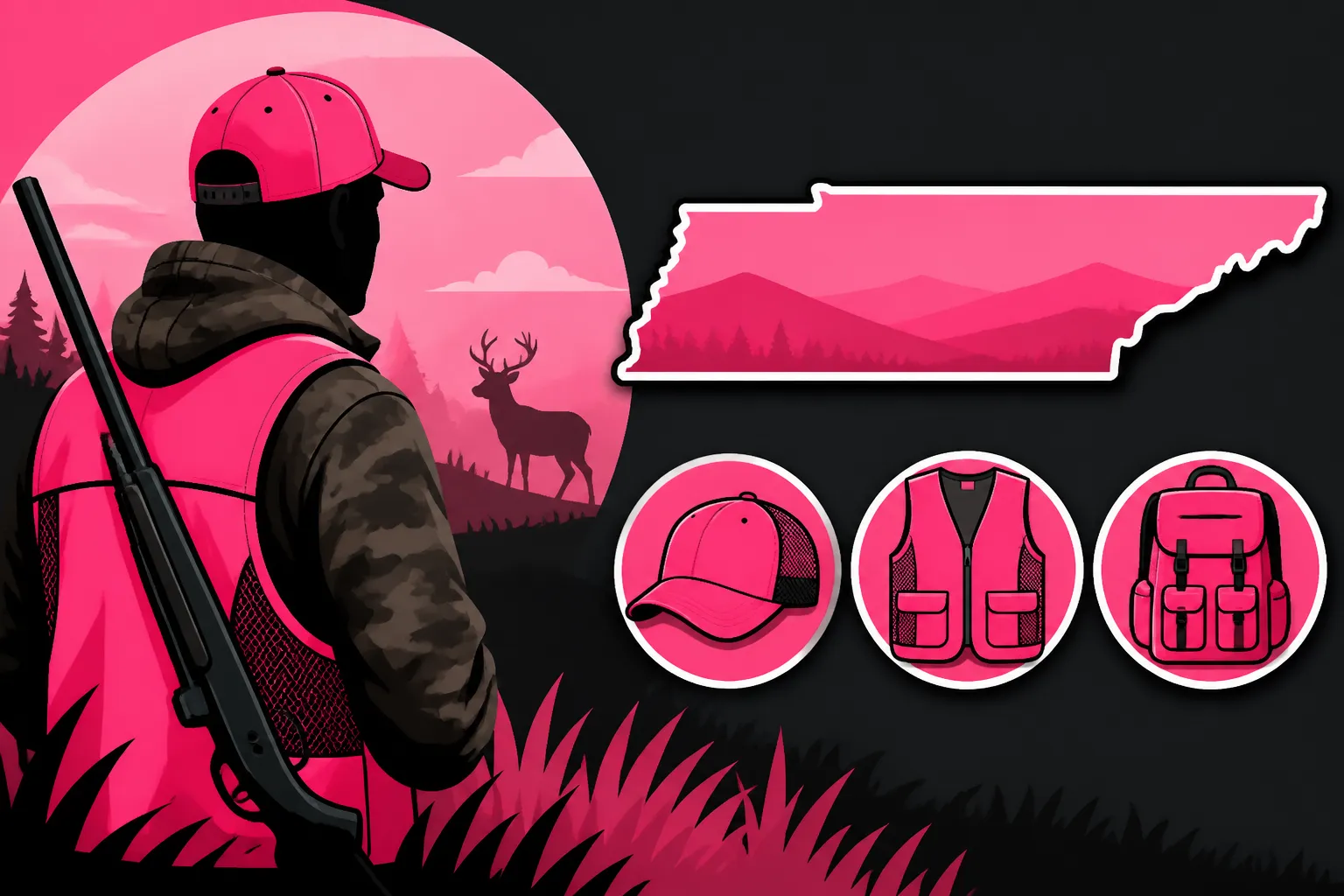
For instance, during Tennessee's Gun Deer Season Into January, if the law says you need 500 square inches of blaze orange and a blaze orange hat, then 500 square inches of solid blaze pink and a blaze pink hat will fulfill that requirement perfectly. You can't just wear a little pink trim or a camouflage pattern with some pink accents. The material must be solid blaze pink, just as blaze orange must be solid. Think of a bright, almost fluorescent pink – that’s the color we're talking about. It needs to be an outer garment, easily seen from all angles as you move through the woods.
This means you can find blaze pink vests, jackets, and hats that mirror the functionality of their orange counterparts. Brands like DSG Outerwear, Prois, and even some mainstream outdoor companies have started offering dedicated blaze pink lines to meet this demand, ensuring hunters have legitimate, compliant options.
Here's a quick comparison of the two high-visibility options in Tennessee:
| Feature | Blaze Orange | Blaze Pink |
|---|---|---|
| Legal Status in TN | Required/Legal during specific seasons | Legal alternative during specific seasons |
| Visibility to Humans | Highly visible across various light conditions | Highly visible across various light conditions |
| Visibility to Deer | Not perceived as bright color; seen as dull gray | Not perceived as bright color; seen as dull gray |
| Commonality of Gear | Very common, widely available | Growing in availability, becoming more common |
| Minimum Sq. Inch Req. | Same as pink (e.g., 500 sq. inches for deer gun season) | Same as orange (e.g., 500 sq. inches for deer gun season) |
| Headwear Requirement | Generally required where body coverage is | Generally required where body coverage is |
Practical Considerations and Common Misconceptions
Whenever something new comes along, especially in a traditional pursuit like hunting, there are bound to be questions and myths that pop up. Let's tackle some of the common concerns surrounding blaze pink.
Does Blaze Pink Spook Deer?
This is probably the most frequently asked question, and it stems from a fundamental misunderstanding of deer vision. The short answer is: no, blaze pink will not spook deer any more than blaze orange does.
Here's why: deer are dichromats. Unlike humans who have three types of cones in their eyes that detect red, green, and blue light (allowing us to see a full spectrum of colors), deer primarily see in shades of blue and yellow. This means colors like red, orange, and pink appear to them as dull shades of grey or brownish-yellow, blending into the natural environment much more effectively than they do to our eyes. So, while that blaze pink vest screams "human hunter" to your fellow two-legged companions, it looks like just another part of the muted landscape to that trophy buck you're trying to sneak up on. Therefore, whether you choose orange or pink, your safety color isn't going to blow your cover with the deer. The only thing that will spook them is movement, scent, or noise – not your brightly colored, legally compliant attire.
Choosing Between Blaze Orange and Blaze Pink
So, if both are equally effective for safety and equally invisible to deer, how do you choose? Honestly, it often comes down to personal preference. Some hunters prefer the classic, traditional look of blaze orange, while others, particularly women, appreciate the option of blaze pink.
The availability of gear can also play a role. While blaze pink options are certainly growing, blaze orange still dominates the market simply due to its longer history and broader adoption. However, more and more manufacturers are recognizing the demand for pink, so finding quality gear is becoming easier. For example, if you're putting together your kit for Hunting Tennessee's Restored Elk Herd or getting ready for Bear Hunting Cherokee National Forest, you'll likely find more extensive options in orange, but don't count out pink!
Ultimately, the most important factor is that you are wearing a legal, high-visibility color. The choice between orange and pink is secondary to the act of complying with the safety regulations. It allows for a bit of personal expression within the bounds of safety, which is something many hunters, especially those looking to define their own style, truly appreciate. Some find that Blaze Orange Jackets Versus Vests can offer different levels of comfort and coverage, and the same applies to pink options.
Ensuring Compliance and Staying Safe
Having blaze pink as a legal option is great, but it only works if you understand and properly implement the rules. Hunting safety is paramount, and it's a responsibility shared by everyone in the woods.
Checking Current TWRA Regulations
Regulations, even those concerning something as seemingly straightforward as hunter safety colors, can change. The Tennessee Wildlife Resources Agency (TWRA) is the authority on all hunting laws in the state. Before every season, and especially if you're ever in doubt, you absolutely must check the latest TWRA hunting guide or digest. You can grab a physical copy at most license retailers, access a digital version on the TWRA website, or even use their convenient Go Outdoors Tennessee app, which is a fantastic resource for checking regulations, hunting zones, and even Reporting a Tennessee Deer Harvest Online. Don't rely on hearsay or what someone told you five years ago; verify the current law yourself. This is particularly important when considering specific season dates or Tennessee Deer Season Structure Explained.
Proper Wear and Visibility Best Practices
It's not just about wearing a piece of blaze pink or orange; it's about wearing it properly to maximize your visibility. The whole point is to be seen from all angles. This means:
- Outer Layer: Your high-visibility clothing needs to be the outermost garment. Don't cover your blaze pink vest with a camouflage jacket.
- Visibility from All Sides: Ensure that the amount of material required is visible from 360 degrees. This often means wearing a vest or a full jacket.
- Cleanliness and Condition: Faded, dirty, or torn safety clothing isn't as effective. Keep your blaze pink or orange clean and in good condition to maintain its maximum visibility. A dull, dingy vest doesn't do its job as well as a vibrant one.
- Headwear: If a hat or headwear is required, wear it! It adds another crucial point of visibility, especially when you're bending over or in dense cover. For example, during Hunting the Rut in Early November, when bucks are moving and hunters are focused, a bright hat is a huge safety net.
Remember, the goal is not to hide from other hunters; it’s to make your presence undeniable to them, especially in scenarios like Deer Drives With Three or Four Hunters on public land, where multiple people are moving. Whether you choose blaze orange or blaze pink, wearing it correctly is a critical step in ensuring a safe and successful hunt for everyone.
Disclaimer
Always consult the official Tennessee Wildlife Resources Agency (TWRA) regulations for the most current and accurate hunting laws and dates before heading afield. This guide provides general information and should not be considered a substitute for official TWRA documentation.