Tennessee Bear Denning Behavior
Anyone who has spent time in the Tennessee woods, especially in the rugged eastern mountains, knows that black bears are elusive creatures. Understanding their movements and behaviors is a huge piece of the puzzle for hunters, and few things are more critical yet often misunderstood than their denning behavior. It's not just about when they disappear for winter, but why they do it, where they choose to hunker down, and how that cycle impacts their presence in the landscape throughout the year. This guide is all about peeling back the layers on Tennessee bear denning, helping you understand this fascinating part of their annual rhythm.
Understanding the "Why" Behind Tennessee Bear Denning
Black bears in Tennessee, like their kin across North America, enter a state of torpor or hibernation during the colder months. This isn't just a whim; it's a finely tuned survival strategy that's been perfected over millennia. For hunters, knowing the drivers behind this behavior can offer critical insights into where bears might be, or where they might have been, during different parts of the year.
The Biological Imperative: Survival and Reproduction
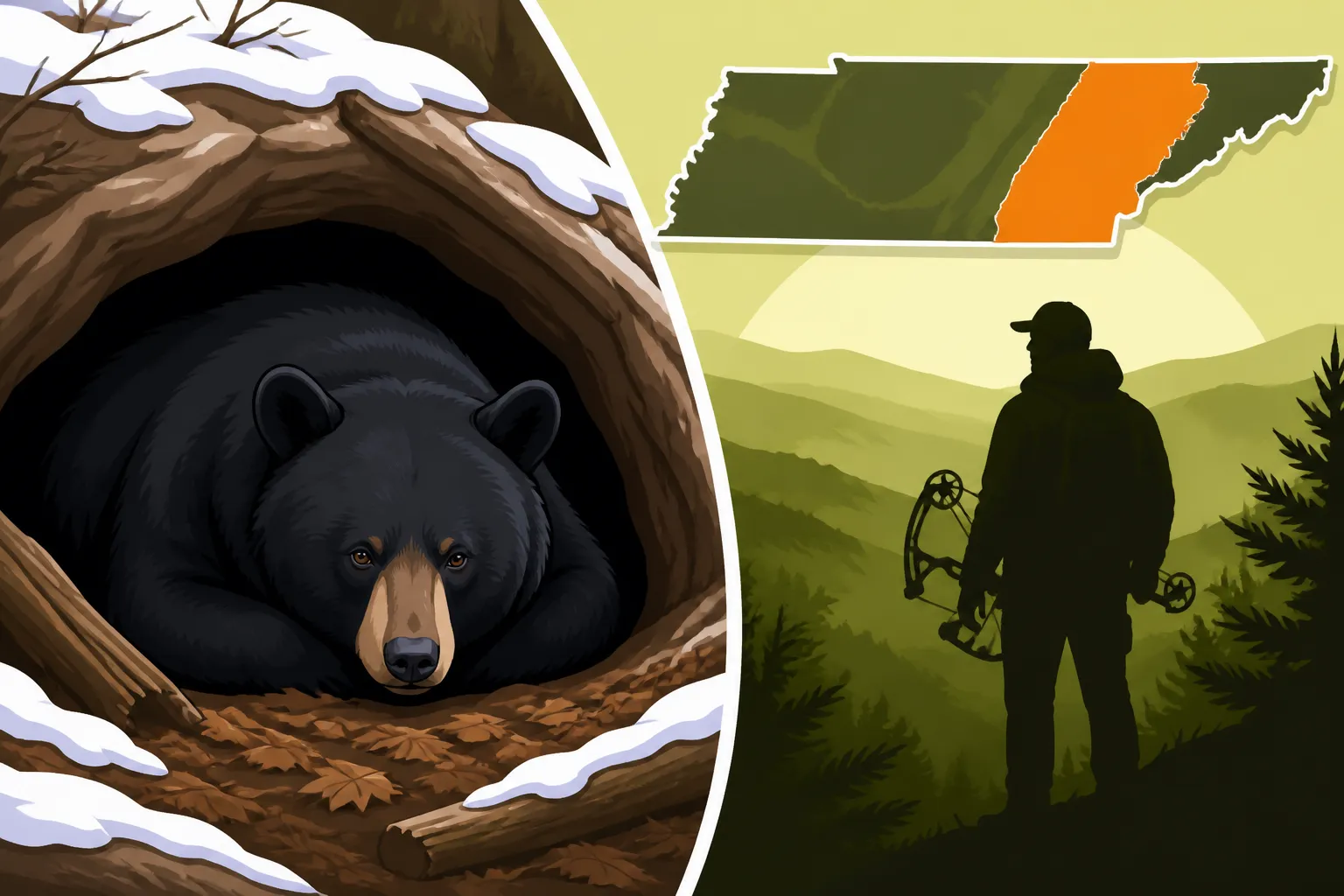
At its core, denning is about survival and reproduction. When food resources become scarce in late fall and winter, bears don into dens to conserve energy. Their metabolism slows, heart rate drops, and body temperature decreases, allowing them to live off stored fat reserves for months. This is especially crucial for pregnant sows. They typically give birth in the den, usually in January or February, while still in this semi-dormant state. The cubs are tiny and helpless, and the safety and warmth of the den are absolutely vital for their first few weeks of life. Imagine a small, helpless cub trying to survive a Tennessee winter storm out in the open; it's just not feasible. The den provides that essential shelter for both mother and offspring.
This biological clock is robust, but it's also flexible. Unlike bears in the far northern reaches of Canada or Alaska, Tennessee bears don't face the same extreme, prolonged cold or complete lack of forage. This means their denning period can be shorter and more variable. A mild winter with persistent food sources might see bears enter their dens later or emerge earlier, while a harsh winter can push them to den up sooner and stay longer. It's a testament to their adaptability, but it also means hunters can't assume a fixed schedule. Knowing this variability is key to truly understanding Tennessee's Black Bear Population and how it interacts with the environment.
Food Availability and Weather Patterns
The biggest triggers for denning in Tennessee are declining food availability and sustained cold weather. Bears are opportunistic omnivores, and their diet changes with the seasons. In late summer and fall, they gorge on mast crops like acorns, hickory nuts, and various berries, packing on critical fat reserves. If these mast crops are abundant and persist late into the season, bears might delay denning. They'll keep foraging as long as there's a good caloric return on their effort.
Conversely, a poor mast year or an early, severe cold snap can send bears scurrying to their dens much sooner. A sudden deep freeze that locks up available food sources and makes foraging inefficient will signal to a bear that it's time to find a winter home. This means that tracking mast crop forecasts, and paying close attention to long-range weather predictions, can give you a better idea of when bears might start looking for den sites. It's not uncommon to see bears still active in the woods in early December, especially in years with a bumper acorn crop, but a few nights of single-digit temperatures will likely put an end to that. This is where scouting the areas where bears might be seeking out Hunting Bears Over Natural Mast in the Mountains becomes so important.
Typical Denning Timelines and Locations in Tennessee
While every bear is an individual, and local conditions play a massive role, there are general patterns to when and where Tennessee black bears choose to spend their winter. These patterns are particularly important for hunters trying to understand the full annual cycle of these animals.
Seasonal Shifts: When Bears Head to the Den
For most black bears in Tennessee, the denning period typically begins in late November or early December. However, as mentioned, this isn't a hard deadline. Pregnant sows often enter their dens first, prioritizing the security and warmth needed for their developing cubs. Sometimes they'll be in their dens by mid-November. Adult males and barren females might stay out longer, especially if food is still plentiful. Young bears, particularly yearlings that are no longer with their mother, might also den a bit later, or in less secure locations, as they're still learning the ropes.
The emergence from dens typically occurs in late March or early April, again with variation. Males tend to emerge first, followed by females without cubs, and finally, sows with new cubs are usually the last to leave the den. They often spend a few days or weeks near the den site, allowing the cubs to acclimate and gain strength before venturing further out. This post-denning period is a critical time for cub survival, as they are still very small and vulnerable. This flexible schedule, largely dictated by local food resources and weather, means that in a mild year, you could potentially encounter a bear well into December, or even have them pop out early if spring arrives ahead of schedule.
Preferred Den Sites: What a Tennessee Bear Looks For
Tennessee offers a wide variety of terrain, and bears are masters at using whatever natural features are available for denning. In the rugged, mountainous regions like the Cherokee National Forest, bears often utilize rock crevices, caves, and hollows under large boulders. These natural shelters provide excellent insulation and protection from the elements. A big rock outcrop on a steep hillside can be a prime spot. You might also find them denning in dense thickets of rhododendron or mountain laurel, where the thick vegetation provides concealment and a degree of thermal protection.
In areas with more mature timber, especially along creek bottoms or on benches where old-growth trees might be found, bears will often den in hollow logs or the base of hollow trees. Sometimes they'll even dig out a shallow depression under the root system of a fallen tree or a large standing snag. These sites offer good camouflage and protection. Regardless of the specific type, a bear's den usually provides shelter from wind and precipitation, offers good drainage to stay dry, and is often in a secluded, hard-to-reach spot away from human disturbance. When scouting, especially in areas like Where Cherokee Forest Bears Range, knowing these preferred den types can help you identify likely wintering habitat.
Table: Common Tennessee Bear Den Types and Characteristics
| Den Type | Typical Location | Key Characteristics | Advantages for Bear |
|---|---|---|---|
| Rock Crevice/Cave | Steep, rocky slopes, cliff faces, boulder fields | Natural insulation, permanent structure, often camouflaged | Excellent protection from weather and predators, stable temps |
| Hollow Log | Mature timber, creek bottoms, benches | Decaying logs, often on ground, may be dug out further | Good insulation, readily available in wooded areas |
| Hollow Tree Base | Old-growth forests, large standing trees | Excavated under roots or in tree base, well-hidden | Excellent cover, good insulation, often very secure |
| Dense Thicket | Rhododendron/mountain laurel thickets, briars | Thick, intertwining vegetation, less structural | Excellent concealment, wind protection, quick access/escape |
| Root Wad/Fallen Tree | Areas with blowdowns, logging operations | Under upturned root balls or large fallen trunks | Natural shelter, often in secluded areas, good drainage |
Implications for Hunters: Using Denning Behavior to Your Advantage
Understanding bear denning behavior isn't just for wildlife biologists; it's a valuable tool for hunters looking to maximize their success in the field. While you're not going to be hunting bears in their dens, the knowledge of their pre- and post-denning activities can be incredibly beneficial.
Pre-Denning Activity and Late Season Opportunities
The weeks leading up to denning are a critical time for bears, often referred to as hyperphagia. This is when they are intensely focused on eating, trying to pack on as much fat as possible to sustain them through the winter. This period, usually late October through November and into early December, can present excellent hunting opportunities. Bears are often less wary and more predictable in their movements as they concentrate on food sources. They might spend more time in open areas foraging, or move between different mast-producing groves throughout the day.
If you're hunting in areas known for bear activity, such as parts of Bear Zone One in Northeast Tennessee or Bear Zone Three on South Cherokee, focusing your efforts around remaining hard mast crops like acorns or soft mast like late-season berries can be highly effective. Bears will be prioritizing these high-calorie foods. Observing sign—fresh scat, overturned rocks, claw marks on trees—can tell you if bears are still actively feeding in an area. This is also a time when you might find bears wandering into unexpected places in search of those last crucial meals before they disappear for the winter. Learning how to identify Spot-and-Stalk Tactics for Cherokee Forest Bears that leverage these feeding patterns can be a game-changer.
Scouting for Denning Sign
Even though bears are hidden away in their dens, knowing where they might be denning, or where they have denned in the past, can inform your scouting for future seasons. Look for tell-tale signs of past denning activity: old, well-worn entrances to rock crevices, hollowed-out tree bases, or unusually large piles of scat near a potential den site that might indicate pre-denning gorging. While bears don't reuse dens every year, they often return to areas with good denning habitat.
Using mapping tools, like those found on GoHunt, can be invaluable here. You can identify potential denning terrain features—steep, rocky slopes, areas with dense cover, or remote sections of a WMA far from human disturbance. By marking these areas, you can focus your spring and summer scouting efforts on finding fresh bear sign in proximity to these potential den sites. Understanding the terrain where bears seek refuge also helps you understand their travel corridors and feeding areas, giving you a better overall picture of the bear population in your chosen hunting grounds. While you might not be actively looking for an occupied den, knowing where they could be helps you map out their habitat use.
Ethical Considerations Around Denning Bears
It's crucial to approach the topic of bear denning with a strong ethical compass. Hunting a bear in or around its den, especially a sow with cubs, is unethical and illegal. The purpose of understanding denning behavior for hunters is to better comprehend their seasonal movements, find opportunities during legal hunting seasons, and respect their life cycle. If you accidentally stumble upon an occupied den, back away slowly and quietly, disturbing the bear as little as possible.
Wildlife agencies, like the Tennessee Wildlife Resources Agency (TWRA), closely monitor bear populations and denning habits to ensure healthy populations. The knowledge of denning helps them manage hunting seasons and quotas, ensuring sustainability. As hunters, we play a vital role in conservation, and part of that responsibility is understanding and respecting the animals we pursue throughout their entire annual cycle, including critical periods like denning. This knowledge contributes to a deeper appreciation for Tennessee Bear Harvest Numbers and the overall health of the herd. This extends to understanding other hunting methods as well, such as how Running Hounds for Cherokee Forest Bears is managed in different zones and times of year to avoid denning periods.
Post-Denning Emergence and Cub Rearing
Just as important as understanding when bears go into their dens is knowing when they come out and what their behavior is like in the immediate aftermath. This period, especially for sows with cubs, sets the stage for the rest of the year.
When Tennessee Bears Emerge
As spring temperatures begin to rise, typically in late March or early April, Tennessee black bears start to emerge from their dens. This isn't a sudden burst of activity; it's a gradual process. Initially, they might spend several days near the den entrance, stretching, rehydrating, and slowly becoming reacquainted with the outside world. Their metabolism needs to kick back into high gear, and they're often quite sluggish at first.
The timing of emergence is also tied to the availability of new green forage. Bears, being opportunistic, will seek out the first emerging plants and fresh grasses, which provide much-needed nutrients after months of fasting. Early spring food sources can be sparse, so these initial weeks are often about finding easily digestible greens and perhaps scavenging winter-killed animals. If spring arrives early and forage is plentiful, bears might emerge sooner; a late, cold spring could keep them in their dens a bit longer. This period is a subtle transition, but a vital one for their recovery and for the health of sows who have just given birth.
The Sows and Cubs
For sows that gave birth in the den, the post-denning period is incredibly sensitive. The cubs are still very small and completely dependent on their mother. She will lead them from the den, often moving to a secluded, secure area with good cover and readily available early spring food. They typically stay in these protective areas for several weeks, allowing the cubs to grow stronger and learn how to forage. These family units are extremely wary, and the sow is intensely protective of her young.
Encountering a sow with cubs is always a special, if sometimes startling, experience in the woods. It's a reminder of the delicate balance of nature and the importance of undisturbed habitat. Understanding Tennessee Bear Cub Survival Rates highlights just how critical the denning and post-denning periods are for the next generation of bears. As a responsible outdoors enthusiast, giving these family units a wide berth is paramount, allowing them the space and security they need to thrive.
Disclaimer
This article is for general informational purposes only and does not constitute professional advice. Laws, prices and regulations vary by location and change over time. Consult a qualified professional for guidance on your specific situation.