Crop Damage Hogs Cause in Tennessee
Few things are as disheartening for a Tennessee farmer as waking up to a field that looks like a war zone, torn up by the insatiable rooting of wild hogs. These highly destructive invaders aren't just a nuisance; they're a significant threat to agricultural livelihoods and a constant source of stress for landowners across the state. This guide will delve deep into the pervasive problem of crop damage caused by wild hogs in Tennessee, exploring the extent of the destruction, the specific methods these animals use to wreak havoc, the types of crops most affected, and the profound economic impact on our farming communities, while also touching on potential mitigation strategies.
The Escalating Threat of Wild Hogs to Tennessee Agriculture
Wild hogs, often referred to as feral swine, wild boar, or razorbacks, are a pervasive and growing problem throughout Tennessee, posing an unprecedented challenge to the state's agricultural industry. Their destructive nature and rapid reproductive rates make them an incredibly difficult species to manage, turning once-fertile fields into damaged landscapes overnight.
Understanding the Scope of the Problem
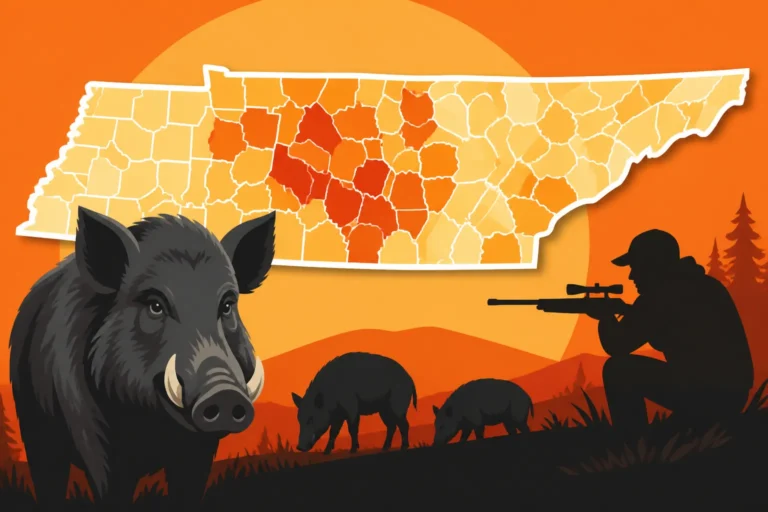
Tennessee's wild hog population has exploded in recent decades, primarily due to intentional releases for hunting purposes and their incredible adaptability. These aren't just a few rogue animals; we're talking about a widespread, entrenched population that impacts nearly every corner of the state, though some counties experience higher densities than others. The Tennessee Wildlife Resources Agency (TWRA) categorizes them as a destructive exotic species, not native game, which means there are no closed seasons or bag limits for hunting them on private land, precisely because of the immense damage they cause. This classification highlights the severity of their presence; they are an ecological and agricultural blight that needs to be controlled. You can learn more about how many wild hogs Tennessee has and their general population trends.
The sheer reproductive capacity of wild hogs is what truly sets them apart as an escalating threat. Sows can begin breeding as early as six months old, producing litters of 4 to 10 piglets, sometimes even more, up to two times a year. This means a small group of hogs can quickly turn into a massive sounder, overwhelming local habitats and agricultural areas. Each new generation adds to the rooting, wallowing, and trampling pressure on crops, and the problem often feels like it's growing faster than any control efforts can keep up. It's a frustrating reality for farmers who face an uphill battle against a seemingly endless tide of these animals.
Why Tennessee's Landscape is a Hog Haven
Several factors contribute to Tennessee's appeal as prime habitat for wild hogs, making the state an ideal breeding ground for these destructive animals. Our mild winters, for instance, mean less mortality from exposure, allowing more piglets to survive their crucial early months. Unlike northern states where harsh winters naturally cull populations, Tennessee provides a relatively temperate environment year-round. This allows them to allocate more energy to reproduction rather than simply survival.
Beyond the climate, Tennessee offers an abundant and diverse buffet of food and shelter. The state's varied topography, from the fertile river bottoms of West Tennessee to the rugged ridges of the Cumberland Plateau and the heavily timbered sections of the Cherokee National Forest, provides a mosaic of habitats. Hogs thrive in areas with dense cover, such as thickets, overgrown fencerows, and bottomland swamps, which offer protection from hunters and predators. Furthermore, our rich agricultural landscape, with vast acreages of corn, soybeans, wheat, and pastureland, combined with natural mast crops like acorns and persimmons, ensures a year-round food supply. This combination of shelter, food, and water creates perfect conditions for rapid population growth and expansion, explaining why hogs are so hard to eliminate in Tennessee.
How Wild Hogs Devastate Tennessee's Croplands
The damage caused by wild hogs extends far beyond merely consuming crops; their very presence and natural behaviors inflict a wide array of destruction that impacts fields, soil, and even the health of livestock. Understanding these specific mechanisms of devastation is crucial for appreciating the full scope of the problem.
Rooting, Wallowing, and Trampling: The Physical Damage
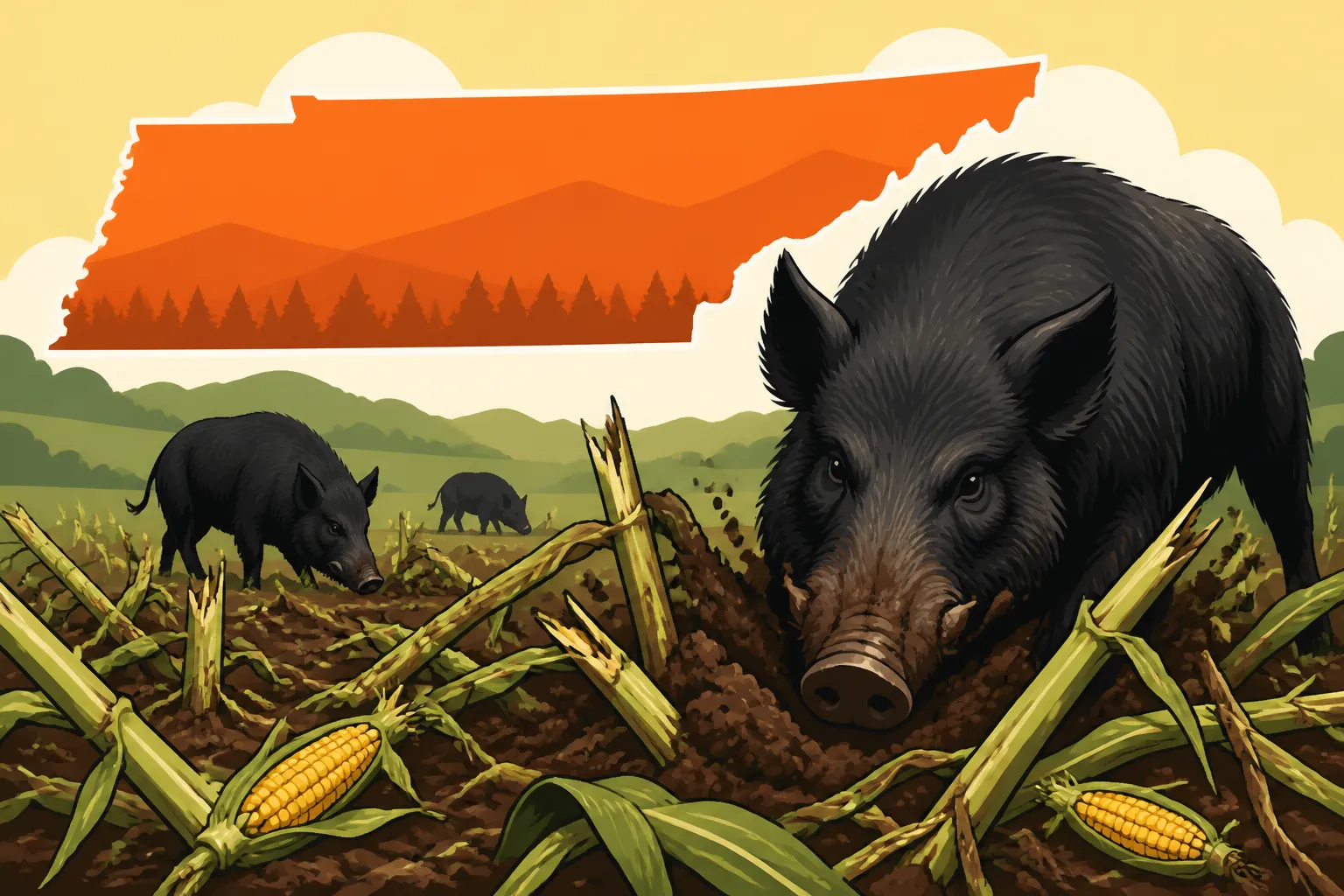
One of the most visually striking and economically damaging behaviors of wild hogs is their incessant rooting. Driven by their powerful snouts and an insatiable desire for tubers, roots, grubs, and newly planted seeds, hogs will systematically tear up entire fields, leaving behind a landscape that looks like it's been rototilled. This isn't just a surface disturbance; they can root several inches deep, completely destroying young plants and exposing soil to erosion. A single sounder can lay waste to acres of crops in a single night, turning a promising harvest into a patchwork of churned earth and ruined stalks. Imagine looking out over a pristine cornfield, only to find sections utterly destroyed, the plants uprooted and scattered, making it impossible to harvest and requiring extensive repair to the soil.
Beyond rooting, hogs inflict significant damage through wallowing and trampling. Wild hogs love to cool off and remove parasites by wallowing in mud and wet areas, which are often found in low-lying crop fields or near irrigation ditches. This behavior compacts the soil, making it less fertile and hindering future crop growth, while also destroying any existing plants in the immediate area. Furthermore, hogs create extensive networks of trails through fields as they move between bedding areas and feeding sites. These trampling paths flatten and break crop stalks, especially in mature stands of corn or soybeans, leading to significant yield losses even if the plants aren't directly eaten. Fencing and irrigation systems are also highly susceptible to their destructive power, as hogs will simply push through or root up obstacles in their path, adding to the repair bill for farmers.
Contamination and Disease Transmission Risks
The problems caused by wild hogs aren't just about physical destruction; they also pose serious health risks through contamination and disease transmission. As hogs forage and wallow, they inevitably defecate in crop fields. This can contaminate food crops with harmful bacteria like E. coli and Salmonella, making them unsafe for human consumption and rendering entire sections of a field unmarketable. For farmers, this means not only a loss of yield but also potential health hazards for farm workers and consumers, leading to costly product recalls or outright rejection of harvests. The psychological burden of knowing your produce might be tainted is immense, adding another layer of stress to an already difficult situation.
Perhaps even more concerning is the role wild hogs play as vectors for diseases that can affect both livestock and humans. They are known carriers of numerous pathogens, including brucellosis, leptospirosis, pseudo-rabies, and even diseases like classical swine fever (though less common in North America). While some of these diseases, like pseudo-rabies, aren't typically fatal to adult hogs, they can be devastating to domestic livestock, especially pigs, and can also impact cattle, dogs, and even humans. The risk of disease transmission from wild hogs to commercial swine operations is a constant worry for hog farmers, leading to strict biosecurity measures. This potential for widespread disease makes dealing with wild hogs a public health and agricultural security issue, not just a matter of crop damage. The presence of wild hogs complicates efforts to manage other wildlife issues, such as those addressed in Tennessee's Chronic Wasting Disease Management Zone, as these animals can also move freely, potentially impacting wildlife health monitoring efforts.
Major Crops Targeted by Tennessee's Wild Hogs
Wild hogs are opportunistic omnivores with a diverse diet, but they show a particular fondness for certain agricultural crops, often targeting them at vulnerable stages of growth. Their impact is felt across the spectrum of Tennessee's agricultural output, from staple row crops to high-value specialty produce.
Row Crops: Corn, Soybeans, and Wheat
Corn is arguably one of the most attractive crops for wild hogs, and they can damage it at almost any stage of growth. In the spring, newly planted corn seeds are a favorite, as hogs will root them up immediately after planting, necessitating costly replanting efforts. As the corn grows, hogs will chew on the stalks, especially at the tender growth points, or snap them off to get to the nascent ears. Once the ears begin to fill and mature, they become irresistible. Hogs will push over stalks to reach the developing ears, often eating only a portion of the kernels before moving on to the next plant, leaving behind a trail of wasted resources. It's not uncommon for a sounder to demolish acres of mature corn, greatly reducing harvestable yields.
Soybeans are another major target, particularly during germination and when pods are filling. Hogs will root up young soybean plants, completely destroying the stand in localized areas. As the plants mature and produce pods, the hogs will browse on the leaves and pods, especially if other food sources are scarce. While not always as visually destructive as corn damage, the repeated browsing and trampling can lead to significant yield reductions. Wheat fields, especially during the seeding stage, are also susceptible. Hogs will root up wheat sprouts and forage for the germinating seeds, often leaving large patches of bare ground. Even mature wheat can be damaged by trampling and feeding, making it difficult for combines to harvest effectively. Farmers who spend months cultivating these critical crops often face devastating losses that directly impact their bottom line, underscoring the urgency of managing wild hogs across Tennessee.
Specialty Crops and Pastures: A Broader Impact
Beyond the major row crops, Tennessee's wild hogs also pose a severe threat to specialty crops, which often represent higher value per acre for farmers. Crops like watermelons, pumpkins, sweet potatoes, and various orchard fruits are particularly vulnerable. Hogs will gleefully consume ripe fruit, often destroying far more than they eat by trampling or taking a single bite out of many different items. A pumpkin patch, for example, can be reduced to a muddy mess of broken gourds in a single night. For farmers relying on these crops for their primary income, such widespread destruction can be catastrophic, leading to an entire season's worth of effort and investment being wiped out.
Pastures and hay fields are also not immune to hog damage. Hogs root intensely in these areas, especially in search of grubs and tubers, leaving behind deep furrows and craters. This rooting destroys the existing forage, making it unusable for livestock, and can also introduce invasive weed species that colonize the disturbed ground. Farmers then face the costly and time-consuming task of reseeding pastures, often requiring specialized equipment and significant labor. In addition to direct forage loss, the mere presence of hogs can stress livestock and spread diseases, further compounding the financial burden on ranchers and dairy farmers. The cumulative effect across Tennessee is a significant reduction in agricultural productivity and a constant drain on farming resources.
Economic Fallout for Tennessee Farmers
The insidious nature of wild hog damage means that the financial repercussions for Tennessee farmers are often multi-faceted, hitting them not just in lost revenue but also in increased operational costs and intangible stresses. It's a relentless assault on their economic viability.
Direct Losses: Yield Reduction and Equipment Repair
The most immediate and obvious economic impact of wild hogs is the direct loss of crop yield. When hogs root up young corn, browse on soybeans, or flatten sections of a wheat field, that's a direct reduction in the amount of product available for harvest and sale. These losses aren't trivial; studies in other states with similar hog problems have estimated millions, sometimes hundreds of millions, of dollars in annual agricultural damage. For an individual farmer, a significant infestation can mean the difference between a profitable year and one that barely breaks even, or worse, plunges them into debt. Consider a farmer in West Tennessee bottomland, known for its fertile soil, who anticipates a bumper crop of corn. If a sounder of hogs moves through just before harvest, destroying 10-20% of the field, that farmer's income instantly drops by that same percentage, without any corresponding reduction in input costs.
Beyond the lost crops themselves, farmers often face unexpected and significant equipment repair costs. The churned-up earth left by rooting hogs creates uneven terrain, which can be brutal on farm machinery. Planters, cultivators, and harvesting equipment can be damaged by hitting hidden ruts, stumps, or even rocks unearthed by hogs. Fences, often crucial for containing livestock or delineating property lines, are frequently pushed down or broken by hogs, requiring time and money to repair. Irrigation lines, vital for many crops, are also common casualties. These unforeseen repairs eat into already tight margins, adding to the financial strain. The continuous cycle of damage and repair is a heavy burden, reminding farmers that the problem never truly goes away.
Indirect Costs: Replanting, Management, and Stress
The economic fallout from wild hogs extends far beyond direct yield loss and equipment damage, encompassing a range of indirect costs that erode a farmer's profitability and well-being. One significant indirect cost is replanting. If hogs destroy a section of a field early in the growing season, a farmer might have to purchase more seed, invest more time and fuel for a second planting, and potentially face a delayed harvest or reduced yield from the replanted section, especially if the optimal planting window has passed. This isn't just double the work; it's often a less effective effort, leading to compounding losses. For instance, a farmer might have to replant corn, only for hogs to hit it again or for the second planting to struggle due to later maturity.
Perhaps the most persistent indirect costs are associated with ongoing hog management efforts. Farmers often have to invest in specialized traps, bait, and ammunition, and dedicate countless hours to scouting, setting, and monitoring traps, or actively hunting. This time spent on hog control is time taken away from other essential farm operations, representing an opportunity cost that's difficult to quantify but very real. For private landowners, getting permission to hunt on adjacent properties to control hog movement can be a challenge, further complicating efforts. Furthermore, the constant battle against these destructive animals takes a significant toll on a farmer's mental and emotional health. The stress, frustration, and sense of helplessness in the face of relentless destruction can be immense, impacting their quality of life and their long-term commitment to farming. These hidden burdens, while not always appearing on a balance sheet, are deeply felt by Tennessee's agricultural community.
Mitigating Crop Damage: Strategies for Tennessee Landowners
Addressing the pervasive issue of wild hog crop damage requires a multi-pronged approach, as no single solution is universally effective. Tennessee landowners often find themselves employing a combination of methods, adapting their strategies to the specific characteristics of their land and the behavior of local hog populations.
Integrated Control Methods: Hunting, Trapping, and Exclusion
Effective wild hog management in Tennessee almost always involves a strategic combination of methods, with hunting being a primary tool, especially for recreational hunters. While individual hunting efforts might not eradicate a sounder, consistent hunting pressure can help disperse hogs and reduce their numbers over time. Hunters often utilize tactics similar to those for other game, like hunting the Tennessee rut in early November or still-hunting Cumberland Plateau ridges, but specifically target hogs. Night hunting, which is legal for hogs on private land in Tennessee with proper permits and equipment, can be particularly effective because hogs are often most active after dark, especially in warm weather or under hunting pressure. Hunters may also consider hunting wild hogs alongside deer season, making the most of their time in the field. Using advanced mapping tools like GoHunt can be invaluable for understanding land contours, identifying potential hog travel corridors, and even marking recent damage or hog sightings to inform hunting and trapping strategies. This kind of detailed scouting, similar to scouting Tennessee public land before season, allows hunters to be much more strategic.
Trapping is widely considered the most effective method for removing significant numbers of hogs, especially entire sounders. Large, corral-style traps equipped with remote-controlled gates and cellular cameras allow landowners to capture multiple hogs at once. Setting these traps requires patience and strategic baiting, often pre-baiting an area for days or weeks to get hogs comfortable feeding inside the trap before setting the gate. Smaller snare traps can also be used in targeted areas, though they require more frequent monitoring. Exclusion fencing, particularly electric fencing, can be effective around high-value crops or smaller fields. However, the cost and labor involved in installing and maintaining robust fencing make it impractical for large acreages. For areas within Tennessee's Chronic Wasting Disease Management Zone, careful consideration of carcass handling and disposal is also important, as hogs can potentially scavenge deer carcasses.
Community Collaboration and TWRA Initiatives
The transient nature of wild hogs means that control efforts on one property can be undermined if neighboring landowners aren't also engaged in management. Hogs don't respect property lines; a sounder displaced from one farm can simply move to an adjacent one, only to return later. Therefore, community collaboration is a crucial component of effective, long-term wild hog control. Neighbors sharing information about hog sightings, damage, and control successes (or failures) can help create a more coordinated and impactful regional strategy. This might involve joint hunting efforts or sharing resources for large trapping operations. Building a network of informed and proactive landowners can significantly amplify the effectiveness of individual mitigation efforts.
The Tennessee Wildlife Resources Agency (TWRA) plays a vital role in assisting landowners with wild hog problems. While TWRA generally doesn't actively trap or remove hogs from private land, they provide invaluable resources and technical assistance. This includes educational materials, workshops on trapping techniques, advice on suitable equipment, and up-to-date information on regulations concerning hog hunting, including night hunting rules for Tennessee coyotes which often have similar rules to hog hunting. For some areas, the TWRA might even facilitate loaner traps or connect landowners with experienced trappers. Furthermore, organizations like the USDA's Animal and Plant Health Inspection Service (APHIS) offer programs and expertise to help manage feral swine populations, sometimes providing cost-sharing opportunities for control efforts. Engaging with these agencies and forming local landowner cooperatives are essential steps for any Tennessee farmer hoping to significantly reduce crop damage from wild hogs.
Overview of Hog Damage & Mitigation
| Damage Type | Description | Affected Crops | Mitigation Strategy |
|---|---|---|---|
| Rooting | Hogs use their snouts to dig for roots, tubers, grubs, and seeds, leaving fields churned and barren. | Corn (seedlings, mature), Soybeans (seedlings), Wheat, Pastures, Gardens | Trapping (corral), Night Hunting, Exclusion Fencing |
| Trampling | Hogs walk through fields, breaking stalks and flattening plants, creating paths and bedding areas. | Corn (mature), Soybeans, Wheat, Hay Fields, Specialty Crops | Hunting Pressure, Fencing, Habitat Modification |
| Consumption | Hogs directly eat crops at various stages of growth, often wasting more than they consume. | Corn (ears), Soybeans (pods), Watermelons, Pumpkins, Orchard Fruits | Trapping, Hunting, Strategic Baiting |
| Wallowing | Hogs create mud pits to cool off and remove parasites, compacting soil and destroying plants. | Wet areas within or adjacent to any crop field, Pastures | Habitat Modification (drainage), Targeted Trapping |
| Contamination | Feces and urine can spread pathogens, making crops unsafe for human consumption or animal feed. | Any crop, especially those harvested directly (fruits, vegetables) | Aggressive Removal, Proper Carcass Disposal |
| Disease Spread | Hogs carry diseases (brucellosis, pseudo-rabies) that can transmit to livestock and potentially humans. | Indirect impact on livestock pastures and farm biosecurity | High-Volume Removal, Biosecurity Practices |
Disclaimer
Please note that hunting regulations, license requirements, and rules regarding wildlife management, including those for wild hogs, are subject to change by the Tennessee Wildlife Resources Agency (TWRA). Always consult the most current TWRA hunting guide or their official website before engaging in any hunting or wildlife management activities. This guide is for informational purposes only and does not supersede state or federal regulations.