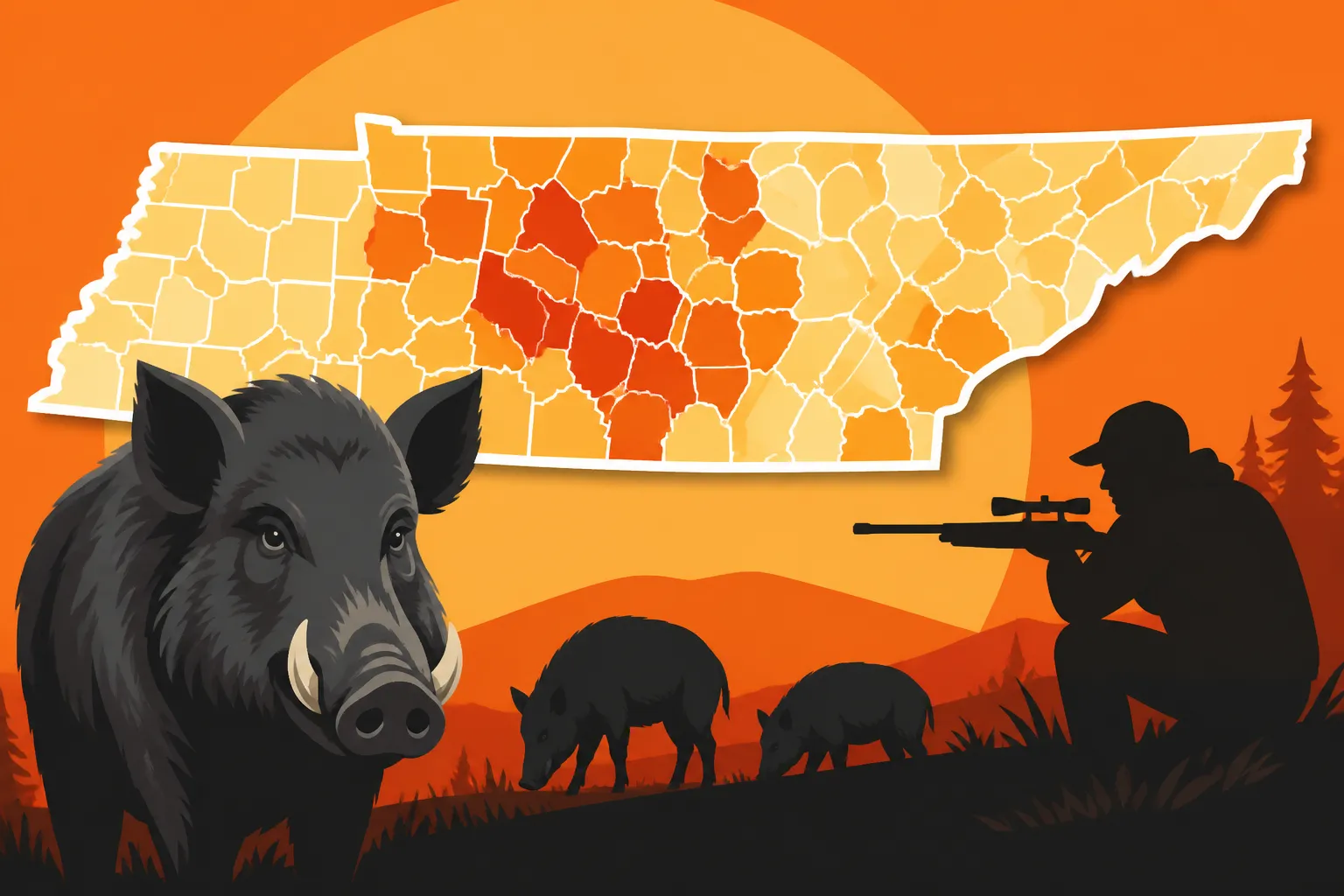
Which Tennessee Counties Have the Most Hogs
If you've spent any time at all outdoors in Tennessee, especially in agricultural areas or near our abundant river systems, you've likely encountered the pervasive, destructive force that is the wild hog. These aren't just a nuisance; they're a legitimate threat to crops, native wildlife habitats, and even our deer and turkey populations, leaving hunters and landowners alike constantly asking: "Just which Tennessee counties are being hit the hardest, and where can I expect to find the most hog activity?" This guide will dive deep into the hotspots across the state, examining the factors that draw hogs to certain areas and how you can identify high-probability locations yourself.
Understanding the Wild Hog Problem in Tennessee
Wild hogs, also known as feral swine, are an unwelcome, invasive species in Tennessee, and their presence has steadily grown into a significant challenge for wildlife managers, farmers, and hunters. Unlike native species that fit into the ecological puzzle, wild hogs are like a bull in a china shop – they tear up everything in their path, and they breed at an astonishing rate, making them incredibly difficult to control.
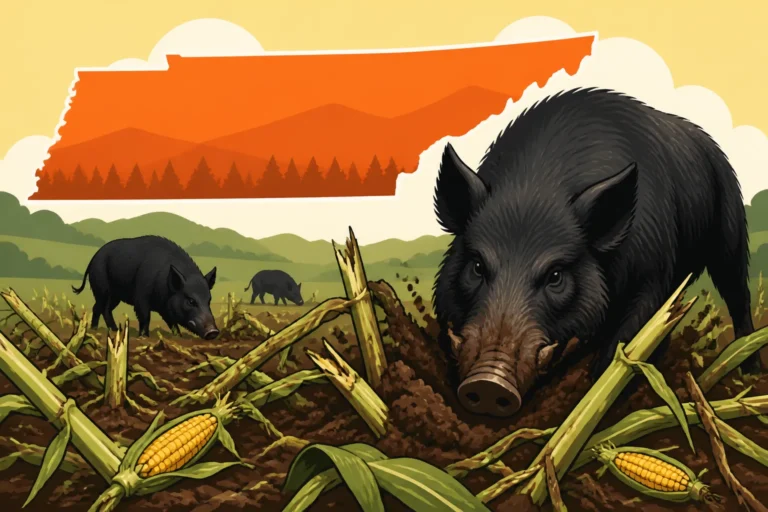
Imagine a farmer waking up to find his freshly planted cornfield looking like a rototiller went through it overnight, or a hunter discovering a pristine oak flat, usually teeming with deer sign, now a barren wasteland of churned earth and destroyed mast. This isn't an exaggeration; it's a common reality where wild hogs roam. Their insatiable rooting behavior damages critical wildlife food sources, destroys agricultural fields, and can even compromise infrastructure like levees and fences. They're also vectors for various diseases, some of which can be passed to livestock and even humans. The frustration among those who deal with them daily is palpable. You might wonder why these animals are such a menace, and the simple truth is their biology is perfectly designed for destruction and rapid expansion. They have no natural predators to speak of in Tennessee, and their breeding cycle is incredibly efficient, with sows often having two litters a year, each with multiple piglets that are ready to breed themselves in a matter of months. It's a compounding problem that never seems to slow down, making it abundantly clear Why Hogs Are Hard to Eliminate in Tennessee.
Identifying Key Counties for Wild Hog Activity
When it comes to pinpointing the counties with the most wild hog activity, it's less about a static list and more about understanding the environmental conditions that allow these animals to thrive. However, based on years of observations, reports from landowners, and the natural landscape of our state, we can certainly highlight regions and specific types of counties where hog encounters are far more likely.
Historically, and still predominantly today, West Tennessee's river bottoms, particularly those along the Mississippi River and its major tributaries like the Obion, Forked Deer, and Hatchie Rivers, are absolute strongholds for wild hogs. The combination of vast agricultural fields (a constant food source), dense bottomland hardwoods, and an abundance of water creates ideal habitat. Counties like Obion, Dyer, Lauderdale, Tipton, Haywood, and Fayette often see significant hog populations. These areas are rich in the resources hogs need to survive and multiply. They can hide in thick cover during the day, root up fields at night, and always have water close by.
As you move east, particularly into Middle Tennessee, the situation becomes more nuanced. While not as uniformly infested as parts of West Tennessee, counties with large tracts of undeveloped land, extensive creek drainages, and mixed agriculture often report considerable hog activity. Counties along the Cumberland River corridor, or those with significant karst topography offering plenty of underground hiding spots and dense cedar thickets, can have surprising pockets of hog populations. Anecdotal evidence suggests Feral Swine Sightings in Middle Tennessee are becoming more common, expanding from traditional rural areas into more suburban fringes as hog numbers push outwards.
On the Cumberland Plateau and into East Tennessee, the situation shifts again. While the mountainous terrain might seem less hospitable, hogs are incredibly adaptable. Here, they gravitate towards large blocks of public land like the Cherokee National Forest, where they can find sanctuary in remote hollows and thick timber. They also colonize areas with mixed timber and pasture, especially where landowners might not be actively managing for hogs. Counties like Fentress, Morgan, Scott, and even some in the foothills of the Smokies can have significant, albeit often localized, hog problems. The rugged landscape provides excellent cover, and even small patches of agricultural land or hard mast can sustain a sounder.
It's important to understand that How Wild Hogs Spread Across Tennessee often follows these river systems and agricultural corridors, using them as natural highways to expand their range.
Here's a general overview of hog activity by region and habitat type:
| Region | Primary Habitat Types | Likely Hog Activity | Example Counties (General) |
|---|---|---|---|
| West Tennessee | River bottoms, floodplains, vast agricultural fields, cypress swamps | High | Obion, Dyer, Lauderdale, Tipton, Haywood, Fayette |
| Middle Tennessee | Rolling hills, large creek drainages, mixed agriculture/timber, karst terrain | Moderate to High | Humphreys, Dickson, Montgomery, Hickman, Wayne |
| Cumberland Plateau | Dense timber, remote hollows, mixed agriculture/forest, steep terrain | Moderate | Fentress, Morgan, Scott, Cumberland, Van Buren |
| East Tennessee | Mountain foothills, Cherokee National Forest, river valleys, scattered agriculture | Low to Moderate | Polk, Monroe, McMinn, some areas near lakes |
This table is a general guide, and hog populations can be incredibly localized. A farmer just a few miles down the road from a hog-infested property might have never seen one, while another is battling them weekly.
Factors Contributing to High Hog Numbers in Certain Areas
Understanding why certain counties or even specific properties harbor more wild hogs goes beyond just looking at a map. It's about a confluence of factors that provide everything a hog needs to thrive: food, water, cover, and a lack of sustained pressure.
Abundant Food Sources
Wild hogs are opportunistic omnivores with a voracious appetite. They'll eat almost anything, but they absolutely thrive in areas with consistent, high-calorie food sources.
- Agricultural Land: This is perhaps the biggest draw. Fields of corn, soybeans, wheat, and peanuts are like an all-you-can-eat buffet. Hogs can root up newly planted seeds, eat ripening crops, and scavenge leftovers after harvest. The sheer volume of food available in agricultural counties allows populations to explode. Crop Damage Hogs Cause in Tennessee is a major economic issue for farmers, and a direct indicator of hog presence.
- Natural Mast: Acorns, hickory nuts, and other hard mast provide crucial seasonal food. Areas with extensive oak and hickory forests, especially those with consistent mast crops, can support large hog populations during the fall and winter.
- Rooting and Foraging: Hogs will also dig for roots, tubers, grubs, and fungi. Their constant rooting disturbs the soil, compacts it, and destroys undergrowth, altering the ecosystem in fundamental ways.
Proximity to Water Sources
Hogs need water not just for drinking, but also for wallowing. Wallowing in mud helps them cool down, sheds parasites, and protects their skin from insects and sunburn.
- River Bottoms and Floodplains: As mentioned, these are prime hog habitats. The Mississippi, Tennessee, Cumberland, and their countless tributaries offer perennial water and often create areas of dense, impenetrable cover that are perfect for hogs.
- Creeks, Ponds, and Swamps: Even smaller water features can sustain hogs. Areas with numerous small creeks, wet weather springs, or swampy lowlands provide essential hydration and wallows.
Dense Cover and Remote Sanctuary
Hogs are masters of camouflage and avoiding detection. They prefer areas where they can retreat into thick cover during the day and venture out under the cloak of darkness.
- Thick Brush and Undergrowth: Clear-cuts, regenerating timber stands, dense cedar thickets, and overgrown fencerows all offer excellent hiding spots. These areas are often difficult for humans to penetrate, providing hogs with a sense of security.
- Large Blocks of Public or Undeveloped Land: Remote sections of public hunting areas like the Cherokee National Forest, or large private tracts with limited access, serve as critical refuges. Hogs can escape hunting pressure and move freely in these areas.
- Swamps and Wetlands: The dense vegetation and often difficult terrain of swamps provide ideal, undisturbed bedding areas.
Lack of Consistent, Targeted Pressure
While deer and turkey hunting are popular in Tennessee, dedicated wild hog hunting hasn't always been as widespread or consistently applied across all areas.
- Opportunity Hunters: Many hunters will take a hog if they see one while deer hunting, but they aren't specifically targeting them. This sporadic pressure isn't enough to control populations.
- Restricted Methods: Some areas might have regulations that limit the methods used to hunt hogs (e.g., no night hunting, no trapping on public land), making control more challenging.
- Private Land Access: Gaining access to private lands where hogs are most destructive can be difficult for hunters, leaving many populations unaddressed.
The combination of these elements—ample food, constant water, dense cover, and inconsistent hunting pressure—creates the perfect storm for wild hog populations to explode and persist in specific Tennessee counties.
How Hunters Can Identify High-Probability Areas
Even without a definitive map of every hog in Tennessee, hunters can become more adept at identifying high-probability areas for these elusive animals. This involves smart scouting, understanding hog behavior, and leveraging modern tools.
Scouting for Tell-Tale Signs
Hogs leave unmistakable evidence of their presence. Learning to recognize these signs is your first step.
- Rooting: This is the most obvious sign. Hogs use their powerful snouts to dig up soil, searching for roots, tubers, and insects. Look for areas of freshly churned earth, often in patterns that look like someone took a small plow through the ground. This is especially prevalent near food sources like agricultural fields or under mast-producing trees.
- Wallows: Muddy depressions where hogs have rolled and cooled off. These are typically found near water sources like creek banks, pond edges, or swampy areas. You might see impressions of their bodies in the mud.
- Tracks: Wild hog tracks are similar to deer tracks but generally rounder and broader, with splayed toes. Often, the dew claws will show prominently, especially in soft ground. Reading Tennessee Mud for Fresh Deer Movement can also help you differentiate hog tracks from deer.
- Rubs: Hogs will rub against trees, fence posts, or anything sturdy to remove mud and parasites. Look for mud smears and bristles left on trees, often below knee height.
- Scat: While less distinctive than rooting, hog scat can vary widely depending on their diet but often appears in larger piles than deer droppings.
Leveraging Technology for Scouting and Planning
In today's hunting world, digital mapping tools are invaluable for identifying potential hog hotspots before you even set foot in the woods. Platforms like GoHunt offer detailed satellite imagery, topographic maps, and public/private land boundary layers that can help you piece together the puzzle.
- Identify Water Sources and Drainage: Use the map layers to pinpoint every creek, river, pond, and swamp. Trace these water features, as they often serve as hog travel corridors and bedding areas.
- Locate Agricultural Fields: Overlay property lines with satellite imagery to find active crop fields. Hogs will often bed in nearby timber or thickets and venture into these fields at night.
- Find Dense Cover: Look for areas of recent timber cuts, young pine plantations, or bottomland hardwoods with thick understory. These provide the sanctuary hogs need.
- Public vs. Private Land: Determine public access points and analyze pressure. On public land, hogs might retreat to less accessible, thicker areas. On private land, areas bordering public lands can be hotspots as hogs move back and forth. Scouting Tennessee Public Land Before Season becomes much more efficient with these tools.
Understanding Hog Movement Patterns
Hogs are creatures of habit but can also adapt quickly to pressure.
- Nocturnal Activity: While hogs can be active during the day, especially in remote areas with low pressure, they are often most active from dusk till dawn, particularly when feeding in open fields.
- Seasonal Shifts: Their movements can shift with food availability. During fall, they might be concentrated in oak flats feeding on acorns. In spring and summer, they might gravitate towards ripening crops.
- Response to Pressure: If an area is being heavily hunted for deer or turkeys, hogs will quickly learn to become more nocturnal and retreat into the thickest, most impenetrable cover available.
By combining on-the-ground scouting for fresh sign with detailed digital map analysis, you can significantly increase your odds of finding areas with higher hog concentrations. Remember, Hunting Wild Hogs Alongside Deer Season is often an option, and the more you learn about their habits, the more successful you'll be at helping manage this invasive species. Before planning a trip, always check the current Tennessee Wildlife Resources Agency (TWRA) regulations regarding Tennessee Hog Hunting Permit Requirements and methods, as these can change.
Disclaimer
This article is for general informational purposes only and does not constitute professional advice. Laws, prices and regulations vary by location and change over time. Consult a qualified professional for guidance on your specific situation.