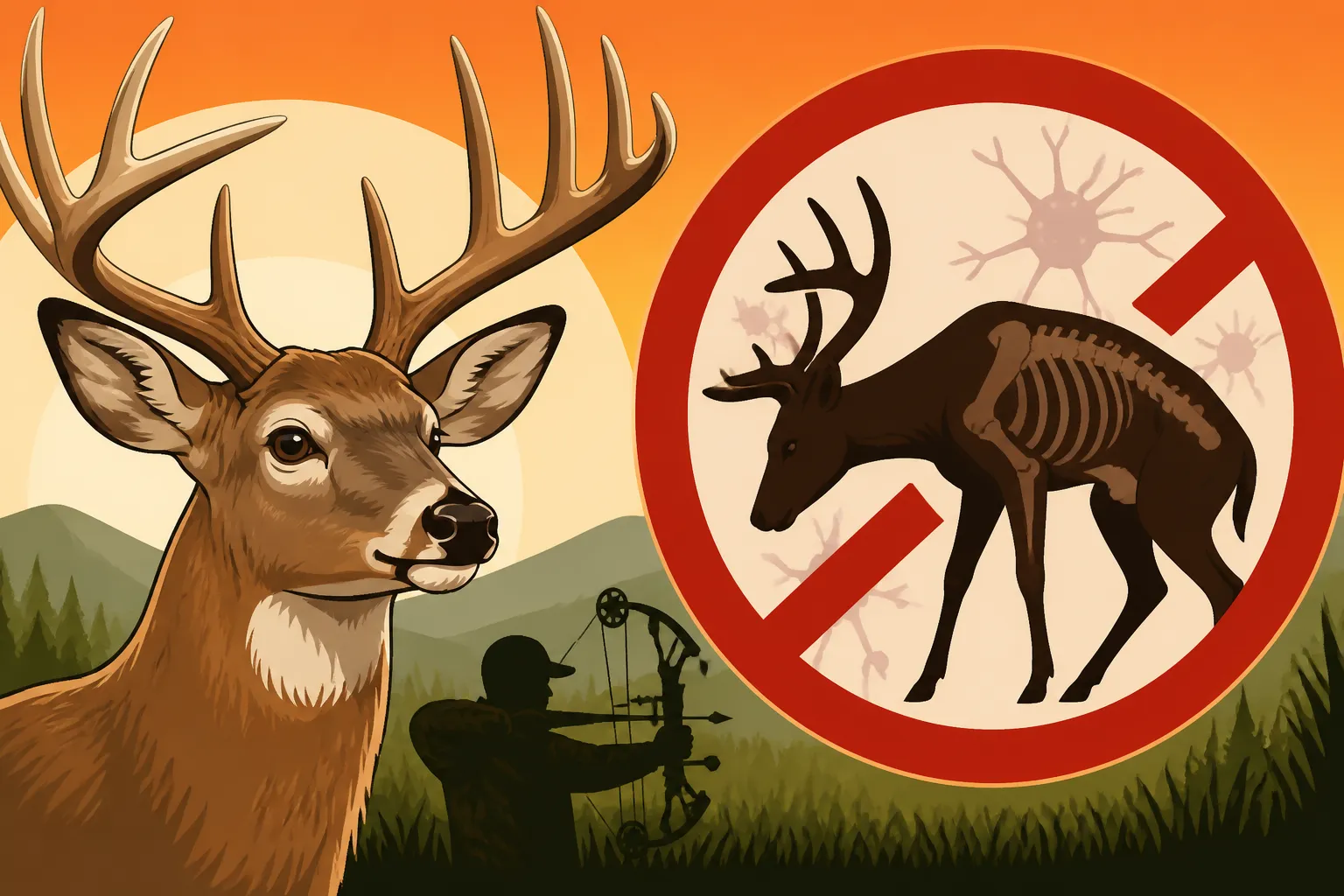
Chronic Wasting Disease in Tennessee Deer
There’s a quiet concern that weighs on the minds of many Tennessee deer hunters, a shadow cast over our cherished tradition: Chronic Wasting Disease (CWD). It's disheartening to think of a silent, progressive illness impacting our beloved whitetail herds, especially when hunting is so much more than just a pastime for us; it’s a connection to the land, a way to provide for our families, and a cornerstone of our heritage. CWD has brought with it confusion, new regulations, and understandable frustration. This comprehensive guide aims to cut through the noise, explaining exactly what CWD is, how it has impacted Tennessee, and most importantly, what steps every hunter can take to navigate this challenge and help protect the future of our deer.
What is Chronic Wasting Disease CWD?
Chronic Wasting Disease (CWD) is a devastating neurological disease that affects cervids, the deer family, including whitetail deer, elk, moose, and mule deer. It's not caused by a bacteria or a virus in the traditional sense, which makes it particularly challenging to understand and combat. Instead, CWD is caused by abnormal proteins called prions, which are incredibly resilient and can persist in the environment for years. These prions essentially corrupt normal proteins in the animal's brain, leading to a slow, irreversible decline.
Prion Disease Explained
To really grasp CWD, we need to talk about prions. Think of them like tiny, misfolded proteins. Every living thing has normal proteins, and they do essential jobs in the body. But for reasons not fully understood, sometimes these proteins can fold incorrectly. Once one goes rogue, it can act like a template, causing other normal proteins to also misfold. This creates a chain reaction, and these abnormal prions accumulate, especially in the brain and spinal cord, creating spongy holes and severe damage. It's a slow burn, but once it starts, there's no stopping it in the infected animal.
Unlike typical diseases, prions aren't destroyed by cooking, freezing, or even many disinfectants. They're incredibly tough, and this resistance is what makes CWD so concerning for wildlife managers and hunters alike. When an infected deer dies, these prions can persist in the soil, plants, and even water, becoming a source of infection for other deer for an extended period. This environmental persistence means that once CWD is established in an area, it’s exceptionally difficult, if not impossible, to eradicate, turning it into a long-term management challenge.
Symptoms and Progression in Deer
Spotting a deer infected with CWD in the early stages is nearly impossible because the disease progresses slowly, sometimes taking months or even years before obvious symptoms appear. This long incubation period is a significant part of the problem, as an infected animal can be spreading prions into the environment long before it looks sick. This silent spread makes early detection a real uphill battle for wildlife agencies and hunters. Many deer harvested in CWD-positive areas may appear perfectly healthy, underscoring the importance of testing.
As the disease progresses, the symptoms become more apparent and often heartbreaking to witness. Infected deer will typically show signs of emaciation, earning the name "wasting" disease, as they lose weight rapidly despite eating. They might exhibit drooling, excessive thirst and urination, and a noticeable change in behavior, such as a lack of fear of humans or stumbling. Their ears may droop, and they might have difficulty swallowing. Unfortunately, these symptoms eventually lead to paralysis, pneumonia, and ultimately, death. Any deer showing these signs should be reported immediately to the Tennessee Wildlife Resources Agency (TWRA) to help track the disease.
The Arrival and Spread of CWD in Tennessee
For years, wildlife agencies in Tennessee watched CWD spread across the country, hoping it wouldn't reach our state. We all knew it was a possibility, but when it finally arrived, it still hit hard. Understanding how it got here and how it continues to move is crucial for grasping the scale of the challenge we face as hunters and conservationists. It's a sobering reminder of how interconnected our wildlife populations are.
First Detections and Affected Counties
Tennessee's battle with CWD officially began in late 2018 when the first positive case was confirmed in a deer harvested in Fayette County. This was a stark wake-up call, immediately putting West Tennessee on the front lines of the disease. Since then, the number of confirmed cases and affected counties has steadily increased, primarily expanding from that initial hotspot. The TWRA has done an incredible job with surveillance, setting up CWD sampling stations and actively testing deer to monitor the spread.
The initial cases quickly led to the designation of Tennessee's Chronic Wasting Disease Management Zone, encompassing several counties in West and parts of Middle Tennessee. This zone has continued to expand as new cases are detected, highlighting the insidious nature of the disease. Areas like McNairy, Hardeman, and Lauderdale counties were some of the early additions, and the geographical reach has unfortunately extended further east, bringing new challenges to different regions. Each new positive county brings with it revised regulations and increased vigilance from both the TWRA and local hunters.
How CWD Moves Across the Landscape
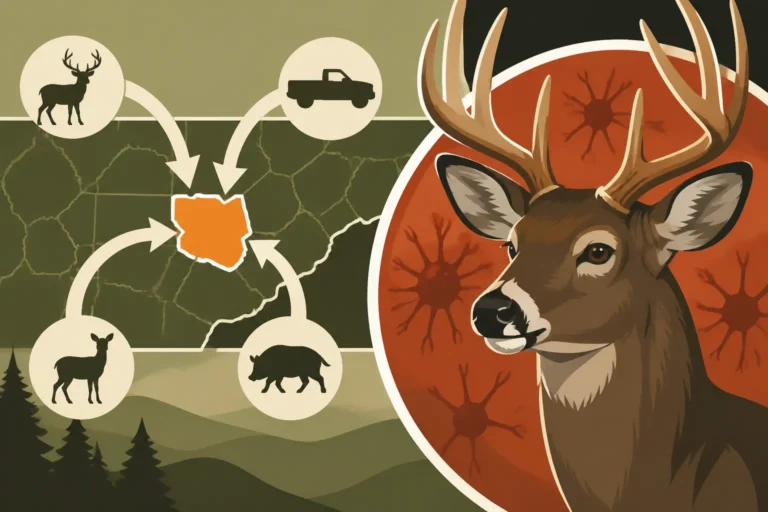
CWD primarily spreads through direct animal-to-animal contact, meaning close interactions between infected and healthy deer. This is particularly problematic in areas where deer congregate, such as at bait sites or food plots, which can inadvertently become hotspots for transmission. The prions are shed through saliva, urine, and feces, making any shared resource a potential vector. Hunters often wonder, Why CWD Keeps Spreading East in Tennessee, and the answer lies in a combination of deer movement and human activity.
However, a significant factor in CWD's spread, and one that hunters can directly influence, is the movement of infected carcasses or parts. Transporting a deer harvested in a CWD-positive area to a clean area, especially if brain or spinal cord material is still present, can introduce prions to an entirely new location. This is why strict carcass movement restrictions are in place within the CWD management zones. Additionally, research suggests that prions can bind to soil and plant material, remaining infectious in the environment for years, which means a CWD hotspot can continue to pose a risk long after an infected deer is gone.
Tennessee's CWD Management Zones and Regulations
When CWD arrives, it brings with it a whole new rulebook for hunters, and navigating these changes can feel overwhelming. The TWRA has implemented specific management zones and regulations designed to slow the spread of the disease, protect the herd, and allow hunting to continue safely. It's essential for every hunter to understand these rules, as they directly impact how and where we hunt. You can also often find the latest zone maps and regulations through platforms like GoHunt, which can help you stay informed on critical updates.
CWD Positive and High-Risk Zones
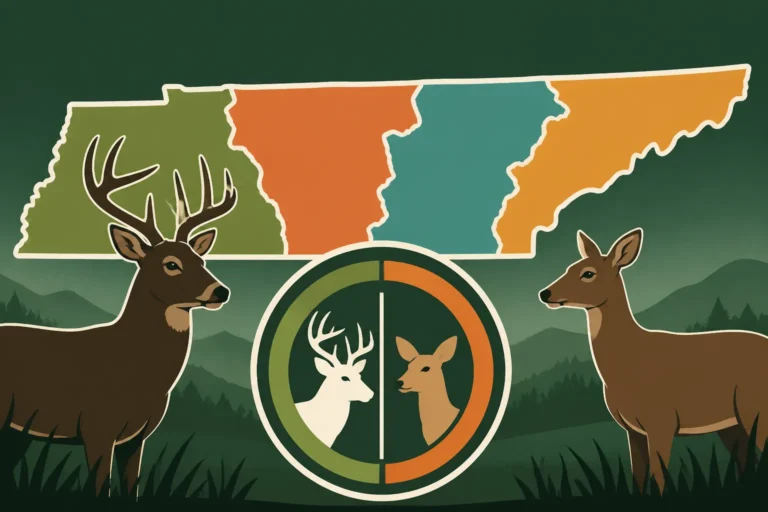
Tennessee's CWD management strategy involves designating specific counties into different zones based on the prevalence of the disease. These are typically categorized into CWD-Positive Zones and CWD-High-Risk Zones. A CWD-Positive Zone is a county where CWD has been confirmed in deer. Adjacent counties that share borders with a CWD-Positive county or are otherwise deemed at high risk for disease introduction become CWD-High-Risk Zones. The distinction between these zones dictates specific regulations regarding carcass movement, feeding, and CWD testing protocols.
For hunters, this means you absolutely must know which zone you are hunting in before you head to the woods. The TWRA updates these zones regularly, and what was a High-Risk Zone last year might now be a Positive Zone. This information is readily available on the TWRA website and through their Go Outdoors Tennessee app. Always check the latest maps and guidelines, especially if you're hunting near the edges of these zones, as the rules can be different just a county away. Being informed is the first step in responsible hunting in the age of CWD.
Carcass Movement Restrictions and Deboning Rules
One of the most critical regulations implemented in Tennessee's CWD zones concerns carcass movement. To prevent hunters from inadvertently spreading CWD prions to new areas, there are strict rules about what parts of a deer can be transported out of a CWD-Positive or High-Risk Zone. Generally, whole carcasses are prohibited from leaving these zones. This means if you harvest a deer in a CWD-positive county, you cannot just throw it in the back of your truck and drive it home to a county outside the zone to process it.
Instead, hunters are required to follow Tennessee Carcass Deboning Requirements. This typically means that only deboned meat, clean skull plates (antlers attached to a clean skull plate with no brain tissue), clean hides, and teeth can be transported out of the CWD management zone. The skull cap can be taken out if the brain matter is completely removed. This policy is designed to ensure that materials with high concentrations of prions—like brain, spinal cord, and lymph nodes—remain within the affected zone. Many hunters now opt for the "gutless method" in the field to minimize carcass handling and reduce the risk of spreading anything.
Earn-a-Buck Program and Bonus Tags
In some of Tennessee's CWD management zones, the TWRA has implemented special harvest incentives, such as the "Earn-a-Buck" program, to encourage increased antlerless deer harvest. The logic behind this is that higher deer densities can facilitate CWD transmission through increased deer-to-deer contact. By reducing the overall deer population, particularly does, wildlife managers hope to slow the spread of the disease. This is a direct tool to help with Tennessee's Earn-a-Buck CWD Program.
The Earn-a-Buck program allows hunters to earn an additional antlered deer tag by harvesting a certain number of antlerless deer first within specific CWD management units. This can be a valuable tool for herd management and provides hunters with more opportunities. Additionally, in many CWD-affected counties, hunters may be eligible for bonus antlerless tags or have expanded antlerless harvest opportunities, often without limit, beyond what's typically allowed in other DMUs. This is a significant shift from traditional deer management and underscores the urgency of controlling deer populations in these critical zones.
CWD Testing for Hunters: Why and How
When CWD is in the picture, your role as a hunter extends beyond just ethical harvesting; it includes active participation in disease surveillance. CWD testing is not just a suggestion; it's a vital component of the TWRA's management strategy. It provides crucial data on the prevalence and geographic spread of the disease, guiding future regulations and conservation efforts.
Importance of Hunter Cooperation
The success of CWD management efforts in Tennessee hinges heavily on hunter cooperation. Every deer harvested in a CWD-affected area is a potential data point. By submitting your deer for testing, you are providing invaluable information to wildlife biologists, helping them understand where the disease is, how common it is, and whether it's spreading. Without this data, the TWRA would be operating blind, making effective management nearly impossible. It's a fundamental responsibility we share as stewards of our wildlife resources.
Think of it this way: each test submitted helps draw a clearer map of the disease, allowing the TWRA to make informed decisions about herd management, season structures, and public education. It also helps track the Tennessee Deer Population Estimate as it relates to disease prevalence. This collective effort ensures that while we continue to hunt, we're also contributing to the health and sustainability of the herd for future generations. It's an inconvenience, yes, but a necessary one to protect the very resource we cherish.
Finding Sampling Stations and Submitting Samples
The TWRA has made significant efforts to make CWD testing as accessible as possible for hunters in affected counties. They set up numerous CWD sampling stations, particularly during the peak deer hunting seasons. These stations can range from staffed check stations where TWRA personnel collect samples to unstaffed drop-off locations with clear instructions. Knowing Tennessee CWD Testing for Hunters is a core responsibility. Many private processors in CWD zones also partner with the TWRA to collect samples from deer brought in for processing.
The process is generally straightforward: after harvesting your deer, you simply take the head (or the specific part requested for sampling) to a designated station. At staffed stations, TWRA staff will take the necessary tissue samples, typically from the lymph nodes, and provide you with a unique identification number to track your results. For unstaffed stations, you’ll usually find instructions on how to take the sample yourself or how to deposit the head for later collection. Results are usually available online within a few weeks. It's a good practice to check the TWRA website or use a reliable hunting app like GoHunt for the most up-to-date map of sampling stations before you head out.
| CWD Zone Type | Carcass Movement Out of Zone | Mandatory Testing | Earn-a-Buck Program | Bonus Antlerless Tags |
|---|---|---|---|---|
| CWD Positive Zone | Deboned meat, clean skull plate, hide, teeth ONLY | Often required/highly encouraged for specific periods/counties | Potentially active | Yes, increased opportunities |
| CWD High-Risk Zone | Deboned meat, clean skull plate, hide, teeth ONLY | Highly encouraged | Potentially active | Yes, increased opportunities |
| Non-CWD Zone | Whole carcass permitted | Not required | No | Standard DMU limits |
Note: Regulations are subject to change. Always check the official TWRA website for the most current rules and zone maps.
Impacts of CWD on Tennessee's Deer Herd and Hunting
The presence of CWD isn't just about new rules; it has profound ecological and recreational impacts that resonate throughout the Tennessee hunting community. It's a complex challenge that affects not only the health of our deer but also the very fabric of our hunting seasons and traditions.
Population Declines and Herd Health
One of the most significant concerns with CWD is its potential to cause long-term population declines in deer herds. While initial impacts might be subtle, as the disease prevalence increases in an area, studies from other states have shown noticeable reductions in deer numbers. This isn't just about individual deer dying; it's about the cumulative effect on herd productivity, fawn survival, and the overall age structure of the population. A less healthy herd is also more susceptible to other diseases and environmental stressors, creating a compounding negative effect.
Beyond outright mortality, CWD compromises the overall health and vigor of the herd. Infected deer often struggle to breed, are more vulnerable to predators, and simply don't thrive. This can lead to a domino effect throughout the ecosystem. While Tennessee is relatively early in its CWD journey compared to some Western states, the TWRA is actively monitoring Tennessee Deer Population Estimate and implementing strategies to mitigate these potential long-term impacts, emphasizing selective harvest and aggressive management in affected areas.
Changes to Hunting Seasons and Regulations
The arrival of CWD has necessitated significant adjustments to Tennessee's deer hunting seasons and regulations. These changes are not arbitrary; they are carefully considered tools aimed at controlling the disease's spread and managing its impact. This means hunters in CWD zones might see differences in bag limits, season lengths, and even legal methods of take compared to hunters in non-CWD counties.
For example, beyond the carcass movement rules, some CWD-affected areas might have extended antlerless seasons or increased daily bag limits for does to help reduce deer density. In some cases, specific public lands within CWD zones may have unique regulations or require special permits. Understanding Tennessee Deer Season Structure Explained is more critical than ever, as it can vary significantly from one county to another. These adjustments can sometimes lead to frustration, especially for those accustomed to long-standing traditions, but they are a necessary part of adapting to this new reality in wildlife management.
The Future of Deer Management
CWD is fundamentally reshaping the future of deer management in Tennessee. The focus has shifted from simply maximizing deer populations to a more nuanced approach that prioritizes herd health and disease surveillance. This means ongoing research into CWD, continuous monitoring of its spread, and adaptive management strategies that can evolve as we learn more about the disease. It's a marathon, not a sprint.
The TWRA is working closely with researchers and other state agencies to develop the most effective strategies to slow CWD's progression. This might involve long-term changes to hunting regulations, habitat management tailored to reduce deer densities in specific areas, and even exploring potential future technologies for detection or mitigation. The goal is to sustain a healthy, huntable deer population in Tennessee despite the challenges posed by CWD, ensuring that future generations can still experience the joy of Bowhunting Tennessee's Long Archery Season and other cherished traditions.
Protecting Yourself and the Herd: Best Practices for Hunters
As hunters, we are the front-line conservationists. Our actions in the field directly impact the health of the deer herd and the environment. When it comes to CWD, adopting best practices isn't just about following the rules; it's about being a responsible steward and actively contributing to the solution.
Minimizing Transmission Risks
One of the most proactive things hunters can do is to minimize the potential for CWD transmission. A significant contributor to spread is the congregation of deer at artificial feed or bait sites. While baiting has been a long-standing practice for some, it inadvertently brings deer into unnaturally close contact, increasing the likelihood of nose-to-nose transmission of prions. The TWRA has implemented specific bans on feeding and baiting in CWD-positive and high-risk zones for this very reason.
Beyond baiting, other practices can help. Consider rotating treestand locations to prevent excessive deer congregation in one spot. Avoid using mineral blocks or attractants in CWD zones that can draw deer repeatedly to the same patch of ground, where prions might persist. When field dressing, be mindful of where you leave gut piles, especially if you've harvested a deer in a CWD-positive area. While not a primary vector, it's always wise to dispose of carcass remains responsibly and according to TWRA guidelines to avoid unnecessary environmental contamination.
Safe Handling and Consumption of Venison
A common question and a valid concern for hunters is the safety of consuming venison from CWD-positive areas. While there have been no confirmed cases of CWD jumping to humans, health organizations like the Centers for Disease Control and Prevention (CDC) advise extreme caution. Their recommendation is simple and clear: do not eat meat from animals that have tested positive for CWD. This is a critical guideline that every hunter should follow.
When processing deer, especially in CWD zones, always wear gloves. Avoid handling brain or spinal cord tissue. Use dedicated knives and cutting surfaces for game processing, and thoroughly clean and sanitize all equipment afterward. For those who hunt outside of CWD zones but might travel through them, remember the Tennessee Carcass Deboning Requirements to prevent any accidental spread. If you harvest a deer in a CWD-positive area, submitting it for testing is the responsible choice, and waiting for the results before consuming the meat provides peace of mind.
The Role of Responsible Baiting and Feeding
The issue of baiting and feeding deer is a contentious one, but in the context of CWD, the science is clear: concentrating deer at artificial feed sites increases the risk of disease transmission. This is why the TWRA has banned these practices in CWD-positive and high-risk zones. While many hunters use supplemental feeding with good intentions, hoping to improve herd health or draw deer, the potential for disease spread far outweighs any perceived benefits when CWD is present.
Even outside of CWD zones, responsible practices are encouraged. If you choose to bait or feed where it's legal, consider doing so sparingly or using methods that don't force deer into extreme proximity. Understand that even if your county isn't currently CWD-positive, minimizing congregation is a proactive step. Educating yourself on Reading Aerial Photos for Cumberland Plateau Deer to find natural food sources can be a great alternative, reducing the need for artificial attractants. Ultimately, the goal is to promote a healthy, naturally distributed deer population, which is more resilient to disease.
Dispelling Myths and Misconceptions About CWD
In the age of information, or often, misinformation, it's easy for rumors and incorrect theories to circulate about CWD. As responsible hunters, it's crucial to rely on scientific facts and information from trusted sources like the TWRA, not anecdotes or social media chatter. Dispelling these myths helps us all approach CWD with a clear head and take effective action.
CWD and Human Health Risks
Perhaps the biggest myth surrounding CWD is the claim that it's definitively transmissible to humans, often leading to sensationalized fears. While research continues, and caution is absolutely warranted, there have been no confirmed cases of CWD causing disease in humans. The Centers for Disease Control and Prevention (CDC) and other public health agencies actively monitor the situation, and their current stance is that there is no direct evidence of human transmission.
However, this doesn't mean there's no risk or that we should be complacent. The recommendation to avoid consuming meat from CWD-positive animals is a prudent public health measure. Prion diseases, like Creutzfeldt-Jakob disease in humans, are rare but serious, and the scientific community remains vigilant. So, while you won't hear about widespread human CWD infections, caution, testing, and avoiding infected meat are the responsible actions to take based on the best available science.
Effectiveness of Management Strategies
Another common misconception is that CWD management strategies, particularly those involving increased harvest of antlerless deer or carcass restrictions, are ineffective or simply bureaucratic hurdles. This couldn't be further from the truth. While CWD is incredibly difficult to eradicate, management strategies are designed to slow its spread, reduce its prevalence, and minimize its impact on the deer herd. These strategies are based on scientific understanding of prion diseases and population dynamics.
For example, reducing overall deer density in CWD zones, especially does, can decrease the rate of deer-to-deer contact, thereby slowing transmission. Carcass restrictions are directly aimed at preventing human-assisted spread of prions to new areas. While these measures might not eliminate CWD entirely, they are our best tools for mitigating its destructive potential and preserving a healthy deer population for the long term. Hunter participation in these strategies, by following regulations and submitting deer for testing, is paramount to their success.
The Long-Term Outlook for CWD in Tennessee
Dealing with CWD is a long-term commitment, not a short-term problem that will simply disappear. The outlook for Tennessee's deer herd, and for hunting in the state, will depend heavily on sustained efforts from wildlife managers, researchers, and, critically, from every hunter who steps into the woods.
Research and Monitoring Efforts
The TWRA, in collaboration with universities and federal agencies, is continually engaged in research and monitoring efforts to better understand CWD in Tennessee. This includes tracking the disease's progression, studying its impact on deer populations, and investigating new methods for detection and management. Every deer sampled and every data point collected contributes to this ongoing scientific endeavor. This work is foundational to making informed decisions about the future.
This research isn't just about identifying sick deer; it's about understanding the nuances of how prions behave in different environments, how various deer populations respond, and what management tools might be most effective in the long run. The TWRA utilizes these findings to adapt regulations and public outreach, ensuring that our approach to CWD remains dynamic and scientifically sound. For hunters, keeping an eye on the latest TWRA updates, perhaps through their GoHunt app features for regulations, ensures you’re always operating with the most current information.
Adaptation and Living with CWD
The harsh reality is that CWD is likely here to stay in some parts of Tennessee. This means that instead of hoping for its eradication, we must adapt and learn to live with the disease. This adaptation involves a fundamental shift in how we approach deer hunting and management. It emphasizes vigilance, responsibility, and a willingness to embrace new practices.
For hunters, this means making CWD awareness a permanent part of your hunting routine, from checking zone maps before you leave home to submitting your deer for testing. It means understanding and adhering to carcass movement restrictions, even if it adds a little extra work. It's about being proactive in minimizing transmission risks and educating fellow hunters. Our ability to sustain healthy White-Tailed Deer Across Tennessee and continue our hunting traditions depends on our collective commitment to adapting to this challenge and safeguarding the resource for the future.
Disclaimer
This article provides general information regarding Chronic Wasting Disease in Tennessee. Hunting regulations, CWD zones, and testing requirements are subject to change. Always consult the official Tennessee Wildlife Resources Agency (TWRA) website or official publications for the most current and accurate information before hunting. The information provided herein is not a substitute for professional veterinary advice.