Bear Encounters Around Smoky Mountain Cabins
There's a unique thrill that comes with renting a cozy cabin nestled in the Smoky Mountains – the crisp air, the stunning views, and the undeniable sense of being close to nature. But for many, that closeness to nature brings a hidden anxiety: the thought of a bear encounter right outside their door, or even worse, inside the cabin. It’s a very real concern for folks enjoying a peaceful retreat, and this guide is here to walk you through exactly why these encounters happen and, more importantly, how you can prevent them and react safely if one occurs.
Understanding Why Bears are Drawn to Cabins
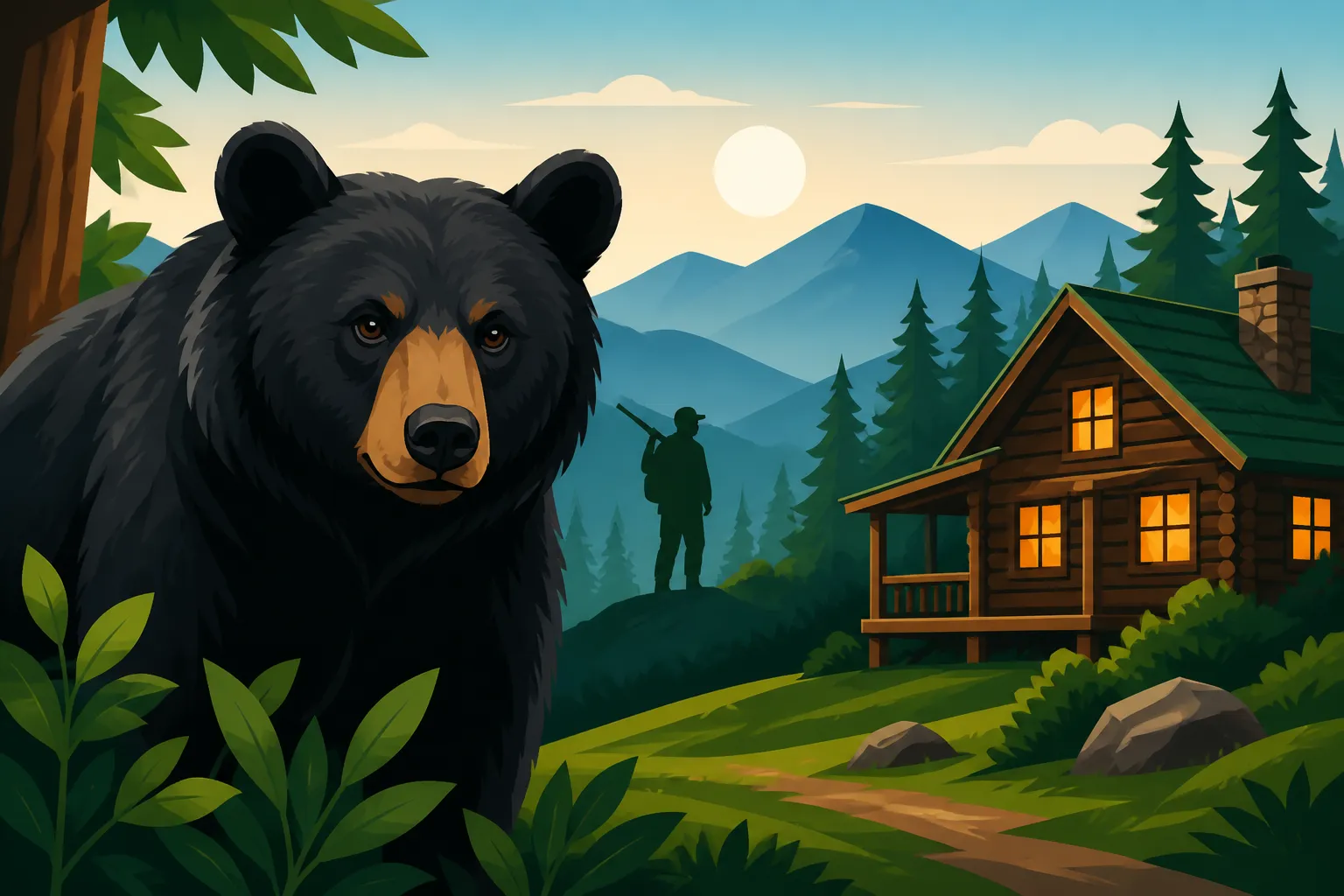
It's easy to romanticize the idea of seeing a bear in its natural habitat, but when that habitat starts overlapping with your vacation rental, things get a little more complicated. The truth is, bears in areas like the Great Smoky Mountains National Park and surrounding regions have become incredibly comfortable around people and our structures, often due to behaviors that we, as humans, inadvertently teach them.
The Allure of Easy Food Sources
Let's be honest, who doesn't love a free meal? Bears are no different. They are incredibly smart and driven by their stomachs. When a bear discovers an easy, high-calorie food source, they'll remember it and return repeatedly. This isn't about malice; it's about survival for them.
Think about what's often left around cabins: overflowing trash cans, uneaten pet food on the porch, bird feeders dripping with seeds, and even those delicious grill grates still caked with last night's barbecue residue. To a bear, these aren't scraps; they're an open buffet. A forgotten bag of groceries left in an unlocked car, a cooler left on the deck, or even a picnic basket after a day out can all signal "food here!" for a passing bear. It's a sad reality that a lot of human-bear conflict stems directly from bears associating humans and their dwellings with easy food. This often starts a cycle where bears become habituated, leading them to be bolder and less fearful, which can be dangerous for both the bear and humans.
The Habitat Overlap: Where Mountains Meet Human Development
The Smoky Mountains are iconic, and naturally, people want to build cabins and communities there. The problem is, these developments don't exist in a vacuum. They're often built directly within, or adjacent to, prime bear habitat. The areas that offer stunning mountain views and serene isolation for humans are often the very same areas bears have roamed for generations, foraging for acorns, berries, and other natural foods.
As more cabins and tourist attractions spring up, the bears’ natural foraging grounds shrink and become fragmented. This forces them closer to human habitation in their search for food. When a bear's natural food sources are abundant, they might be less likely to seek out human food. However, during leaner times, or simply out of sheer curiosity, they'll explore. This overlap means that what we consider "our space" is still very much "their space" as well, and understanding this co-existence is crucial. If you're wondering about the sheer number of these magnificent creatures, it's worth reading up on How Many Black Bears Tennessee Has to appreciate the population density in these regions.
Human Behavior and Unintentional Conditioning
We, as humans, are often the biggest culprits in creating problem bears. It’s rarely intentional, but the impact is profound. Every time a bear gets a reward (food) from a human-related source, it reinforces the behavior. A bear that learns to open an unsecured trash can will keep doing it. A bear that gets into an unlocked car for a snack will try other cars. This is called "conditioning," and it's incredibly hard to reverse.
It's not just deliberate feeding, which is always a bad idea and often illegal. It's the seemingly small things: leaving a back door open while you run inside for a moment, letting food odors linger around your cabin, or even placing your bird feeder too close to the porch. These actions teach bears that cabins and people are associated with easy food access, rather than being something to avoid. When bears become overly comfortable around people, it increases the risk of negative encounters, sometimes even leading to the bear being euthanized, which is a tragedy everyone wants to prevent. Education is key, and resources like GoHunt often provide valuable insights into wildlife behavior and responsible outdoor practices that extend beyond just hunting.
Practical Steps to Prevent Bear Encounters at Your Cabin
Preventing a bear encounter is far easier than dealing with one. It really comes down to consistently applying common-sense strategies and ensuring your cabin doesn't become an irresistible magnet for a hungry bear.
Securing Food and Waste
This is probably the single most important thing you can do. Bears have an incredible sense of smell, far superior to a dog's, and they're very persistent when they catch a whiff of something tasty.
First, trash management is paramount. If your cabin has bear-proof trash containers, use them exactly as instructed. Latch them, lock them, whatever the design requires. If it's just a standard bin, don't put trash out until the morning of pickup, if possible, or keep it stored securely in a garage or shed. Never leave bags of trash sitting on the porch or beside the house overnight. Even an empty soda can or a candy wrapper can carry enough scent to attract a bear.
Second, food storage. All human and pet food should be stored indoors, preferably in secure containers. Never leave food on porches, decks, or in unlocked vehicles. Coolers, even those heavy-duty ones, are usually no match for a determined bear. If you're grilling, clean the grill thoroughly after each use. Burn off all food residue, and if possible, store the grill indoors or in a secure shed. Grease traps are particular attractants, so empty and clean those as well. Imagine the lingering scent of barbecue ribs – that's a five-star meal invitation for a bear!
Removing Attractants from Your Property
Beyond obvious food and trash, there are other items around your cabin that can inadvertently draw bears in. It’s about making your property as uninteresting as possible from a bear's perspective.
Bird feeders are a common culprit. While beautiful, they're essentially a high-calorie snack dispenser for bears. Consider taking them down entirely, especially during spring, summer, and fall when bears are most active. If you must have them, use only during winter when bears are less active, and bring them in at night. Pet food bowls should be brought inside immediately after your pet has eaten. Leaving a bowl of kibble on the porch is like putting out a welcome mat for a bear. If you have fruit trees on your property, try to clean up any fallen, ripe fruit promptly. Overripe apples or cherries are a natural and easy food source. Even a strong-smelling compost pile can be an attractant. It’s a bit like playing detective – thinking like a bear and identifying anything that might smell like a potential meal. This proactive approach helps keep Tennessee's Black Bear Population wild and reduces human-wildlife conflict.
Educating Yourself and Your Guests
Knowledge is power, especially when it comes to living or vacationing in bear country. If you own a cabin that you rent out, it's your responsibility to provide clear, actionable information to your guests. Many visitors might not be familiar with bear safety protocols.
Consider creating a laminated sheet or small brochure that clearly outlines the do's and don'ts of bear country. Include contact information for local authorities, like the TWRA or park rangers, in case of an emergency. Emphasize the importance of securing trash, not feeding wildlife, and what to do in an encounter. Make sure this information is prominently displayed. If you're a guest, take the time to read any provided guidelines. Websites like GoHunt often have sections dedicated to wildlife safety, which can be a great additional resource. The more informed everyone is, the safer both humans and bears will be.
What to Do If You Encounter a Bear
Even with the best preventative measures, encounters can still happen, especially in areas with a significant bear population like the Great Smoky Mountains. Knowing how to react calmly and appropriately can make all the difference.
During a Daytime Sighting: Non-Aggressive Bears
Most bear encounters are with bears that are simply passing through, curious, or looking for food, not actively aggressive. The key is to remain calm and follow a few simple rules:
- Do NOT run. Running can trigger a bear's chase instinct, and they are much faster than you.
- Make yourself look big. Stand your ground, raise your arms over your head, and open your jacket if you're wearing one. The goal is to appear as large and imposing as possible.
- Make noise. Speak in a loud, firm voice. Clap your hands. Bang pots and pans if you're close to them. The idea is to make the bear aware of your presence and encourage it to leave.
- Back away slowly. Give the bear plenty of space to escape. Never block its escape route. Continue to talk in a low voice and move sideways, keeping an eye on the bear.
- Do not make eye contact. Direct eye contact can be perceived as a challenge.
- Never feed a bear. This reinforces dangerous behavior and is often illegal.
- If you have small children or pets, pick them up immediately to keep them close and prevent them from running.
During a Cabin Break-In or Aggressive Encounter
While rare, aggressive bear encounters or break-ins can happen, especially with bears that have become severely habituated to human food. This is where the advice shifts.
If a bear tries to enter your cabin or has already entered, DO NOT play dead. This is advice often given for grizzlies, but with black bears, you need to fight back aggressively. Make as much noise as possible, throw objects, and use whatever is at hand to deter the bear. Aim for the bear's face and eyes. Your goal is to make the encounter so unpleasant that the bear decides it's not worth the effort.
If you find yourself outside and a bear charges you, this is also a situation where you need to stand your ground and fight back with everything you have. Again, this is an extremely rare occurrence with black bears, but it's vital to know the difference in response. Understanding the behavior of Bears Near Great Smoky Mountains National Park can provide more context on how often these scenarios play out.
Reporting Encounters and Seeking Assistance
When a bear encounter happens, especially if it's a problematic one, it's important to know who to call.
- For immediate threats or aggressive bears: Contact local law enforcement or the Tennessee Wildlife Resources Agency (TWRA). If you're within the Great Smoky Mountains National Park boundaries, contact a park ranger.
- For property damage or repeated visits: Still contact the TWRA or park rangers. They can offer advice, assess the situation, and potentially trap and relocate the bear if it becomes a significant nuisance or threat. They track Tennessee Bear Harvest Numbers and general population health, so they are the experts.
- If you see a bear that appears sick or injured: Report it to the TWRA immediately. Reporting a Sick Animal in Tennessee is important for wildlife management and public safety.
Here’s a quick summary table to help you remember the key actions:
| Situation | Do | Don't |
|---|---|---|
| Preventing Encounters | Secure all food & trash, clean grills, remove attractants, educate guests | Leave food or trash outside, feed bears, leave cabin doors unlocked |
| Sighting (Non-Aggressive) | Stay calm, make yourself large, make noise, back away slowly | Run, make direct eye contact, approach the bear, turn your back |
| Cabin Break-in/Aggressive | Fight back with anything available, make loud noises | Play dead, surrender food, corner the bear |
| Reporting Incidents | Contact TWRA/Park Rangers, report sick/injured animals | Delay reporting, try to handle aggressive bears yourself |
Living Safely in Bear Country
Ultimately, living or vacationing in the Smoky Mountains means sharing the landscape with incredible wildlife, including black bears. It's a privilege, but it comes with responsibilities.
Bear-Proofing Your Cabin and Property
For permanent residents or frequent visitors, consider more robust bear-proofing measures beyond just food management. This can include:
- Reinforced Doors and Windows: Some bears learn to open door handles or push in weak windows. Ensure your cabin's entry points are secure.
- Electric Fencing: For areas like gardens, chicken coops, or even around persistent trash areas, a properly installed electric fence can be a very effective deterrent.
- Bear-Resistant Containers: Investing in commercially available bear-resistant trash cans and storage units is a smart long-term solution.
These measures not only protect your property but also help keep bears wild by making it harder for them to associate human dwellings with easy food. It's about respecting their natural instincts while protecting our own safety and property.
Seasonal Awareness and Bear Activity
Bears aren't equally active year-round. Their behavior changes with the seasons, and being aware of these patterns can help you adjust your preventative measures.
- Spring: Bears emerge from their dens, often very hungry after a winter of denning. Natural food sources might be scarce, making them more likely to seek out human-provided food. This is a critical time for vigilance.
- Summer: Cubs are born and growing, and mothers are constantly looking for food to sustain themselves and their young. Berries and other natural foods become more available, but bears will still capitalize on easy meals.
- Fall: This is hyperphagia season, meaning bears are eating constantly to pack on fat reserves for the upcoming winter. They are driven to consume as many calories as possible and will be extremely persistent in their search for food. This is another peak time for bear encounters around cabins.
- Winter: Most bears will be denning, so encounters are far less common, though not impossible, especially in warmer periods or for bears that haven't put on enough weight.
Understanding these seasonal rhythms, much like knowing the best times for Hunting the Tennessee Rut in Early November, helps you anticipate and prepare for increased bear activity.
Respecting Wildlife as Part of the Experience
Ultimately, the bears were here long before our cabins. They are an integral and magnificent part of the Smoky Mountain ecosystem. By taking proactive steps to prevent encounters, reacting appropriately when they do occur, and appreciating them from a respectful distance, we can ensure that both humans and Tennessee's Black Bear Population can coexist safely and thrive. The goal isn't to eliminate bears from these areas, but to encourage them to maintain their natural fear of humans and seek out wild food sources. This means being a responsible visitor or resident, and leaving no trace, both literally and figuratively, that might draw them closer to human life.
Disclaimer
This article is for general informational purposes only and does not constitute professional advice. Laws, prices and regulations vary by location and change over time. Consult a qualified professional for guidance on your specific situation.