Reporting a Sick Animal in Tennessee
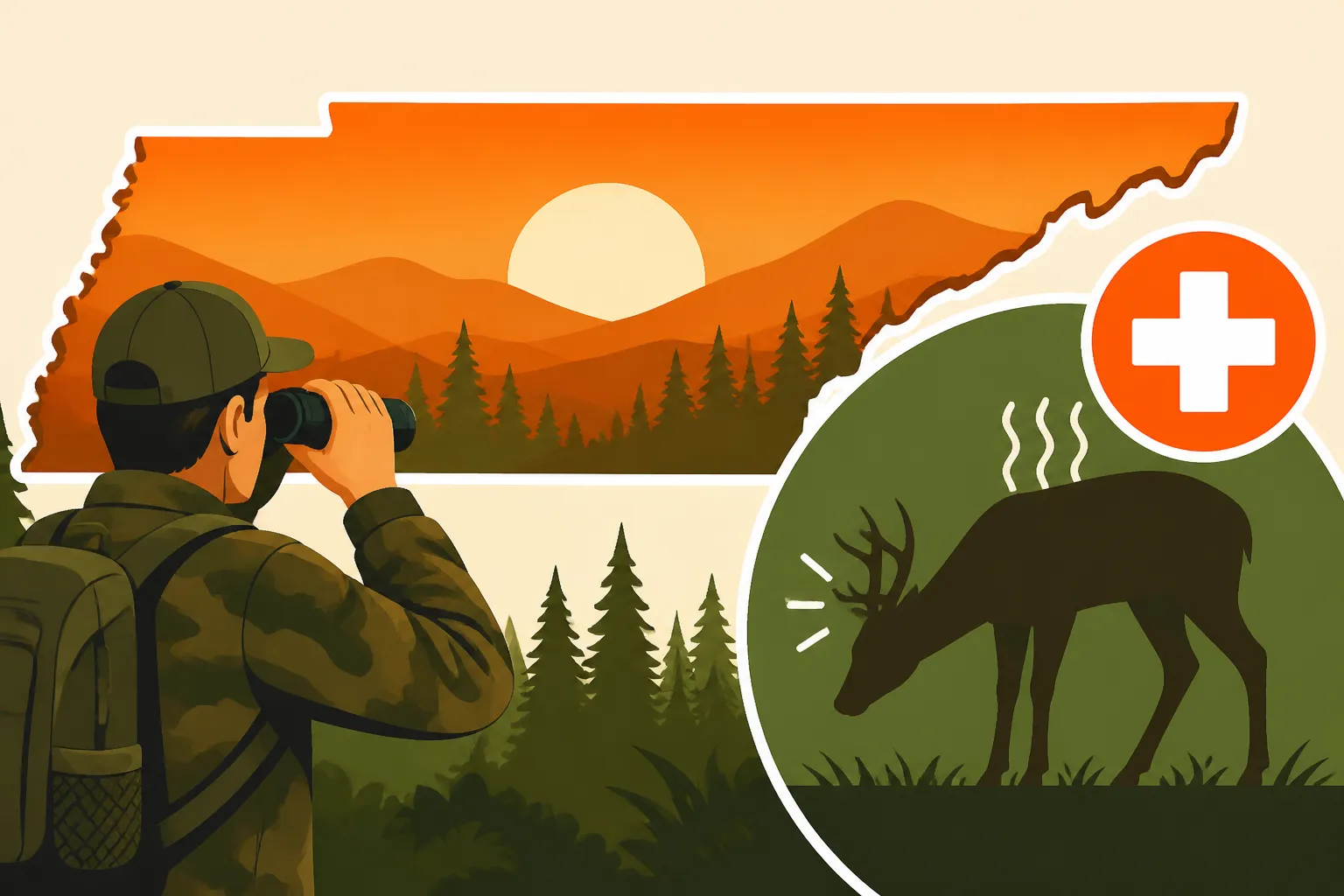
Encountering a wild animal that appears sick or injured can be a jarring experience for anyone enjoying Tennessee's beautiful outdoors. Whether you're an avid hunter out scouting, a hiker on a trail, or just notice something unusual in your backyard, knowing what to do and how to report it effectively is crucial. This guide is designed to clarify the process, detailing why your observations matter, what signs to look for, and exactly who to contact in Tennessee to ensure our wildlife stays healthy and thriving.
Why Reporting a Sick Animal Matters in Tennessee
It might seem like a small detail, but reporting a sick or injured animal is a critical step in maintaining the health and balance of Tennessee's diverse ecosystems. Your careful observation and quick action can have far-reaching positive impacts, from protecting our game species to safeguarding public health.
Safeguarding Tennessee's Deer and Game Populations
Tennessee is blessed with robust populations of white-tailed deer, wild turkeys, and other cherished game species. However, these populations are susceptible to various diseases, some of which can spread rapidly and have devastating effects. Think about Chronic Wasting Disease (CWD), a neurological disease that is always fatal to deer and elk, or Epizootic Hemorrhagic Disease (EHD), which can cause sudden, widespread die-offs, especially in hot, dry summers.
When you report a sick animal, especially one exhibiting unusual behaviors or physical symptoms, you're providing the Tennessee Wildlife Resources Agency (TWRA) with vital intelligence. This early detection allows wildlife biologists to track disease progression, implement containment strategies, and even prevent broader outbreaks that could severely impact local herds and, consequently, future hunting opportunities. Every piece of information helps the TWRA understand patterns and protect the health of these animals for generations to come. Understanding Tennessee's Chronic Wasting Disease Management Zone and why diseases like Why CWD Keeps Spreading East in Tennessee are so concerning underscores the importance of every hunter's vigilance.
Protecting Public and Domestic Animal Health
It's not just about the wildlife; some diseases found in wild animals, known as zoonotic diseases, can jump species barriers and affect humans or domestic pets. Rabies, for instance, is a serious viral disease that can be transmitted through the bite of an infected animal and is almost always fatal once symptoms appear. Other diseases, like leptospirosis, can be contracted through contact with contaminated water or urine from infected wildlife.
By reporting a potentially sick animal, you're helping public health officials monitor for these threats. This allows them to issue advisories, recommend precautions, and respond promptly to protect human health and prevent the spread to pets or livestock. Imagine your curious dog encountering a rabid fox in the woods, or a child unknowingly touching an infected animal. Your report can literally be the difference between an isolated incident and a community-wide concern.
Maintaining Ecological Balance
Beyond the immediate concerns of specific species or human health, widespread sickness in any part of the ecosystem can throw off its delicate balance. If a disease significantly reduces a prey population, it can starve predators or alter vegetation patterns. Conversely, a disease affecting a top predator could lead to an overpopulation of its prey, which in turn might overbrowse habitats.
Every report contributes to a larger scientific dataset that informs wildlife management decisions. Biologists use this information to understand population dynamics, habitat health, and the overall resilience of our natural world. Your role as a conscientious observer helps ensure that Tennessee's diverse flora and fauna continue to thrive, maintaining the intricate web of life that makes our state so special.
Recognizing the Red Flags: What to Look For
Knowing what constitutes "sick" in a wild animal can be tricky, as some natural behaviors might appear unusual to an untrained eye. However, there are several key indicators and symptom clusters that should definitely raise a red flag and prompt you to make a report to the TWRA.
Common Symptoms in Deer, Elk, and Large Mammals
When observing a white-tailed deer, a bear, or even an elk in the North Cumberland, certain behaviors or physical conditions are strong indicators of illness. For deer, keep an eye out for:
- Excessive salivation or drooling: Often a sign of neurological issues or discomfort.
- Emaciation or severe weight loss: The animal looks abnormally thin, with bones protruding.
- Loss of fear of humans or unusual aggression: While deer can be accustomed to human presence, a sick deer might let you approach too closely, or charge aggressively without provocation.
- Walking in circles, stumbling, or general incoordination: These are classic neurological symptoms.
- Labored breathing, coughing, or nasal discharge: Can indicate respiratory infections or other serious ailments.
- Visible lesions, sores, or hair loss: Especially around the mouth, nose, or hooves, which can be signs of various viral or bacterial infections.
For larger mammals like bears, look for extreme lethargy, an unnatural lack of fear, or uncharacteristic aggression. A bear that appears disoriented or is having trouble moving definitely warrants a report. Remember, the Tennessee Black Bear Population is largely healthy, so any significant deviations from normal behavior are concerning. While elk are not as common, similar neurological or wasting symptoms would be critical to report for the Tennessee's Restored Elk Herd.
Consider diseases like CWD, which manifests as progressive weight loss, drooling, head tremors, and an altered gait. EHD, often seen during late summer and early fall, can cause deer to appear feverish, have swollen tongues, and seek water, eventually succumbing to internal hemorrhaging. Familiarity with issues like EHD Die-Offs in Tennessee Deer can help you recognize these signs.
Identifying Sickness in Small Game and Furbearers
Small game animals like rabbits and squirrels, and furbearers such as raccoons, foxes, and coyotes, can also carry and transmit diseases. Their symptoms might be more subtle due to their size, but still distinct:
- Stumbling, paralysis, or convulsions: Neurological signs, often associated with rabies or distemper.
- Loss of balance or uncoordinated movements: An animal that can't move properly is often severely ill.
- Matted fur, hair loss, or visible skin lesions: Can indicate mange (especially common in coyotes and foxes, see Mange in Tennessee Coyotes and Foxes), fungal infections, or severe parasitic infestations.
- Discharge from eyes or nose: Indicative of respiratory infections or other internal issues.
- Self-mutilation or excessive scratching: Signs of severe irritation or neurological distress.
- Lethargy or unusual tameness: A wild animal that allows you to approach closely without fleeing is often very sick.
Rabbits showing signs of disorientation or paralysis could be suffering from tularemia, a bacterial disease that can affect humans. Squirrels acting unusually tame or showing tremors might have squirrel pox or other viral infections. Raccoons, foxes, and skunks are common carriers of rabies and distemper, so any animal of these species exhibiting uncharacteristic aggression, disorientation, or paralysis should be reported immediately.
Recognizing Signs in Waterfowl and Birds
Bird sickness can often be overlooked, but it's equally important to monitor, especially in communal areas like ponds, lakes, and rivers where diseases can spread quickly through a flock. Look for:
- Lethargy or inability to fly: Birds that are grounded or too weak to take flight are highly susceptible to predation and often sick.
- Swimming in circles or tremors: Neurological issues, often seen with avian botulism or lead poisoning.
- Swollen joints, eyes, or disfigured feathers: Can indicate bacterial infections, viral diseases, or severe parasitic loads.
- Unusual postures or difficulty breathing: A bird holding its head in an odd position or struggling to breathe needs attention.
- Sudden die-offs of multiple birds in one area: This is a major red flag for highly contagious diseases like avian influenza.
Diseases like avian botulism can affect large numbers of waterfowl, leading to paralysis and death. Avian influenza can spread rapidly and is highly contagious among birds. It's crucial to remember that you should never handle dead birds without protective gloves, especially if you suspect disease. If you see multiple dead birds in an area, report it to the TWRA promptly.
Your Reporting Protocol in Tennessee
So, you've identified a sick or injured animal. What's next? Knowing the correct channels and what information to provide will ensure your report is handled efficiently and effectively by the appropriate authorities in Tennessee.
Directing Your Report to the TWRA
For most wildlife-related issues, including sick or injured animals, the Tennessee Wildlife Resources Agency (TWRA) is your primary point of contact. They are the state agency responsible for managing Tennessee's wildlife resources, including monitoring disease and responding to wildlife emergencies.
The best way to contact the TWRA depends on the urgency and your location. For non-emergencies or general inquiries, you can often find contact information for your specific regional office on the TWRA's official website. They have offices in Jackson, Nashville, Crossville, and Morristown, each serving different parts of the state. These offices usually have phone numbers dedicated to public inquiries.
For more urgent matters, especially those involving public safety or visibly suffering animals, calling the regional office directly during business hours is best. Many regions also have an emergency number or a dispatch line that can be reached outside of regular hours, which is vital for time-sensitive reports like a rabid animal near a school or a deer with CWD symptoms stumbling through a suburban neighborhood. Always start with the TWRA; they will direct you if another agency is more appropriate.
Gathering Critical Information for Your Report
When you make your call or submit an online report, the TWRA will need specific details to respond effectively. The more information you can provide, the better equipped they will be. Before you call, try to gather the following:
- What kind of animal is it? Be as specific as possible (e.g., adult white-tailed deer, juvenile red fox, mallard duck).
- What specific symptoms are you observing? Describe the behaviors and physical signs in detail (e.g., "stumbling and walking in circles," "heavy nasal discharge and emaciated," "bird unable to fly, shivering uncontrollably").
- Where exactly is the animal located? This is perhaps the most crucial piece of information. Provide precise details: street address, nearest cross street, specific landmarks (e.g., "in the cul-de-sac on Elm Street," "at the base of the large oak tree near the bend in the hiking trail at [park name]," "on the edge of the cornfield off Highway 70"). If you have a GPS-enabled device or a mapping app like GoHunt on your phone, obtaining exact GPS coordinates (latitude and longitude) is incredibly helpful and highly recommended. Many hunters use tools like this for scouting, and they can be invaluable for pinpointing locations when reporting.
- When did you observe the animal? Note the date and time of your sighting.
- How long have you observed these symptoms? Is it a new behavior, or has it been going on for a while?
- Is the animal still present? If it has moved on, indicate the direction it was headed.
- Your contact information: Be prepared to leave your name and a phone number in case they need further clarification.
Having these details ready will make your report quick and efficient, allowing the TWRA to prioritize and dispatch personnel if necessary.
When to Involve Other Agencies
While the TWRA is the primary contact for most wildlife issues, there are specific situations where other agencies might be more appropriate, or might need to be contacted in addition to the TWRA.
- Local Animal Control: If the sick or injured animal is within a city or county limits, especially in a heavily populated residential area, and there's a concern about its interaction with domestic pets or children, your local animal control agency might be able to respond more quickly. They often deal with domestic animal calls but frequently assist with wildlife issues that pose immediate risks in urban environments.
- Local Law Enforcement (Sheriff's Office/Police Department): If the animal poses an immediate, serious threat to public safety (e.g., an aggressive, disoriented coyote approaching people, a large animal hit by a car in the middle of a busy road), or if you suspect illegal activity (like poaching), calling 911 or your local non-emergency police line is appropriate. They can secure the area and then contact the TWRA for proper wildlife handling.
- Licensed Wildlife Rehabilitators: For injured non-game animals that don't pose a public safety risk (e.g., a baby bird fallen from a nest, a squirrel with a broken leg), a licensed wildlife rehabilitator might be the best option. The TWRA often maintains a list of these individuals or organizations on their website. They specialize in caring for injured wildlife with the goal of releasing them back into the wild.
The key is to prioritize safety and choose the most immediate and relevant agency. When in doubt, start with the TWRA; they are experts and can guide you to the correct next step.
Safe Practices and Prevention for Hunters
As hunters and outdoor enthusiasts, we spend more time in close proximity to wildlife than most, giving us a unique opportunity to observe and report. With this privilege comes the responsibility to act safely and ethically, not only for our own well-being but also for the health of the animals we pursue.
Prioritizing Your Safety and Preventing Disease Transmission
The golden rule when encountering a sick or injured wild animal is simple: never approach or touch it. This cannot be emphasized enough. A sick animal might be disoriented, but it can still bite, scratch, or transmit diseases. Animals in distress can be unpredictable, and what might look like weakness could quickly turn into a defensive attack. Even dead animals can harbor pathogens that are harmful to humans.
When you're field dressing game, especially deer in a CWD-positive area, always wear protective gloves. Avoid direct contact with brain, spinal cord, spleen, and lymph nodes, as these tissues are known to carry the highest concentration of CWD prions. After handling any game, wash your hands thoroughly with soap and warm water, and sanitize all tools and surfaces. These hygiene practices are not just for preventing foodborne illness; they're crucial for preventing the spread of wildlife diseases to yourself or other animals. Remember the guidance on Deboning Venison Before Leaving the CWD Zone to minimize risk in affected areas.
If you have pets that accompany you into the field, keep them on a leash and prevent them from investigating sick or dead wildlife. Their natural curiosity could expose them to serious diseases, some of which can then be brought back into your home.
Ethical Field Practices and Carcass Disposal
Responsible hunters play a vital role in preventing the spread of wildlife diseases. This extends beyond just reporting sick animals. Proper carcass disposal is paramount. If you harvest an animal, especially in a CWD-management zone, or if an animal appears ill, it's essential to dispose of the carcass remains responsibly. The TWRA provides guidelines for this, often recommending double-bagging and landfill disposal, or burying deep where scavengers cannot access them. Simply leaving infected carcass parts in the woods can allow the disease to persist in the environment and spread to other animals.
Avoid creating situations that unnaturally concentrate wildlife. While supplemental feeding might seem harmless, it can bring animals into close contact, increasing the likelihood of disease transmission. Concentrated animals also deposit more urine and feces in a small area, further contaminating the environment with potential pathogens. This is why many states have strict rules or even prohibitions on baiting and feeding.
Staying Informed and Contributing to Wildlife Health
As a hunter, you are often the first line of defense in identifying wildlife health issues. Make it a practice to stay informed about current disease outbreaks and TWRA advisories. Regularly check the TWRA website for updates on CWD, EHD, or other emerging concerns. They often post maps of affected areas and provide specific instructions for hunters in those regions. Knowing about Tennessee Wildlife Disease Monitoring can help you understand the broader picture.
Consider utilizing resources from organizations like the National Deer Association (NDA) or the Quality Deer Management Association (QDMA), which often provide excellent educational materials on deer health and disease. Being an informed hunter means you're not just participating in the harvest, but actively contributing to the long-term health and sustainability of Tennessee's incredible wildlife heritage. Your vigilance is one of the greatest assets in conservation.
Disclaimer
This article is for general informational purposes only and does not constitute professional advice. Laws, prices and regulations vary by location and change over time. Consult a qualified professional for guidance on your specific situation.