Tennessee Wildlife Disease Monitoring
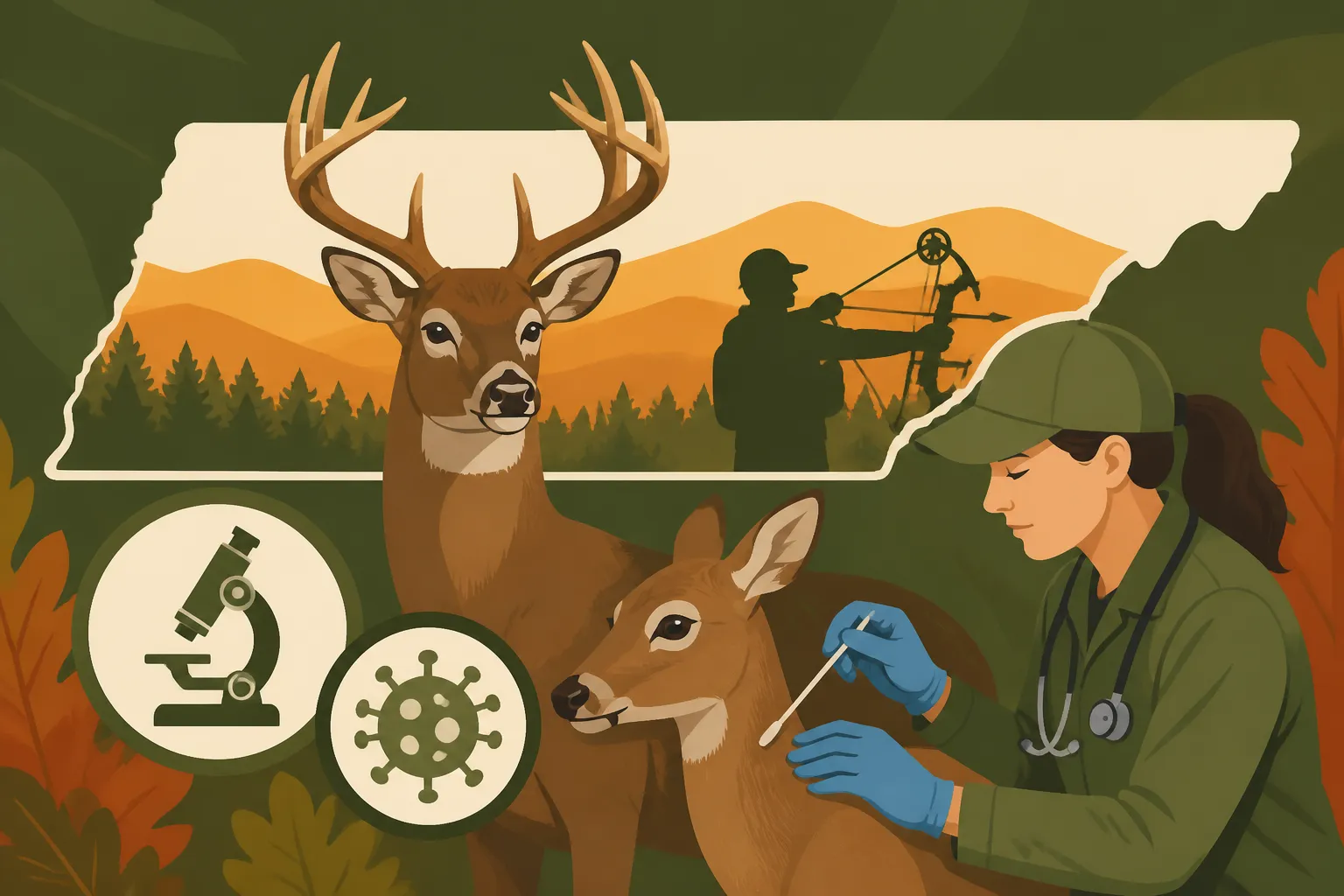
It's an unfortunate reality for us hunters in Tennessee: while we cherish the pursuit of game, we also carry a responsibility to be aware of and help manage the health of our wildlife populations. Seeing a sick animal can be unsettling, and the potential impact of diseases like Chronic Wasting Disease (CWD) on our deer herd is a very real concern that keeps many of us up at night. This guide aims to pull back the curtain on how Tennessee monitors wildlife diseases, what you, as a hunter, need to know, and how your vigilance plays a critical role in keeping our woods and fields healthy for generations to come.
Understanding Key Wildlife Diseases in Tennessee
Let's face it, when we think about wildlife diseases, CWD is probably the first thing that comes to mind for most Tennessee hunters, and for good reason. It's a serious issue, but it's not the only health challenge our wild animals face. The Tennessee Wildlife Resources Agency (TWRA) and its partners keep a watchful eye on a range of diseases, some of which are more common than you might think. Knowing what to look for, and understanding what these diseases mean for both animals and hunters, is the first step in being a responsible steward of our natural resources.
Chronic Wasting Disease (CWD) and Its Impact
Chronic Wasting Disease is a neurological disease that affects cervids – that's deer, elk, and moose. It's caused by an abnormal protein called a prion that slowly degrades the animal's brain. What makes CWD so concerning is that it's always fatal, there's no known cure, and the prions can persist in the environment for a very long time, making eradication incredibly difficult once it's established. For us hunters, it’s a big deal because it directly impacts the health and future of our deer and elk herds.
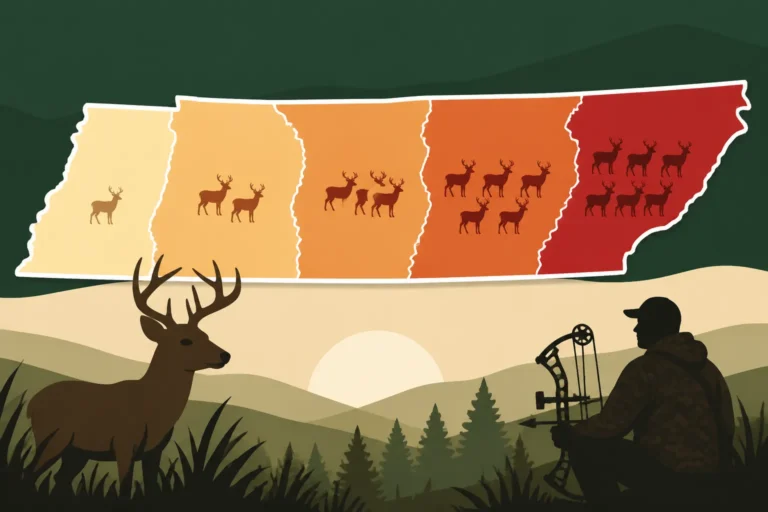
Imagine being out in the woods, doing some Scouting With the Tennessee TWRA App before season, and you come across a deer that just doesn't look right. With CWD, symptoms often progress slowly, but eventually, infected animals might become emaciated (hence "wasting"), exhibit abnormal behavior like stumbling or drooling excessively, and lose their fear of humans. They can appear disoriented or have a vacant stare. The first confirmed case of CWD in Tennessee was in 2018 in Fayette County, and since then, it has unfortunately continued to spread, leading to the establishment of the Tennessee's Chronic Wasting Disease Management Zone which covers a number of counties. This means specific regulations are in place to try and contain its spread, and hunters in these areas have an even greater responsibility to understand and follow those rules.
Epizootic Hemorrhagic Disease (EHD) in Deer
While CWD is a long-term, chronic issue, Epizootic Hemorrhagic Disease (EHD) is something many of us have seen the effects of more directly. EHD is an acute viral disease that affects white-tailed deer. It's transmitted by biting midges, often called "no-see-ums," and outbreaks tend to occur in late summer and early fall, particularly during drought conditions when deer congregate around fewer water sources.
The symptoms of EHD can be quite dramatic. Infected deer often develop a high fever, become lethargic, lose their appetite, and may swell around the head, neck, and tongue. Because of the fever, they often seek out water, and unfortunately, many are found dead near ponds, streams, or muddy banks. You might also notice ulcers or hemorrhages on their tongues or in their mouths. Unlike CWD, EHD is not a threat to humans, and deer that survive an EHD infection develop immunity. However, severe outbreaks can cause significant localized EHD Die-Offs in Tennessee Deer, drastically reducing deer numbers in specific areas for a year or two. While it's sad to see, it's a natural part of the ecosystem, and populations usually rebound.
Other Diseases of Concern: Avian Influenza, Rabies, and Mange
Beyond the big two, TWRA also keeps tabs on other wildlife diseases that, while perhaps less common or directly impacting game, are still important for overall ecosystem health and sometimes human safety.
- Avian Influenza (Bird Flu): This is a viral disease that primarily affects wild birds, especially waterfowl, but can occasionally spread to domestic poultry or even mammals. While human cases from wild bird contact are rare, large outbreaks in waterfowl can be concerning. You might see groups of sick or dead ducks or geese with Avian Influenza in Tennessee Birds. Hunters who handle waterfowl are always advised to take precautions like wearing gloves and thoroughly cooking game meat.
- Rabies: A well-known viral disease that affects mammals and is almost always fatal once symptoms appear. While Tennessee's wildlife populations, especially bats, raccoons, skunks, and foxes, can carry rabies, instances of rabid deer or elk are exceedingly rare. The key here is recognizing abnormal behavior in any mammal – staggering, aggression, uncharacteristic tameness – and avoiding contact.
- Mange: Primarily affects furbearers like coyotes and foxes, causing hair loss, skin lesions, and severe itching. While not usually fatal on its own, it can weaken animals, making them more susceptible to other issues or harsh weather. You might see a mangy coyote looking quite ragged, and while it's generally not transmissible to humans, it's best to keep your distance.
How Tennessee Monitors Wildlife Health and Disease
It's one thing to know what diseases are out there, but how does Tennessee keep tabs on all of it? It's a massive undertaking, involving dedicated biologists, partnerships with other agencies and universities, and, critically, the participation of hunters like us. The TWRA has several programs in place to actively monitor wildlife health, detect potential outbreaks early, and implement management strategies.
TWRA's Surveillance Programs and Data Collection
The backbone of Tennessee's wildlife disease monitoring is the TWRA's proactive surveillance programs. This isn't just about waiting for a problem to pop up; it's about actively looking for signs of disease. For CWD, this means a significant effort in sampling harvested deer.
During deer season, especially in the CWD Management Zone, TWRA often sets up voluntary or mandatory CWD sampling stations. Hunters are encouraged, and sometimes required, to submit their deer heads for testing. This allows biologists to get a real-time picture of where the disease is present and at what prevalence. These collection points might be at check stations, staffed events, or even self-serve kiosks where you can deposit a deer head. The results of these tests are crucial for understanding How Many Tennessee Counties Have Found CWD and informing future management decisions. Additionally, the agency works with laboratories to analyze samples, track trends, and model potential spread. It's a complex scientific process, but it all starts with those samples collected from harvested deer.
Hunter and Public Reporting: Our Eyes and Ears in the Field
While the TWRA's structured surveillance is essential, they can't be everywhere at once. That's where you and I come in. Hunters are truly the first line of defense when it comes to early detection of wildlife diseases. We spend countless hours afield, observing animals and their behavior. If something looks off, we're often the first ones to notice.
Seeing a deer exhibiting CWD symptoms or finding multiple deer dead from EHD in an area is vital information for wildlife managers. Don't just dismiss it as "something else." It's imperative to report these observations. The TWRA encourages hunters and the public to report any sick or dead wildlife. This information helps them pinpoint potential problem areas and decide where to focus their testing efforts. There are usually dedicated hotlines or online forms for this. You might even find that mapping applications like GoHunt offer features to mark and document unusual animal observations, making it easier to relay precise locations to the authorities. Your report, even if it turns out to be nothing, could be the key to preventing a wider outbreak. When you report a sick animal, you're directly contributing to the health of the herd.
Research and Partnerships for Broader Understanding
Tennessee doesn't operate in a vacuum. Wildlife disease monitoring often involves extensive collaboration. The TWRA works closely with other state agencies, federal partners like the U.S. Geological Survey (USGS) and the Centers for Disease Control and Prevention (CDC), and academic institutions. University researchers might be studying specific aspects of disease transmission, developing new diagnostic tools, or exploring environmental factors that contribute to outbreaks.
For instance, the prions that cause CWD are incredibly durable, and understanding how they interact with soil or vegetation is a complex area of study. Partnerships like these bring together a wealth of expertise and resources, allowing Tennessee to leverage cutting-edge science in its fight against wildlife diseases. It's all part of a larger, interconnected effort to ensure the long-term health and sustainability of our game populations.
The Hunter's Role in Prevention and Responsible Practices
As hunters, we're not just consumers of wildlife resources; we're also critical participants in their management and conservation. Our actions in the field, from how we handle a harvested animal to how we dispose of its remains, can directly influence the spread or containment of wildlife diseases. This isn't just about following rules; it's about ethical hunting and protecting the resource we all love.
Safe Handling Practices and Carcass Management
One of the most direct ways hunters can prevent disease transmission is by adopting safe handling practices, especially in areas where CWD is present. When you harvest a deer, particularly in the CWD Management Zone, consider these points:
- Wear Gloves: Always wear rubber or latex gloves when field dressing any animal. This is good practice for general hygiene anyway, but it's especially important with potential pathogens.
- Minimize Brain and Spinal Cord Contact: These tissues are known to contain the highest concentrations of CWD prions. Avoid cutting through the brain or spinal cord if possible.
- Proper Carcass Disposal: This is perhaps one of the most critical steps. Do not leave high-risk carcass parts (brain, spinal cord, lymph nodes, spleen) from CWD-positive animals or animals harvested in a CWD zone laying in the woods for scavengers to potentially spread. In CWD zones, specific regulations often govern carcass transport and disposal. In some cases, you might be required to perform Deboning Venison Before Leaving the CWD Zone to minimize the risk of spreading high-risk materials. The best practice is to double-bag and dispose of these parts in a permitted landfill. This ensures that any prions stay contained and don't re-enter the environment where other deer could pick them up.
- Clean Your Tools: Thoroughly clean and disinfect all knives, saws, and other equipment used for field dressing. A bleach solution or commercial disinfectant can help.
Recognizing Symptoms and Diligently Reporting Sick Wildlife
As mentioned earlier, you are the TWRA's extra set of eyes and ears. Being able to recognize the signs of a sick animal and knowing how to report it correctly is a massive contribution.
- Know the Signs: Review the symptoms discussed for CWD (wasting, drooling, unusual behavior, loss of fear) and EHD (lethargy, seeking water, swelling, internal hemorrhages). Look for these specifically. Don't assume a skinny deer is just old or suffering from a tough winter without considering other possibilities.
- Document and Report: If you see an animal exhibiting unusual behavior, or find unexplained dead animals, take notes. Jot down the location (GPS coordinates are ideal, something easy to mark on your GoHunt app), the date, the species, and a detailed description of what you observed. Then, promptly contact the TWRA. They have protocols for Reporting a Sick Animal in Tennessee, and getting timely, accurate information is vital for their response. This could lead to further investigation, testing, and potential management actions.
- Don't Touch or Move: If you encounter a sick or dead animal, especially one showing neurological symptoms, do not touch it or attempt to move it. Keep yourself and your pets away from it. Contacting the authorities is the safest and most effective course of action.
Limiting Disease Spread Through Responsible Practices
Beyond direct carcass handling, other hunting practices can influence disease dynamics.
- Avoid Baiting and Feeding: While legal in some parts of Tennessee outside the CWD zones, baiting and feeding can concentrate deer in unnaturally high numbers. This increases nose-to-nose contact, which is a known transmission route for diseases like CWD and EHD. Many states restrict or prohibit baiting precisely for this reason. In the CWD zone, baiting and feeding deer is explicitly illegal, and for good reason.
- Clean Your Gear: Before moving from one hunting area to another, especially between counties or states, clean your boots, ATV tires, and any equipment that might have come into contact with soil or animal fluids. This helps prevent the inadvertent transport of CWD prions or other disease agents.
- Support Management Efforts: Participate in CWD testing, understand and adhere to transportation rules in CWD zones, and support programs like the Tennessee's Earn-a-Buck CWD Program, where harvesting antlerless deer and submitting them for CWD testing can earn you a bonus antlered deer tag. These efforts are designed to manage deer populations effectively and reduce disease transmission. Your cooperation directly helps the TWRA achieve its conservation goals, which ultimately benefits us all as hunters.
Impact and Long-Term Management Strategies
Wildlife diseases, particularly CWD, require a long-term, adaptive management approach. There are no quick fixes, and the challenges are continually evolving. Tennessee's approach involves a combination of regulatory measures, ongoing research, and continuous public education to mitigate the impacts and protect our wildlife resources.
CWD Management Zones and Regulations
When CWD is detected in a county, the TWRA acts quickly to establish a CWD Management Zone. These zones typically come with specific, stricter regulations compared to the rest of the state. These rules aren't designed to make hunting harder; they're put in place to slow the spread of the disease and protect healthy deer populations.
Within a CWD Management Zone, you'll often find rules dictating:
- Carcass Transport: Restrictions on moving deer carcasses out of the zone, usually requiring the removal of high-risk parts beforehand. This directly addresses the risk of hunters inadvertently spreading prions to new areas.
- Mandatory Testing: Sometimes, harvested deer must be submitted for CWD testing during certain periods or in specific areas. This provides critical data points on disease prevalence and distribution.
- Bag Limits: In some cases, antlerless deer bag limits may be liberalized to encourage harvest and help manage deer densities, which can be a factor in disease transmission.
- Prohibited Activities: Activities like baiting and feeding, which concentrate deer and increase contact, are often prohibited within CWD zones.
It's absolutely essential for hunters to understand and abide by these regulations. Ignorance of the law is no excuse, and violations carry Tennessee Wildlife Violation Penalties. These rules are our collective best shot at containing this disease, and the TWRA relies on every hunter doing their part. You can always check the latest regulations on the TWRA website or through resources like the GoHunt app which often integrates current state hunting regulations.
Public Education and Hunter Awareness
Effective wildlife disease management isn't possible without an informed public and engaged hunter community. The TWRA invests significant effort in educating hunters and non-hunters alike about wildlife diseases. This includes:
- Information Campaigns: Providing pamphlets, online resources, and social media updates about disease outbreaks, symptoms, and prevention.
- Hunter Education: Integrating disease awareness into hunter education courses.
- Community Meetings: Holding public forums, especially in affected areas, to discuss CWD and other wildlife health issues, answer questions, and solicit feedback.
The goal is to empower everyone to be a part of the solution. By understanding the science, the risks, and the appropriate actions, we can collectively minimize the impact of diseases on our cherished wildlife. This transparency from the TWRA helps us all feel more connected to the conservation efforts happening across the state.
Long-Term Outlook for Wildlife Health
The challenge of wildlife diseases is ongoing. CWD is a particularly tough opponent, and while Tennessee's efforts are focused on containment and slowing its spread, it's a battle that will continue for the foreseeable future. However, we have seen successes with other diseases, and scientific advancements continue to improve our understanding and management tools.
The health of Tennessee's deer, turkey, elk, and other game populations ultimately depends on healthy habitats, balanced populations, and vigilant observation. Our active participation in monitoring and management is paramount. By reporting sick animals, adhering to regulations, practicing responsible field hygiene, and staying informed, we play a vital role in ensuring that Tennessee's hunting heritage remains strong and vibrant. It's a testament to the resilience of nature and the dedication of its stewards that we continue to enjoy the bounty of our wild places, even in the face of these challenges.
| Disease | Primary Species Affected | Key Symptoms | Human Health Risk? | Reporting Urgency |
|---|---|---|---|---|
| Chronic Wasting Disease (CWD) | Deer, Elk, Moose (Cervids) | Emaciation, lethargy, abnormal behavior, excessive drooling, loss of fear of humans | None proven | High (Critical) |
| Epizootic Hemorrhagic Disease (EHD) | White-tailed Deer | High fever, lethargy, swelling of head/neck/tongue, seeking water, hemorrhages | None | Moderate (Informational) |
| Avian Influenza | Wild Birds (especially waterfowl) | Sudden death, neurological signs, respiratory distress | Low (Rare) | Moderate (Informational) |
| Rabies | Mammals (bats, raccoons, skunks, foxes) | Aggression, staggering, uncharacteristic tameness, paralysis | High (Fatal if untreated) | High (Immediate) |
| Mange | Coyotes, Foxes | Hair loss, skin lesions, severe itching | None | Low (Informational) |
Disclaimer
This article is for general informational purposes only and does not constitute professional advice. Laws, prices and regulations vary by location and change over time. Consult a qualified professional for guidance on your specific situation.