Tennessee Wildlife Violation Penalties
It’s easy to get caught up in the excitement of a new hunting season, but the last thing any of us wants is to accidentally cross a line and face legal trouble. Navigating the rules and regulations in Tennessee can sometimes feel like deciphering ancient texts, and the penalties for wildlife violations can be steep, impacting your hunting privileges for years. This guide is here to walk you through the various types of wildlife violations in Tennessee and the potential consequences, helping you stay legal and enjoy the outdoors responsibly.
Understanding Tennessee's Wildlife Law Enforcement
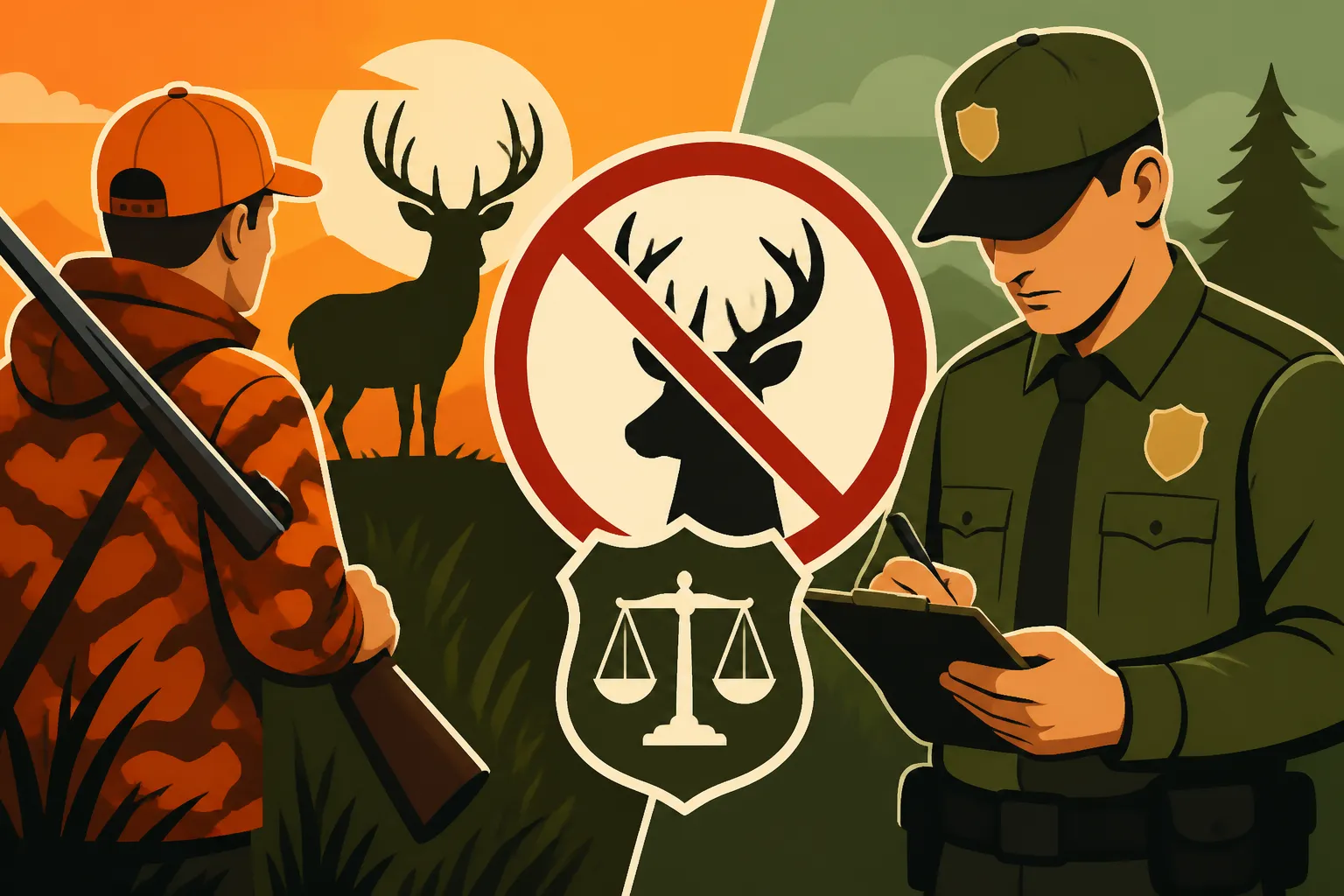
When you head into the woods or fields in Tennessee, you're not just a hunter; you're also a steward of the state's natural resources. The Tennessee Wildlife Resources Agency (TWRA) is tasked with enforcing all hunting, fishing, and boating laws. Their wildlife officers are highly trained and passionate about protecting Tennessee's game and fish populations. Their job isn't to ruin your day, but to ensure everyone plays by the rules so future generations can also enjoy hunting. It's a system designed to balance opportunity with conservation, and that means taking violations seriously.
These laws cover everything from proper licensing and tagging to ethical hunting practices and species-specific regulations. Ignorance of the law is never an excuse, and that's why understanding these potential pitfalls before you ever step foot afield is so crucial. A simple mistake could cost you far more than just a fine; it could jeopardize your ability to participate in the sport you love.
The Role of Wildlife Officers
Tennessee Wildlife Resources Agency officers are fully commissioned law enforcement officials, meaning they have the authority to make arrests, issue citations, and enforce all state laws, not just wildlife laws. They patrol public and private lands, often checking licenses, equipment, and compliance with bag limits. Their presence serves as a deterrent to illegal activities and also as a resource for law-abiding hunters who might have questions about complex regulations. Many hunters have stories of an officer politely checking their paperwork or asking about their hunt, and it's a routine part of hunting in Tennessee.
However, when a violation occurs, their demeanor will shift to enforcement. They document evidence, take statements, and prepare cases for prosecution. They are often the first point of contact in a legal situation, and how you interact with them can sometimes influence the outcome. Respect and cooperation, even if you disagree with the situation, are always the best approach. Remember, they're working to protect the very wildlife you cherish.
Classes of Misdemeanors in Wildlife Cases
Most wildlife violations in Tennessee are classified as misdemeanors, with varying degrees of severity that dictate potential fines and jail time. It’s not just about what you did, but how serious the state considers it. For example, a minor technicality might be a Class C misdemeanor, while egregious poaching could easily escalate to a Class A.
- Class C Misdemeanors: These are the least severe, carrying a maximum fine of $50 and no jail time. Think of very minor infractions, often easily corrected.
- Class B Misdemeanors: These can result in a fine of up to $500 and up to six months in jail. Many common hunting violations, especially first offenses, fall into this category.
- Class A Misdemeanors: These are the most serious misdemeanors, with potential fines up to $2,500 and jail time up to eleven months and twenty-nine days. These are reserved for more significant offenses, repeat offenders, or violations that demonstrate a clear disregard for wildlife laws.
Beyond these classifications, some violations may also incur civil penalties, such as restitution for the value of the unlawfully taken game, which can add significantly to the financial burden. The total cost of a violation can quickly become staggering, far exceeding the immediate fine, once court costs, restitution, and potential attorney fees are factored in.
Common Violations and Their Serious Consequences
Let's face it, nobody wants to be on the wrong side of a wildlife officer. But it happens, sometimes due to genuine oversight, and sometimes due to intentional wrongdoing. The key is to understand what some of the most common violations are, and why they carry such heavy penalties. These aren't just minor inconveniences; they can lead to losing your hunting privileges for years, or even serving jail time.
Before you head out, reviewing the annual TWRA hunting guide and using resources like the GoHunt app for specific WMA regulations can literally save you a world of trouble. There's a lot to keep track of, from Tennessee Hunting Licenses and What They Cost to specific firearm restrictions, and staying informed is your best defense.
Hunting Without Proper Licenses or Permits
This might seem like a no-brainer, but it's one of the most common violations observed by TWRA officers. Whether it's forgetting to purchase your basic hunting license, not having the correct big game permit, or failing to acquire the necessary WMA permit for certain areas, hunting without the proper paperwork is a surefire way to get a citation. It's not just about having a license; it's about having the right license for the right species in the right place.
Imagine you've driven hours to hunt public land near Land Between the Lakes. You get set up, and a TWRA officer checks your documentation. If you haven't bought your Tennessee WMA Permit Requirement or the specific big game permit for deer, that exciting hunt could instantly turn into a legal headache. The penalties for these violations can range from a Class B misdemeanor, with fines up to $500, to more severe penalties for repeat offenders. On top of the fine, expect a mandatory license revocation, meaning you won't be able to hunt or fish in Tennessee, or potentially any other state that's part of the Interstate Wildlife Violator Compact, for a period of one to three years. That's a huge consequence for what might seem like a simple oversight.
Tagging and Reporting Failures
Once you've successfully harvested an animal, particularly deer or turkey, the process isn't over. Tennessee has specific rules for how quickly you must tag your animal and then report it to the TWRA. This is a critical step in wildlife management and enforcement, ensuring accurate harvest data and preventing individuals from taking more than their legal limit. Failing to properly tag an animal immediately after harvest, or failing to report it through the TWRA's online or phone system, can lead to significant trouble.
This is especially crucial with Tennessee Deer Harvest Reporting Rules. Every deer you take must be reported by midnight of the day of harvest. Failure to do so not only disrupts critical wildlife data but also makes it look like you're trying to hide something, which can elevate the severity of the violation. A Class B misdemeanor is common here, again with fines up to $500 and potential license revocation. It’s not uncommon for hunters, especially new ones, to get excited and forget this step, but the TWRA takes it seriously. Always double-check your process, or use an app like GoHunt to remind you about reporting deadlines.
Exceeding Bag Limits or Taking Prohibited Species/Sexes
This is where the line between accidental oversight and intentional poaching can sometimes blur, depending on the circumstances. Every season, the TWRA sets specific bag limits for different species, and often for specific sexes (like antlered vs. antlerless deer). Taking more than the legal limit, or harvesting an animal that is out of season or not legal for harvest (e.g., a doe during an antlered-only season, or a turkey with a beard shorter than regulation), carries stiff penalties.
For instance, understanding Tennessee Deer Season Structure Explained is vital to avoid taking an antlered deer when only antlerless are allowed, or vice-versa. Violating bag limits or taking prohibited animals is almost always a Class A misdemeanor. This means fines could reach $2,500, with potential jail time up to nearly a year, and a license revocation of three to five years, or even longer for serious cases. Additionally, you will likely be required to pay restitution for the market value of the illegally taken animal. If you accidentally harvest an illegal animal, immediately contact the TWRA; self-reporting is always better than being caught.
Trespassing While Hunting
Hunting on private land without explicit permission is a serious offense in Tennessee, even if you just "followed a deer" across a property line. Tennessee Trespass and Permission Law is quite clear: you must have permission, ideally in writing, to hunt on private property. This isn't just a courtesy; it's a legal requirement designed to protect landowner rights and prevent conflicts.
A trespass violation while hunting is typically a Class B misdemeanor, but it can escalate. If you cause property damage, or if you refuse to leave when asked, it could become a Class A misdemeanor. Fines can range from $50 to $500 for a Class B, with possible jail time. License revocation is also a common consequence, often for one to three years. The best way to avoid this is to always know your boundaries, use mapping tools like GoHunt to clearly define property lines, and always secure written permission from landowners before hunting.
Serious Offenses: Poaching, Fraud, and Repeat Violations
While minor infractions can lead to headaches, certain violations are considered particularly egregious by the state of Tennessee and come with severe, life-altering consequences. These are the kinds of offenses that not only result in heavy fines and jail time but can also lead to permanent loss of hunting privileges and social stigma within the hunting community.
The TWRA is vigilant about these types of violations, and the public often plays a crucial role in reporting them. When it comes to protecting Tennessee's wildlife, there's a strong incentive to crack down hard on those who intentionally break the law for personal gain or out of sheer disregard for ethical hunting.
Commercial Poaching and Large-Scale Violations
Commercial poaching, where individuals kill game animals to sell their parts for profit, is among the most serious wildlife crimes. This isn't about someone mistakenly shooting an extra deer; it's about organized illegal activity that undermines conservation efforts and deprives legitimate hunters of opportunities. Examples include illegally harvesting multiple deer to sell venison, or killing bears to sell their gallbladders or paws. These acts are often felony-level offenses, not just misdemeanors.
The penalties for commercial poaching can be devastating. Fines can reach into the tens of thousands of dollars, jail sentences can span years, and forfeiture of vehicles, firearms, and other equipment used in the commission of the crime is common. License revocation can be permanent, not just in Tennessee but across all states participating in the Interstate Wildlife Violator Compact. The financial and personal cost of such an offense is immense, far outweighing any potential illicit gain.
License Fraud and False Information
Lying on a license application, attempting to obtain a resident license when you're not a resident, or misrepresenting facts to a wildlife officer can lead to serious charges. The integrity of the licensing system is paramount to wildlife management. Each license fee contributes to conservation efforts, and false information undermines that funding and fairness.
For example, if you're an out-of-state hunter trying to pay the cheaper resident fee, you're not just breaking a minor rule; you're committing fraud. This is often a Class A misdemeanor, potentially leading to fines up to $2,500, jail time, and a lengthy, if not permanent, license revocation. The TWRA's system can often flag discrepancies, and officers are trained to identify suspicious activity. It's simply not worth the risk. Always ensure you are providing truthful and accurate information when purchasing your Tennessee Nonresident Hunting License Cost or any other permit.
Chronic Wasting Disease (CWD) Zone Violations
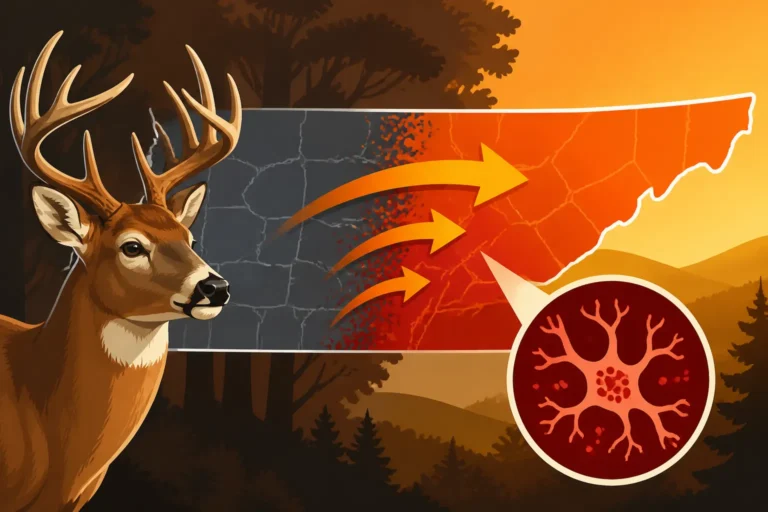
With the spread of Chronic Wasting Disease (CWD) in Tennessee, specific regulations are now in place, particularly within the Tennessee's Chronic Wasting Disease Management Zone. These rules dictate how deer carcasses and parts can be transported out of CWD-positive counties, and they often require mandatory testing or specific disposal methods. Violating these rules is a serious public health and wildlife management concern.
Moving an intact deer carcass out of a CWD zone, for example, is a direct threat to other deer populations across the state and beyond. These violations carry severe penalties, typically Class A misdemeanors, with substantial fines, potential jail time, and license revocation. The TWRA is very proactive in enforcing these rules because the stakes are incredibly high for the future of Tennessee's deer herd. Staying informed about Tennessee's Chronic Wasting Disease Management Zone regulations is critical, especially if you hunt near or within a designated CWD county.
Navigating Penalties and the Path Forward
Facing a wildlife violation can be a stressful and confusing experience. It’s not just about the immediate citation; it’s about understanding the legal process, the potential long-term impacts on your hunting privileges, and how to prevent future issues. This isn't just a minor traffic ticket; it's an offense that can connect you to a statewide and even nationwide database of wildlife violators.
Understanding how to react and what steps to take after receiving a citation is crucial. It’s always best to cooperate with officers, gather all the information, and then seek appropriate advice. Don't let a moment of panic or anger lead to further complications.
The Legal Process After a Citation
If you receive a citation for a wildlife violation, it means you've been charged with an offense and will likely need to appear in court. The citation will outline the specific charges and the date of your court appearance. It’s important to read it carefully and understand what you’re being accused of.
At your court date, you'll have the option to plead guilty, not guilty, or no contest. Depending on the severity of the charge, you might consider consulting with an attorney who specializes in environmental or criminal law. They can advise you on your rights, help you understand the potential outcomes, and represent you in court. Don’t assume that because it’s a "hunting ticket," it's not serious enough for legal counsel. A conviction can result in fines, court costs, jail time, and the automatic revocation of your hunting and fishing licenses.
License Revocation and the Interstate Wildlife Violator Compact
One of the most impactful penalties for a wildlife violation is the revocation of your hunting and fishing licenses. This isn't just a temporary inconvenience; it means you cannot legally participate in hunting, fishing, or trapping activities in Tennessee for the duration of the revocation period. For serious offenses, this can be for several years, or even permanently.
What many hunters don't realize is the reach of the Interstate Wildlife Violator Compact (IWVC). Tennessee is a member of this compact, along with most other states. This means that if your hunting license is revoked in Tennessee, it will likely be recognized and honored as a revocation in all other member states. So, if you lose your privileges in Tennessee for five years, you won't be able to hunt in Kentucky, Alabama, Georgia, or most other states either. This is a powerful tool to ensure that serious violators can't simply move across state lines to avoid penalties. The impact of losing your hunting freedom for years is a harsh reality, often more painful than the fine itself for passionate outdoorsmen.
Preventing Violations Through Knowledge and Diligence
The best way to avoid all the stress, fines, and potential loss of hunting privileges is simple: prevent violations from happening in the first place. This isn't always easy, given the complexity of regulations, but it is entirely possible with dedication and a commitment to responsible hunting. Think of it as part of your preseason preparation, just as important as sighting in your rifle or setting up your treestand.
Hunters have a responsibility to know the rules, and the TWRA provides ample resources to help. Utilizing these resources, and cultivating a habit of double-checking regulations, are essential steps in ensuring you have a safe, legal, and enjoyable hunting season every year.
Becoming a Knowledgeable Hunter
The most crucial step in preventing violations is to become intimately familiar with Tennessee's hunting regulations. Don't just skim the regulations; read them thoroughly every year, as rules can change. Pay close attention to the specific rules for the species you're hunting and the specific public lands or WMAs you plan to visit.
This includes understanding Tennessee Hunter Education Requirements if you're a new hunter, reviewing Tennessee Legal Firearms for Deer Hunting to ensure your equipment is compliant, and knowing when and where Tennessee Blaze Orange Requirements apply. These aren't suggestions; they are laws designed for safety and fair chase. The TWRA website is a treasure trove of information, offering digital versions of the hunting guide, season dates, and specific WMA rules. Using interactive maps on platforms like GoHunt can also help you visualize season boundaries, WMA lines, and even private land ownership, preventing accidental trespass.
Double-Checking Regulations and Maps
Before every hunt, especially if you're going to a new area or hunting a different species, take a few minutes to double-check the regulations. Are the season dates still valid? Are there any special restrictions for the WMA you're visiting? Have the bag limits changed? This vigilance can prevent simple mistakes that lead to costly citations.
Consider this scenario: You're excited for Hunting the Rut in Early November for deer, but you’re also thinking about small game. You need to verify if Tennessee Deer Season Overlap With Small Game is allowed in your specific hunting unit, and if there are any specific regulations for carrying different types of firearms simultaneously. A quick check of the GoHunt app or the TWRA website will confirm these details. It’s also wise to print out or download relevant maps and regulations to your phone, ensuring you have access even if cell service is spotty. Always be prepared, not just with your gear, but with your knowledge of the law.
The Importance of Ethical Behavior
Beyond the letter of the law, ethical behavior plays a significant role in preventing violations and upholding the reputation of hunters. This includes respecting landowners, being courteous to other hunters, and always prioritizing fair chase principles. When you conduct yourself ethically, you naturally avoid many situations that could lead to legal trouble.
Never intentionally mislead an officer, conceal a harvest, or attempt to skirt regulations. Be honest about your actions and transparent in your reporting. If you witness a violation, such as someone poaching or ignoring bag limits, it's your responsibility as a conservationist to Reporting a Poacher in Tennessee. The TWRA relies on tips from the public to catch those who intentionally abuse our wildlife resources. By acting responsibly and ethically, you contribute not only to your own legal safety but also to the health and future of hunting in Tennessee.
| Violation Type | Typical Fines (Approx. Min-Max) | Potential Jail Time | License Revocation (Years) |
|---|---|---|---|
| Hunting without proper license | $50 – $500 | Up to 6 months | 1-3 |
| Failure to tag/report harvest | $50 – $500 | Up to 6 months | 1-3 |
| Exceeding bag limits | $250 – $2,500+ | Up to 11 months, 29 days | 3-5+ |
| Hunting out of season | $250 – $2,500+ | Up to 11 months, 29 days | 3-5+ |
| Trespassing while hunting | $50 – $500 | Up to 6 months | 1-3 |
| Hunting with illegal firearm/method | $50 – $500 | Up to 6 months | 1-3 |
| Blaze orange violation | $50 – $250 | None | None |
| Poaching (intentional, serious) | $1,000 – $10,000+ | Up to 11 months, 29 days (felony charges possible) | Permanent |
| CWD zone violation (carcass transport) | $250 – $2,500 | Up to 11 months, 29 days | 3-5 |
Note: Penalties can vary greatly based on specific circumstances, prior offenses, the judge's discretion, and additional restitution for unlawfully taken wildlife. This table provides general guidance and is not a substitute for legal advice or official TWRA regulations.
Disclaimer
Please be aware that the information provided in this guide is intended for general informational purposes only and does not constitute legal advice. Hunting laws and regulations in Tennessee are subject to change, and specific penalties can vary widely based on the exact nature of the violation, county jurisdiction, and the discretion of the courts. Always consult the most current Tennessee Wildlife Resources Agency (TWRA) regulations, and seek legal counsel for specific situations.