How Two Hundred and One Elk Built a Herd
It's truly a marvel to think about, isn't it? For generations, the idea of wild elk roaming the ridges and hollows of Tennessee was just a romantic notion, a ghost of the past. Many of us grew up hearing stories of the original elk herds, wondering if we'd ever see those majestic animals in our lifetimes. But the dream became a reality, and it's all thanks to a monumental effort that brought just over two hundred animals back to their ancestral home. This guide will walk you through the incredible journey of how Tennessee’s elk herd was rebuilt from scratch, detailing the meticulous planning, the challenging logistics, and the dedicated conservation work that made it possible for these magnificent creatures to once again thrive in the Volunteer State.
The Long Road Home: Reintroduction Efforts Begin
For well over a century, elk were absent from Tennessee's landscape. Hunted to extinction by the mid-1800s due to unregulated hunting and habitat destruction, their return seemed like an impossible feat. Yet, a growing desire among conservationists and hunters began to stir in the late 20th century, fueled by successful reintroduction efforts in neighboring states. The vision was clear: bring back a keystone species that would not only enrich the ecosystem but also provide a unique hunting and wildlife viewing opportunity for future generations. It was a massive undertaking, requiring years of planning, fundraising, and collaboration.
Why Bring Back the Elk?
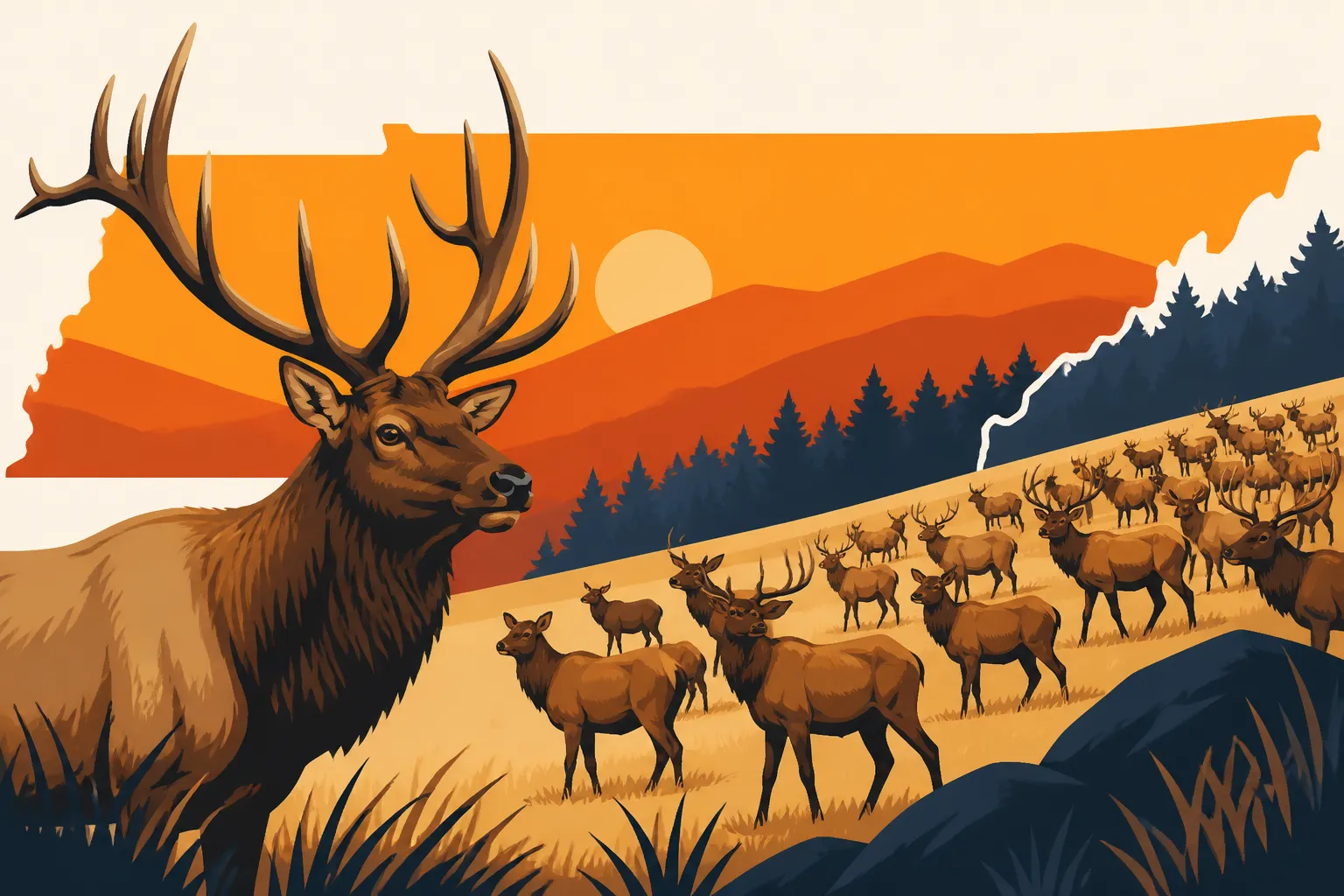
The motivations behind the elk reintroduction were multi-faceted. Ecologically, elk are grazers and browsers that play a vital role in shaping forest and field habitats. Their presence contributes to biodiversity and helps maintain a healthy balance in the ecosystem. From a recreational standpoint, the opportunity to witness or eventually hunt a truly wild elk in Tennessee was a powerful draw. Imagine seeing a bull elk bugle against the backdrop of an Appalachian sunrise – that's an experience that resonates deeply with outdoors enthusiasts. Beyond that, the reintroduction was seen as a testament to successful wildlife management, a beacon of hope for other species that might one day return.
The sheer absence of such a magnificent animal left a void in the state's wildlife heritage. Many hunters and nature lovers felt a strong connection to the idea of restoring what was lost. The economic benefits of wildlife tourism and hunting, once the herd was established, were also a consideration, promising a boost to the rural communities within the restoration zone. This wasn't just about bringing back animals; it was about bringing back a piece of Tennessee's wild soul.
Laying the Groundwork for the Future Herd
Before a single elk could set hoof in Tennessee, extensive preparations were necessary. This meant identifying suitable habitat – areas with ample forage, water, and protective cover, far enough from dense human populations to minimize conflicts. The North Cumberland Wildlife Management Area, with its vast tracts of public land and history of surface mining reclamation, emerged as the ideal location. These reclaimed lands, often replanted with grasses and legumes, offered excellent browse and open areas perfect for elk.
Beyond habitat, securing the animals themselves was paramount. This involved working with wildlife agencies in other states that had healthy, disease-free elk populations. The logistics of capturing, testing, transporting, and releasing large wild animals are incredibly complex and require specialized equipment and expertise. It's not a simple matter of loading them up; every step is carefully monitored to ensure the health and safety of the elk and to prevent the introduction of any diseases to Tennessee's existing wildlife. Organizations like GoHunt, which champion conservation efforts and support ethical hunting, would certainly appreciate the detailed planning involved in such a large-scale project.
The Arrival: From Kentucky and Beyond
The actual reintroduction phase was a landmark event, years in the making. It wasn't just a single release; it was a series of carefully managed translocations that gradually built the foundation of Tennessee's new herd. The choice of source populations and the methods of transport were critical to the success of the project.
Sourcing and Transporting the Foundation Herd
The primary source for Tennessee's elk came from a robust, thriving herd in Kentucky. Kentucky had undertaken its own successful reintroduction years prior, proving that elk could once again flourish in the Appalachian region. These elk were wild-caught, carefully sedated, and thoroughly health-screened to ensure they were free of diseases like Chronic Wasting Disease (CWD) and brucellosis. The health of the incoming animals was, and remains, a top priority to protect Tennessee's existing deer herd and other wildlife.
Imagine the sight: massive elk, temporarily tranquilized, being loaded into custom-built trailers. These weren't your average livestock trailers; they were designed to minimize stress and ensure the animals' safety during the long journey. Each elk was typically given ear tags for identification and often fitted with GPS collars to allow biologists to track their movements, monitor their health, and learn about their dispersal patterns after release. This data was invaluable in understanding how the herd was establishing itself in the new environment, and it continues to inform management decisions.
The First Steps on Tennessee Soil
Upon arrival in Tennessee, the elk weren't simply let go into the deepest woods. They were often held in large acclimation pens for a period. This allowed them to recover from the stress of transport, get accustomed to their new surroundings, and feed on local forage, preparing them for full release. It also gave biologists one last chance to observe them closely before they ventured into the vast expanse of the North Cumberland.
The initial releases occurred in the early 2000s, with a specific target number of animals being released over several years. The goal was to establish a breeding population that could sustain itself and grow. Each release was a moment of immense anticipation and celebration for everyone involved – a tangible sign of years of hard work coming to fruition. The project aimed to bring back a total of 200-300 elk to kickstart the population, and the figure of two hundred and one often stands out as a memorable number in the early phases of this incredible journey. This phased approach, releasing small groups over time, helps reduce the shock to the animals and allows them to integrate more smoothly into the new landscape.
Growth and Challenges: Establishing a Foothold
Bringing the elk back was only the first step. Ensuring their survival and facilitating population growth in a new environment presented a fresh set of challenges. Early years were crucial for monitoring calf survival, understanding movement patterns, and mitigating potential conflicts.
Early Hurdles and Survival Rates
Establishing a new population is never without its difficulties. Predators, particularly black bears and coyotes, pose a threat to vulnerable elk calves. While nature takes its course, biologists closely monitored calf survival rates, as these numbers are vital for herd growth. Weather patterns, especially harsh winters or prolonged droughts, could also impact the health and foraging success of the elk.
One of the biggest challenges was ensuring the elk stayed within the designated restoration zone, primarily the North Cumberland WMA, which spans counties like Claiborne, Campbell, Scott, Anderson, and Morgan. Elk are known to roam, and their tendency to wander onto private agricultural lands could lead to crop damage and, consequently, conflicts with landowners. This necessitated ongoing outreach and education efforts with local communities, explaining the project's goals and working to minimize negative impacts. Understanding Tennessee Elk Calf Survival Rates was a key part of these early evaluations.
The Herd Begins to Thrive
Despite the initial challenges, the Tennessee elk herd began to grow. Cow elk, once released, started breeding and producing calves, slowly but surely increasing the population. Biologists tracked the herd using GPS collars and ground surveys, observing successful calving seasons and expanding ranges. This period of natural reproduction was a major milestone, proving the suitability of the habitat and the resilience of the introduced elk.
The success demonstrated the importance of robust habitat. The mixture of dense forest cover for security and open, reseeded areas for grazing provided an ideal environment for elk to find everything they needed. Over time, the herd not only grew in numbers but also began to expand its territory, solidifying its presence as a truly wild and integral part of Tennessee's natural heritage. This natural expansion and increase in numbers laid the groundwork for future management, including Tennessee's Restored Elk Herd and the possibility of regulated hunting.
Managing the Herd: Present Day and Future
Today, the Tennessee elk herd is a testament to successful conservation. While still a relatively small population compared to some other states, it is stable and provides unique opportunities for wildlife viewing and a highly coveted hunting experience.
Ongoing Conservation and Management
The Tennessee Wildlife Resources Agency (TWRA) actively manages the elk herd, continually monitoring its health, population dynamics, and habitat use. This involves ongoing research, aerial surveys, and a vigilant eye on potential disease threats. One of the most critical aspects of management is ensuring habitat quality through controlled burns, timber thinning, and planting specific forage species that benefit elk and other wildlife.
Furthermore, community engagement remains vital. Education programs help local residents understand elk behavior and how to coexist with these large animals. This includes advising on preventing crop damage and managing livestock. For those passionate about conservation, staying informed through resources like those provided by GoHunt can offer insights into these ongoing efforts and even opportunities to support similar initiatives.
Limited Hunting Opportunities
Once the herd reached a sustainable population level, the TWRA carefully introduced a highly regulated quota hunt for elk. This isn't just about hunting; it's a critical management tool. Regulated hunting helps control herd size, manage bull-to-cow ratios, and reduce potential conflicts, while also generating funds that directly support elk research and habitat improvement.
The number of available permits for Hunting Tennessee's Restored Elk Herd is extremely limited, making it one of the most sought-after hunts in the state. Hunters must apply through a lottery system, and the odds of drawing a tag are very low, reflecting the careful balance between conservation and opportunity. Many apply year after year, dreaming of the chance to hunt a Tennessee bull. You can learn more about Tennessee Elk Quota Hunt Rules and Tennessee Elk Application Window Dates through the TWRA.
Table: Key Phases of Tennessee Elk Reintroduction
| Phase | Description | Key Challenges/Successes |
|---|---|---|
| I. Planning & Preparation | Identifying suitable habitat (primarily North Cumberland WMA), securing funding, gaining community support, and establishing management protocols. Collaborating with state and federal agencies. | Securing large tracts of public land, addressing initial landowner concerns, ensuring a robust health screening protocol for incoming animals. |
| II. Translocation & Release | Capturing disease-free elk from source states (e.g., Kentucky), safe transport, temporary acclimation in pens, and phased release into designated areas of the North Cumberland. Aimed for approximately 200-300 animals to form the foundation. | Minimizing stress on captured animals, ensuring successful acclimation to new forage and climate, initial dispersal tracking with GPS collars (critical for understanding Tennessee Elk Herd Size Today). |
| III. Establishment & Growth | Monitoring survival rates of adults and calves, tracking movement patterns, understanding breeding success, and managing potential conflicts with private landowners (e.g., crop damage). | High calf survival rates, successful breeding within the wild herd, minimizing elk wandering outside the restoration zone, ongoing landowner relations. This is where we learn How North Cumberland Elk Were Reintroduced. |
| IV. Ongoing Management | Continuous population surveys, habitat enhancement projects (e.g., food plots, controlled burns), disease monitoring (especially CWD), public education, and implementing highly regulated quota hunts to maintain herd health and population goals. | Balancing conservation with hunting opportunities, maintaining herd health against disease threats, adapting management to climate changes, ensuring sustainable growth for the Tennessee Elk Preference Point System. |
The Future of Tennessee's Elk
The future for Tennessee's elk herd looks promising, though continued vigilance and adaptive management will always be necessary. The successful reintroduction has not only brought a magnificent animal back to the state but has also become a symbol of what can be achieved through dedicated conservation efforts. From the powerful bugle of a bull echoing through the mountains during When Tennessee Elk Bugle to the rare sight of a cow with her calf in a reclaimed field, these animals enrich the landscape in countless ways.
Whether you're an avid hunter dreaming of a future tag, or simply a nature lover hoping to catch a glimpse of these impressive animals while Elk Viewing in the North Cumberland Zone, the Tennessee elk herd is a conservation success story to be celebrated. It's a testament to the power of human intervention, careful planning, and a deep respect for the wild, proving that what was once lost can indeed be found again, thriving in the hills and hollers of the Volunteer State. Exploring the Tennessee Elk Zone Boundaries Explained can help you understand where these animals roam and where future opportunities might arise.
Disclaimer
This article is for general informational purposes only and does not constitute professional advice. Laws, prices and regulations vary by location and change over time. Consult a qualified professional for guidance on your specific situation.