How North Cumberland Elk Were Reintroduced
For generations, many Tennesseans could only dream of elk thundering through our mountains and hollows. The majestic animals were once an integral part of our state's wilderness, but they vanished due to overhunting and habitat loss by the mid-1800s. It was a heartbreaking absence, leaving a void in our natural heritage that many felt deeply. This guide will walk you through the incredible journey of how these magnificent creatures were brought back to the North Cumberland region, detailing the effort, the challenges, and the vibrant herd thriving today.
A Legacy Lost: The Absence of Tennessee Elk
It’s hard to imagine the Tennessee landscape without elk today, but for well over a century, their presence was nothing more than a historical footnote. These magnificent animals, integral to the ecological fabric and cultural heritage of our state, were simply gone. Understanding why they disappeared is crucial to appreciating the monumental effort it took to bring them back.
Tracing the Historical Footprint of Elk in Tennessee
Historically, elk roamed widely across North America, and Tennessee was no exception. Fossil records and early settler accounts paint a vivid picture of elk herds inhabiting much of the state, particularly the fertile river bottoms and the vast hardwood forests of the Cumberland Plateau and Appalachian foothills. They were a significant food source for Native American tribes and early pioneers, providing sustenance and raw materials for tools and clothing. Imagine the sight and sound of a bugling bull echoing through what is now the Cherokee National Forest or the Cumberland Mountains – it must have been an awe-inspiring experience. These were not just animals; they were a symbol of wild, untamed America, deeply woven into the tapestry of the land.
The Forces Behind Extirpation: Why Elk Vanished
The demise of Tennessee's native elk population was a tragic confluence of factors, driven primarily by the rapid expansion of European settlers and their unsustainable practices. Unregulated market hunting played a massive role, with elk hunted relentlessly for their meat, hides, and antlers without any thought for population management or conservation. There were no game laws, no seasons, and no bag limits. People hunted to survive, yes, but also to profit, shipping tons of wild game to burgeoning urban markets.
Simultaneously, massive habitat destruction further sealed their fate. As settlers cleared forests for agriculture, built towns, and industrialized, the vast, unbroken tracts of wilderness that elk needed to thrive simply disappeared. Elk require large areas of diverse habitat – a mix of forests for cover and browse, and open grasslands or fields for grazing. The relentless conversion of wild lands to human uses left them no refuge. By the mid-1800s, the last native elk in Tennessee had been killed, signaling a profound loss for the state’s biodiversity and a stark reminder of human impact on the environment. It was a sobering lesson in what happens when conservation is an afterthought.
The Vision Takes Shape: Planning the Elk Restoration
The idea of bringing elk back to Tennessee wasn't just a fleeting dream; it was a deeply held aspiration for many conservationists and hunters who understood the ecological and cultural significance of these animals. The loss was keenly felt, and the desire to right that historical wrong fueled years of meticulous planning and dedicated effort. It wasn't a quick decision, but rather a long, arduous process built on scientific research, collaboration, and a whole lot of passion.
Forging Partnerships and Securing Funding
Bringing a species back from extirpation is a massive undertaking, far too big for any single agency or group. The Tennessee Wildlife Resources Agency (TWRA) spearheaded the initiative, but they quickly recognized the need for broad collaboration. Crucial partnerships were forged with organizations like the Rocky Mountain Elk Foundation (RMEF), whose expertise in elk reintroduction programs across North America proved invaluable. The RMEF didn't just bring knowledge; they brought significant financial support, helping to fund everything from habitat assessment to animal acquisition and monitoring.
Local governments, private landowners, and numerous dedicated volunteers also played a pivotal role. Securing funding was a constant challenge, but grants from conservation groups, state allocations, and enthusiastic private donations ensured the project could move forward. This wasn't just about throwing money at the problem; it was about building a coalition of like-minded individuals and organizations, all united by the common goal of seeing elk return to the Cumberland Mountains. Without this diverse network of support, the dream would have remained just that – a dream.
The Search for Source Herds: Where Would They Come From?
Once the commitment was made, the next critical step was finding suitable source herds. You can't just pick elk from anywhere; you need healthy, genetically robust animals from areas with similar ecological conditions to give them the best chance of survival in their new home. After extensive research and coordination, the TWRA identified Kentucky and Alberta, Canada, as the primary sources for Tennessee's new elk.
Kentucky, in particular, had a highly successful elk reintroduction program of its own, making their animals well-acclimated to an Appalachian environment. Over several years, starting in December 2000, elk were live-trapped from these healthy, established populations. These weren't easy operations; trapping wild elk is a complex logistical dance involving specialized equipment, veterinary care, and expert handlers to ensure the animals' safety and minimize stress. Each animal underwent thorough health screenings to prevent the introduction of diseases, a critical component of any reintroduction effort. This careful selection and preparation were foundational to the program's success, setting the stage for the elk's journey home.
Choosing the Right Home: Release Sites and Initial Care
The choice of release site was paramount. It needed to be a place with expansive habitat, minimal human disturbance, and a clear vision for long-term management. The North Cumberland Wildlife Management Area (WMA), spanning over 140,000 acres across Scott, Campbell, Claiborne, Anderson, and Morgan counties, emerged as the ideal location. This sprawling expanse of reclaimed strip mines, mature forests, and growing fields offered a diverse mosaic of food, water, and cover – everything a burgeoning elk herd would need to thrive. If you've ever spent time up on the Cumberland Plateau, you know just how rugged and wild that country can be, making it a perfect fit for a wild species like elk.
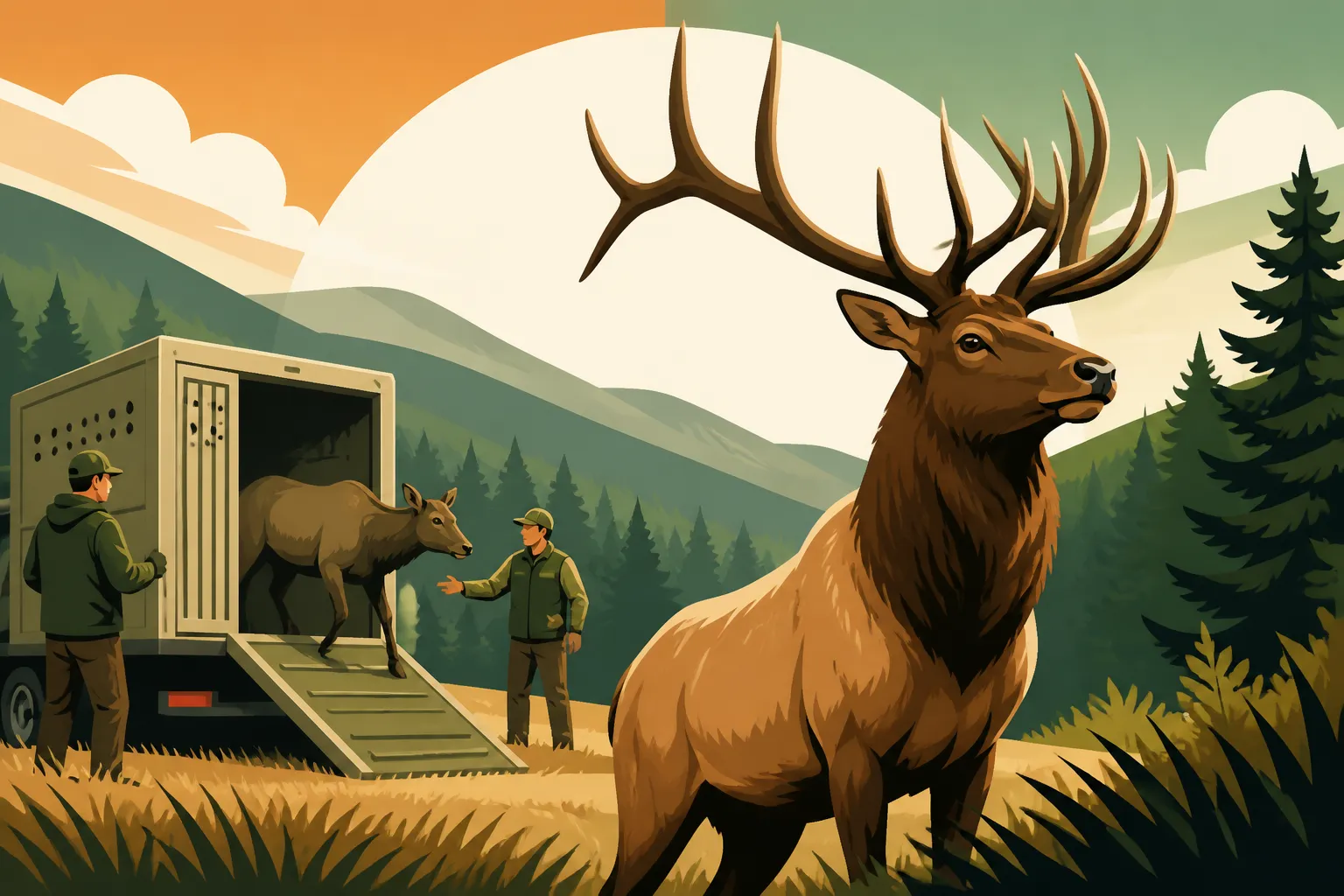
The first release of 50 elk occurred in December 2000 in the Hatfield Knob area of Campbell County. This was a momentous occasion, culminating years of planning and hard work. But the work didn't stop there. Upon arrival, each elk was fitted with a radio collar, allowing biologists to track their movements, monitor their health, and gather crucial data on their adaptation to the new environment. Initial care involved providing supplemental food in designated areas to help them acclimate, as well as ongoing monitoring for any signs of stress or disease. It was a careful balance of allowing them to be wild while providing just enough support to ensure the initial population took root. These early years were incredibly nerve-wracking for everyone involved, a true test of whether the dream of a restored herd would become a reality. If you're looking into How Two Hundred and One Elk Built a Herd, you'll see just how critical these initial releases and monitoring efforts were.
Overcoming Hurdles: Challenges and Triumphs of Restoration
Bringing back a wild animal that has been absent for over a century is rarely a smooth process. The Tennessee elk restoration faced its fair share of challenges, from ensuring the animals' health to managing their interactions with human populations. But through careful management and dedicated effort, these hurdles were largely overcome, leading to some truly remarkable successes.
The Ever-Present Threat of Disease Management
One of the biggest concerns with any wildlife reintroduction is the potential for disease. Bringing animals from different regions can introduce new pathogens, or the stress of relocation can make them more susceptible to existing diseases. The TWRA and its partners implemented stringent health protocols for all incoming elk, testing them for a range of illnesses, including Chronic Wasting Disease (CWD), before they ever set hoof in Tennessee. While CWD wasn't an issue during the initial reintroduction, its later emergence in other deer populations across the state highlights the constant vigilance required.
Monitoring the health of the free-ranging herd remains a top priority. Biologists regularly observe the elk and collect samples when possible to detect any outbreaks early. This proactive approach has been instrumental in keeping the herd healthy and preventing widespread disease, which could devastate a recovering population. It's a testament to the scientific rigor applied to the program that no major disease event has derailed the progress.
Adapting to a New Old Home: Habitat and Forage
While the North Cumberland WMA offered promising habitat, it wasn't a perfect replica of the elk's original range or their Kentucky and Alberta homes. The elk had to adapt to new forage types, different predator pressures, and the unique topography of the Cumberland Mountains. Early on, supplemental feeding helped them get established, but the long-term success depended on their ability to utilize natural food sources.
The landscape, particularly the reclaimed mine lands, actually provided a benefit. These areas often feature a mosaic of early successional vegetation, like grasses and forbs, which are prime elk forage. The TWRA and partners also actively manage habitat within the Tennessee Elk Zone Boundaries Explained to ensure a consistent supply of food and cover. This includes prescribed burns, timber harvests, and planting food plots designed to benefit elk and other wildlife. Seeing these massive animals thriving on the natural landscape, knowing they adapted so well, is one of the project's greatest triumphs. Their ability to integrate seamlessly back into the ecosystem speaks volumes about the quality of the habitat and the resilience of the elk themselves.
Witnessing Growth: From a Handful to a Thriving Population
The ultimate success of any reintroduction program is measured by population growth and the establishment of a self-sustaining herd. In this regard, Tennessee's elk restoration has been nothing short of spectacular. From those initial 50 elk released in 2000, and a total of 201 animals released over a few years, the herd has grown steadily and robustly.
Today, the North Cumberland elk herd is estimated to be well over 400 animals, a testament to their adaptability and the dedicated management efforts. This growth allows for limited, highly sought-after hunting opportunities, which we'll discuss more later. Each year, new calves hitting the ground are a clear sign of a healthy, reproducing population. For anyone who remembers a Tennessee without elk, witnessing the sight of a herd grazing in a mountain field or hearing a bull bugle during the rut is a profoundly moving experience. It proves that with sustained effort and a deep respect for wildlife, we can reverse historical wrongs and bring back what was lost. The population now is a powerful symbol of what collaborative conservation can achieve. If you want to know How Many Elk Live in North Cumberland, the answer is a healthy and growing number, far exceeding initial expectations.
Elk in Tennessee Today: A Majestic Presence
The majestic presence of elk is no longer a historical memory in Tennessee; it's a vibrant reality, particularly in the North Cumberland region. Their return has not only enriched the natural landscape but has also created new opportunities for wildlife viewing, scientific study, and even highly regulated hunting.
Current Herd Numbers and Geographic Spread
The Tennessee Wildlife Resources Agency (TWRA) closely monitors the elk population, and as mentioned, the herd is estimated to be thriving, with numbers well over 400 animals. These elk primarily inhabit the five-county Why the Restoration Zone Spans Five Counties, which includes Campbell, Claiborne, Scott, Anderson, and Morgan counties. While the core population remains centered around the North Cumberland WMA, individual elk and small groups occasionally disperse into surrounding areas, testing the boundaries of their established range.
Their growth has been impressive, showing consistent recruitment of calves each year. This robust population allows for careful management and ensures the herd’s long-term viability. The success here is a beacon of hope for other wildlife restoration efforts and proves that the habitat in this part of Tennessee is truly suitable for these magnificent creatures.
Prime Opportunities for Elk Viewing in North Cumberland
You don't have to be a hunter to appreciate the return of elk. In fact, Elk Viewing in the North Cumberland Zone has become a popular activity for nature enthusiasts, photographers, and families. The Hatfield Knob Elk Viewing Tower and surrounding trails in Campbell County are specifically designed to offer public viewing opportunities. This is often the best place to go, particularly during the early morning and late evening hours, when elk are most active.
During the fall, the bugling season is an incredible time to visit. To hear the haunting calls of a bull elk echoing through the mountains is an unforgettable experience. Even outside of peak times, spotting elk can be a truly rewarding endeavor. Patience is key, and bringing a good pair of binoculars or a spotting scope can make all the difference. Always remember to maintain a safe and respectful distance from wild animals, ensuring their natural behaviors are undisturbed.
The Highly Coveted Tennessee Elk Quota Hunt
For hunters, the return of elk represents a once-in-a-lifetime opportunity. The TWRA manages a highly restricted elk quota hunt, designed to maintain a healthy herd while providing limited, high-quality hunting experiences. Tennessee Elk Quota Hunt Rules are strict, reflecting the conservation-first approach to managing this precious resource.
The number of permits issued each year is extremely low – typically less than 20 for firearms and even fewer for archery-only seasons. The demand is incredibly high, with thousands of applicants vying for a chance at a tag. This makes drawing an elk tag in Tennessee one of the most challenging and coveted hunting opportunities in the state. Hunters often use platforms like GoHunt to research drawing odds, understand Tennessee Elk Application Window Dates, and stay informed about the latest regulations for Hunting the General Firearms Elk Season. Even if you don't draw a tag, supporting the Tennessee Elk Restoration Program through license purchases and donations helps ensure these magnificent animals continue to thrive. If you're serious about pursuing an elk tag, dedicating time to researching and applying through resources like GoHunt is a smart strategy.
Ecological and Economic Ripples: Impact of Elk Restoration
The reintroduction of elk in Tennessee wasn't just about bringing back a species; it was about reintroducing a powerful force into the ecosystem and generating significant economic benefits for a region that truly needed it. The ripples of this effort extend far beyond the elk themselves, touching the land and the lives of the people who live near the restoration zone.
Boosting Local Economies and Tourism
The North Cumberland region, like many rural areas, often faces economic challenges. The elk herd has become a significant draw, breathing new life into local economies. Tourists flock to the area for Elk Viewing in the North Cumberland Zone, particularly during the fall bugling season. These visitors need places to stay, eat, and buy supplies, directly benefiting local businesses. Small towns like LaFollette, Caryville, and Jacksboro see increased traffic to their hotels, restaurants, and gas stations.
Furthermore, the highly anticipated elk hunt, while limited, brings a specific type of economic activity. Hunters travel from across the state and even beyond, purchasing gear, lodging, food, and guide services. This influx of visitors supports local outfitters, taxidermists, and other related businesses. The presence of elk creates jobs and stimulates commerce, proving that sound conservation initiatives can also be powerful economic drivers for rural communities. It's a fantastic example of how wildlife can be a sustainable resource in more ways than one.
Enhancing Ecosystem Health and Biodiversity
Elk are keystone species, meaning their presence has a disproportionately large impact on their environment. As large herbivores, their grazing and browsing habits help shape plant communities, creating diverse habitats that benefit a wide array of other wildlife. For instance, their foraging can help keep overgrown areas from becoming monocultures, allowing more diverse understory plants to flourish, which in turn provides food and cover for smaller animals.
The return of elk contributes directly to the overall biodiversity of the North Cumberland region. Their presence fills an ecological niche that has been empty for over a century, restoring a natural balance to the forest ecosystem. This includes everything from the plants they eat to the predators that might eventually follow them, further enriching the food web. The return of these animals helps restore the very essence of what makes a wild landscape truly wild, making the habitat healthier and more resilient for generations to come.
Fostering a Culture of Conservation and Education
The elk restoration project has been a powerful educational tool, inspiring a renewed passion for conservation among Tennesseans. It serves as a living lesson in how human impact can decimate a species, but also how dedicated effort can bring it back. This success story encourages public engagement in wildlife management and generates broader awareness about the importance of healthy ecosystems.
Educational programs and outreach efforts have helped people understand the intricacies of wildlife management, the challenges of reintroduction, and the ongoing needs of the elk herd. Many hunters, even those who may never draw an elk tag, contribute through their license fees and by following best practices while Scouting Tennessee Public Land Before Season. Groups like the RMEF, along with the TWRA, continue to educate the public and secure funding for ongoing habitat work. The elk have become ambassadors for conservation, showing us what's possible when we commit to protecting and restoring our natural world. Resources like GoHunt's educational content also play a role in informing hunters about species management and conservation ethics.
Looking Ahead: The Future of Tennessee's Elk
The journey of elk restoration in Tennessee has been a resounding success, but it's an ongoing story. The future holds continued management, potential for range expansion, and the exciting prospect of more sustainable hunting opportunities for those willing to Prepare for a North Cumberland Elk Hunt.
Ongoing Management and Research
Maintaining a healthy and thriving elk herd requires continuous effort. The TWRA biologists will continue to monitor the population, tracking birth rates, mortality rates, and overall herd health. This involves aerial surveys, field observations, and analyzing data from collared animals. Research into their habitat use, dietary preferences, and potential interactions with other species will inform future management decisions.
One key aspect of management is balancing the herd's growth with carrying capacity – the maximum number of animals the habitat can sustainably support without causing degradation. This is where Tennessee's Restored Elk Herd management comes into play, ensuring a balance between nature and human activity. The goal isn't just to have elk; it's to have a healthy, wild elk population that thrives naturally. This vigilance ensures that the legacy of elk in Tennessee will endure for future generations.
Potential for Expanding the Elk's Range
While the North Cumberland WMA is the heart of Tennessee's elk country, there's always the question of whether the elk will naturally expand their range, or if management efforts might facilitate controlled expansion into other suitable habitats. The Cumberland Plateau, with its vast tracts of timber and varying terrain, offers other potential areas. However, any expansion would need careful consideration, taking into account landowner acceptance, potential for human-wildlife conflict, and the availability of suitable, contiguous habitat.
The success of the initial reintroduction has shown what's possible, and as the herd continues to grow, natural dispersal is inevitable. Whether this dispersal leads to self-sustaining satellite herds in new areas will depend on many factors, including habitat quality and human tolerance. The TWRA will be watching these movements closely, using their data to inform any decisions about future management beyond the current restoration zone.
Envisioning Future Hunting Opportunities
For hunters, the dream of pursuing an elk in Tennessee is slowly becoming a reality for a lucky few. As the herd continues to grow and prove its long-term viability, there's the potential for a slight increase in hunting opportunities, though permits will likely always remain highly limited. The goal is sustainable hunting that respects the species and the resource.
This means that while the chances are slim, the dedicated hunter who consistently applies for a tag will always have a chance. Platforms like GoHunt will continue to be a vital resource for tracking application deadlines and understanding the nuances of the permit draw. Learning about Calling a North Cumberland Bull Elk or the best rifle setups for elk in this terrain are all part of the preparation for those who hope to one day fulfill that dream. The future of elk hunting in Tennessee is bright, albeit exclusive, offering a truly unique experience that connects hunters to a piece of Tennessee's wild heritage that was almost lost forever.
Summary of Tennessee Elk Restoration
To give you a clearer picture of the incredible journey of Tennessee's elk, here's a brief overview of the key phases and statistics:
| Aspect | Description |
|---|---|
| Historical Status | Native to Tennessee, extirpated by the mid-1800s due to unregulated hunting and habitat destruction. |
| Reintroduction Start | December 2000, with the first release of 50 elk. |
| Source Herds | Primarily Kentucky and Alberta, Canada. Total of 201 elk released between 2000-2008. |
| Primary Release Area | North Cumberland Wildlife Management Area (WMA), spanning five counties (Campbell, Claiborne, Scott, Anderson, Morgan). |
| Current Herd Estimate | Over 400 animals, indicating a robust and growing population. |
| Key Challenges | Disease management, habitat adaptation, minimizing human-wildlife conflict. |
| Key Successes | Establishment of a self-sustaining herd, significant population growth, increased biodiversity, economic benefits for local communities, and enhanced conservation awareness. |
| Viewing Opportunities | Hatfield Knob Elk Viewing Tower in Campbell County is a prime location, especially during bugling season (When Tennessee Elk Bugle). |
| Hunting Opportunities | Highly coveted, limited quota hunts managed by TWRA. Very low number of permits issued annually (Applying for a North Cumberland Elk Permit). |
| Future Outlook | Continued monitoring and management, potential for natural range expansion, and sustainable, albeit limited, hunting opportunities. |
Disclaimer
Please note that wildlife regulations, season dates, and permit requirements can change. Always consult the latest Tennessee Wildlife Resources Agency (TWRA) regulations before planning any hunting or wildlife viewing activities. This information is for general guidance and educational purposes only.