Tennessee’s Twenty-One CWD Counties
It’s a tough pill to swallow, but chronic wasting disease (CWD) has become an undeniable reality for deer hunters here in Tennessee. The spread of this insidious neurological disease brings with it a whole new layer of complexity and worry, making everything from planning your hunt to processing your harvest a bit more challenging. This guide is here to walk you through exactly what’s happening on the ground, focusing on the specific twenty-one counties now designated within the CWD Management Zone (CMZ), helping you understand the regulations and how they impact your time in the woods.
Understanding Chronic Wasting Disease and Its Impact
For many of us, the news of CWD arriving in Tennessee was a gut punch. This isn't just another wildlife disease; it's a persistent, fatal neurological condition that affects deer, elk, and moose. It's a game-changer for deer management and, by extension, for every hunter who cherishes the tradition of pursuing whitetails in our beautiful state. Learning about CWD isn't about fear-mongering; it's about being an informed, responsible steward of our wildlife.
The Biology of CWD: What Hunters Need to Know
CWD is caused by abnormal proteins called prions. These aren't bacteria or viruses, which means they behave differently and are incredibly resilient in the environment. When a deer becomes infected, these prions slowly accumulate in the brain and nervous system, eventually leading to symptoms like drastic weight loss, stumbling, drooling, and a general loss of fear of humans. It’s truly heartbreaking to see an animal suffering from it. What makes CWD so concerning is that these prions can persist in the soil for years, meaning an area can remain infectious even after an infected animal is gone. This environmental persistence is why containing its spread is such a monumental task. The disease can spread through direct contact between animals or indirectly through contact with contaminated soil, plants, or even urine and saliva. It’s a silent threat that can take years to show outward symptoms, which means infected deer can be spreading the disease long before we even know they are sick.
Impact on Deer Health and Population
The long-term impact of CWD on Tennessee's deer population is what keeps wildlife biologists and hunters up at night. While we haven't seen widespread population crashes yet in our state, other areas where CWD has been established for decades have experienced significant declines in deer numbers and changes in age structure. Imagine a forest where deer are visibly suffering, where the herds aren't as robust, and where the thrill of the hunt is tinged with the worry of disease. That's the potential future if CWD isn't managed effectively. The disease primarily affects adult deer, especially bucks, which can have a ripple effect on herd dynamics, breeding success, and overall genetic health. Our deer are a precious resource, and anything that threatens their vitality affects all of us who appreciate them.
Why Hunters Are Key to Management
You, the hunter, are absolutely crucial in the fight against CWD. Without your participation, the Tennessee Wildlife Resources Agency (TWRA) wouldn't stand a chance. Every deer harvested, every sample submitted for testing, every carcass handled according to regulations – it all contributes to understanding the disease's prevalence and slowing its spread. This isn't just about following rules; it's about being part of the solution. It means being extra diligent in the field, recognizing potential symptoms, and reporting anything suspicious. It also means understanding and adhering to the guidelines for Deboning Venison Before Leaving the CWD Zone and ensuring you're doing your part to prevent further contamination. Your actions have a direct impact on the future of deer hunting in Tennessee.
The CWD Management Zone: The 21 Affected Counties
When CWD was first detected in our state, it sent shockwaves through the hunting community. It was a moment many of us hoped would never come. Understanding the evolution of the CWD Management Zone (CMZ) is vital, as it directly influences where and how we hunt. The CMZ isn't a static boundary; it's a dynamic area that expands as the disease is detected in new locations.
The First Discovery: Where and When
The initial detection of CWD in Tennessee occurred in December 2018 in Fayette County, located in the southwestern corner of the state. This was a critical and concerning moment. Prior to this, CWD had been detected in surrounding states, raising fears that it was only a matter of time before it crossed into our borders. Learning Which County Found Tennessee's First CWD Case highlights just how close to our borders the disease was already lurking. Once confirmed, the TWRA immediately implemented emergency measures to contain the outbreak and begin extensive surveillance. This wasn't an isolated incident; it was the start of a new era for deer management in Tennessee.
How CWD Progressed Eastward
Initially, the disease was concentrated in a handful of counties in West Tennessee, primarily those bordering Mississippi. However, as widespread testing continued and deer populations moved, CWD began to creep eastward. It's a slow, often unnoticeable progression, with new positive detections expanding the designated CWD-positive and high-risk zones. The challenge lies in the nature of deer movement and the disease's environmental persistence. A single infected deer moving a few miles can introduce prions to a new area. This is why understanding How CWD Spread East From West Tennessee is so important – it informs the strategies for containing it and highlights the interconnectedness of our deer herds across the landscape. Hunters traveling between regions unknowingly carrying infected carcass parts also played a role in this progression, emphasizing the need for strict carcass transport regulations.
Identifying the 21 CWD-Positive and High-Risk Counties
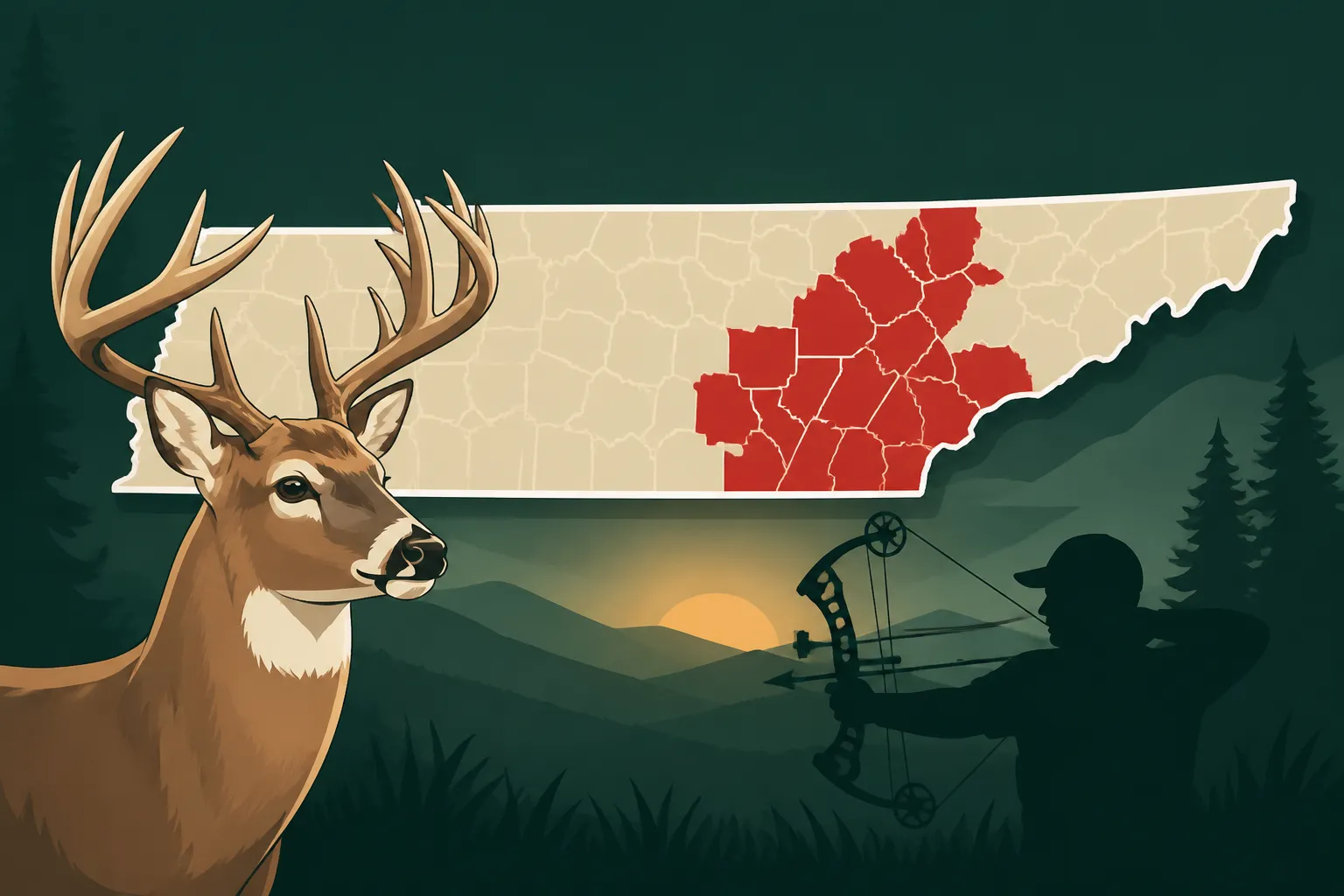
Currently, Tennessee's CWD Management Zone encompasses a total of 21 counties, divided into two categories: CWD-positive counties and CWD high-risk counties. It’s crucial to know which category your hunting grounds fall into, as regulations can vary.
CWD-Positive Counties (15): These are the counties where CWD has been definitively detected in wild deer.
- Benton
- Carroll
- Chester
- Crockett
- Fayette
- Gibson
- Hardeman
- Haywood
- Henderson
- Henry
- Lauderdale
- Madison
- McNairy
- Obion
- Shelby
- Tipton
- Weakley
CWD High-Risk Counties (6): These counties are adjacent to CWD-positive counties and are considered at high risk for future CWD detection. While CWD may not have been detected in these specific counties yet, they fall under the CMZ for precautionary measures.
- Decatur
- Giles
- Hardin
- Lawrence
- Wayne
This combined list represents the 21 counties that are currently under enhanced CWD regulations. Staying informed about these boundaries is paramount for any hunter in the state.
Here's a quick overview of the current CWD Management Zone counties:
| CWD Status | County Name | Region |
|---|---|---|
| CWD-Positive | Benton | West/Middle |
| CWD-Positive | Carroll | West |
| CWD-Positive | Chester | West |
| CWD-Positive | Crockett | West |
| CWD-Positive | Fayette | West |
| CWD-Positive | Gibson | West |
| CWD-Positive | Hardeman | West |
| CWD-Positive | Haywood | West |
| CWD-Positive | Henderson | West |
| CWD-Positive | Henry | West |
| CWD-Positive | Lauderdale | West |
| CWD-Positive | Madison | West |
| CWD-Positive | McNairy | West |
| CWD-Positive | Obion | West |
| CWD-Positive | Shelby | West |
| CWD-Positive | Tipton | West |
| CWD-Positive | Weakley | West |
| CWD High-Risk | Decatur | Middle |
| CWD High-Risk | Giles | Middle |
| CWD High-Risk | Hardin | West/Middle |
| CWD High-Risk | Lawrence | Middle |
| CWD High-Risk | Wayne | Middle |
Note: Boundaries and classifications can change. Always check the latest TWRA regulations.
Resources for Locating CWD Zones
Navigating these zones can feel like trying to solve a puzzle, especially when you're planning a trip to a new area. Thankfully, there are tools to help. The TWRA's website is the first place to check for the most up-to-date maps and regulations. They provide detailed maps that clearly delineate the CWD-positive and high-risk areas. Beyond that, many hunters find invaluable assistance from mapping applications. Platforms like GoHunt, for instance, often integrate TWRA's CWD zone data directly into their map layers, allowing you to visually see if your planned hunting spot falls within a restricted area. This can be a huge time-saver and prevent unintended violations. Don't forget that scouting apps that include Scouting With the Tennessee TWRA App can also be tremendously useful for this kind of critical planning.
Navigating CWD Regulations: Rules for Hunters in Affected Areas
Okay, so you know which counties are in the CMZ. Now comes the nitty-gritty: understanding the rules. These regulations are in place for a reason – to minimize the spread of CWD – and while they might feel like a hassle, they are absolutely necessary. Ignoring them isn't just a violation; it's a disservice to our wildlife.
Carcass Movement Restrictions and Deboning Requirements
This is arguably one of the most significant changes for hunters. If you harvest a deer in a CWD-positive or high-risk county, you cannot simply load it whole into your truck and take it home to another county, especially outside the CMZ. This is to prevent the transport of potentially infected prions in bone, brain, and spinal cord tissue to new areas. The core of the regulation is about minimizing risk. For instance, if you harvest a deer in a CWD-positive county, you are generally only allowed to transport deboned meat, antlers (without skull plate attached, or with a clean skull plate), finished taxidermy products, and hides out of that county or the CMZ. This is where Carcass Deboning Requirements come into play. Many hunters now learn to field process their deer more thoroughly, removing all meat from the bone before leaving the CWD zone. This might mean investing in better field dressing tools, larger game bags, or simply dedicating more time to the process right where you kill the animal. It's a commitment, but it's a vital one.
Mandatory and Voluntary CWD Testing for Hunters
Testing is the backbone of CWD surveillance. In CWD-positive and high-risk counties, the TWRA often implements mandatory or voluntary testing efforts, especially during opening weekends or specific periods. Mandatory testing means you must submit a sample from your harvested deer at a designated checking station or drop-off location. Voluntary testing encourages hunters to submit samples, providing valuable data even when not required. These samples, typically lymph nodes from the deer's neck, are then analyzed to determine the presence of CWD prions. This is how the TWRA monitors the disease's prevalence and spread, informing future management decisions. You can find locations for submitting samples and get more details on Tennessee CWD Testing for Hunters on the TWRA website. It’s all about gathering the most accurate information possible to keep our deer healthy.
The Earn-a-Buck Program and Bonus Tags
To encourage hunter participation and increase the harvest of deer, particularly does, in CWD-affected areas, the TWRA has implemented programs like the Earn-a-Buck incentive and bonus antlerless tags. In certain CWD-positive counties, if you submit an antlerless deer for CWD testing, you might earn a bonus tag for an antlered deer. This strategy aims to reduce overall deer density, which can help slow the spread of CWD, while also providing hunters with more opportunities. Additionally, many CWD-affected counties have increased antlerless bag limits, allowing hunters to take more does to help manage the herd. Understanding these specific incentives, such as the nuances of Tennessee's Earn-a-Buck CWD Program, can be a significant advantage, especially if you're looking to fill the freezer while contributing to conservation efforts. These programs highlight the TWRA's commitment to adapting to the CWD challenge and working with hunters.
Looking Forward: The Future of CWD Management and Hunting in Tennessee
CWD is a long-term challenge, and there's no magic bullet to make it disappear. The future of hunting in Tennessee, especially in the CWD Management Zone, will require ongoing adaptation, research, and unwavering commitment from both wildlife agencies and hunters. It's about finding a sustainable path forward where we can continue our cherished traditions while safeguarding the health of our deer herds.
Ongoing Research and Monitoring Efforts
The fight against CWD isn't just happening in the field; it's also happening in labs and through intensive monitoring programs. Researchers are constantly working to better understand CWD prions, how they spread, and potential ways to mitigate their impact. The TWRA continues extensive surveillance, collecting thousands of samples annually from harvested deer, roadkill, and even sick deer reported by the public. This data is critical for tracking prevalence, identifying new positive areas, and evaluating the effectiveness of management strategies. It's a continuous, science-driven effort, and it’s why our participation in things like mandatory testing is so vital. Keeping up with Tennessee Wildlife Disease Monitoring reports can give you a deeper insight into these ongoing efforts and the health of our broader deer population.
Hunter Involvement: The Crucial Role of Sportsmen
We cannot overstate the importance of hunter involvement. You are the eyes and ears in the field, often the first to notice changes in deer behavior or health. Your willingness to adapt to new regulations, submit samples, and adhere to carcass transport rules is the single most important factor in managing CWD. This includes everything from being responsible about Hunting Pressure on Tennessee Public Land to ensuring ethical practices wherever you hunt. It means educating yourself and your fellow hunters, not succumbing to misinformation, and supporting the science-based decisions made by the TWRA. This is our herd, our hunting heritage, and our responsibility. The long-term health of Tennessee's white-tailed deer population truly rests in our collective hands.
Adapting Hunting Strategies for CWD Areas
Hunting in CWD-affected areas might require some adjustments to your usual strategies. For example, some hunters in CWD-positive counties might focus more on antlerless harvests, taking advantage of increased limits or incentive programs. This can also lead to more intense scouting, using tools like GoHunt, to identify pockets of healthy deer and understand local herd dynamics. You might find yourself prioritizing areas with less pressure or focusing on habitat that promotes healthier deer. Considerations like scent control become even more paramount. Even how you plan your hunt, from where you park your truck to how you get your deer out of the woods, might need to be re-evaluated to ensure compliance with carcass movement rules. It’s about being thoughtful and intentional with every aspect of your hunt, understanding that every action contributes to the bigger picture. Hunters might find themselves adapting tactics they use in general deer hunting, such as being mindful of Deer Drives With Three or Four Hunters to minimize stress on the herd, or even just being more observant when Reading Tennessee Mud for Fresh Deer Movement.
Disclaimer
The information provided in this article is for general guidance and informational purposes only. Hunting regulations and CWD management zones in Tennessee are subject to change. Always consult the latest official regulations from the Tennessee Wildlife Resources Agency (TWRA) before planning any hunting activity. It is the hunter's responsibility to know and abide by all current laws and regulations.