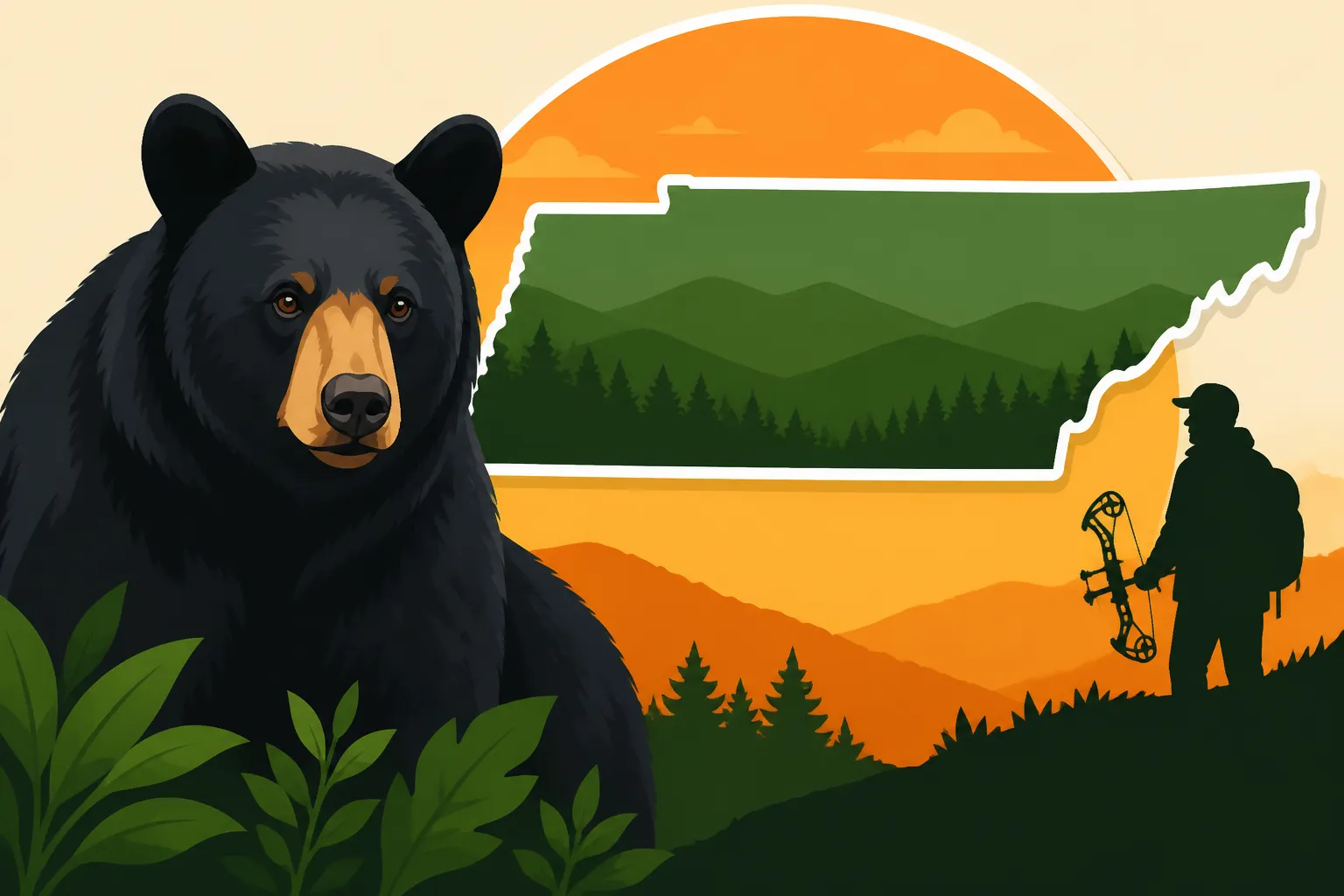
How Many Black Bears Tennessee Has
If you've spent any time exploring the beautiful wild spaces of Tennessee, from the peaks of the Appalachians to the rolling hills of the Cumberland Plateau, you've likely wondered about our state's thriving black bear population. It's a question many of us ponder, especially as sightings become more frequent and our outdoor adventures bring us closer to these magnificent animals. This guide is dedicated to shedding some light on the current status of black bears in Tennessee, how their numbers have rebounded, and what factors contribute to their continued presence across the state, giving you a clearer picture of their remarkable journey.
Understanding Tennessee's Black Bear Population Estimates
Figuring out the exact number of black bears roaming Tennessee isn't as simple as counting sheep in a field. Wildlife biologists and researchers at the Tennessee Wildlife Resources Agency (TWRA) employ a variety of methods to estimate population figures, but it's important to remember these are always educated estimates, not precise headcounts. These estimates are crucial for proper management, setting hunting seasons, and ensuring the long-term health of the species. When we talk about how many black bears Tennessee has, we're really discussing a dynamic population that fluctuates based on a multitude of environmental and biological factors.
The Science Behind the Numbers
Wildlife agencies don't just guess; they use a combination of techniques to arrive at their population estimates. One common method involves collecting DNA samples from hair snares or scat, which allows them to identify individual bears and estimate population density in specific areas. They also rely heavily on harvest data from hunting seasons, anecdotal reports from the public, and field observations. For instance, if you're out scouting using a tool like GoHunt, you might inadvertently contribute to their understanding by reporting sightings or sign in areas where bears are less commonly documented. This collective data helps paint a picture of distribution and approximate numbers, especially in the core areas where bears are most prevalent.
Think about the sheer scale of the Cherokee National Forest or the wild areas around the Great Smoky Mountains National Park; these are vast, rugged landscapes where bears can roam for miles without encountering humans. This makes direct counting practically impossible. Instead, TWRA tracks trends – are numbers increasing, decreasing, or stable? Are bears expanding into new territories? These trend analyses are often more valuable than a single, static number, as they inform conservation strategies and hunter opportunities.
Growth Trends and Expansion
For many years, the story of black bears in Tennessee has been one of remarkable recovery and growth. From a critically low point in the mid-20th century, their numbers have steadily climbed, thanks to dedicated conservation efforts and habitat restoration. The population isn't just growing within its traditional strongholds; it's also expanding its range. You might remember a time when seeing a bear outside of the far eastern counties was a truly rare event. Now, it's becoming less uncommon to hear about sightings much further west, a testament to the health and resilience of the species. This expansion means more bears are venturing into areas with more human activity, which brings its own set of challenges that wildlife managers are constantly working to address.
This growth is exciting for those of us who appreciate Tennessee's wild heritage, but it also means we need to be more aware and responsible when we're in bear country. Understanding Tennessee's Black Bear Population growth patterns helps us appreciate the success of these conservation initiatives and prepares us for potential encounters in new areas.
The Remarkable Story of Black Bear Recovery
It's easy to take for granted the sight of a black bear in Tennessee today, but their presence is a true conservation success story, born from decades of dedicated effort. There was a time when black bears were on the brink of extirpation in our state, pushed out by habitat loss, unregulated hunting, and human encroachment. Their journey from rarity to relatively common is one that should inspire every outdoor enthusiast.
From Near Extinction to Resurgence
By the early 1900s, black bears had all but vanished from Tennessee, confined to tiny, isolated pockets deep within the most remote sections of the Appalachian Mountains. The vast hardwood forests that once covered much of the state were cut down for timber and agriculture, leaving little suitable habitat for these wide-ranging animals. Hunting regulations were either non-existent or poorly enforced, further depleting their numbers. It was a bleak outlook for the species, and many believed they would never truly recover in the Volunteer State.
However, the tide began to turn with the establishment of large protected areas like the Great Smoky Mountains National Park and the Cherokee National Forest, which provided crucial refuges. Over time, these areas became the nurseries for Tennessee's bear population. Strict hunting regulations, habitat improvement projects, and a growing public awareness of wildlife conservation played pivotal roles. The bears slowly, but surely, began to reclaim their ancestral territories. It's a powerful reminder that with sustained effort, we can make a real difference in the lives of our wildlife.
Key Restoration Areas
The heart of Tennessee's black bear recovery lies in the eastern mountainous regions. The Great Smoky Mountains National Park has always served as a vital sanctuary, boasting one of the densest bear populations in the eastern United States. From this core, bears naturally expanded into the surrounding areas of the Cherokee National Forest, particularly the vast tracts of public land. You can see the importance of these areas when you look at how the state manages its hunting seasons; for instance, the regulations around Hunting Bear Zone One in Northeast Tennessee reflect the higher bear densities in those traditional habitats.
The Cherokee National Forest Hunting provides thousands of acres of critical habitat, offering bears the vast, contiguous woodlands they need to thrive. As the population grew within these strongholds, younger bears, particularly males, began to disperse, venturing further into the Cumberland Plateau and even parts of Middle Tennessee. This natural expansion, coupled with thoughtful wildlife management by the TWRA, has been instrumental in the black bear's resurgence across the state. This natural dispersion is how we've seen an increase in bears in other parts of the state, slowly but surely.
Factors Influencing Tennessee Bear Numbers
Understanding how many black bears Tennessee has isn't just about counting; it's about appreciating the complex web of factors that allow these populations to grow, sustain themselves, or even face challenges. From the availability of their favorite foods to how humans interact with them, every piece of the puzzle contributes to the overall health and size of the bear population.
Habitat and Food Availability
The foundation of a healthy bear population is, without a doubt, quality habitat and abundant food. Black bears are omnivores, meaning they eat both plants and animals, but their diet is predominantly vegetarian. They rely heavily on seasonal mast crops – acorns, hickory nuts, and other hard fruits – especially in the fall to build up fat reserves for winter denning. Soft mast like berries, wild grapes, and black cherries are also critical components of their diet throughout the warmer months.
When these natural food sources are plentiful, bears tend to be healthier, sows have more cubs, and cub survival rates increase. Conversely, a poor mast year, perhaps due to late frosts or drought, can lead to bears being less healthy, fewer cubs, and more widespread foraging behavior, sometimes bringing them into closer contact with human communities as they seek alternative food sources. This is why knowing about Tennessee Bear Denning Behavior is so important; a well-fed bear entering its den has a much better chance of successfully raising its young.
Reproduction and Survival Rates
Black bears typically reproduce slowly compared to many other wildlife species. Females usually don't have their first litter until they are three to five years old, and then they generally only breed every other year, or sometimes every third year. Litter sizes can range from one to four cubs, with two or three being most common. Cub survival is critical to population growth, and it's influenced by food availability, the health of the sow, and environmental factors.
Mortality factors include natural causes like disease, predation (though adult bears have few natural predators), and accidents. However, human-related mortality, primarily through hunting and vehicle collisions, also plays a significant role. The TWRA carefully monitors Tennessee Bear Harvest Trends to ensure that hunting pressure remains sustainable and doesn't negatively impact the long-term health and growth of the population. Striking the right balance is key to ensuring these magnificent creatures continue to thrive.
Human-Bear Interactions and Management
As bear populations grow and expand into areas with more human development, interactions become more frequent. This is a double-edged sword: it's exciting to see wildlife, but it also brings challenges. Bears can be attracted to human food sources like trash, pet food, and bird feeders, leading to conflicts. This is especially true in areas bordering their traditional ranges, such as Bear Encounters Around Smoky Mountain Cabins where tourists and residents might unintentionally leave food accessible.
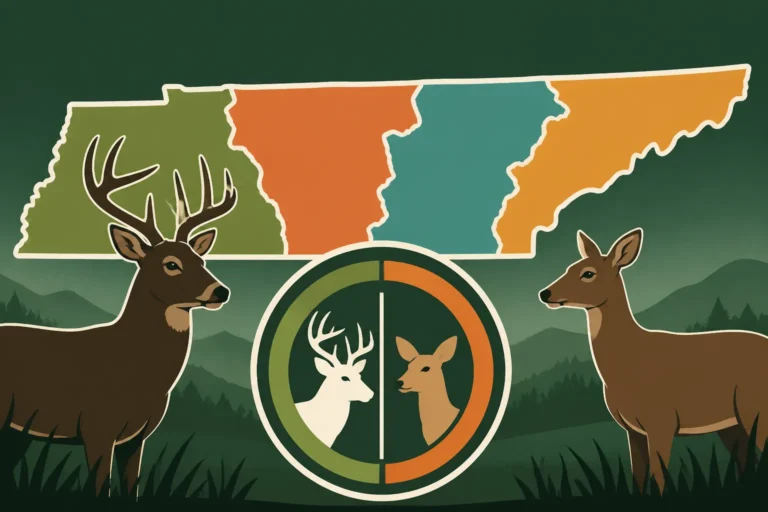
Effective management aims to minimize these conflicts while allowing the bear population to flourish. This includes public education campaigns on being "bear wise," regulating the feeding of bears, and managing hunting seasons to help control population growth in certain areas and reduce potential conflicts. The state is divided into Tennessee's Three Bear Hunting Zones, each with specific regulations designed to manage bear populations effectively based on local densities and human-bear conflict levels. The goal is always to promote coexistence and prevent situations where bears become habituated to human food, which can lead to unfortunate outcomes for the bears themselves.
Where Black Bears Are Concentrated in Tennessee
While black bears are expanding their range, their presence isn't uniform across the state. They have strongholds where densities are highest, and then their numbers thin out as you move further away from these core habitats. Knowing these concentration areas is not only helpful for hunters and wildlife enthusiasts but also for anyone living or recreating in bear country.
| Region | Primary Bear Habitat | Bear Population Status | Typical Bear Behavior | Human-Bear Interactions |
|---|---|---|---|---|
| East Tennessee | Appalachian Mountains, Cherokee National Forest | High & Stable | Remote, forest-dwelling, denning in rugged terrain | Regular sightings, some conflicts near tourist areas |
| Cumberland Plateau | Rugged plateaus, extensive timber, deep hollows | Growing & Expanding | Utilizing mixed forests, dispersing from eastern areas | Increasing sightings, occasional conflicts |
| Middle/West Tennessee | Isolated woodlots, river bottoms, fragmented habitats | Sparse but Present | Highly transient, often younger males seeking new range | Rare sightings, often opportunistic food-seeking |
East Tennessee's Strongholds
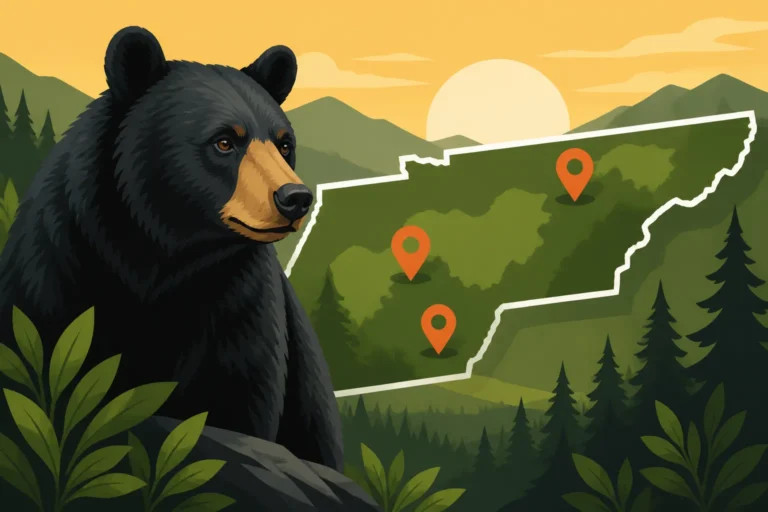
The heart of Tennessee's black bear population remains firmly rooted in the eastern part of the state, particularly the mountainous regions bordering North Carolina. This includes the counties within and surrounding the Great Smoky Mountains National Park and the vast acreage of the Cherokee National Forest. These areas offer the ideal mix of dense, mature forests, rugged topography, abundant natural food sources, and relatively low human population density in many areas.
Hunters often focus their efforts in these regions, understanding that they hold the highest concentrations of bears. Whether you're interested in Spot-and-Stalk Tactics for Cherokee Forest Bears or simply want to observe them from a distance, these eastern counties are your best bet. The bears here are part of a contiguous population that extends into neighboring states, benefiting from large, uninterrupted tracts of wilderness.
Expansion into Other Regions
While East Tennessee remains the epicenter, black bears are increasingly being sighted in other parts of the state. The Cumberland Plateau has seen a significant increase in bear activity over the last couple of decades. The Plateau's rugged terrain, extensive timberlands, and numerous hollows provide excellent habitat for bears, acting as a natural corridor for their westward expansion. It's not uncommon now to hear about bears in counties further west on the Plateau than ever before.
Even beyond the Plateau, there are occasional, though less frequent, sightings in Middle Tennessee and, very rarely, in West Tennessee. These are often young male bears dispersing from established populations, traveling long distances in search of new territory and mates. These bears are typically transient and rarely establish permanent residences in these fragmented habitats, but their presence indicates the overall health and expansion capabilities of the state's bear population. Utilizing tools like GoHunt can help you understand these expanding ranges, as they often incorporate wildlife agency data to show potential bear activity areas.
Monitoring and Tracking Efforts
The TWRA continues its diligent work in monitoring the black bear population across Tennessee. This involves not only the scientific methods mentioned earlier but also a network of public reports, trail camera photos, and observations from hunters and outdoor enthusiasts. Every year, data on harvests, sightings, and incidents helps the agency refine its population estimates and adapt its management strategies.
This ongoing monitoring is vital for maintaining a healthy balance between a thriving bear population and minimizing conflicts with humans. It ensures that when you head out into the Tennessee woods, you're experiencing a wild environment where a magnificent species like the black bear continues its remarkable journey of recovery and expansion. The success of Tennessee's Black Bear Population is a source of pride for our state, reflecting a collective commitment to wildlife conservation.
Disclaimer
This article is for general informational purposes only and does not constitute professional advice. Laws, prices and regulations vary by location and change over time. Consult a qualified professional for guidance on your specific situation.