Where Tennessee Black Bears Live
You've probably heard the stories, or maybe even seen the trail camera photos—black bears in places they never used to be. For a long time, the idea of a Tennessee black bear conjured images of the deepest, most remote parts of the Great Smoky Mountains. But the truth is, these incredible animals are expanding their territory, and understanding their current range is crucial for both hunters and outdoor enthusiasts across the state. This guide will help you pinpoint where black bears call home in Tennessee, from their traditional mountain strongholds to the surprising new areas they're exploring.
The Mountain Strongholds: East Tennessee's Primary Bear Range
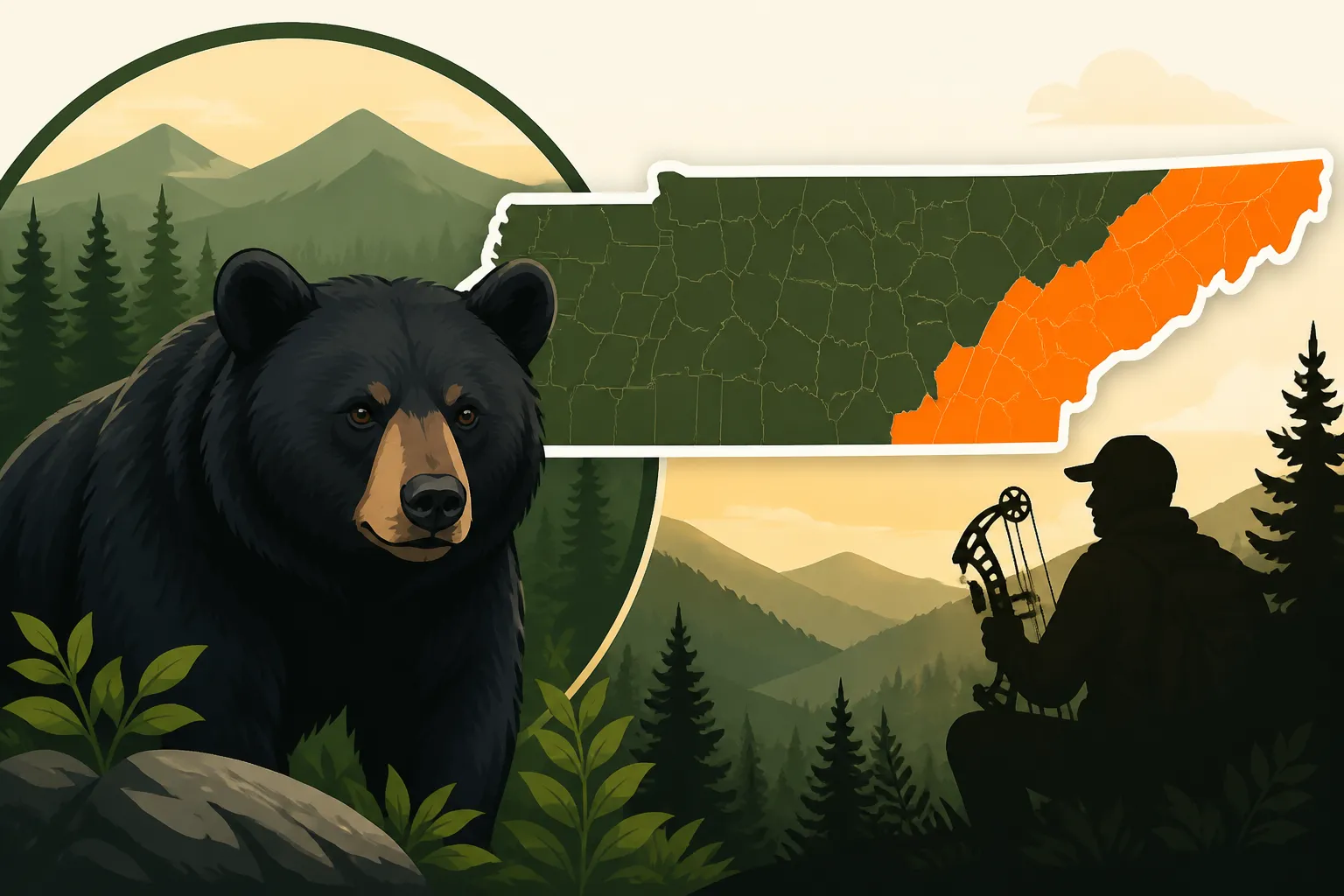
When most folks think of black bears in Tennessee, their minds instantly go to the rugged, towering peaks of East Tennessee. And for good reason! This region remains the undisputed heartland of the Volunteer State's black bear population. These aren't just transient visitors; these mountains provide everything a bear needs to thrive, making them a consistent and growing presence.
Cherokee National Forest and the Appalachian Foothills
The vast expanse of the Cherokee National Forest is arguably the most critical habitat for black bears in Tennessee. Stretching along the state's eastern border, this forest provides hundreds of thousands of acres of dense, untouched wilderness. Here, you'll find everything from mature hardwood forests full of mast-producing trees like oak and hickory, to thick rhododendron and mountain laurel thickets that offer perfect bedding and escape cover. The sheer scale and remoteness of the Cherokee means bears have plenty of room to roam, find food, and raise their cubs without constant human disturbance. It's truly a haven for them. For anyone looking to understand Bear Hunting Cherokee National Forest, this is ground zero.
The mountainous terrain, with its steep hollows and winding ridges, creates an ideal environment for bears. These areas are rich in diverse vegetation, offering a constant buffet of berries, nuts, and insects throughout the seasons. The undisturbed nature of much of the forest, particularly in its deepest sections, allows for a healthy and self-sustaining population. Even in the foothills, where the mountains start to roll into more populated valleys, bears will often utilize pockets of timber and riparian corridors to move between larger forested tracts, demonstrating their adaptability.
Great Smoky Mountains National Park Influence
Immediately adjacent to and deeply interconnected with the Cherokee National Forest is the iconic Great Smoky Mountains National Park. While hunting is strictly prohibited within the park boundaries, it serves as an immense, protected sanctuary for black bears. This uninterrupted wilderness allows bear populations to flourish without pressure, and this abundance inevitably spills over into the surrounding national forest lands and private timber tracts. The park acts as a vital source population, continually replenishing and expanding the bear presence in the broader East Tennessee landscape.
The bears within the park are often accustomed to human presence, making them more visible, but it's important to remember that these are wild animals. Their sheer numbers within the park ensure a healthy genetic diversity and a continuous flow of individuals into adjacent territories, especially young males looking to establish their own ranges. Understanding Bears Near Great Smoky Mountains National Park means recognizing their role as a central pillar of the region's bear population. They frequently cross invisible boundaries, and the robust population inside the park significantly bolsters the overall bear numbers outside its perimeter.
Bear Zones and Their Boundaries
Tennessee's wildlife management agencies recognize these distinct areas by dividing the state into specific bear hunting zones, reflecting the concentration and management needs of the black bear population. Historically, most of Tennessee's black bear harvest has come from these eastern zones. For instance, Tennessee's Three Bear Hunting Zones clearly delineate areas of highest bear density and activity, primarily centered around the Cherokee National Forest and the areas influenced by the Smokies.
These zones aren't just arbitrary lines on a map; they are carefully drawn based on decades of observation, bear biology, and habitat analysis. The presence of these designated zones highlights the established and thriving bear populations in East Tennessee, guiding hunters and conservation efforts alike. It's in these rugged, forested mountains that you have the highest likelihood of encountering a black bear, whether you're hunting, hiking, or simply exploring.
Westward Expansion: Bears Beyond the Mountains
While East Tennessee remains the black bear stronghold, anyone paying attention to wildlife news has noticed a clear trend: bears are on the move. Their range is undeniably expanding, pushing further west into areas that, just a generation ago, rarely saw a bear. This expansion is a testament to the resilience and adaptability of black bears, as well as successful conservation efforts, but it also brings new considerations for communities and hunters alike.
Migration Routes and Habitat Corridors
Black bears are natural wanderers, especially young males seeking new territories away from their mothers' established ranges. These animals are incredibly adept at using existing habitat corridors to move across the landscape. River bottoms, continuous stretches of mature timber, and undeveloped ridges act like natural highways, allowing bears to travel considerable distances undetected. Think of the Cumberland Plateau, for example—its expansive, forested sections offer a natural bridge for bears moving westward from the Appalachian chain.
These corridors are essential for the ongoing expansion of the bear population. A bear might travel dozens of miles, following a river system or a continuous wooded tract, until it finds a suitable area with less competition and ample food. As they establish new presences, they utilize these routes not just for travel, but often as temporary or even permanent foraging grounds, especially if they are rich in seasonal mast crops. Hunters using a mapping tool like GoHunt can often identify these natural funnels and corridors, giving them an edge in predicting bear movement.
Sightings in Middle and Even West Tennessee
The increasing number of bear sightings in Middle and even West Tennessee is no longer an anomaly—it's becoming a pattern. While not yet established breeding populations, individual bears, predominantly younger males, are being reported in counties far removed from the traditional mountain range. These sightings are most common along the major river systems like the Tennessee River and its tributaries, which provide both water and forested cover for travel. To learn more about this phenomenon, you can read about Bears Moving Into Middle Tennessee.
These intrepid pioneers might pop up near agricultural fields, small woodlots, or even closer to suburban areas, often startling residents who never expected to see a bear in their backyard. While these encounters are still relatively rare compared to East Tennessee, they underscore the bears' ability to adapt and disperse. For hunters and outdoor enthusiasts, this means being bear-aware is no longer just an East Tennessee concern; it's a statewide consideration. Keeping an eye on local wildlife reports and using scouting tools like GoHunt to mark potential travel paths can be incredibly insightful.
The Role of Food Availability
Food availability is a primary driver behind black bear movement and expansion. Bears are opportunistic omnivores, and they are constantly seeking out the easiest and most abundant food sources. While acorns, berries, and grubs are staples in their natural diet, agricultural crops like corn and soybeans can also be irresistible attractants. A strong mast crop in one area might keep bears put, while a lean year could send them far and wide in search of sustenance.
Unfortunately, human-provided food sources can also draw bears into unexpected places. Bird feeders, pet food left outdoors, unsecured garbage, and even backyard fruit trees can all act as powerful attractants, pulling bears closer to residential areas. This can lead to conflicts and is a significant factor in why bears are showing up in more developed regions. Understanding this helps us manage our outdoor spaces responsibly, minimizing unintended invitations to these powerful animals.
Understanding Bear Habitat and Sign
Knowing where Tennessee black bears live isn't just about drawing lines on a map; it's about understanding the types of environments they prefer and the subtle clues they leave behind. For hunters, hikers, and anyone sharing the woods, recognizing these elements can enhance your outdoor experience and ensure safer encounters.
Preferred Cover and Food Sources
Black bears are creatures of cover. They thrive in dense, expansive forests, particularly those with a mix of mature hardwoods and thick undergrowth. These habitats provide not only a constant supply of natural food but also secure bedding areas and escape routes from perceived threats. They particularly favor areas with a strong mast crop, making oak-hickory forests a prime destination, especially in the fall. You can find bears Hunting Bears Over Natural Mast in the Mountains. Beyond acorns and hickory nuts, they'll feast on berries like blueberries, blackberries, and serviceberries, often found along clearings, edges, and younger forest growth.
Beyond plant matter, bears are keen insect eaters, turning over rocks and logs to find grubs, ants, and other invertebrates. They'll also consume carrion when available. Understanding this diverse diet helps predict where bears might be foraging at different times of the year. For instance, in spring, they might be found browsing on new green growth and digging for roots, while late summer transitions into a berry bonanza, leading into the critical fall mast season.
Reading the Landscape for Bear Sign
Even if you don't see a bear, they often leave a trail of evidence. Learning to read these signs is like understanding a secret language of the forest. Fresh tracks in mud or soft earth are a clear indicator of recent bear activity; look for five distinct toe pads and a large heel pad, often wider than they are long in the front paw. Scat, or droppings, can tell you what they've been eating, from berry seeds to insect fragments. Rub trees, where bears scratch their backs and sides, leaving hair and claw marks, are also common, particularly on smaller trees or saplings.
Other signs include broken branches in berry bushes, indicating a bear has been feeding, or overturned rocks and torn-apart logs where they've dug for insects. Sometimes, you'll even find claw marks on trees where a bear has climbed, either to escape or to access nuts. Modern scouting tools, like the mapping features on GoHunt, can help you identify dense cover, water sources, and potential food plots or mast-heavy areas where you're more likely to find such sign. This level of detail on the map can guide your physical scouting efforts.
Human-Bear Conflicts and Coexistence
As bear populations expand and human development encroaches on wild spaces, conflicts become more frequent. Understanding where bears live naturally, and where they might be drawn by human activity, is critical for peaceful coexistence. The most common conflicts arise from bears accessing human food sources, such as garbage cans, pet food, bird feeders, or agricultural crops. These easy meals can quickly habituate bears to humans, leading to bold behavior that can be dangerous.
Preventing these conflicts involves responsible land management and securing attractants. If you live in or visit an area with known bear activity, securing garbage in bear-proof containers, feeding pets indoors, and removing bird feeders during bear season are vital steps. For hunters, knowing Where Cherokee Forest Bears Range means being prepared for an encounter, always carrying bear spray, and understanding proper field dressing and meat storage to minimize attractants. Our goal should be to allow bears to thrive in their natural habitats without creating situations that force them into dangerous interactions with people.
Conclusion
The black bear population in Tennessee is a remarkable conservation success story, growing and expanding its range across the state. While the deep forests of East Tennessee, particularly the Cherokee National Forest and the areas surrounding the Great Smoky Mountains National Park, remain their primary home, these intelligent and adaptable animals are increasingly being seen further west. By understanding their preferred habitats, recognizing their signs, and practicing responsible outdoor ethics, we can all contribute to the continued thriving of Tennessee's black bears, ensuring they have the space and resources they need to roam.
Disclaimer
This article is for general informational purposes only and does not constitute professional advice. Laws, prices and regulations vary by location and change over time. Consult a qualified professional for guidance on your specific situation.