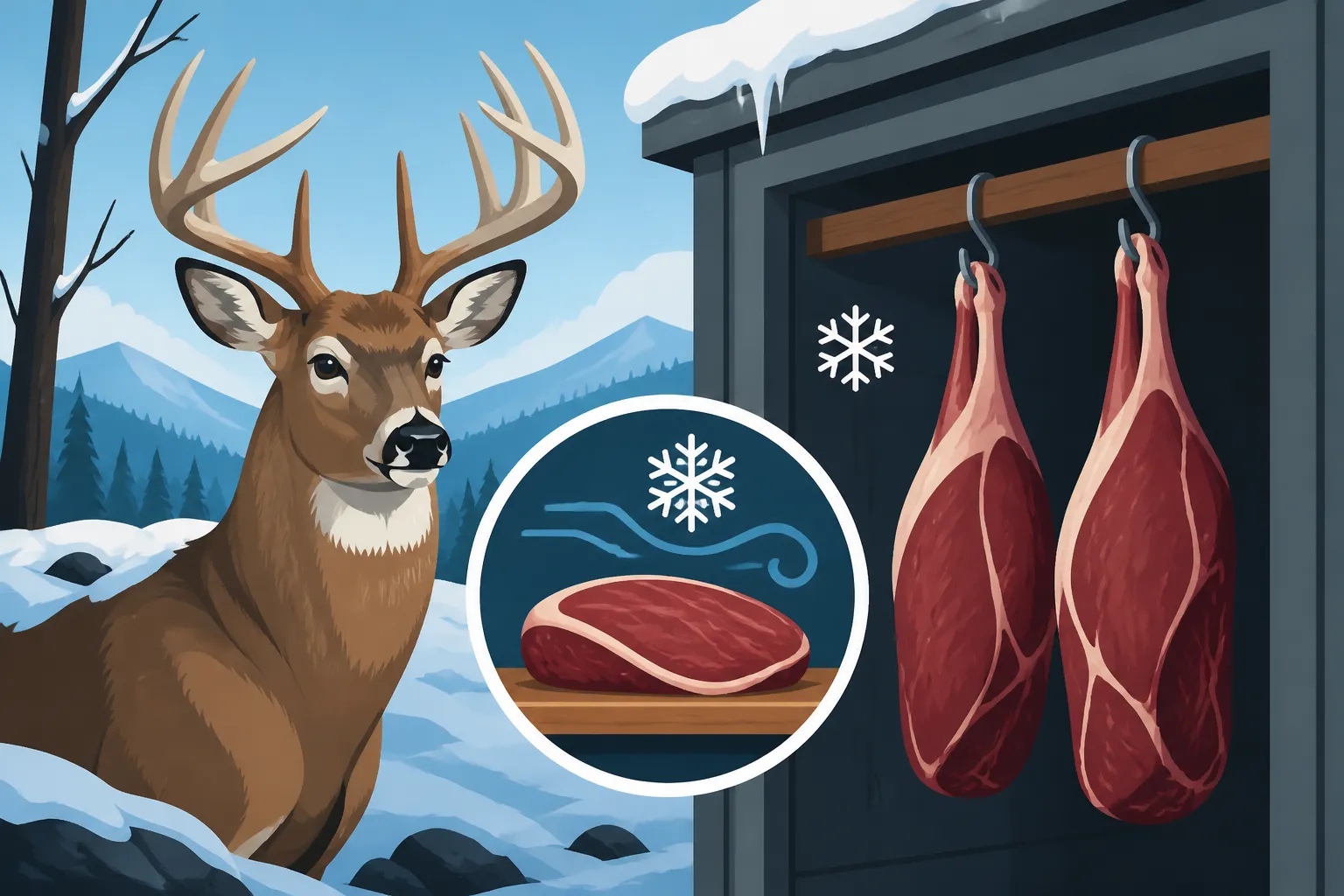
Aging Venison in Cold Weather
One of the most rewarding aspects of harvesting a deer in Tennessee is the incredible table fare it provides, but too often, hunters complain about tough, chewy venison. The truth is, how you handle that deer after the shot can make all the difference between a mediocre meal and a truly tender, flavorful culinary experience. This guide is all about mastering the art of aging venison, especially when those crisp Tennessee winter days provide the perfect natural refrigeration. We'll explore exactly what aging does for your deer, how to create the ideal conditions, and practical steps to ensure your hard-earned venison is as tender as can be.
Understanding What Happens When Venison Ages
For many folks, the idea of letting meat "sit" might sound counter-intuitive, especially when we've been taught to chill meat quickly to prevent spoilage. But for venison, especially a mature buck or a particularly lean doe, a controlled aging process can transform the muscle fibers, yielding a noticeably more tender and palatable product. It's not about letting it rot; it's about controlled biological processes.
The Science of Tenderness
When an animal is harvested, its muscles are soft and pliable. However, soon after, rigor mortis sets in, making the muscles stiff and tough. This is a natural process. As the carcass hangs in a cool environment, natural enzymes within the muscle begin to break down the complex proteins, connective tissues, and muscle fibers. Think of it like a slow, tenderizing marinade working from the inside out. This enzymatic action is what directly combats the post-rigor toughness. Without this breakdown, the meat would remain much chewier, regardless of how it's cooked. Moreover, there's a subtle but beneficial moisture loss during aging, which isn't just about weight reduction; it actually concentrates the natural flavors of the venison, making them richer and more intense.
Beyond Tenderness: Flavor Enhancement
Beyond the significant improvement in tenderness, aging also plays a crucial role in developing the venison's flavor profile. Freshly killed venison can sometimes have a "bloody" or metallic taste, which dissipates with proper aging. As the enzymes work, they create new compounds that contribute to a more complex, nuanced, and desirable venison flavor. It helps to mellow out any overly "gamey" notes, leaving behind a deeper, more earthy taste that many connoisseurs appreciate. It’s the difference between a bland cut and one with real character, allowing the unique qualities of wild game to shine through. You’re not just eating meat; you’re tasting the wildness of White-Tailed Deer Across Tennessee that makes it special.
The Goldilocks Zone: Ideal Conditions for Cold Weather Aging
Aging venison successfully, especially outdoors in natural cold, is all about maintaining a precise environment. It’s like a delicate dance between temperature, humidity, and airflow. Get any of these wrong, and you risk either freezing your meat, drying it out too much, or, worst of all, allowing spoilage to set in.
Temperature Control: The Critical Range
This is arguably the most crucial factor. The ideal temperature range for aging venison is between 34°F and 40°F (approximately 1°C to 4°C). Why this narrow window? If the temperature drops below freezing, the enzymatic process that tenderizes the meat will halt completely, defeating the purpose of aging. If it goes above 40°F for any significant period, especially over several hours, you dramatically increase the risk of bacterial growth and spoilage.
Tennessee winters can be fickle. You might have a string of perfect days, followed by a sudden warm front or a deep freeze. This unpredictability is why constant monitoring is essential. A simple minimum/maximum thermometer can be your best friend. Ideally, you want a consistent temperature, so avoiding extreme fluctuations is key. A constant 36-38°F is often considered the sweet spot.
Humidity and Airflow: Preventing Problems
While temperature prevents spoilage, humidity and airflow prevent other common issues. Ideally, you want a moderate humidity level, somewhere between 70% and 85%. Too low, and your venison will dry out excessively, leading to a thick, hard crust and less usable meat. Too high, and you increase the risk of mold growth on the surface, which, while often trimmable, is something you want to minimize.
Good air circulation is also vital. Stagnant air is a breeding ground for bacteria. You want a gentle breeze, not a gale, passing over the carcass. This helps to dry the surface slightly, forming a protective "pellicle" that further inhibits bacterial penetration while still allowing the internal aging to occur. A small fan can be helpful in enclosed spaces, but outdoors, natural air movement often suffices.
Sanitation is Non-Negotiable
No matter how perfect your temperature, humidity, and airflow, it all goes out the window if your environment isn't clean. Aging venison, especially with the hide off, exposes the meat to the air. Any dirt, dust, or existing bacteria in your hanging space can contaminate the meat. Ensure your hanging area is thoroughly cleaned before bringing in the carcass. Wash down walls, sweep floors, and use clean hooks and equipment. A sterile environment is paramount to preventing unwanted bacterial or mold growth during the aging process.
Practical Strategies for Aging Venison in Tennessee's Winter
Now that we understand the science, let's talk about putting it into practice here in Tennessee. From the moment that deer hits the ground, every step you take can influence the success of your aging process and, ultimately, the quality of your venison.
Pre-Aging Care: Field Dressing and Initial Cooling
The journey to perfectly aged venison starts immediately after the harvest. Rapid and thorough field dressing is critical. Get the entrails out quickly to allow the body cavity to cool down. Leaving organs in for too long, especially on a milder day, can cause the internal temperature of the carcass to remain high, promoting bacterial growth. Once field dressed, if you're not immediately hauling it to a cooler or processing facility, try to get the deer into a cool, shaded spot. Prop the cavity open with a stick to maximize airflow. On a truly cold Tennessee day, the ambient air can do wonders. Don't forget, careful Field Dressing a Deer in Cold Weather is the first step to quality meat.
Consider your transport as well. If you have a long drive home, ensure the carcass is kept cool and clean. Avoid throwing a deer straight into the bed of a truck on a sunny day without proper cooling, even if the air temperature feels cold. The sun can heat up that metal bed quickly, negating all your initial efforts.
Location, Location, Location: Finding the Right Spot
Once you're back home or at camp, finding the right place to hang your deer is crucial. For many Tennessee hunters, this might mean an unheated outbuilding, a garage, or a well-ventilated shed. The key is insulation from direct sun and a consistent temperature. A sturdy gambrel and a reliable hanging point are essential. If you have a dedicated walk-in cooler or an old refrigerator large enough, those are ideal as they offer precise temperature control.
Some hunters get creative with cool basements or even a north-facing porch if consistently cold. The important thing is to monitor the temperature in your chosen location constantly. Leave a thermometer where the deer will hang for at least 24 hours before you hang the deer, if possible, to gauge its true temperature fluctuations. You're looking for that sweet spot of 34-40°F. If your chosen spot regularly creeps above 40°F, you'll need to re-evaluate your aging strategy or shorten the aging time considerably.
Protecting Your Investment: Carcass Preparation
Once you've got your spot, how you prepare the carcass for hanging matters. Many hunters prefer to skin the deer immediately after field dressing, especially if they plan to age it for an extended period. Removing the hide allows the meat to cool more rapidly and promotes the formation of that protective pellicle. However, leaving the hide on can offer an extra layer of protection against excessive drying, especially if humidity is low. If you leave the hide on, you’ll typically skin it just before Butchering a Deer at Camp.
Regardless of whether you skin it or not, hanging the deer by its hind legs is common. This allows gravity to help stretch the muscle fibers, further aiding in tenderness. Once hung, immediately cover the carcass with a clean, breathable game bag. These aren't just for transport; they're essential for aging. Game bags protect the meat from insects, dust, and airborne contaminants while still allowing for crucial airflow. Don't skimp on quality Meat Care Gear for Tennessee Hunters. A good game bag is a small investment for protecting your hard-earned venison.
Monitoring and Decision Making: How to Tell When It's Ready
Now comes the waiting game. How long should you age? This depends heavily on your ambient temperature and the condition of the deer.
Here's a general guideline for aging duration based on temperature:
| Average Ambient Temperature | Recommended Aging Duration | Notes |
|---|---|---|
| 34-36°F (1-2°C) | 7-14 days | Ideal, slow enzymatic breakdown, minimal spoilage risk. This is the sweet spot for maximum tenderness and flavor. |
| 37-40°F (3-4°C) | 3-7 days | Faster aging, requires strict monitoring for bacterial growth. Check daily for any signs of spoilage. Err on the side of shorter aging times in this range. |
| 41-45°F (5-7°C) | 1-3 days (High Risk!) | Only for very short periods, not recommended for prolonged aging due to high spoilage risk. Meat should be processed almost immediately if sustained temperatures are this high. |
| Above 45°F (7°C) | 0-1 day (Process ASAP!) | Do NOT attempt to age. Process the deer immediately. The risk of spoilage is too high. Consider using Coolers and Game Bags for Early Archery to get internal temperature down quickly. |
During the aging period, check your deer daily. Look for:
- Pellicle Formation: A dry, somewhat darkened crust should form on the outside of the meat. This is normal and protective.
- Smell: Your nose is your best tool. The meat should have a fresh, slightly earthy smell, not sour, putrid, or off in any way. Any foul odor is a sign of spoilage.
- Touch: The meat should feel firm and dry on the outside.
- Appearance: The meat beneath the pellicle should be a deep red. Any greenish tint or sliminess is a red flag.
When you feel it's reached optimal aging, it's time to process. Many hunters combine this decision with social aspects, making it part of Tennessee Deer Camp Traditions when the crew is ready to roll up their sleeves. Remember, if you're ever in doubt about the safety of the meat, it's always best to err on the side of caution.
Common Pitfalls and How to Safeguard Your Harvest
Even with the best intentions, things can go awry. Understanding common mistakes and how to prevent them can save you from a ruined harvest and the disappointment that comes with it.
Temperature Swings and Spoilage Risk
The biggest threat to aging venison is inconsistent temperature. A beautiful cold snap might encourage you to hang a deer, but a sudden warm spell a few days later can ruin everything. Even a few hours above 40°F can accelerate bacterial growth to dangerous levels, especially in the deeper parts of the muscle where cool air doesn't penetrate as quickly.
Prevention: Always check the weather forecast for your entire intended aging period. If a warm front is coming, you have two choices: either process the deer immediately, cutting short the aging process, or move the carcass to a controlled refrigeration unit. For public land hunters who may have Hunting Pressure on Tennessee Public Land or a long walk back, checking the forecast before the hunt is crucial. Don't gamble with your meat.
Dealing with Freezing Temperatures
On the flip side, extremely cold temperatures, while safe, also pose a problem. If your venison freezes solid, the enzymatic tenderizing process stops. While the meat won't spoil, it also won't get any more tender. If you realize your hanging spot is consistently below freezing, your best bet is to process the deer into manageable cuts and freeze them. You can always thaw and cook it, but you'll lose the benefit of the aging. If you’re hunting late in the season, during Hunting the Late-Season January Lull, this is a common challenge to anticipate.
Prevention: Monitor your thermometer diligently. If temperatures are consistently dipping into the 20s or below, consider moving the deer to a slightly warmer, yet still cold, location or simply process it sooner.
Surface Contamination and Mold
Even with good airflow and game bags, you might encounter some surface mold, particularly fuzzy white or greenish patches. This can be alarming but isn't always a sign of spoilage if the rest of the meat smells and looks good. The pellicle forming on the outside is meant to protect the interior.
Prevention/Solution: When you go to Butchering a Deer at Camp, simply trim away any dried, dark, or moldy areas from the surface of the meat. Use a clean knife and cut generously, discarding any questionable parts. As long as the underlying meat is fresh, firm, and smells good, it's perfectly fine to consume.
Knowing When to Cut Your Losses
Sometimes, despite your best efforts, something just doesn't seem right. The meat might develop a sour smell, an unusual sliminess, or discolored patches deep within. Your safety and health are far more important than saving a few pounds of questionable meat.
Solution: If you are ever in doubt, throw it out. It's a hard lesson, but it's better to lose one deer than to risk foodborne illness. Pay close attention to the general advice on Deboning Venison Before Leaving the CWD Zone to understand how to handle meat properly and safely, especially in high-risk areas. Remember, a successful hunt isn't just about the shot; it's about respectful and safe utilization of the animal you've harvested.
Disclaimer
This article is for general informational purposes only and does not constitute professional advice. Laws, prices and regulations vary by location and change over time. Consult a qualified professional for guidance on your specific situation.