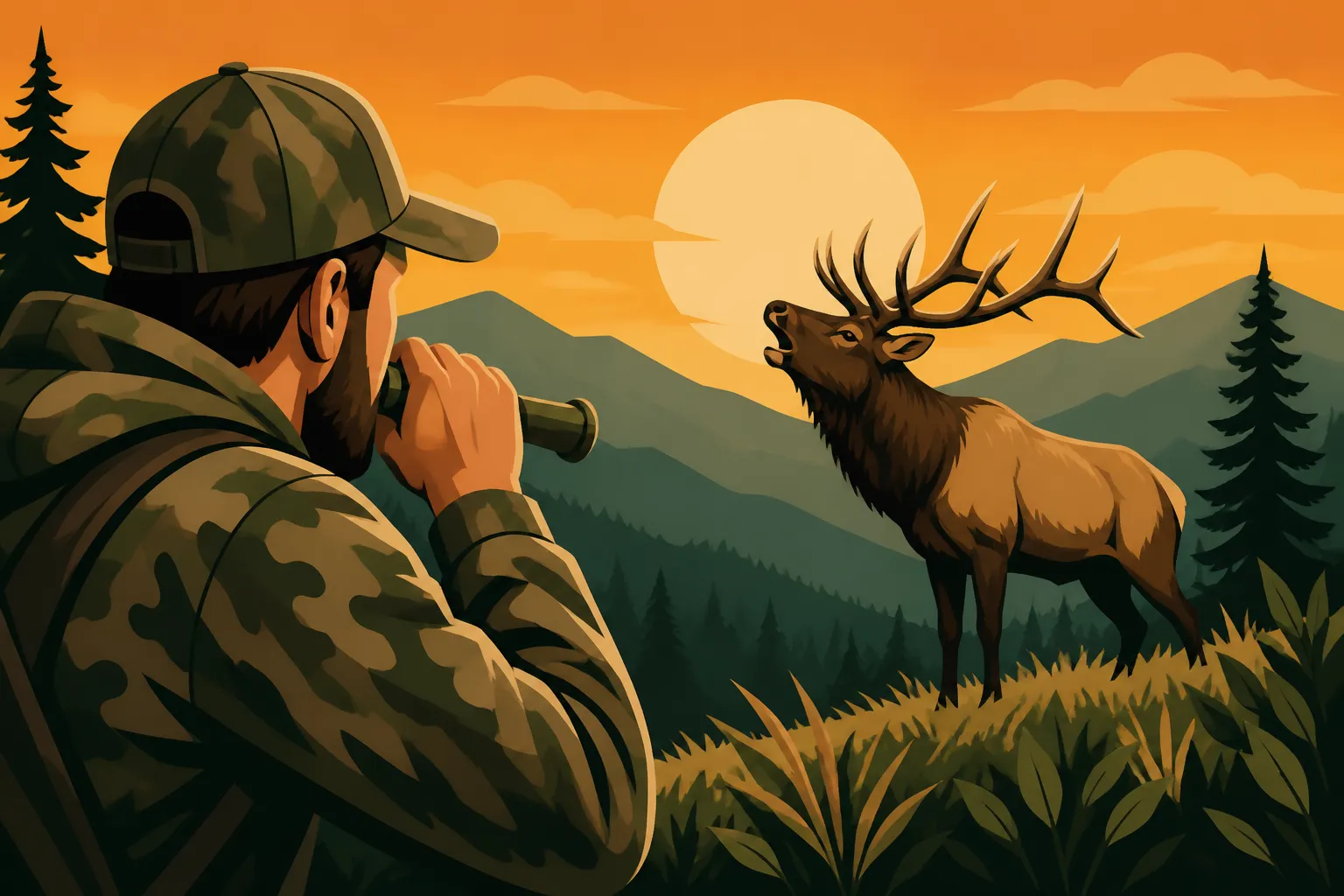
Calling a North Cumberland Bull Elk
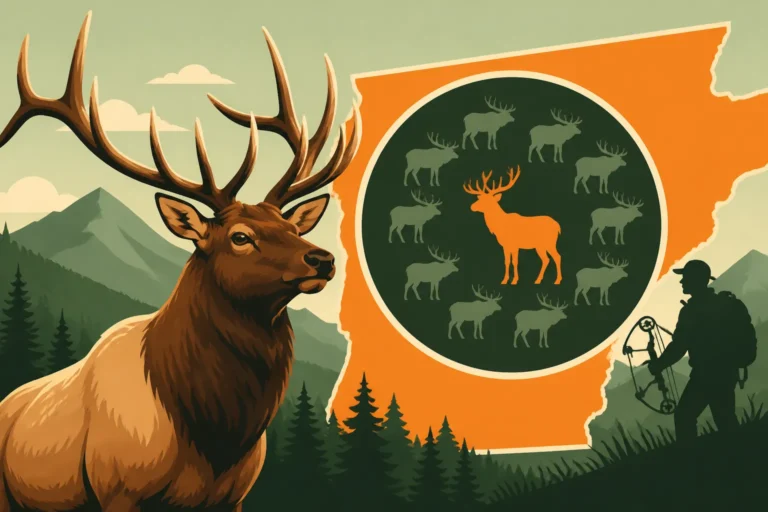
For many Tennessee hunters, the dream of calling in a bull elk on the North Cumberland Wildlife Management Area feels almost mythical. It's not the wide-open West; our mountains and thick timber present unique challenges, and the pressure of a limited tag can make every decision feel monumental. This guide is dedicated to demystifying elk vocalizations and equipping you with the knowledge to confidently call a North Cumberland bull into range, transforming that dream into a thrilling reality.
Understanding North Cumberland Elk Behavior
Before you even think about putting a call to your lips, it's absolutely crucial to understand the elk you're pursuing in the North Cumberland. These aren't your typical western elk; they navigate dense forests, steep ridges, and different pressures, which significantly influences their vocalizations and how they respond to calls.
Seasonal Vocalizations
Elk vocalizations aren't just random sounds; they are a language that changes throughout the year, especially leading up to and through the rut. In the pre-rut, typically late August into early September, you might hear less aggressive bugling. Bulls are starting to get territorial, but they're not yet in full battle mode. Their bugles might be more of a "testing the waters" sound, trying to gauge other bulls in the vicinity. Cows and calves might be more vocal with soft mews and chirps, communicating within the herd. As the rut intensifies through late September and early October, the bugling becomes far more frequent, louder, and more aggressive. This is when bulls are actively challenging rivals and rounding up cows. You'll hear distinct challenge bugles, chuckles, and grunts. Understanding these shifts is key. During the post-rut, as bulls become exhausted and cows are bred, vocalizations drastically decrease. Knowing when to expect what kind of sound helps you determine your own calling strategy. For example, trying an aggressive challenge bugle during the early pre-rut might just spook a bull that's not ready to fight, whereas a well-timed, subtle cow call could draw his curiosity.
Reading Elk Body Language
While calling is about sound, successful elk hunting involves keenly observing and interpreting visual cues. If you're lucky enough to spot an elk, or if a bull is approaching your setup, his body language will tell you volumes about his mood and receptiveness to your calls. A bull that's raking trees with his antlers or thrashing brush is usually a sign of aggression and dominance, often associated with a challenge bugle. If he's got his head low, ears laid back, and is slowly circling, he might be trying to scent-check you, indicating suspicion. A bull that bugles back with his head high, neck outstretched, and his breath visible in the cold air, is often posturing and ready to engage. Conversely, a bull that turns and slowly walks away, or stops to look back with a relaxed posture, might be losing interest or has already located cows elsewhere. Pay attention to how he holds his head, the position of his ears, and the speed of his movements. These visual cues should guide your next calling sequence; sometimes, silence is the best call when a bull is getting too wary.
Impact of Hunting Pressure
The North Cumberland is a public land area, and while it's vast, elk hunting is a quota hunt, meaning only a limited number of tags are issued. However, the sheer presence of other hunters, even those scouting or deer hunting, can impact elk behavior and vocalizations. Elk that have been pressured will often become "call shy." They might stop responding to aggressive bugles, or they might move silently through the timber, avoiding open areas. A bull that's been pursued vigorously might even become "silent," moving away from any calling he hears. This means your approach to calling needs to be adaptable. Instead of blasting loud bugles, consider subtle cow mews and chirps to pique curiosity without raising alarms. Less is often more in pressured environments. Using locator calls from a distance to pinpoint elk, then moving in quietly to set up before calling, can also be a more effective strategy than charging in with a bugle. Keep in mind that elk will often move into the thickest, nastiest cover when pressured, making them even harder to locate and call out. Scouting with tools like GoHunt and really getting to know the terrain can help you find those unpressured pockets.
Essential Elk Calls and Their Purpose
Just like a skilled orator uses different tones and cadences, an effective elk caller utilizes a range of calls, each serving a specific purpose. Understanding which call to use and when is paramount to success. It's not about making noise; it's about communicating.
Bugle Calls
The bugle is arguably the most iconic elk call, a guttural, rising roar that can stir the soul. There are several types of bugle calls, each with a different meaning and intended response. A "challenge bugle" is aggressive, usually starting deep and rising to a high pitch, often ending with a series of "chuckles" or "grunts." This call is meant to directly challenge another bull, signaling your presence and dominance. You'd use this when you hear another bull bugle and want to engage him in a vocal duel. However, be cautious not to overdo it, especially with pressured elk. A "locator bugle" is typically a simpler, shorter bugle, often used to simply get a response from a distant bull without sounding overly aggressive. You're just trying to locate him, not necessarily pick a fight. Then there's the "assembly bugle," a less common call usually made by a herd bull trying to gather his cows. It's less aggressive and more commanding. Choosing the right bugle often depends on the situation and the perceived mood of the elk you're targeting. Using a bugle tube is essential to project the sound and give it the authentic resonant quality that carries through the dense Tennessee timber. For more insights on this specific gear, you might find "Elk Calls and Cow Decoys" a helpful read.
Cow and Calf Calls
While bugles often steal the show, cow and calf calls are the unsung heroes of elk calling, especially when dealing with wary or pressured animals. These softer, more subtle vocalizations are universal in the elk world and can often draw in bulls that are hesitant to respond to a bugle. "Mews" are short, nasal calls made by cows to communicate with calves or other cows. They convey a sense of contentment or curiosity. A "chirp" is a softer, often higher-pitched version of a mew, suggesting a calm, contented cow. "Estrus mews" are longer, more drawn-out, and often a little more urgent, signaling a cow in heat. Bulls are intensely attracted to estrus mews, as they indicate a receptive breeding opportunity. "Calf calls" are usually higher-pitched, sometimes whiny, and can pique the curiosity of both cows and bulls, as herd animals are often protective of young. When a bull won't respond to a bugle, a series of soft cow mews or a lost calf call can often be the trigger to bring him in for a closer look, especially if he thinks there are cows nearby that he might be able to steal or breed. Mastering the subtle nuances of these calls can make all the difference, particularly when hunting in the thick cover of the North Cumberland where visibility is limited.
Locator Calls
Locator calls, while not always mimicking an elk directly, are crucial for pinpointing an elk's general location without revealing your exact position or sounding overly aggressive. The most common locator calls include hawk screeches, coyote howls, or even an owl hoot. The idea is to make a natural sound that might prompt an elk to bugle in response, revealing his whereabouts. For instance, a sharp, piercing hawk call can sometimes startle an otherwise silent bull into letting out a short bugle. Coyote howls, particularly in the evening or early morning, can mimic natural predators and often elicit a territorial bugle from a herd bull. Even a simple, subtle bugle from a distance, just enough to carry, can serve as a locator call. The key is to use these from a distance, let the sound dissipate, and then listen intently. Once an elk responds, you can then plan your approach, moving closer before switching to more direct communication calls. This strategy is particularly effective in areas where you suspect elk are present but are being tight-lipped. Using topographical maps or a hunting app like GoHunt to identify potential bedding areas or travel corridors can help you choose optimal locations to deploy these locator calls.
Mastering Elk Calling Techniques
Merely owning a variety of calls isn't enough; it's about how you use them. Mastering elk calling techniques involves understanding the rhythm, volume, and emotion behind each sound to create a believable and enticing scenario for a bull elk.
The Art of the Bugle
Bugling is more than just blowing into a tube; it's an art form that requires control and nuance. A true bull bugle starts deep in the diaphragm, a guttural roar that builds in intensity. Practice that low rumble before transitioning to the higher, screaming notes. The length and volume of your bugle should vary based on the situation. A short, sharp bugle might be a challenge, while a longer, drawn-out one could be a declaration of presence. Ending a bugle with "chuckles" or "grunts" adds realism and often escalates the intensity of the call. These are short, choppy sounds that mimic a bull working up to a fight or herding cows. You can achieve these by quickly closing and opening your throat or by using a diaphragm call inside the bugle tube. It's important to experiment with how much air you push through and the pressure you apply to your diaphragm call. Many hunters make the mistake of sounding too mechanical or producing a weak, wavering bugle. The goal is to sound like a dominant, confident bull. Remember, when you're bugling in the dense timber of the North Cumberland, that sound carries differently, so projecting it effectively is vital.
Mimicking Cow Chirps and Mews
Cow and calf calls are often more challenging to master than bugles because they rely on subtle inflections rather than sheer volume. Mews are soft, nasal sounds. To make a realistic mew, you need to control your breath and vocal cords carefully. Try to produce a sound that comes from the back of your throat, with a slightly nasal quality, similar to a cat's "mew." Vary the pitch and duration slightly to mimic different cows. Chirps are even softer and often indicate a contented, calm animal. These are excellent for inviting a curious bull closer without sounding like a threat. Estrus mews are longer, more drawn-out, and have a distinct rising and falling inflection that sounds more urgent and seductive to a bull. You'll want to practice creating this "whiny" quality, holding the note longer than a standard mew. Using an open-reed cow call or a diaphragm call can help achieve these sounds. The key is to avoid sounding monotone. A group of cows will rarely all sound exactly the same, so introduce slight variations in pitch and volume to make your sequence sound more natural and appealing to an approaching bull. These calls are particularly effective when Hunting the Rut in Early November on the North Cumberland.
Combining Calls for Realism
The most effective elk calling doesn't involve just one type of call; it involves creating a realistic "conversation" or scenario that an elk would naturally encounter. This often means combining various bugles, mews, and chuckles into a sequence. For example, you might start with a soft cow mew, then follow it with a short, light bugle, as if a bull is gently herding his cows. If you get a response, you can then escalate. Another effective sequence is a "lost cow" scenario: a series of plaintive estrus mews, followed by a soft, questioning bugle, implying a bull searching for a receptive cow. When responding to another bull, you might start with a challenge bugle, then immediately follow it with a series of aggressive chuckles, and maybe even some thrashing of a sapling with a stick to simulate a bull raking his antlers. The goal is to paint a picture with sound. Don't be afraid to incorporate realistic pauses; elk don't call constantly. Listen, interpret, and then respond with a call that makes sense in the unfolding situation. Remember to sound like multiple animals if possible – a bull and a cow, or a cow and a calf – to further enhance the illusion of a herd. This creates a more compelling reason for a lone bull to investigate.
Strategic Calling Scenarios
Calling effectively isn't just about making the right sounds; it's about deploying those sounds strategically within the context of the hunting season and the elk's natural behavior. The North Cumberland offers specific challenges and opportunities for each phase.
Pre-Rut and Early Season Calling
The pre-rut, typically in late September, before the intense breeding begins, calls for a more cautious approach. Bulls are still mostly solitary or in small bachelor groups, beginning to test their dominance but not yet fully committed to breeding. Aggressive challenge bugles might be too much too soon, potentially spooking a bull that isn't ready to fight. Instead, focus on subtle cow and calf calls. A few soft mews or chirps can pique a bull's curiosity, making him think there might be cows in the area. You're trying to lure him in, not challenge him head-on. If you do use a bugle, make it a "locator bugle" – shorter, less aggressive, just trying to get a response to pinpoint his location. Once you know where he is, you can move in closer and try softer cow calls. Sometimes, a quiet "social bugle" – a less intense bugle that merely announces presence – might work. The aim is to sound like a small, approachable group of elk, which can be less intimidating than a screaming herd bull. Remember that early season conditions mean thicker foliage, so sound doesn't carry as far, and a bull will need to get closer to see the "source" of the calls. This is a great time to implement tactics like Hunting the Archery-Only Elk Season, relying on quiet movements and subtle vocalizations.
Peak Rut Strategies
When the rut truly kicks into high gear, usually from late September through mid-October in North Cumberland, elk vocalizations reach their peak, and your calling strategies can become more aggressive. Bulls are actively herding cows, challenging rivals, and are generally more responsive to calls. This is prime time for assertive bugles. If you hear a bull bugling, respond with a challenge bugle, even mimicking his cadence and volume if you can. Follow it with aggressive chuckles and grunts to indicate dominance. The goal is to make him believe there's a rival bull encroaching on his territory or trying to steal his cows. However, still read the situation. If a bull sounds wary or is slowly circling, you might need to back off the aggression and switch to more alluring estrus mews to draw him in. A common and effective strategy is to have one caller bugling and another hunter (the "shooter") positioned 50-100 yards ahead, ready for the bull to come in looking for the "rival" who just bugled. This setup can be incredibly effective when a bull commits. For a broader understanding of this period, refer to "When Tennessee Elk Bugle" to grasp the peak vocalization periods.
Post-Rut and Late Season Tactics
Once the peak rut subsides, typically in late October and November, bulls become exhausted and less vocal. They've spent weeks chasing cows, fighting, and burning through their energy reserves. Aggressive bugling at this stage is usually ineffective and can even be detrimental, as it might just warn an already wary bull. Instead, the focus shifts back to softer, more subtle calls. Cow and calf calls become paramount. A tired bull might still be looking for an unbred cow or simply for companionship. Soft mews, chirps, and the occasional estrus mew (though less effective than during peak rut) can sometimes coax a bull into investigating. Another tactic is to use "distress" calls from a calf, hoping to appeal to a cow's maternal instincts or a bull's general curiosity. Late-season elk often form larger, mixed herds for survival and feeding, so mimicking a contented herd might also be a viable option. Patience is key in the late season; calls will often be met with silence, and elk might move very cautiously. This is when deep scouting and knowledge of Late-Season Food Sources for Tennessee Whitetails (which often overlap with elk feeding areas) becomes even more critical, as you'll be trying to locate elk on their feeding patterns rather than relying on rutting behavior.
Advanced Tactics and Common Pitfalls
As with any hunting endeavor, truly mastering elk calling involves understanding not just the techniques, but the nuances, the psychology of the animal, and the mistakes to avoid.
Calling Aggressively vs. Subtly
Deciding whether to call aggressively or subtly is one of the most critical decisions an elk caller makes, and it's heavily influenced by the specific hunting conditions on the North Cumberland. Aggressive calling, using loud challenge bugles and chuckles, works best during the peak rut when bulls are pumped with testosterone and actively seeking confrontations. It's meant to challenge a rival or assert dominance. However, if the bull isn't responsive, or if you're hunting in areas with high pressure, this can backfire, causing him to flee or circle widely to try and scent-check you from a distance. Subtle calling, on the other hand, relies on soft cow mews, chirps, and lost calf calls. These are generally less threatening and can pique a bull's curiosity, making him think there are non-threatening cows in the area. This approach is often more effective in the pre-rut, post-rut, or in heavily hunted areas where elk are more wary. The trick is to start subtle and escalate only if the situation warrants it, paying close attention to the bull's responses. If he's hot and bugling back fiercely, crank up the aggression. If he's quiet, circling, or sounds hesitant, stick to the softer stuff. Always let the elk dictate your calling intensity.
Responding to Elk Calls
When an elk responds to your call, the real chess match begins. Your response is crucial. The first rule: don't call back immediately. Give the elk time to process your call and for you to evaluate his. Listen to the tone, volume, and location of his bugle. Is it a challenge? A question? A locator? This information should inform your next move. If he bugles aggressively, respond with a challenge of your own, but consider backing up 20-30 yards to make him think you're moving away, enticing him to close the distance. If he sounds wary or is circling, a soft cow mew might be more appropriate than another bugle, inviting him closer without a confrontation. Sometimes, silence is the best response, making him wonder where you went and drawing him in to investigate. Always try to position yourself strategically before responding, taking into account wind direction, cover, and shooting lanes. Never let a bugle compromise your position if the elk is too close or if the wind is wrong. Knowing how to engage responsibly is a key part of "Calling a North Cumberland Bull Elk."
Avoiding Over-Calling
This might be the single biggest mistake new (and even experienced) elk hunters make. Over-calling is akin to being too talkative on a first date – it's annoying and can drive the other party away. Elk are not constantly bugling or mewing, especially cows. A natural elk sequence involves calls, but also long periods of silence. If you call too much, you sound unnatural, desperate, or simply like a nuisance. This is particularly true in heavily hunted areas like sections of the North Cumberland, where elk have heard every call in the book. If you've called and the elk isn't responding, or if he's moving away, stop calling. Sometimes, a prolonged period of silence will make a bull curious enough to come investigate the quiet. It also gives you more time to listen for subtle sounds like footsteps, antler rubs, or soft mews that indicate an elk moving in silently. If you consistently fail to get responses, try completely different calling patterns or switch to just locator calls from a distance. Always remember: you're trying to fool an animal with incredibly keen senses, and sounding unnatural is the quickest way to ruin a hunt.
Preparation and Practice
Elk hunting, especially a quota hunt for North Cumberland elk, isn't something you just show up for. Success hinges on dedicated preparation, understanding your gear, and diligent practice.
Gear Selection for Elk Calling
Your elk calling gear needs to be reliable and appropriate for the rugged terrain of the North Cumberland. A good quality bugle tube is essential. Look for one that's durable, lightweight, and produces a realistic range of tones. Brands like Phelps Game Calls or Rocky Mountain Hunting Calls are popular among serious elk hunters for their quality and realistic sound. You'll want a variety of diaphragm calls – usually a two-reed, three-reed, and perhaps a special "hyper-lip" or "all-star" cut – to create different cow mews, estrus calls, and bugles. These allow for hands-free calling, which is crucial when an elk is closing the distance. External reed calls (like those from Primos or Bugling Bull Game Calls) are easier for beginners and can produce excellent cow sounds, but often require a hand to operate. Don't forget locator calls; a good coyote howl or hawk screech can be invaluable. Beyond the calls themselves, consider a quality binocular harness (many hunters prefer FHF Gear or Stone Glacier for secure, quiet carry) to keep your optics accessible and protected while navigating steep terrain. A sturdy pack, such as those from Mystery Ranch or Kifaru, capable of carrying your calls, water, layers, and potentially elk meat, is also non-negotiable. For a deeper dive into the specific gear for a successful hunt, consult resources like "Rifles Built for a North Cumberland Elk Hunt" or "Optics for Glassing Elk Meadows," which will complement your calling setup.
| Call Type | Primary Use | Pros | Cons | Best Scenarios |
|---|---|---|---|---|
| Bugle Tube | Challenge, Locator, Assembly | High volume, realistic bull sound | Requires diaphragm or external reed call | Peak rut, locating distant bulls, challenging |
| Diaphragm Calls | Cow/Calf Mews, Estrus, Bugles | Hands-free, versatile, nuanced sounds | Requires practice, can sound "reedy" if done poorly | Close encounters, subtle coaxing, combining calls |
| External Reed | Cow/Calf Mews, Estrus | Easier for beginners, consistent sound | Requires a hand, less versatile than diaphragm | General cow calling, less aggressive scenarios |
| Locator Calls | Hawk Screech, Coyote Howl, Owl | Pinpointing distant elk, low pressure | Not direct elk communication, may not always work | Scouting, early morning/late evening, wary elk |
Off-Season Practice Regimen
Just like any skill, elk calling requires consistent practice to master. Don't wait until a week before the hunt to pull out your calls. Dedicate time in the off-season to practice. Listen to real elk vocalizations online or on DVDs to get a true feel for the sounds. Record yourself calling and compare it to authentic elk calls; you'll be surprised at what you hear. Practice in different environments – inside, outside, in the car – to understand how sound carries and changes. Work on your breath control, diaphragm pressure, and lip movements for diaphragm calls. Focus on consistency and realism. Challenge yourself to create full calling sequences, mimicking an entire conversation between bulls and cows. Practice making calls when your heart rate is elevated, as it will be during an actual hunting situation. The more comfortable and confident you are with your calls, the more naturally you'll react when that massive North Cumberland bull responds. Remember, muscle memory is crucial, so consistent practice will pay dividends when that moment of truth arrives.
Scouting and Pre-Hunt Strategy
Calling an elk successfully in North Cumberland begins long before you set foot in the woods during the season. Thorough scouting is paramount. This means using topographic maps, aerial imagery (tools like GoHunt can be invaluable for this), and boots-on-the-ground exploration in the off-season. Look for historical elk movement patterns, bedding areas, feeding zones, and water sources. Identify natural funnels, saddles, and dense cover where elk might seek refuge or travel. Knowing the terrain allows you to anticipate where an elk might be, how he might approach your calls, and where you can position yourself for the best advantage. Pay attention to wind direction and thermals, especially in the steep hollers and ridges of the Cumberland Plateau; these can make or break a calling setup. Plan your approach routes to your calling positions, considering silence and wind. Understand that the North Cumberland elk are a success story of reintroduction, and their numbers are carefully managed. Knowing the general elk herd size today and how these animals typically behave will enhance your calling strategy. Combine your calling practice with your scouting knowledge to visualize calling scenarios in specific locations. This holistic approach ensures you're not just calling, but calling intelligently, with a deep understanding of your quarry and its environment.
Disclaimer
Hunting is an inherently dangerous activity. The information provided in this guide is for informational purposes only and should not replace proper hunter education, safety courses, or professional guidance. Always prioritize safety, adhere to all Tennessee Wildlife Resources Agency (TWRA) regulations, and respect private property. The author and publisher are not responsible for any accidents, injuries, or legal infractions incurred while hunting.