Hunting the General Firearms Elk Season
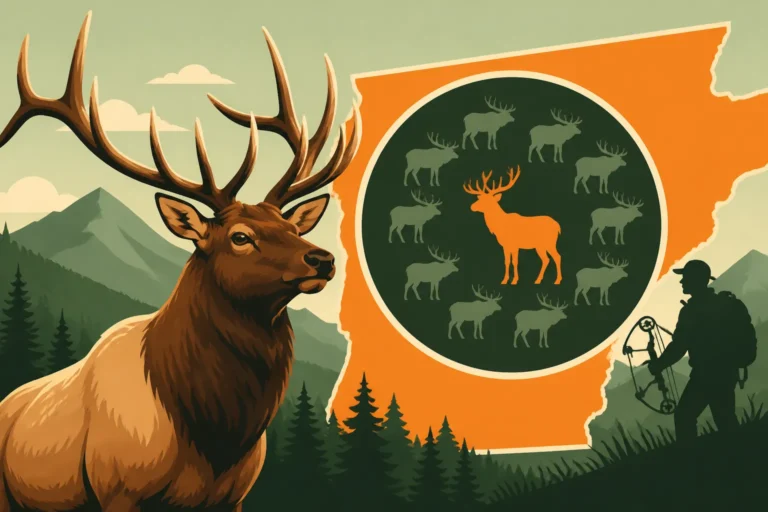
There's nothing quite like the surge of adrenaline that comes with drawing a Tennessee elk tag, especially for the general firearms season. For many hunters, this is the culmination of years of applying, dreaming, and preparing, but the reality of a hunt in the rugged North Cumberland Wildlife Management Area can be daunting. This comprehensive guide will walk you through everything you need to know to maximize your chances of success and make the most of this once-in-a-lifetime opportunity.
Understanding Tennessee's General Firearms Elk Season
Tennessee's elk herd is a remarkable conservation success story, and the opportunity to hunt them is a privilege many hunters across the state and beyond covet. Unlike deer hunting, the elk season is a highly controlled quota hunt, meaning only a select few hunters get the chance each year. The general firearms season is often the most anticipated due to the effectiveness and range of modern rifles in the vast terrain elk call home.
Key Dates and Regulations
The Tennessee Wildlife Resources Agency (TWRA) sets specific dates for the general firearms elk season each year, usually in the fall, often overlapping with the prime rutting activity or soon after. It's absolutely crucial to consult the current TWRA hunting guide for the precise dates, as they can shift slightly from year to year. Hunters selected for this hunt will receive detailed information, but generally, the season allows for a certain number of days to pursue either an antlered bull or an antlerless elk, depending on the tag drawn. Understanding the specific tag you hold — whether it's for a bull or a cow — is paramount, as misidentification can lead to serious violations.
Beyond just the dates, there are strict regulations regarding legal firearms. While it's a "firearms" season, certain calibers and ammunition types might be restricted. Generally, high-powered centerfire rifles are the norm, capable of humanely taking down an animal as large as an elk at varying ranges. Blaze orange requirements are also in effect during the general firearms season, ensuring hunter safety in an area that can see other hunters. Knowing the Tennessee Elk Quota Hunt Rules thoroughly will prevent any missteps during your precious hunt window.
The TWRA is vigilant about ethical hunting practices and wildlife management. Any special instructions regarding field dressing, transportation, or mandatory check-in points will be provided to tag holders. It's not just about taking an animal; it's about being a responsible participant in the ongoing restoration of Tennessee's Restored Elk Herd. Every hunter plays a role in maintaining the integrity of this program.
The North Cumberland Elk Zone Landscape
The North Cumberland Elk Zone, primarily located within the Cumberland Mountains of Northeast Tennessee, is a sprawling, rugged landscape that covers portions of Campbell, Claiborne, Scott, Morgan, and Anderson counties. This area is predominantly managed as the North Cumberland Wildlife Management Area (WMA), a mosaic of reclaimed strip mines, mature timber, dense clear-cuts, and steep ridges and hollows. It's beautiful, but it's also incredibly challenging terrain, far removed from the rolling farmlands of West Tennessee or the gentle hills of the Highland Rim.
The topography varies dramatically, with elevations ranging from about 1,200 feet to over 3,000 feet. You'll encounter flat, open meadows on reclaimed mine sites where elk often feed, interspersed with extremely steep, heavily wooded slopes that drop into deep, dark hollows. The roads, many of which are old mining roads or logging paths, can be rough and require a high-clearance, four-wheel-drive vehicle. Cell service is spotty at best in many areas, making physical maps, GPS units, or robust mapping apps like GoHunt essential for navigation and safety.
The diverse habitat supports a thriving ecosystem, but it also means elk can be found in a wide variety of cover. They might be bedded in thick laurel patches on a north-facing slope, grazing in a lush bottomland field, or moving through dense pines in an old clear-cut. Understanding the different types of terrain and where elk prefer to be at different times of the day and during varying weather conditions is crucial. This is not a hunt where you can just walk out and expect to stumble upon an elk; it requires serious effort and an intimate understanding of the landscape.
Drawing a Tag: The Quota System
The Tennessee elk hunt is one of the most sought-after opportunities in the state, and unfortunately, only a limited number of tags are issued each year through a lottery system. This ensures the sustainable growth and management of the Tennessee Elk Herd Size Today. The number of permits is small, typically ranging from a dozen to just over twenty, making the draw odds incredibly low. Applicants pay a non-refundable application fee and accumulate preference points for each year they apply and are unsuccessful. These preference points increase your odds in subsequent years, but success is never guaranteed.
The application window usually opens in the spring, typically from late February through early May. Hunters apply online through the TWRA's Go Outdoors Tennessee portal. It’s a nerve-wracking wait for the results, which are typically announced in late May or early June. If you're fortunate enough to draw, you'll be notified, and then the real planning begins. Understanding How Many Elk Permits Tennessee Issues really puts the rarity of this opportunity into perspective.
For those who don't draw a tag, there are still ways to be involved or scout the area, as the North Cumberland WMA is also open for other types of hunting, like deer and bear, outside of the elk season. Some hunters even make trips to the North Cumberland to simply experience Elk Viewing in the North Cumberland Zone and learn the terrain, hoping their luck will eventually turn for a tag. The quota system is designed to provide a fair chance while rigorously protecting the herd, ensuring future generations can also experience this incredible resource.
Pre-Season Preparation for Your Elk Hunt
Drawing an elk tag is just the first step. The physical and mental demands of an elk hunt in Tennessee are significant. Neglecting preparation can quickly turn an incredible opportunity into a miserable experience. This isn't a casual deer hunt; it requires meticulous planning and a serious commitment to being ready for the challenge.
Essential Gear and Rifle Choices
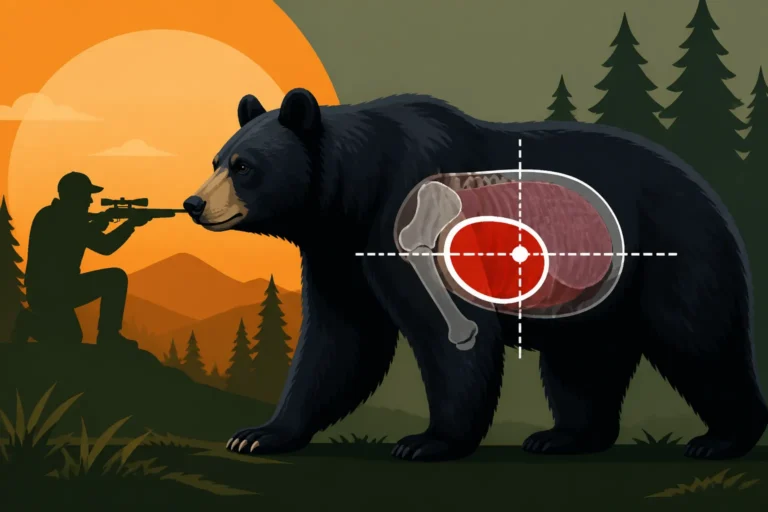
Your gear needs to be robust, reliable, and appropriate for the rugged, often unpredictable conditions of the North Cumberland mountains. Start with your rifle. For the general firearms season, you need a rifle capable of delivering enough energy to humanely take down an elk. Common calibers for elk include .30-06 Springfield, .300 Win Mag, .7mm Rem Mag, and the increasingly popular 6.5 PRC. Whatever you choose, it needs to be sighted in perfectly, and you need to be proficient with it at various ranges, especially out to 300-400 yards, which can be common in open clear-cuts or across hollows. Ensure your rifle and ammunition comply with all Tennessee regulations regarding legal firearms. Our guide on Rifles Built for a North Cumberland Elk Hunt can offer more specific recommendations.
Optics are equally vital. A high-quality binocular (10×42 or 10×50) is indispensable for Glassing a North Cumberland Elk Meadow and distant hillsides. A reliable rangefinder is non-negotiable for ethical shot placement in steep, broken terrain, as angles can significantly affect perceived distance. A good scope with excellent low-light gathering capabilities is crucial, as elk are often most active at dawn and dusk. Don't skimp on a solid pack, either—you'll need to carry water, food, extra layers, first-aid, and potentially heavy meat out of the woods.
Beyond your primary hunting tools, think about navigation (GPS, compass, maps), communication (satellite messenger or two-way radios, as cell service is spotty), and survival gear. Layered clothing is key for adapting to fluctuating mountain temperatures. Sturdy, waterproof hiking boots with good ankle support are a must, as you’ll be covering many miles over uneven ground. Headlamps, fire-starting supplies, and a basic first-aid kit should always be in your pack. Remember, the North Cumberland can be remote, and self-sufficiency is paramount.
Physical Conditioning for Mountain Terrain
This cannot be stressed enough: elk hunting in Tennessee is physically demanding. The North Cumberland WMA is characterized by steep ascents and descents, often over rocky, uneven ground. You'll be climbing, traversing, and pushing through thick brush, sometimes at high elevations. If you’re not in good physical shape, you’ll struggle, and your hunting success will likely suffer. Elk are powerful animals that often inhabit the steepest, nastiest terrain, so you need to be able to keep up.
Start your conditioning program months, not weeks, before your hunt. Focus on cardiovascular endurance (running, hiking, cycling) to build stamina for long days in the field. Incorporate strength training, especially for your legs and core, to handle the climbs and the weight of your pack, and potentially meat. Hiking with a weighted pack on uneven terrain is one of the best ways to simulate actual hunting conditions. If you can find local hills or mountains, use them.
Don't forget about mental toughness. There will be days when the weather is bad, the elk aren't cooperating, or you're just plain exhausted. Being physically prepared helps immensely with maintaining a positive mindset and pushing through those tough moments. Many experienced elk hunters liken the physical preparation to training for a marathon, and for good reason. Being ready for Preparing for a North Cumberland Elk Hunt is about more than just gear; it's about preparing your body for the incredible effort it will demand.
Scouting and E-Scouting Strategies
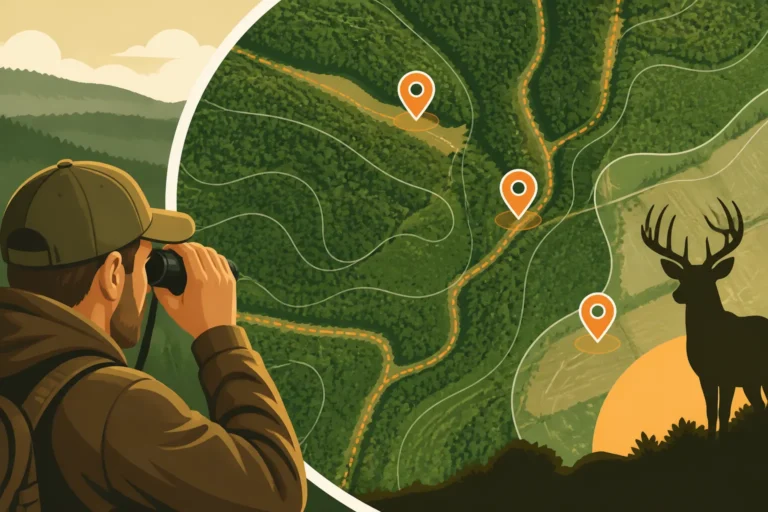
Effective scouting, both virtually and on the ground, is critical for success on a North Cumberland elk hunt. Given the limited season and the vastness of the WMA, going in blind is a recipe for frustration. Start with e-scouting from home. Utilize online mapping tools like GoHunt or OnX to study the terrain. Look for areas with a mix of cover, water sources, and potential feeding areas, such as reclaimed mine benches or creek bottoms. Identify potential travel corridors between bedding and feeding areas, often saddles or benches along ridgelines. Pay attention to north-facing slopes for cooler bedding in warmer weather, and south-facing slopes for sun exposure in colder conditions.
Once you've identified promising areas, if possible, conduct some boots-on-the-ground scouting trips before the season. This allows you to verify access roads, understand the density of the cover, and identify actual elk sign like tracks, rubs, wallows, and droppings. Even if you can only scout for deer or bear in the general area, you'll gain invaluable knowledge about the terrain and access points. Focus on finding fresh sign and understanding daily movement patterns. Early season scouting or scouting after a summer rain can reveal routes that are less obvious during dry conditions.
If pre-season scouting isn't feasible, leverage online resources, satellite imagery, and even local TWRA biologists for insights into current elk movements or preferred habitat. Look for clear-cuts that might have regenerated into prime elk browse, or areas with diverse vegetation that offers both cover and food. A good e-scouting session can save you days of aimless wandering during your actual hunt, giving you a significant advantage in locating these elusive animals. Understanding the Tennessee Elk Zone Boundaries Explained is also critical to ensure you're hunting in legal areas.
Tactics for Hunting North Cumberland Elk with a Firearm
Hunting elk with a firearm in Tennessee presents unique challenges and opportunities. Unlike bowhunting, the general firearms season allows for longer shots and can be a bit more forgiving of close encounters, but elk are still incredibly wary animals that require smart tactics.
Spot and Stalk in Open and Timbered Areas
The North Cumberland WMA offers diverse terrain, making both spot and stalk techniques viable. In the more open, reclaimed mine lands, spotting elk from a distance is often the most effective strategy. Climb to a high vantage point before first light and use your binoculars or spotting scope to systematically glass distant hillsides, open meadows, and clear-cuts. Elk often feed in these open areas during the early morning and late evening before retreating to cover. Once you spot elk, carefully plan your stalk, using terrain features and wind direction to your advantage. A successful stalk might involve a lengthy, circuitous route to approach undetected.
In the heavily timbered areas, true spot and stalk becomes more challenging. Here, it’s often more about still-hunting or slow-walking, focusing on finding fresh sign and moving silently. Pay close attention to wind, thermals, and topography. Elk have an incredible sense of smell and hearing. In dense timber, you're looking for subtle movements, a flash of hide, or the sound of breaking branches. Move slowly, pause frequently, and glass ahead into dense cover. You might also focus on key terrain features like saddles, benches, or creek crossings where elk are likely to travel. Knowing how to read subtle changes in the forest can be invaluable, similar to Finding Sign in Big Cherokee Forest Timber for deer.
Whether in open or timbered areas, always be mindful of the wind. Elk will almost always smell you before you see them if the wind is wrong. Use a wind checker frequently. When stalking, try to keep the wind in your face or quartering into you. Also, consider the angle of your shot. In steep country, judging yardage can be tricky, and animals can appear closer or further than they actually are. Practice shooting at angles during your pre-season preparation.
Calling Strategies During the Rut and Beyond
Calling can be an incredibly effective tactic for enticing elk, especially during or immediately after the peak of the rut, which typically falls in late September through early October. The general firearms season often overlaps with or immediately follows this period, meaning bulls can still be responsive to calls. Both cow calls and bugles have their place. Cow calls can be used to elicit a response from bulls searching for cows, or to bring in curious cows and younger bulls. Learning to use various Elk Calls and Cow Decoys is a great skill to develop.
Bugling can be aggressive, challenging other bulls to come in and investigate, or it can be used more subtly to locate elk. If you hear a distant bugle, a series of softer cow calls or a mild bugle back can often get a bull to respond and reveal his location. Be aware that over-calling can sometimes spook wary elk, especially if they've been pressured. Patience and reading the elk's response are key. Sometimes, a single, well-timed call is more effective than a barrage of noise.
As the rut winds down, bulls become more focused on feeding and recovering energy. Calling might be less effective then, but quiet cow calls can still sometimes pique their curiosity. During this later phase, a combination of calling to locate and then moving in for a spot and stalk is often the most successful strategy. Remember that elk in the North Cumberland are wild and smart; they've heard calls before, so try to make your calls sound as natural as possible. Our guide on Calling a North Cumberland Bull Elk offers deeper insights into these techniques.
Understanding Elk Behavior and Movement Patterns
Elk behavior is heavily influenced by time of day, weather, food sources, and hunting pressure. Understanding these factors will significantly improve your chances. In the early morning and late evening, elk are typically most active, feeding in open areas, meadows, or browsing on young clear-cut regrowth. During the middle of the day, especially if the weather is warm or sunny, they will often bed down in dense cover, usually on cooler north-facing slopes or in thick laurel and pine stands.
Weather plays a huge role. Cold, clear mornings can bring elk out to feed longer. Rainy, stormy days might push them into thicker cover or reduce their activity. A sudden cold front can increase their feeding activity. Wind direction is paramount; elk will often move into areas where they can use the wind to detect predators, usually bedding with the wind at their back, watching their downwind side.
Food sources in the North Cumberland include grasses, forbs, acorns (when available), and the browse from young trees and shrubs in regenerating clear-cuts. Identify these key food sources and focus your efforts around them. Water is also essential, so don't overlook springs, creeks, and stock ponds, especially during dry periods. Elk will often travel predictable routes between their bedding, feeding, and watering areas. Look for these travel corridors, which might be subtle trails, saddles, or benches along ridges. Using a mapping platform like GoHunt to analyze historical elk sightings or game camera data can provide valuable insights into these patterns. Understanding these behaviors allows you to anticipate where elk will be and plan your approach accordingly.
Post-Harvest Considerations for Tennessee Elk Hunters
Successfully harvesting an elk in Tennessee is a momentous achievement, but the work is far from over. Elk are large animals, and proper post-harvest care is crucial for meat quality and legal compliance.
Field Dressing and Meat Care in the Backcountry
An elk can weigh significantly more than a deer, often between 400 and 800 pounds, with some mature bulls exceeding 1,000 pounds. Getting this much meat out of the rugged North Cumberland terrain is a major undertaking. The moment your elk is down, the clock starts ticking, especially if temperatures are warm. Rapid field dressing is essential to cool the carcass and prevent spoilage. You’ll need a sharp, sturdy knife, a bone saw or strong pruning shears, and game bags. Consider the "gutless method" for field dressing, which involves quartering the animal and removing the meat without opening the body cavity, making it easier to transport and often cleaner.
Once quartered, the meat needs to be cooled as quickly as possible. This means getting it out of the sun and off the ground. Game bags are indispensable for protecting the meat from dirt, flies, and other contaminants. If you're deep in the backcountry, you'll need to pack the quarters out, often requiring multiple trips or the help of hunting partners. Frame packs specifically designed for hauling heavy loads are highly recommended. A deer cart might work on flatter, smoother roads, but it will be largely useless in the steep, rocky, and brushy terrain common in the North Cumberland.
Plan for meat care before you even leave home. Have large coolers filled with ice ready at camp or your vehicle. If you're coming from a long distance, research local meat processors who can handle elk, or be prepared to butcher the animal yourself. This is a lot of meat, so proper preservation is key.
Reporting Your Elk Harvest
Just like with deer, reporting your elk harvest is a legal requirement and a critical part of wildlife management. The TWRA uses harvest data to monitor the health of the elk herd and make informed management decisions for future seasons. Once you've harvested an elk, you must report it within 48 hours of recovery or before processing or leaving the state. This is typically done through the TWRA's Go Outdoors Tennessee app or website, similar to Reporting a Tennessee Deer Harvest Online.
You'll need specific information from your tag, the date and time of kill, and the specific location. The TWRA may also require you to take the animal to a physical check station or for biological sampling, especially if it's part of a scientific study or monitoring effort. Be prepared for this possibility. Failure to report your harvest can result in fines and loss of hunting privileges, so don't let the excitement of a successful hunt distract you from this crucial step.
Accurate reporting helps the TWRA track the overall health and population trends of the Tennessee's Restored Elk Herd. It's a small but significant way every hunter contributes to the long-term success of elk conservation in the state.
Navigating the CWD Zone
Tennessee is actively managing Chronic Wasting Disease (CWD), and parts of the state are designated as CWD Management Zones. While the North Cumberland Elk Zone is not currently within the primary CWD endemic area for deer, CWD is a serious concern, and regulations are in place to prevent its spread. It's vital to stay informed about the latest CWD regulations, especially regarding the transportation of carcasses.
If you harvest an elk, you must adhere to any specific rules concerning carcass movement. Generally, only deboned meat, clean skull plates, hides, and taxidermy-ready mounts are allowed to be transported out of a CWD-affected county. While the North Cumberland is generally clear, if you travel through or reside in a CWD-positive county, these rules apply. Our guide on Deboning Venison Before Leaving the CWD Zone provides detailed instructions on how to properly handle meat to comply with these regulations.
The TWRA provides CWD testing stations in affected counties, and while not typically mandatory for elk, being aware of the general CWD management plan in Tennessee's Chronic Wasting Disease Management Zone is part of being a responsible hunter. Always check the current TWRA regulations for any updates regarding CWD and elk harvesting, as these rules can change rapidly based on disease detection and management needs. Your cooperation helps protect not only Tennessee's deer and elk herds but also wildlife populations across state lines.
Disclaimer
Please note: Hunting regulations and seasons can change. Always consult the most current Tennessee Wildlife Resources Agency (TWRA) regulations and official proclamations before planning any hunting trip. This guide is for informational purposes only and should not be considered a substitute for official legal documents or professional advice.