Hunting the Youth Elk Season
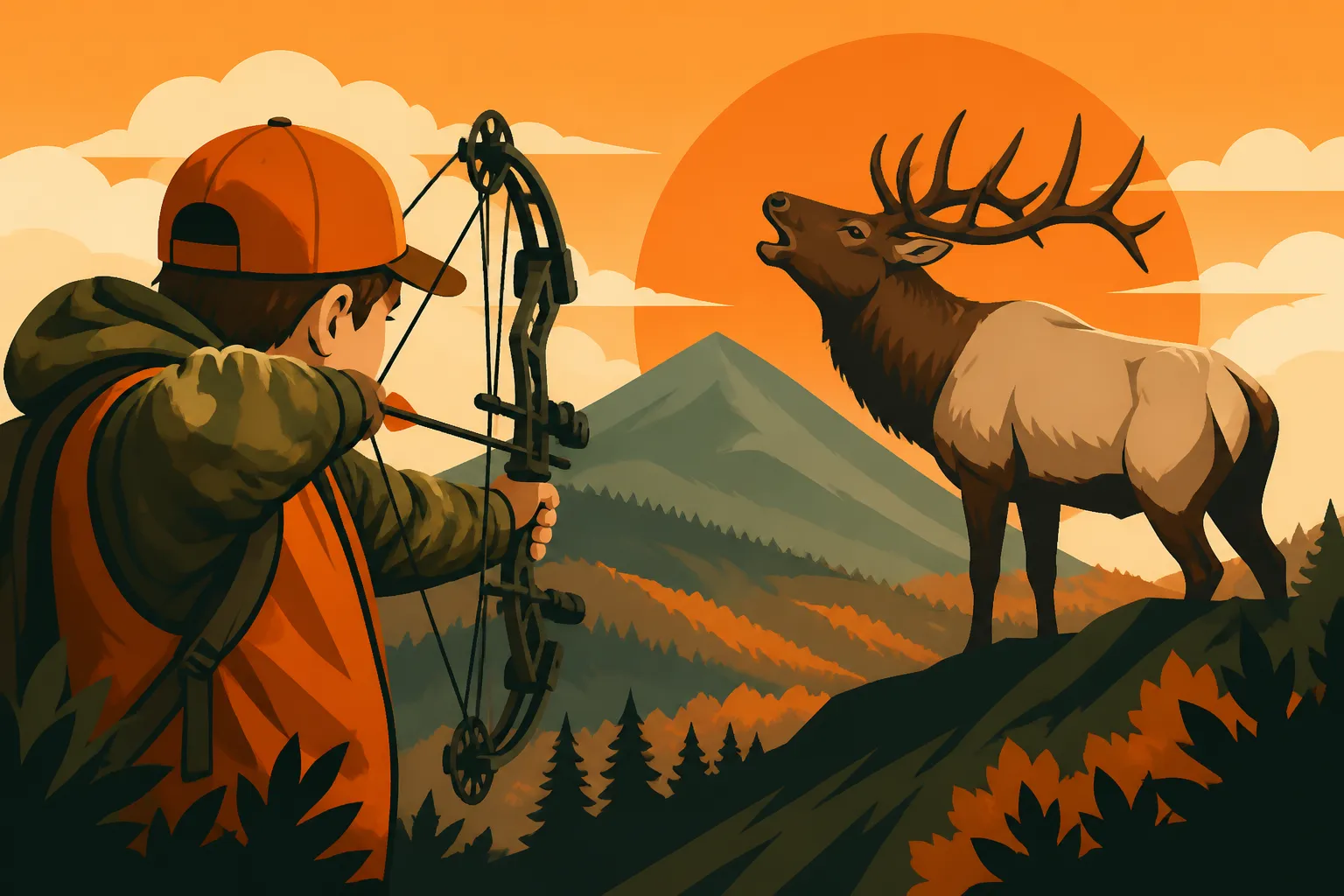
Hunting with youth is one of the most rewarding experiences in the woods, but when it comes to something as specific and coveted as elk, it can feel like a labyrinth of rules and expectations. Many parents and mentors wonder how to even begin navigating the process to give a young hunter the incredible opportunity to pursue an elk in Tennessee. This guide is here to demystify the Tennessee Youth Elk Season, walking you through everything from understanding the draw to preparing for the hunt of a lifetime.
Understanding Tennessee's Youth Elk Season
Getting a youth hunter into the field for elk in Tennessee isn't just about showing up; it's about understanding a very specific set of regulations and opportunities designed to foster the next generation of conservationists. The Tennessee Wildlife Resources Agency (TWRA) dedicates specific tags and seasons to youth, recognizing the importance of early exposure to big game hunting.
Eligibility and Application Requirements
First and foremost, you need to know if your young hunter even qualifies. The Tennessee Youth Elk Season is typically open to hunters aged 6-16 by the hunt date. It’s not just about age, though; the youth must also possess a valid hunting license and a Tennessee big game permit. For residents, this usually means a junior hunting license, which is incredibly affordable and covers all the necessary bases for deer, turkey, and elk if they're drawn. Non-residents have options too, but the costs are higher, and the process for obtaining specific permits can be a bit more involved. You’ll want to check the specific annual regulations for any changes, but generally, the age window remains consistent.
The real hurdle is the application. Unlike deer tags, elk tags are issued through a quota hunt system. This means it's a lottery, plain and simple. Hunters must apply during a specific window, usually in the spring or early summer, through the TWRA's Go Outdoors Tennessee portal. This is where you'll find details on all the Tennessee Elk Quota Hunt Rules, including specific dates for applying. There are very few youth tags available, making the draw odds tough, but someone has to win! Make sure to keep an eye on the Tennessee Elk Application Window Dates so you don't miss out on entering your child for this incredible opportunity. Every year, I hear stories of folks who just barely missed the deadline, and it's heartbreaking. Double-check those dates, set reminders, and make sure the application is submitted correctly.
Season Dates and Zones
The youth elk season dates are distinct from the general firearms or archery-only elk seasons. These are set specifically for youth hunters, often timed to coincide with school breaks or prime hunting conditions, though exact dates vary annually. The hunt takes place exclusively within the North Cumberland Elk Restoration Zone, which spans parts of Scott, Campbell, Claiborne, Anderson, and Morgan counties. This expansive area is where Tennessee's Restored Elk Herd roams, offering vast public lands, including the North Cumberland Wildlife Management Area, for hunters.
It’s critical to understand that the youth hunt might have specific weapon restrictions, though typically, firearms are allowed. Always refer to the current year's Tennessee Youth Elk Season Rules for definitive information on legal weapons. While the excitement of the hunt is paramount, knowing the boundaries and regulations is what keeps you legal and safe. This area, with its rugged terrain and dense timber, is managed meticulously by the TWRA, and hunters must respect the specific zones and regulations that apply.
Preparing for a Successful Youth Elk Hunt
Getting drawn for a Tennessee youth elk tag is like hitting the lottery. But the hard work truly begins once that notification arrives. Preparation for an elk hunt, especially with a young hunter, needs to be thorough, focusing on physical readiness, essential gear, and the invaluable role of a mentor.
Physical Conditioning and Realistic Expectations
Let's be real: elk hunting in North Cumberland is no walk in the park. The terrain is steep, rugged, and unforgiving. Even if you plan to hunt from roads or easier access points, there's always the chance of having to track an animal through some serious hills. For a youth hunter, this can be physically demanding. Start with short hikes, gradually increasing distance and elevation. Carry a small pack with some weight to simulate what they might carry on the hunt. This isn't about turning them into an Olympic athlete; it's about building stamina and preventing misery in the field.
Beyond physical prep, managing expectations is key. Elk are large, elusive animals, and success is never guaranteed, even with a coveted tag. Talk to your child about the challenges: long hours of sitting or walking, unpredictable weather, and the high likelihood of not seeing an elk, let alone getting a shot. Emphasize the experience – being in the mountains, seeing wildlife, learning woodsmanship – as the real trophy. This helps prevent disappointment and fosters a love for the outdoors, regardless of the harvest. I've seen too many kids get discouraged because the reality didn't match the YouTube videos. Focus on the adventure, not just the outcome.
Essential Gear and Optics
Outfitting a youth hunter for elk involves some specialized gear. The first priority is a suitable rifle. For Tennessee Elk, you'll want to consider Rifles Built for a North Cumberland Elk Hunt. A .270, .30-06, or .308 are popular choices, offering sufficient power without excessive recoil for a young shooter. Ensure the rifle fits them well – proper length of pull is crucial for accuracy and comfort. Spend ample time at the range, practicing shooting from various positions, including offhand, from sticks, and from a kneeling position. This builds confidence and proficiency.
Optics are also vital. While you might be glassing open meadows, much of the hunting occurs in timber, so good Binocular Choice for Tennessee Whitetails also applies to elk here. A pair of 8x or 10x binoculars will be invaluable for scanning distant ridges or picking apart dense cover. A rangefinder is non-negotiable for confirming distances, especially in the undulating terrain where estimates can be wildly off. And don't forget quality rain gear, durable hiking boots that are well broken in, and layered clothing suited for variable mountain weather. A good pack, like one from Mystery Ranch or Kuiu, that fits a smaller frame but can still carry essentials and potentially deboned meat is also critical. Even for day hunts, you need to be prepared for the unexpected. When scouting, using tools like GoHunt can help you overlay public land boundaries and topo maps to identify potential elk habitat and access points, which is a massive advantage in such rugged country.
The Role of the Mentor
The mentor’s role in a youth elk hunt is paramount. This isn't just about chaperoning; it's about teaching, guiding, and supporting. Your responsibilities include:
- Safety First: Instill strict firearm safety habits. Always know where your child's muzzle is pointed and ensure they understand target identification and what’s beyond their target.
- Navigation and Scouting: Lead the way in understanding the terrain and potential elk movements. Pre-season Scouting Tennessee Public Land Before Season is invaluable. You might be able to find areas where elk sign is concentrated.
- Decision Making: Help them make ethical shot decisions and understand when to hold fire.
- Encouragement: Keep spirits high, especially when frustration sets in. Celebrate small victories, like finding fresh tracks or hearing a distant bugle.
- Practical Skills: Teach them how to use their gear, read sign, track, and interpret wind and thermals.
Remember, this is their hunt. While you're there to help, let them be actively involved in the process, from carrying their own gear (within reason) to making calls on where to still-hunt or sit.
Tactics for Hunting North Cumberland Elk with Youth
Hunting elk in Tennessee's North Cumberland is a unique challenge. Unlike western states with vast open plains, much of this area is heavily timbered, presenting different strategic considerations. Success with a youth hunter often hinges on patience, strategic movement, and effective use of calls.
Still-Hunting and Stand Placement
Still-hunting is a highly effective tactic in the dense timber of North Cumberland. This involves moving slowly, taking a few steps, then pausing for several minutes to scan for movement or listen for sounds. Teach your youth hunter to use their eyes and ears more than their feet. Focus on prime elk habitat: north-facing slopes with dense cover, saddles between ridges, and areas with fresh browse or wallows. When Still-Hunting Cumberland Plateau Ridges, remember that elk often use these features as travel corridors.
Stand placement, whether using a treestand or a ground blind, can also be productive, especially near known food sources, water, or bedding areas. Identify pinch points or funnels where elk are likely to travel. A well-placed ground blind can offer comfort and concealment for a young hunter who might struggle with prolonged stillness in a treestand. Ensure the blind is brushed in naturally to break up its outline. Before you even set foot in the woods, using a GPS app like GoHunt can really help you pinpoint these promising areas on aerial imagery, saving you valuable time on the ground.
Calling Tactics and Glassing Opportunities
Calling is an integral part of elk hunting. Learning to use a Bugle Tube for North Cumberland Elk can be incredibly exciting for a youth hunter. While bugling can challenge a bull to come in, cow calls are often more effective for enticing inquisitive elk, especially younger bulls or cows. Practice various calls beforehand so your youth hunter can participate and even try their hand at calling. Remember, subtlety can often be more effective than loud, aggressive calling, particularly on pressured animals.
While North Cumberland is heavily forested, there are still Glassing a North Cumberland Elk Meadow opportunities, especially along power lines, reclaimed mine sites, or larger food plots. From a vantage point, teach your child to systematically scan these open areas with their binoculars, looking for pieces of an elk – an ear, a patch of hide, or an antler tip – rather than the whole animal. Glassing can be tedious, but it teaches patience and observation skills. It also offers a chance to rest and soak in the majestic scenery.
Safety Considerations in Bear Country
Hunting in North Cumberland means you're in prime Black Bear country. While aggressive encounters are rare, it's essential to be prepared. Carry bear spray and know how to use it. Make noise when moving through thick cover to avoid surprising a bear. Store food properly, especially if you're camping. Familiarize yourself with Where Cherokee Forest Bears Range and other local wildlife to ensure a safe and enjoyable hunt for everyone involved. Educating your youth hunter on bear safety, what to do if they see a bear, and how to carry themselves in the wilderness is just as important as shot placement.
After the Shot: Field Care and Reporting for Youth Hunters
The moment of truth—a successful shot—is exhilarating, but the work doesn’t stop there. Proper field care and adhering to reporting requirements are crucial for every hunter, especially when guiding a youth through their first elk harvest.
Ethical Retrieval and Field Dressing
After a shot, the first step is to wait. How long depends on the shot placement, but patience is key to ensure a humane and successful recovery. Teach your youth hunter the importance of waiting and listening for sounds, rather than rushing in prematurely. When you begin to track, emphasize looking for blood, broken branches, and tracks. This is an incredible lesson in tracking a large animal, often through dense foliage.
Once the elk is located, congratulations are in order! Then, it's time for the hard work of field dressing. Elk are huge animals, and this can be a daunting task. The gutless method is often preferred for elk, especially in rugged terrain, as it allows you to debone the meat and pack it out without having to move the entire carcass. Teach your child about cooling the meat quickly, especially if temperatures are warm. Using game bags to protect the meat from dirt and insects is essential. This is where a good pack with a frame really earns its keep, as you'll likely be making multiple trips. You might need to make sure you have enough coolers and game bags for Early Archery if you're hunting in warmer parts of the season, and the same principle applies to any early season elk hunt.
Required Reporting and CWD Compliance
Tennessee has strict harvest reporting requirements that apply to youth elk hunters just as they do to adults. All harvested elk must be reported to the TWRA within 48 hours. This can typically be done online through the Go Outdoors Tennessee website or app, or by phone. Make sure you have all the necessary information ready, including the hunter's license number, county of harvest, and the exact date. This data is vital for wildlife management.
Additionally, elk in Tennessee's North Cumberland Zone are subject to Chronic Wasting Disease (CWD) surveillance. While the primary CWD zone is in West Tennessee, elk in the restoration zone are monitored closely. Be prepared to submit a sample for CWD testing if required by the TWRA. This usually involves dropping off the head at a designated sampling station. Knowing about Tennessee's Chronic Wasting Disease Management Zone and its specific requirements will ensure you’re compliant.
| Task Category | Key Action Points | Essential Gear/Requirement |
|---|---|---|
| Pre-Hunt Prep | Understand eligibility, apply for draw, check Tennessee Elk Quota Hunt Rules | Valid hunting license, big game permit, Go Outdoors TN account |
| Physical conditioning: hikes, pack carries | Comfortable hiking boots, small pack | |
| Gear & Outfitting | Select appropriate rifle (e.g., .270, .30-06), practice shooting | Fitted rifle, ample ammo, ear/eye protection |
| Quality binoculars (8x-10x), rangefinder | Optics, rangefinder | |
| Layered clothing, rain gear, comfortable boots | Weather-appropriate attire | |
| In the Field | Still-hunt slowly, focus on prime elk habitat, identify funnels | Patience, keen observation |
| Utilize calling (bugles, cow calls), practice subtlety | Elk calls (bugle tube, cow calls) | |
| Glass open areas from vantage points | Binoculars, spotter scope (optional) | |
| Bear safety: carry bear spray, make noise | Bear spray, knowledge of bear behavior | |
| Post-Harvest | Wait before tracking, ethical retrieval | Patience, good tracking skills |
| Field dressing (gutless method often best), cool meat quickly | Sharp knife, game bags, durable pack | |
| Report harvest within 48 hours to TWRA | Go Outdoors TN app/website, phone | |
| Submit CWD sample if required, know Tennessee's CWD protocols | Knowledge of CWD stations, TWRA guidance |
This structured approach, focusing on education, preparation, and ethical hunting practices, will not only increase the chances of a successful elk harvest but, more importantly, create lasting memories and instill a deep respect for wildlife in your young hunter.
Disclaimer
Please note that hunting regulations, season dates, and license requirements are subject to change. Always consult the official Tennessee Wildlife Resources Agency (TWRA) regulations guide for the most current and accurate information before planning any hunt. This article is intended for informational purposes only and does not supersede state wildlife laws.