Finding Sign in Big Cherokee Forest Timber
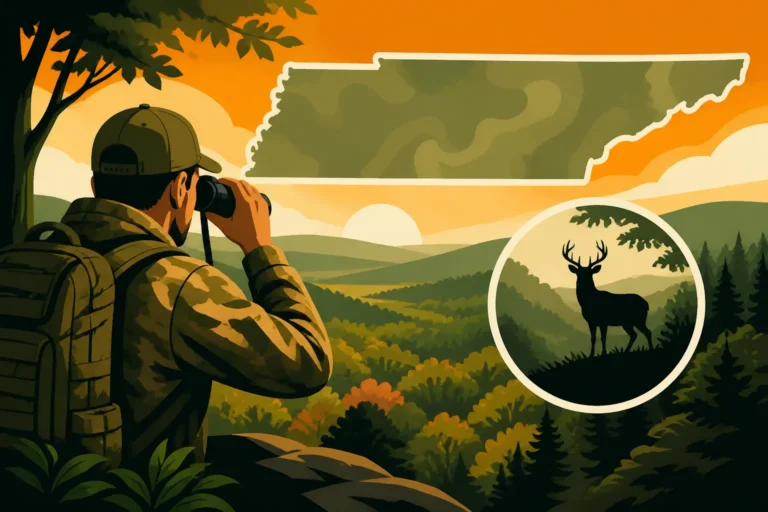
The sheer size of the Cherokee National Forest can feel incredibly daunting when you're trying to locate deer, often leaving you wondering where to even start. It's easy to feel swallowed by the endless timber and rugged terrain, convinced that any deer sign is too sparse to find. This guide is designed to empower you with the knowledge and strategies to systematically identify and interpret deer sign in the expansive, big timber areas of the Cherokee, transforming an overwhelming challenge into a clear, actionable plan.
Understanding the Cherokee National Forest Landscape
The Cherokee National Forest is a beast, plain and simple. It's not your typical farm country hunting, where deer patterns might be dictated by crop fields and small woodlots. Here, deer move differently, driven by vast expanses of mast-producing timber, rugged terrain, and a distinct lack of human disturbance in many areas. Understanding this unique environment is your first step to finding consistent deer sign.
The Scale and Terrain Challenges
Imagine standing at the base of a towering ridge, looking up at what seems like an endless canopy of oaks and pines. This isn't just a picturesque scene; it's the reality of hunting in the Cherokee. The forest spans over 655,000 acres, encompassing parts of 10 counties in East Tennessee, from the North Carolina border down to Georgia. This immense scale means deer have a lot of room to roam, making their movements less predictable than in smaller, fragmented habitats. You're dealing with steep elevation changes, deep hollows, rocky outcrops, and dense rhododendron thickets that can swallow a hunter whole.
These dramatic topographical features directly influence where deer travel and bed. Instead of following fencerows, deer here will often stick to benches that run along the contours of a ridge, or utilize saddles that connect one ridge to another, offering an easier path of travel between bedding and feeding areas. The frustration of endless walking without seeing a thing is real for many hunters in this type of environment, but learning to read the terrain for these natural funnels is key. When you're considering a hunt, remember that Packs for a Cherokee Forest Day Hunt are essential to cover this challenging ground comfortably and effectively.
Primary Food Sources in Big Timber
Unlike agricultural areas, food sources in the Cherokee National Forest are predominantly natural, and they fluctuate greatly by season and year. The big timber here is often dominated by mature hardwoods, primarily various species of oak, which means acorns are king. When acorns are dropping, deer will abandon almost everything else to gorge on this high-energy food source. Identifying areas with a good acorn crop – especially white oaks, which deer prefer early in the season – is paramount.
Beyond acorns, deer browse on a variety of plants, shrubs, and young saplings. They'll also seek out soft mast like wild grapes, persimmons, and even certain fungi, depending on availability. Knowing what's currently providing food is crucial. For instance, after a poor acorn year, deer might shift their focus to laurel and rhododendron thickets for browse, or seek out specific patches of greenbrier. Understanding these subtle shifts helps you predict where deer will be, even if it's not the most obvious "food plot" scenario you might be used to. This is where scouting really pays off, allowing you to scout Hunting After a Poor Acorn Year and adapt your strategy.
Water Sources and Travel Corridors
Water is often abundant in the Cherokee, with countless springs, creeks, and small streams trickling down the mountainsides. While deer don't necessarily "travel" to water in the same way they might in arid regions, consistent water sources can certainly concentrate activity, especially in drier periods or specific hollows. Deer will often bed close to water, and trails will frequently follow creek bottoms or cross over at specific, easily accessible points.
Beyond water, natural funnels created by the terrain act as major travel corridors. We're talking about those aforementioned benches and saddles, but also the fingers of ridges that jut out into hollows, and the junctions of multiple drainages. These are the "highways" deer use to navigate the dense forest. Identifying these natural travel routes on a topographic map or with an app like GoHunt before you even set foot in the woods can save you hours of aimless wandering and dramatically increase your chances of finding fresh sign. These corridors are prime locations for Treestand Setups in Cherokee National Forest, as they often concentrate deer movement.
Key Deer Sign to Look For
Once you're actually in the big timber of the Cherokee, knowing exactly what to look for – and how to interpret it – is critical. Deer sign isn't always as obvious as a well-worn trail in a cornfield; sometimes, it's subtle, requiring a keen eye and a good understanding of deer behavior.
Scrapes and Rubs
Ah, the calling cards of a buck! Scrapes are patches of disturbed earth, usually under an overhanging branch, where a buck has pawed away the leaves and dirt, often urinating into the exposed soil. These are essentially communication hubs for deer. Fresh scrapes will have moist, recently disturbed earth and might still smell like fresh urine. They become more prevalent as the rut approaches. Pay attention to "community scrapes" — larger scrapes visited by multiple deer — as these indicate a high-traffic area.
Rubs are where bucks have scraped their antlers on trees. They start small on saplings early in the season as velvet comes off and become more aggressive on larger trees closer to the rut. Look for fresh wood exposed on the rub, especially if the bark is still peeling. A series of rubs forming a "rub line" can tell you a buck's general direction of travel and even his preference for moving along a particular ridge or bench. The height of the rubs can also give you an idea of the buck's size. When you find these, you know you're in an active zone for deer, especially when Hunting the Tennessee Rut in Early November.
Tracks and Trails
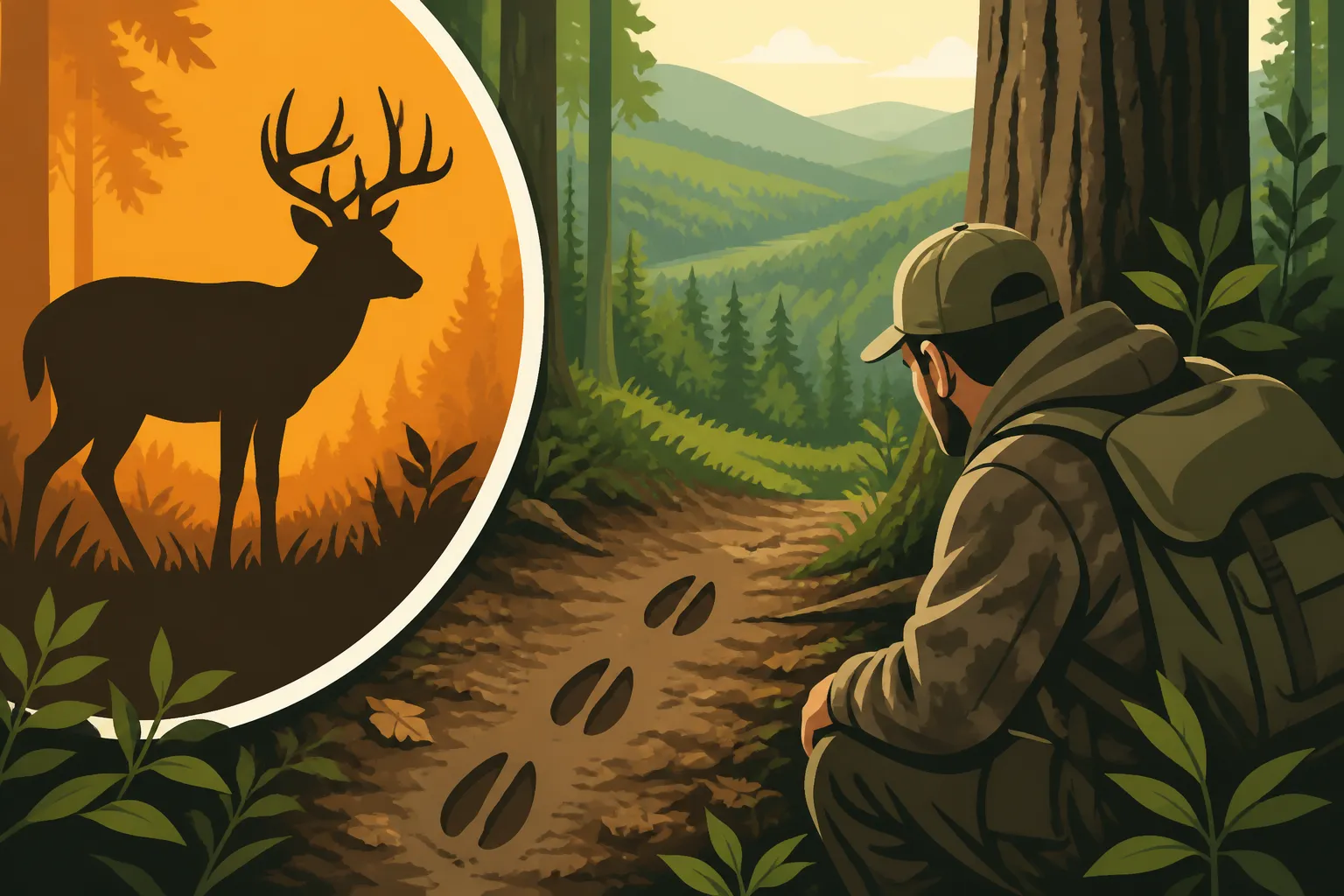
Finding tracks in the deep leaf litter of the Cherokee can be challenging, but they are undeniable proof of deer presence. Look for fresh, clear tracks in softer soil, mud around water sources, or even on lightly used logging roads and ATV trails. Pay attention to the size and shape – larger, blunter tracks typically belong to bucks, while more pointed tracks are usually does or fawns. The biggest giveaway for freshness is sharp edges and an absence of debris (leaves, twigs) settled in the impression.
Beyond individual tracks, look for subtle trails. In big timber, these aren't always wide, trampled paths. They might be just a slight depression in the leaf litter, or a noticeable path where leaves have been pushed aside more frequently. These often follow the easiest path of resistance – along a bench, through a saddle, or around a thicket. Deer are creatures of habit, and these subtle trails can be their daily routes between bedding and feeding, or pathways used to get to water. Learning to identify these faint trails is a skill that comes with practice and patience. Sometimes, you'll find them along a Scrape Lines Along a Logging Road, indicating consistent travel.
Droppings and Beds
Deer droppings, or scat, are like little time capsules telling you about deer activity. Fresh droppings will be moist and shiny, often clumpy if the deer has been eating green browse, or drier and pelleted if they’ve been on acorns or dry feed. Old droppings will be dry, faded, and crumbly. Finding a concentration of fresh droppings indicates that deer have been feeding or bedding in that immediate area recently. The size of the droppings can also give you a rough idea of the deer's size, with larger pellets typically belonging to mature deer.
Bedding areas are where deer rest, chew their cud, and seek shelter. In the Cherokee, these are often found on leeward sides of ridges (sheltered from the wind), on benches overlooking thick cover, or within dense stands of evergreens like pines or rhododendrons, especially during cold weather. A bed will look like a flattened oval in the leaves or grass. Fresh beds might still have a body impression, and the leaves around them may be disturbed. You might even find fresh droppings or hair left behind. When scouting for these, consider Wind and Thermals on a Ridge System as deer use these to their advantage for scenting predators. Finding a cluster of fresh beds points to a preferred bedding location, especially if they offer good escape routes and thermal cover.
Strategic Scouting in Big Timber
Navigating and scouting the vastness of the Cherokee National Forest requires more than just walking around hoping to stumble upon something. It demands a systematic, strategic approach, blending modern technology with traditional woodsman skills.
Using Maps and Technology
Before you even lace up your boots, digital scouting is your best friend. Modern mapping applications, like the TWRA's own map viewer or premium options such as GoHunt, are indispensable. They allow you to pour over topographic maps and satellite imagery from the comfort of your home, identifying potential hotspots. Look for saddles, benches, natural funnels created by converging ridges, and areas with different timber types that might indicate varying food sources. Pay close attention to subtle changes in elevation that might not be obvious on a flatter map.
Mark potential bedding areas – typically on secluded benches with thick cover – and likely feeding areas, such as oak flats, especially if you have an idea of the mast crop. Identify water sources and how deer might travel to them. By using these tools, you can create a virtual "game plan" with waypoints and routes before you hit the timber, drastically cutting down on wasted time and energy. This proactive approach to Scouting Tennessee Public Land Before Season is what separates consistently successful hunters from those who just wander.
Grid Searching and Systematic Approach
Once you're on the ground, resist the urge to simply wander. Employ a grid search or a systematic sweep of a specific area. Instead of walking in a straight line, walk a contour line, then drop down a hundred yards and walk another, or zig-zag up and down a ridge. Focus on breaking down the vastness into smaller, manageable sections. Concentrate your efforts on areas you identified during your digital scouting, like a particular saddle or a series of benches.
Look for changes in habitat – a transition from mature hardwoods to a pine stand, or a clearing where younger growth might offer better browse. These "edges" are often where you'll find increased deer activity. Don't be afraid to walk slowly, stopping frequently to glass ahead and observe your surroundings. Remember that deer sign can be subtle, so a rushed walk might miss the critical clues. A systematic approach, rather than aimless wandering, helps ensure you cover ground effectively and thoroughly. You might even find Finding Ground Others Walk Past by using this method.
Timing Your Scouting Trips
The time of year you scout makes a huge difference in what kind of sign you'll find and how you interpret it. Early season scouting, say in late summer or early fall, is excellent for identifying food sources like acorns. You can physically see the mast crop on the trees and pinpoint where deer will be feeding once the season opens. You'll also find early rubs as bucks shed velvet.
Post-season scouting, immediately after deer season closes, is arguably the most valuable. The woods are typically quieter, and deer patterns are still fresh. You can walk through bedding areas without disturbing animals you'll hunt later. More importantly, without the pressure of a hunt, you can see all the leftover sign – the rub lines, scrape lines, and bedding areas that were active during the season. This gives you a complete picture of how deer utilized the area, informing your strategy for the next season. It's also a great time to start planning for Bowhunting Tennessee's Long Archery Season.
Interpreting Sign and Planning Your Hunt
Finding individual pieces of deer sign is one thing; understanding what they collectively mean and how to use that information to plan a successful hunt in the Cherokee's big timber is another. This is where the art and science of hunting truly come together.
Connecting the Dots
Think of each piece of deer sign as a puzzle piece. A single track is just a track, but a track leading to a fresh rub, which then follows a subtle trail along a bench, past an active scrape, and ends near a cluster of fresh beds in a thicket – now you're building a complete picture of deer movement. You're starting to understand the deer's routine, their preferred travel corridors, and where they feel safe.
For example, if you find multiple fresh rubs on saplings along a specific bench in a valley, and then discover a large, active scrape at the junction of two converging ridges higher up, you can infer that a buck is likely traveling along that bench, heading towards the ridge junction, perhaps en route to a feeding area or a known doe bedding area. The concentration and freshness of the sign are critical indicators. If the sign is old and scattered, deer might have moved on due to hunting pressure, a change in food sources, or simply a shift in their seasonal patterns.
Adapting to Changing Conditions
Deer, especially in heavily hunted areas of the Cherokee, are highly adaptable. Their patterns can change quickly based on hunting pressure, weather, and the availability of food. What was a hot rub line on opening day might be cold a week later if hunters have moved through the area. A sudden cold front might push deer into thicker, south-facing slopes for warmth, or a heavy acorn drop might pull them out of a previously active browse area.
This means your scouting isn't a one-and-done affair. It’s an ongoing process. Use your initial scouting to establish a baseline, but be prepared to adjust your strategy based on current conditions. Fresh snow can provide excellent tracking opportunities, revealing new travel patterns. Rain can wash away old sign, highlighting what's truly fresh. Always be looking for the freshest sign when you're in the woods, and don't be afraid to move your stand or adjust your approach if the deer aren't where you expect them. Tools like GoHunt allow you to quickly identify alternative routes or spots if your primary area goes cold.
Stand Placement Based on Sign
Ultimately, the goal of finding sign is to put yourself in a position for a shot. Once you've connected the dots and identified consistent travel patterns, you can strategically place your stand or ground blind. For treestands, look for funnels where deer movement is concentrated, such as saddles, pinch points between thickets, or where a trail crosses a creek. Place your stand downwind of the expected travel path, considering thermals if you're hunting in hilly terrain. If you're Hunting Cumberland Plateau Ridgelines, understanding how thermals affect scent is crucial.
For ground blinds, utilize existing cover like thick briar patches, fallen logs, or the base of large trees, brushing them in well to break up your outline. The key is to be close enough to where you expect deer to pass, but far enough away to avoid detection. Always set up with an escape route in mind and ensure your entry and exit routes don't cross known deer paths. In big timber, patience and a well-thought-out stand location based on solid sign can make all the difference.
Here's a quick look at common deer sign and what it can tell you:
| Type of Sign | What It Looks Like | What It Tells You | Best Time to Find |
|---|---|---|---|
| Tracks | Indentations in mud, soft soil, or snow | Recent presence, direction of travel, approximate size | Any time, best after rain/snow |
| Rubs | Bark scraped off trees by antlers, exposing fresh wood | Buck activity, aggression, travel path (rub lines) | Late summer through rut |
| Scrapes | Pawed-up ground, often under an overhanging branch, possibly with urine | Communication hub, buck presence, pre-rut/rut activity | Late summer through rut |
| Droppings | Pellets or clumps of deer scat | Recent feeding/bedding, diet, general size | Any time, freshest is most informative |
| Beds | Oval depressions in leaves/grass, sometimes with hair | Deer resting/sheltering area, preferred bedding spots | Any time, easiest to spot post-season |
| Trails | Subtle paths through vegetation, compressed leaf litter | Established travel routes between key areas | Any time, clearest with consistent use |
The Cherokee National Forest offers incredible hunting opportunities, but it demands respect and a dedicated approach to scouting. By systematically looking for and interpreting deer sign, you can decode the movements of these elusive animals and dramatically increase your chances of a successful hunt in Tennessee's expansive big timber.
Disclaimer
Hunting is a challenging and rewarding activity that requires adherence to all local, state, and federal regulations. This content is intended for informational purposes only and does not supersede official hunting guides or laws. Always consult the latest Tennessee Wildlife Resources Agency (TWRA) regulations before engaging in any hunting activities. Practice responsible and ethical hunting at all times.