Tennessee Elk Preference Point System
It's no secret that drawing a coveted elk tag in Tennessee can feel like winning the lottery, especially when you consider the state's limited permits. Many aspiring elk hunters get frustrated year after year, throwing their hat in the ring without a clear understanding of how the system works or how to improve their chances. This guide is here to demystify the Tennessee Elk Preference Point System, breaking down exactly how it functions, how you can accumulate points, and the best strategies to eventually secure that dream tag.
Understanding Tennessee's Elk Quota Hunt
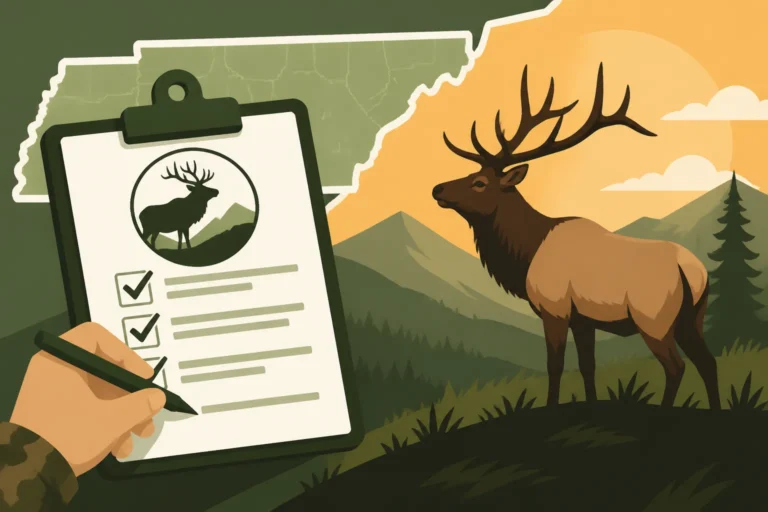
Tennessee's elk herd, primarily residing in the North Cumberland Wildlife Management Area, is a true success story of conservation and reintroduction. However, it's also a relatively small herd compared to Western states, which means the number of hunting permits issued each year is extremely limited. The Tennessee Wildlife Resources Agency (TWRA) carefully manages these hunts to ensure the herd's health and provide a high-quality experience for the few lucky hunters who draw a tag.
The rarity of these tags is what makes the application process so competitive. Unlike deer hunting, where tags are readily available, elk hunting in Tennessee is strictly controlled through an annual quota hunt draw. This draw awards a handful of permits for rifle, muzzleloader, and archery seasons, often with specific zones within the broader North Cumberland area. If you're hoping to experience a hunt in the Tennessee's Restored Elk Herd area, understanding the draw is your first step. It's a challenging proposition, but one that dedicated hunters pursue with passion.
The TWRA issues very few tags each year, typically around 19 or so across all categories, including general, youth, and landowner permits. This tiny number, especially when juxtaposed with the growing interest from hunters across the state and beyond, means that simply applying isn't usually enough. You need a long-term strategy, and that's where the preference point system comes into play. It's designed to reward consistent applicants, giving them a slightly better chance year after year until their number finally comes up. This system is crucial because it ensures that those who stick with it for the long haul are eventually rewarded, rather than relying purely on luck.
How the Tennessee Elk Preference Point System Works
The Tennessee Elk Preference Point System is a relatively straightforward method designed to give loyal, persistent applicants an increasing advantage in the annual elk draw. It's not a guarantee, but it certainly tips the scales in your favor over time. Think of it as a loyalty program for dedicated elk hunters.
Earning and Accumulating Points
The core principle of the preference point system is simple: you earn one point for every year you apply for a Tennessee elk hunt permit but are not successfully drawn. This means that even if you don't get a tag this year, your application still serves a purpose – it adds another point to your personal tally. For instance, if you apply for five consecutive years and aren't drawn, you'll accumulate five preference points.
These points are personal and non-transferable, meaning you can't give your points to a friend or family member. They are tied directly to your hunter ID. The key here is consistency. You must apply every year during the designated Tennessee Elk Application Window Dates to continue accumulating points. If you miss a year, your accumulated points will typically be reset to zero. This "use it or lose it" aspect is critical, and it catches many new applicants off guard. It's an incentive to stay engaged with the process annually, even when the odds seem incredibly long. Many hunters use tools like GoHunt's planner to remind them of application deadlines and track their points across multiple states, ensuring they don't lose their hard-earned advantages.
The Draw Process and Point Use
When the annual draw occurs, your accumulated preference points are factored into the lottery. Essentially, each preference point you have gives you an additional "entry" into the draw. So, if you have five preference points, you effectively have six entries: your initial application plus five additional entries from your points. This significantly increases your statistical chance of being drawn compared to someone with zero points.
However, there's a crucial catch: once you are successfully drawn for an elk permit, your preference points are reset to zero. This ensures fairness, as it prevents any single hunter from hoarding a large number of points and dominating the draw year after year. After you harvest an elk or simply use your tag, you start over from scratch, building up points again in subsequent years. This system is designed to cycle hunters through, giving everyone who applies consistently a shot at some point. It’s a bit of a bittersweet moment to see those points disappear, but it means you got the coveted tag! This reset mechanism is why understanding Tennessee Quota Hunt Draw Odds is so important, as it helps you calculate when your number might reasonably come up given your point total and the number of available tags.
Checking Your Point Balance
Keeping track of your preference points is easy and important. The TWRA provides a way for hunters to check their current preference point balance. Typically, you can access this information through the Go Outdoors Tennessee website, which is the official portal for license purchases, permit applications, and harvest reporting. You'll usually need to log in with your hunter ID and personal information.
It’s a good practice to verify your point total each year after the draw results are announced. Sometimes there can be minor discrepancies, or perhaps you just want peace of mind. Confirming your points ensures that your dedication to the system is accurately reflected. If you ever find an issue, contacting the TWRA directly is the best course of action. Resources like GoHunt also allow you to track your points and even estimate your draw odds based on historical data, providing a holistic view of your standing in the elk draw. Knowing where you stand can really help manage expectations and plan for future seasons.
Strategies for Maximizing Your Chances with Preference Points
Given the limited number of tags available, simply applying isn't enough; you need a strategic approach to navigate the Tennessee Elk Preference Point System. It's a long game, but with smart planning, you can significantly improve your odds over time.
Consistency is Key
The absolute most important strategy for drawing a Tennessee elk tag is relentless consistency. You must apply every single year, without fail, during the designated application period. Missing even one year means all your accumulated preference points are reset to zero, effectively sending you back to square one. Imagine spending five years building up five points, only to forget to apply one spring and lose it all! That's a gut punch no hunter wants to experience.
The system inherently favors those who commit to the long haul. The number of applicants generally increases each year, which means the pool of hunters with higher point totals also grows. By consistently adding a point to your record, you keep pace with this "point creep" and ensure you're always advancing in the queue. There's no shortcut here; it's a marathon, not a sprint. Consider setting annual reminders on your calendar, subscribing to TWRA newsletters, or using external tools to ensure you never miss the Tennessee Elk Application Window Dates.
Understanding the Odds
While preference points increase your chances, they don't guarantee a tag, especially with so few permits issued annually. It’s vital to have a realistic understanding of the draw odds. The TWRA typically publishes statistics on past draw results, showing how many applicants applied for each hunt zone and category, and what the lowest point total was for successful applicants. This data is invaluable for setting expectations and informing your application strategy.
For instance, if you see that it typically takes 10 or more points to draw a bull tag in a specific zone, and you only have two points, you know you're likely several years away. Websites and apps, including resources like GoHunt, often compile and analyze this data, providing detailed draw odds for various scenarios. They can help you visualize how many applicants have similar or higher point totals, giving you a clearer picture of your standing. While you can't choose your specific hunt zone or season during the application process (the TWRA assigns them), understanding the overall pool helps manage expectations. This knowledge can help you appreciate the value of each point you accrue and keep you motivated for the next application period.
The Youth Elk Season Advantage
For families with aspiring young hunters, the Tennessee Youth Elk Season Rules can offer a unique pathway to an elk tag. Youth hunters (typically under 16, check current regulations) often have a separate, less competitive draw pool, or specific tags reserved for them. This means that the preference point requirements or general draw odds for youth hunts might be significantly more favorable than the adult general draw.
If you have a child who is passionate about elk hunting, applying for the youth season can be a fantastic opportunity. Not only does it potentially provide a quicker route to a tag, but it also offers an incredible experience for a young hunter. It's a chance to instill conservation values and create lifelong memories. While adults can't apply for youth-specific tags for themselves, encouraging and facilitating a youth hunter's application is a great way to engage with the elk program and potentially get an elk into camp sooner rather than later. These opportunities are incredibly valuable and should not be overlooked by parents or guardians of eligible youth.
Beyond the Draw: Preparing for Your North Cumberland Hunt
Finally getting that coveted elk tag in your hands is just the beginning of the adventure. Drawing a permit means the real work, and excitement, truly begins. Tennessee's elk country, primarily found within the North Cumberland WMA, is rugged, challenging terrain that demands thorough preparation.
Planning and Scouting with an Elk Tag
Once you've drawn a tag for the Tennessee Elk Quota Hunt Rules, the first thing you need to do is celebrate, then immediately start planning. North Cumberland is a vast area, and breaking it down into manageable scouting units is crucial. Physical scouting, if possible, is invaluable. This means hitting the woods well before your season starts, looking for sign like rubs, wallows, tracks, and droppings. Understanding the topography, bedding areas, and feeding patterns of elk in your assigned hunt zone will be paramount to your success.
Beyond physical scouting, dive into maps, aerial imagery, and digital scouting tools. Identify potential access points, natural funnels, water sources, and areas of dense cover where elk might seek refuge. Talking to TWRA biologists or experienced hunters familiar with the Tennessee's Ten Elk Hunt Zones can also provide invaluable insights. Your success hinges on knowing the terrain and understanding elk behavior within it. Remember, these are wild, free-ranging elk, and they won't make it easy on you. This detailed preparation is exactly what we discuss in Preparing for a North Cumberland Elk Hunt.
Essential Gear and Tactics
Elk hunting, even in Tennessee's mountains, requires specific gear and tactics. Unlike typical whitetail hunting, you'll be covering significant ground, often in steep, unforgiving terrain. Your physical conditioning needs to be top-notch.
- Rifle and Optics: You'll want a reliable rifle chambered in a cartridge suitable for elk, such as a .30-06 Springfield, .300 Win Mag, or 7mm Rem Mag. Ensure it's sighted in precisely. High-quality binoculars (10×42 or 12×50) and a reliable rangefinder are essential for spotting and evaluating elk at longer distances, especially in the varied terrain.
- Clothing and Footwear: Layering is key, as mountain weather can change rapidly. Durable, waterproof, and breathable clothing is a must. Invest in high-quality, broken-in hunting boots that provide excellent ankle support and traction for traversing steep slopes and uneven ground.
- Calling Gear: Elk are vocal animals, and calling can be incredibly effective during the rut. Bugle tubes, cow calls, and diaphragm calls are all essential tools for locating elk and enticing them into range. Mastering these calls, as detailed in Calling a North Cumberland Bull Elk, takes practice.
- Pack and Survival Gear: A comfortable, capable pack is critical for carrying all your essentials – water, food, first-aid, navigation tools (GPS or a reliable hunting app like GoHunt, along with a compass and map), game processing supplies, and emergency gear. You're often a long way from help in these mountains.
- Physical Conditioning: This cannot be stressed enough. Train for elevation, distance, and carrying weight. Hauling out an elk from rugged terrain is one of the most physically demanding aspects of the hunt.
Whether you're planning for the Tennessee General Firearms Elk Season Dates or Hunting the Archery-Only Elk Season, having the right equipment and a well-thought-out tactical approach, as covered in Elk Hunting Gear for North Cumberland, will significantly increase your chances of success. It's a challenging hunt, but the reward of a Tennessee elk is truly magnificent.
Here's a quick summary of how the preference point system generally works:
| Action / Outcome | Resulting Preference Points | Notes |
|---|---|---|
| Apply for elk tag & Not Drawn | +1 Point | Must apply every year to avoid losing points. |
| Apply for elk tag & Drawn | Points Reset to 0 | After drawing a tag, your point total restarts. |
| Miss a Year of Application | Points Reset to 0 | All previously accumulated points are forfeited. |
| Successfully Harvest Elk | Points Reset to 0 | Regardless of how you used the tag, points are cleared. |
| Not Apply at All | 0 Points | No points are accumulated for non-applicants. |
Disclaimer
Please note that hunting regulations, seasons, and licensing requirements can change. While every effort has been made to provide accurate and up-to-date information, it is the hunter's responsibility to consult the current Tennessee Wildlife Resources Agency (TWRA) regulations before participating in any hunting activities. This guide is for informational purposes only and does not constitute legal advice.