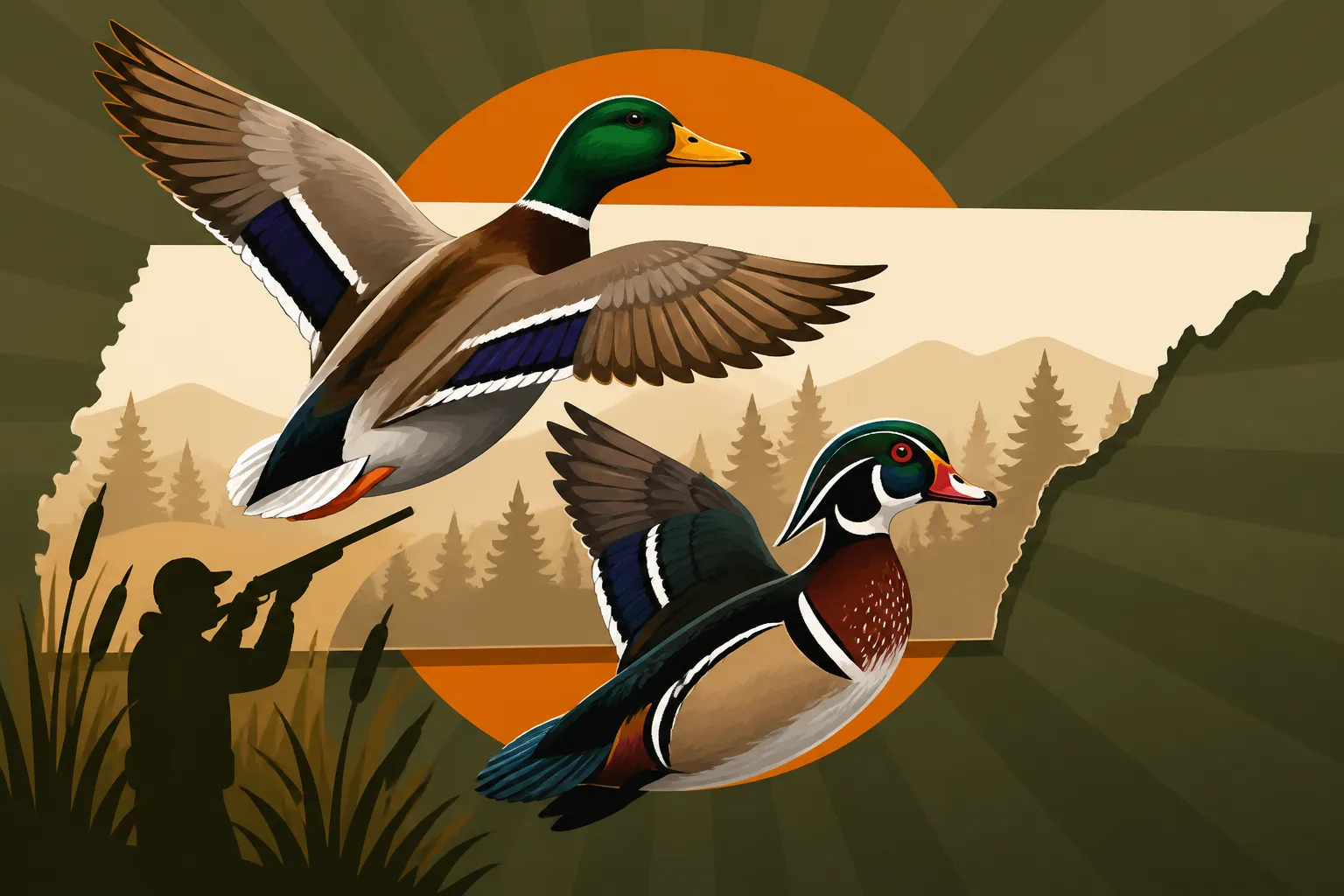
Tennessee Mallard and Wood Duck Numbers
It can be incredibly disheartening to hit the timber or a field blind, full of anticipation, only to find the skies quieter than you remember, or fewer birds than you hoped for. Many Tennessee waterfowl hunters feel this deep frustration when they see the annual migration unfold differently year to year, especially wondering where the mallards and wood ducks have gone. This guide is here to shed some light on the populations of these two cornerstone species in Tennessee, exploring what impacts their numbers and how you can use this knowledge to enhance your hunting strategy.
Understanding Tennessee's Mallard Populations
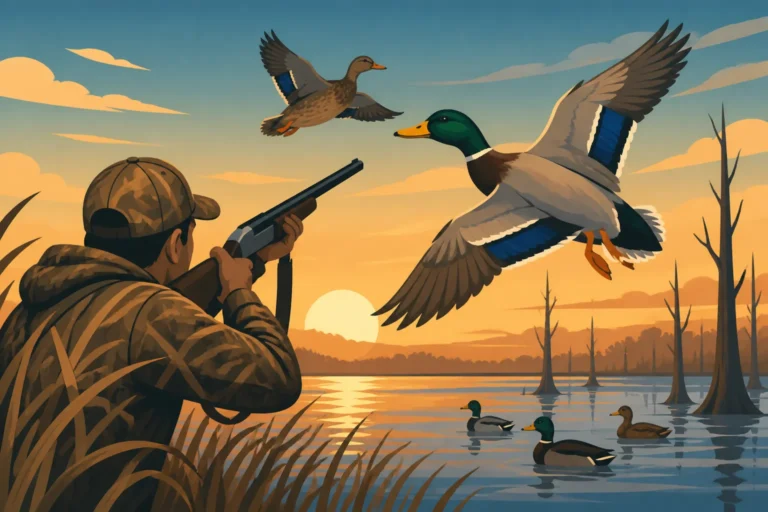
Mallards are, for many, the quintessential duck. Their distinctive green heads and loud quacks are synonymous with duck season, and their numbers often dictate the overall mood of the waterfowl community. But their presence in Tennessee is a complex dance, heavily influenced by factors far beyond our state lines. You see, while we certainly have some resident mallards that breed here, the vast majority of the birds that fill our skies come down the Mississippi Flyway, originating from breeding grounds in the prairie pothole region of the Dakotas, Canada, and other northern states.
The Prairie Pothole Connection
The health of the prairie pothole region is arguably the single most important factor determining how many mallards we see in Tennessee. This vast area, often called "North America's duck factory," is dotted with millions of small wetlands that provide ideal nesting and brooding habitat. When these areas receive ample rainfall and snowmelt, producing abundant water and lush vegetation, mallard production soars. Hens have safe places to nest, and ducklings have plenty of insects and cover to grow strong. Conversely, during drought years, fewer potholes hold water, nesting success plummets, and fewer young birds are added to the fall flight. It’s a boom-and-bust cycle that directly impacts how many greenheads make it to states like ours. This is why you'll often hear veteran hunters lamenting conditions "up north" – they instinctively understand this crucial link.
When you're out there scouting, maybe even looking at aerial maps on your GoHunt app, thinking about why some years are better than others, remember that connection. The birds you're hoping to call into your Decoy Spreads for Reelfoot Mallards might have started their lives thousands of miles away, and their survival depended on those northern conditions.
Migration Patterns and Wintering Grounds
Once hatched and grown, these mallards begin their southward journey. Tennessee sits squarely in the Mississippi Flyway, making it a critical wintering ground for a significant portion of the continent's mallard population. Our extensive river systems, floodplains, agricultural fields, and major water bodies like Reelfoot Lake provide vital food and sanctuary. Mallards at Reelfoot Lake are a prime example of this. However, where they stop and how long they stay often depends on weather patterns and food availability further north. A mild winter up north might mean fewer birds push all the way down to Tennessee early in the season. A sudden, deep freeze, though, can send waves of ducks rushing south, providing hunters with phenomenal opportunities.
Think about those dramatic shifts you sometimes experience during duck season. One week, it’s quiet. The next, after a big cold front hits, ducks seem to be everywhere. That's the migration in action, and mallards are particularly responsive to these weather cues. They're looking for open water and readily available food. Our vast bottomland fields, especially those flooded or with waste grain, become magnets for them. Understanding these patterns, even checking the weather forecast up in Missouri or Illinois, can give you a real edge.
Diving into Tennessee's Wood Duck Numbers
While mallards capture much of the glory, the wood duck is arguably Tennessee's most beautiful and, for many, most consistently available waterfowl species. Unlike the mallard, which relies heavily on northern breeding grounds, the wood duck has a substantial resident population right here in Tennessee. This means their numbers are influenced more directly by local habitat conditions and less by the vagaries of prairie weather.
The Importance of Timbered Habitat
Wood ducks are creatures of forested wetlands. They thrive in flooded timber, beaver swamps, cypress sloughs, and along the banks of slow-moving rivers and creeks. Their unique ability to nest in tree cavities, often high above the water, makes them dependent on mature timber. If you've ever walked through a classic Tennessee bottomland, you've probably seen those tell-tale tree cavities, sometimes with a hen peeking out. Wood Ducks in Tennessee Bottomland are truly at home in these environments. The availability and quality of this timbered habitat are paramount to wood duck success.
Habitat loss, whether through clear-cutting of bottomland hardwoods or development, directly impacts wood duck breeding and survival. Conversely, conservation efforts that protect and restore these crucial forested wetlands can significantly boost local wood duck numbers. This is where understanding your local areas, even using a tool like GoHunt to identify specific habitat types, can really pay off. If you're looking for consistent action, focus on areas with mature trees and ample water, especially those tucked away from major pressure.
Breeding Success and Local Factors
Tennessee’s wood ducks breed early, often starting their nesting activity well before other waterfowl. Hens lay their eggs in natural tree cavities or in man-made nest boxes, which have been incredibly successful in bolstering populations over the years. Predators like raccoons and snakes can take a toll on nests, but overall, wood duck populations have been robust thanks to strong conservation programs and their adaptable nature.
Local water levels play a huge role in their success, too. A dry spring can mean fewer flooded areas for ducklings to forage and hide in, making them more vulnerable. Heavy rains, on the other hand, can create abundant shallow-water feeding grounds. The success of these local broods directly impacts how many wood ducks are around come opening day. When you're Reading a Bottomland Slough for a Morning Flight, you're not just looking for birds, you're looking for evidence of successful local breeding – quiet backwaters where young birds can thrive. This makes scouting in the off-season, even during spring and summer, particularly valuable for wood duck hunters.
Waterfowl Trends and Hunter Impact
Understanding the specific dynamics of mallards and wood ducks is vital, but it's also helpful to look at the broader waterfowl picture in Tennessee. Our state plays a crucial role in the overall health of the Mississippi Flyway, and hunter contributions are a big part of that.
General Waterfowl Population Trends in Tennessee
Tennessee's location makes it a magnet for a wide variety of waterfowl, not just mallards and wood ducks. From pintails and gadwalls to various teal and diving ducks, our waters host a diverse array of species throughout the fall and winter. The overall trend for many species has been positive over recent decades, largely due to successful conservation initiatives like wetland restoration, the Federal Duck Stamp program, and dedicated efforts by organizations and state agencies.
However, localized declines can still occur due to specific issues like drought, habitat degradation, or disease outbreaks. Being able to read the yearly reports from the TWRA or similar agencies can give you a clearer picture of what to expect for Tennessee Duck Harvest Numbers and the overall health of populations. It's a reminder that hunting is intrinsically linked to conservation.
The Hunter's Role in Conservation
Every time you purchase a hunting license, migratory bird stamp, or a Federal Duck Stamp, you are directly contributing to waterfowl habitat conservation. These funds go towards acquiring and restoring wetlands, conducting research, and enforcing regulations that ensure sustainable hunting opportunities for future generations. It’s an investment in the resource we all cherish. The data collected from hunter surveys, including bag limits and harvest reports, is also crucial for wildlife managers to set seasons and limits, such as understanding how Tennessee's Deer Season Runs Archery to January and how deer populations are managed.
Without hunters, many of the wetlands and habitats that mallards, wood ducks, and countless other species depend on simply wouldn't exist or would be significantly degraded. So, when you're preparing for the season, picking up new calls or reviewing your Turkey Gear for a Tennessee Spring, remember you're also playing a vital role in protecting these incredible resources.
Localized Hunting Pressure and Movement
It’s no secret that waterfowl respond to hunting pressure. Highly pressured birds will often become nocturnal, move to private refuges, or simply leave an area. On public lands, especially popular spots, ducks can quickly learn where it's safe and where it's not. This is particularly true for mallards, which are often targeted aggressively. Wood ducks, being more elusive and often staying in thicker cover, can sometimes tolerate more pressure, but they too will alter their routines.
Understanding this behavior is critical. Sometimes, finding success isn't about where the most ducks are, but where the most unpressured ducks are. This might mean walking further, getting into more remote spots, or hunting during off-peak times. Using tools like GoHunt to understand land boundaries and potential access points, combined with scouting, can help you find those quieter pockets. Consider how ducks might use different areas for feeding, loafing, and roosting, and how pressure pushes them between these locations. This kind of nuanced understanding can be the difference between a slow day and a successful one, especially when thinking about hunting the Tennessee Waterfowl Zones and Seasons.
Seasonal Timing and Local Tactics
Knowing the general population numbers is one thing, but translating that into hunting success requires understanding seasonal timing and implementing effective local tactics.
Early Season vs. Late Season Ducks
Early in the Tennessee duck season, you'll often encounter a higher percentage of resident and early migrating wood ducks, along with some local mallards. These birds haven't been heavily pressured yet, and might respond more readily to calls and decoys. Their patterns are often predictable, tied to specific feeding and roosting sites. This is a great time to focus on smaller waters, timber holes, and creek bottoms where Hunting the Mississippi Flyway Backwaters can be really productive.
As the season progresses and cold fronts push down the flyway, larger numbers of migrating mallards begin to arrive. This mid-to-late season period can offer some of the most exciting hunting, but it also brings more wary birds. Ducks have likely been shot at multiple times by this point, making them smarter and more challenging. This is when patience, stealth, and adapting your strategy, whether that’s a new call sequence or adjusting your Waders for Flooded Timber Hunting setup, become paramount.
| Species | Primary Breeding Ground Contribution | Typical Habitat in Tennessee | Nesting Behavior | Response to Pressure |
|---|---|---|---|---|
| Mallard | Prairie Pothole Region (North) | Agricultural fields, large open water, river systems | Ground nests (often hidden) | Highly sensitive |
| Wood Duck | Local/Regional (Tennessee) | Flooded timber, beaver swamps, small creeks | Tree cavities (natural or boxes) | Moderately sensitive |
Utilizing GoHunt for Scouting and Strategy
In today's hunting world, leveraging technology can significantly boost your understanding of duck numbers and where to find them. Platforms like GoHunt offer invaluable mapping tools that allow you to analyze terrain, identify potential waterfowl hotspots, and understand access points. You can scout from your couch, looking for those critical features that mallards and wood ducks need.
For example, you can use GoHunt to pinpoint flooded timber for wood ducks, identify agricultural fields near water for mallards, and even see public land boundaries to plan your approach. This kind of detailed reconnaissance saves you time and increases your chances of finding unpressured birds. By cross-referencing this map data with current conditions, local water levels, and even reports from neighboring regions, you can develop a much more informed strategy. Remember, knowing where the birds should be based on habitat and knowing where they are based on recent observation is key.
This comprehensive approach helps you not only understand the larger population trends but also apply that knowledge directly to your local hunting grounds. The frustrations of empty skies can be mitigated with a deeper understanding of the factors at play and strategic preparation.
Disclaimer
This article is for general informational purposes only and does not constitute professional advice. Laws, prices and regulations vary by location and change over time. Consult a qualified professional for guidance on your specific situation.