Mallards at Reelfoot Lake
For many waterfowlers in Tennessee, the thought of chasing greenheads on legendary Reelfoot Lake is a dream. But the reality can often be daunting, with its vast, complex waters, unique regulations, and sometimes overwhelming hunting pressure. This guide aims to cut through the confusion and equip you with the knowledge needed to successfully pursue mallards in this iconic West Tennessee hunting paradise, turning those dreams into incredible memories.
The Magnetism of Reelfoot Lake for Mallards
There’s just something about a mallard, isn't there? That iridescent green head, the crisp white neck ring, the deep chest, and the sheer power of their flight are enough to get any duck hunter’s heart pounding. When you combine that with the almost mythical status of Reelfoot Lake, you’re talking about a waterfowl experience that transcends a simple hunt. It becomes a pilgrimage for many, a place where generations of hunters have tested their skills against nature's grandeur.
The Lore of the Greenhead
The mallard isn't just a duck; it's the duck for many of us. It's often the first duck most new hunters learn to identify, and its distinctive call is etched into the very fabric of waterfowl hunting culture. On Reelfoot, the presence of these magnificent birds is often overwhelming, with thousands upon thousands using the lake as a vital wintering ground. The sheer numbers, combined with their characteristic wary intelligence, make them a challenging and incredibly rewarding quarry. It's not just about pulling the trigger; it's about outsmarting a bird that has seen it all, a bird that has survived a long migration and countless hunting attempts. That's the real draw for many of us.
A Historic Wintering Ground
Reelfoot Lake wasn't always here in its current form; it was born of a series of powerful earthquakes in the early 19th century, creating a unique sunken forest ecosystem. Since then, it has blossomed into an ecological marvel, especially for migratory birds. For centuries, before Europeans even knew about it, waterfowl used this incredible lake. It's a place steeped in history, where the ghosts of market hunters probably still whisper through the cypress trees. Today, it remains a crucial stopover and wintering area along the Mississippi Flyway, drawing ducks from across the continent. When you're out there, hidden among the cypress knees, you're participating in a tradition that spans generations and connects you directly to the ancient migratory patterns of these incredible birds. It's more than a hunt; it's a living piece of natural heritage.
Understanding Reelfoot's Unique Waterfowl Habitat
Reelfoot Lake is unlike any other body of water in Tennessee, or perhaps even in the entire country. Its genesis from seismic activity left behind a landscape that is both beautiful and challenging. This unique environment is precisely what makes it such a powerhouse for wintering mallards and other waterfowl. To hunt it effectively, you first need to understand its character.
Flooded Cypress and Submerged Timber
Picture this: mile after mile of shallow water, often just a few feet deep, dotted with ancient cypress trees. Their knobby "knees" poke above the surface, forming a natural labyrinth. Beneath the water, you'll find submerged stumps, logs, and a thick, muddy bottom. This isn't your typical open-water big lake; it's a flooded forest. These conditions provide mallards with an abundance of food sources, from aquatic invertebrates to submerged vegetation and seeds from the cypress itself. More importantly, it offers incredible cover and refuge from predators and, yes, hunters. The ducks can disappear into this woody maze, making them incredibly tough to find and even tougher to decoy. This dense cover also dictates specific hunting strategies and gear, like the need for specialized equipment such as Waders for Flooded Cypress Hunting. Without understanding this timbered landscape, you'll be constantly struggling to navigate and find birds.
The Mississippi Flyway Superhighway
Reelfoot Lake sits squarely in the middle of the Mississippi Flyway, one of North America's four major migratory bird routes. Think of it as a superhighway for ducks, geese, and other waterfowl heading south for the winter. This geographic positioning is critical to why the lake holds so many birds, especially mallards. They follow the food and the weather, and as colder temperatures push south from the Dakotas and Canada, Reelfoot becomes an irresistible beacon.
The abundance of food, the protective cover of the cypress, and its location on this major migratory route make it an ideal wintering ground. We often monitor the migration with eager anticipation, checking forecasts for cold fronts up north. When those ducks start pouring in, the lake comes alive with the sound of wings. Knowing the overall Tennessee Waterfowl Migration Timing is key to planning your Reelfoot adventures, as the numbers can fluctuate dramatically throughout the season. Hunters often use apps like GoHunt to track weather patterns and potential migration surges, helping them pinpoint the best times to be on the water.
Essential Preparations for Your Reelfoot Mallard Hunt
Heading to Reelfoot Lake without proper preparation is like trying to paddle a leaky canoe upstream – you're just asking for trouble. This isn't a casual hunt; it demands specific gear, a good understanding of the local rules, and a healthy dose of respect for the lake itself. The right preparation can make the difference between a frustrating, cold, and fruitless trip and a memorable hunt.
Specialized Gear and Cold Weather Apparel
First and foremost, you need the right clothing. Reelfoot can be brutally cold, especially when you're sitting still in a blind for hours before dawn. Layering is absolutely critical. Think heavy base layers, insulating mid-layers, and a waterproof, windproof outer shell in a good camouflage pattern. Don't forget insulated, waterproof gloves, a warm hat, and high-quality, insulated waders that will keep you dry and warm in chilly, knee-deep water. You’ll be standing in that water, moving through it to retrieve birds or adjust decoys, so comfort and protection from the elements are paramount.
Beyond clothing, your equipment needs to be up to the task. A reliable shotgun, preferably a 12-gauge, capable of handling steel shot (which is required for waterfowl) is essential. Make sure your choke tubes are appropriate for the ranges you expect to be shooting. A sturdy blind bag to keep your calls, extra shells, snacks, and a thermos of hot coffee dry and accessible is a must. A good headlamp or powerful flashlight for navigating in the dark is non-negotiable, given the maze-like environment. Many hunters also swear by a strong boat or layout blind, depending on the specific location on the lake, to handle the unique challenges of Hunting the Reelfoot Lake Duck Blinds.
Navigating Permits, Licenses, and Regulations
This is where many newcomers can get tripped up, and honestly, even seasoned Reelfoot veterans double-check the rules. Beyond your standard Tennessee hunting license and big game permit (if you have one), waterfowl hunting has specific requirements. You'll need a Tennessee Migratory Bird Permit (which includes HIP certification) and a Federal Duck Stamp. These are non-negotiable and apply statewide.
However, Reelfoot Lake has an additional, crucial requirement: the Reelfoot Preservation Permit. This permit is specific to Reelfoot Lake and helps fund its ongoing management and preservation. There are also specific regulations concerning what kind of boat motors are allowed, how and where you can access the lake, and specific zones with particular rules. Always check the current Tennessee Waterfowl Zones and Seasons handbook before you go. Ignorance of the law is no excuse, and wardens patrol Reelfoot diligently. Using a mapping application like GoHunt can be invaluable here, as it often has public land and WMA boundaries clearly marked, helping you stay on the right side of the law.
Effective Tactics for Reelfoot Lake Mallards
Hunting mallards on Reelfoot Lake isn't just about showing up with a shotgun and a few decoys. It's an art form, a chess match against some of the wariest birds you'll ever encounter. The dense cypress timber, the vastness of the lake, and the sheer number of birds mean you need a well-thought-out strategy to consistently bring greenheads to the decoy spread.
Decoy Spreads and Realistic Calling
When it comes to decoys, think natural. Mallards on Reelfoot see hundreds, if not thousands, of decoy spreads throughout the season. They become educated very quickly. A natural-looking spread, often with a mix of mallard drakes and hens, and perhaps a few pintails or grey ducks to add realism, works best. Motion decoys, such as spinning wing decoys, can be very effective early in the season, but as the ducks get "shot at," they become less effective and can even flare birds. Many seasoned Reelfoot hunters opt for subtle motion from jerk strings or even no motion, relying on realistic blocks and expert calling.
Calling is equally important. You don't need to be a world champion caller, but you do need to understand the mallard vocabulary and when to use different calls. A sharp, confident greeting call can grab their attention from a distance, but as they get closer, softer clucks, quacks, and feeding chuckles are often more effective. Knowing when to call, when to be quiet, and when to just let the decoys work is key. Remember, you're trying to sound like a contented, safe group of ducks. Overcalling can be just as detrimental as no calling at all. It's a delicate balance, and something you refine over many mornings of watching birds work your spread. Consider practicing your calls with a buddy and getting feedback on what sounds most natural, or spend time watching ducks on open water and mimicking their sounds.
Blind Selection and Strategic Concealment
Blind selection on Reelfoot is paramount, especially when you consider the unique layout of the lake. Many hunters use permanent or semi-permanent blinds built into the cypress trees, or floating blinds that can be anchored in strategic locations. The key is to find a spot that offers good concealment, a clear shot, and is on a natural travel route for the ducks. Ducks often follow tree lines, sloughs, or openings in the timber, so setting up along these "flyways" can be incredibly effective. Using a good mapping tool, even something like GoHunt's satellite imagery, can help you scout potential locations from home. Look for those natural pinch points or openings where ducks might feel comfortable.
Once you’ve picked your spot, concealment is everything. Reelfoot mallards have excellent eyesight. Your blind needs to be brushed in meticulously with natural vegetation from the lake—cypress branches, cattails, whatever blends in seamlessly. Pay attention to the roof of your blind, as ducks will often circle high above, looking down. No shiny objects, no bright colors, and absolute minimal movement. Wear a face mask and gloves to break up your human outline. We've all been there: a beautiful spread, perfect calling, only for a flock to flare at the last minute because someone fidgeted or a glare caught their eye. Patience and remaining absolutely still are critical after you call birds into the hole. The goal is to make your blind disappear into the environment, becoming just another part of the cypress swamp.
The Reelfoot Lake Hunting Experience: Challenges and Rewards
Hunting Reelfoot Lake is more than just shooting ducks; it's an immersive experience that tests your resolve and rewards your efforts with unparalleled natural beauty and incredible waterfowl action. It’s not always easy, but the challenges often make the successes even sweeter.
Dealing with Weather and Water Levels
If there's one thing you can count on with Reelfoot, it's that the weather and water levels will keep you on your toes. Tennessee winters can be fickle, ranging from mild and rainy to bitterly cold with ice and snow. Changing weather directly impacts duck behavior. A warm spell might scatter the birds, while a sudden cold snap up north can trigger a massive influx of new mallards. High winds can make boating hazardous, whip up whitecaps even on the shallow lake, and make calling a nightmare. You might find yourself battling ice in your decoys or navigating through dense fog before dawn.
Water levels are another constant variable. The lake's levels can fluctuate significantly based on rainfall and management efforts. What was a perfect blind spot one week might be high and dry the next, or so flooded it’s impossible to reach. These fluctuations require flexibility and adaptability. Scouting, even during the season, and being prepared to move your setup are crucial. Many hunters learn to "read" the lake, understanding how certain conditions will affect duck movement and feeding patterns. It's a never-ending learning curve, and it's part of what makes Reelfoot such an engaging challenge. Before heading out, knowing the current Reelfoot Lake Waterfowl Access is vital, as conditions can change rapidly.
The Unforgettable Sunrise on the Lake
Despite all the challenges, there's a reason hunters keep coming back to Reelfoot, year after year. It's the moment when the eastern sky begins to glow, painting the cypress trees in hues of orange and purple, and the sounds of the lake come alive. The distant gabble of geese, the whistling wings of wood ducks, and then, the unmistakable quacks of mallards beginning to stir. There’s an energy, a sense of anticipation that is almost spiritual.
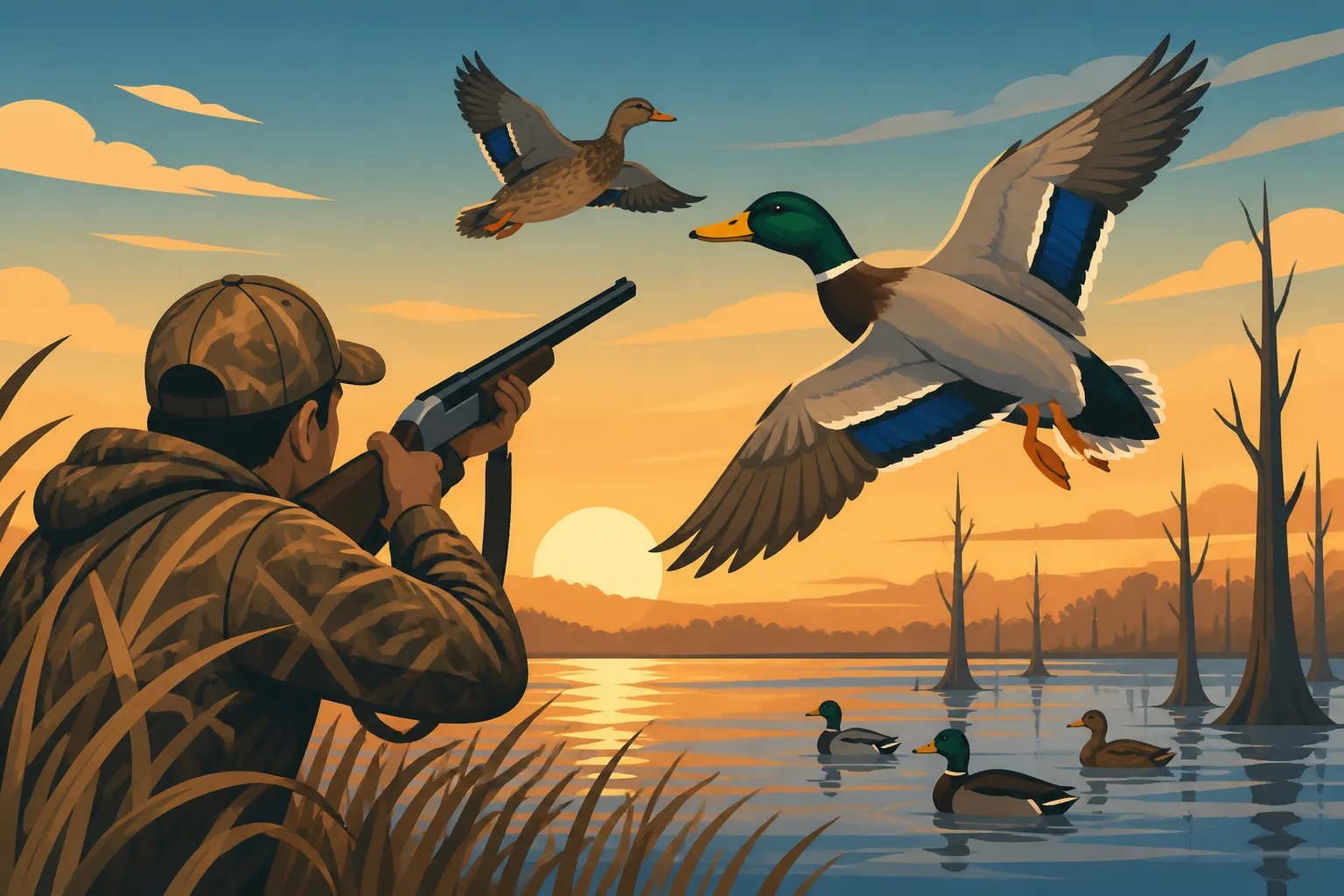
And then, the flight begins. Mallards hurtle through the timber, often appearing out of nowhere, testing your reflexes and your calling skills. There's nothing quite like watching a flock of greenheads commit, wings cupped, feet down, descending into your spread. The camaraderie in the blind, the shared anticipation, the stories told over hot coffee—these are the rewards that go far beyond a full strap of birds. It's an experience that truly connects you with nature, reminding you of the wild beauty that still thrives in places like Reelfoot. You'll likely encounter all sorts of ducks during your hunt, and understanding the Tennessee Duck Bag Limit will ensure you comply with regulations while enjoying the diversity.
Navigating Regulations and Access
Reelfoot Lake, being a state-managed area and part of a national wildlife refuge system, comes with its own set of rules and access points. It’s absolutely vital to understand these to have a legal and enjoyable hunt. The last thing you want is a run-in with a wildlife officer due to a misunderstanding of the rules.
Reelfoot Preservation Permit and Zones
As mentioned earlier, the Reelfoot Preservation Permit is unique to this lake. It's a small fee that goes directly back into maintaining the lake and its hunting infrastructure. Think of it as your personal contribution to keeping this incredible resource viable for generations to come. Without it, your regular licenses and stamps aren't enough. Beyond the general permit, Reelfoot is often divided into various hunting zones, some of which may have specific access rules, blind regulations, or even periods of closure to rest certain areas.
Some parts of the lake fall under the purview of the Reelfoot National Wildlife Refuge Rules, which can have even stricter regulations than the general WMA rules. These might include limitations on boat speed, specific entry and exit points, or even different legal shooting hours. Always obtain and review the latest regulations booklet from the Tennessee Wildlife Resources Agency (TWRA) or check their website. A few minutes of research can save you a lot of grief and potential fines. Being aware of these zones and respecting them is key to successful and ethical hunting.
Public and Private Access Points
Accessing Reelfoot Lake can be a puzzle if you’re not familiar with it. There are numerous public boat ramps and access points around the lake, managed by the state or local entities. These are your primary ways to launch a boat and get into the hunting areas. However, some areas of the lake, particularly those with prime timber or consistent duck activity, might be surrounded by private land, making bank access or access to certain sloughs difficult without permission.
Additionally, many hunters on Reelfoot will have private blinds or lease access through local guides or landowners. While most of the hunting is public, understanding these nuances is important. Tools like GoHunt can help clarify land ownership and public access points, allowing you to plan your route to a good hunting spot effectively. Always respect private property signs and be mindful of where you anchor your boat or set up your blind. The hunting community on Reelfoot is tight-knit, and good etiquette goes a long way. Knowing where you can legally Read a Bottomland Slough for a Morning Flight and set up your Decoy Spreads for Reelfoot Mallards will greatly improve your success and enjoyment.
The Future of Reelfoot's Duck Hunting Heritage
Reelfoot Lake is a truly special place, and like all precious natural resources, it requires thoughtful management and dedicated conservation efforts to ensure its future. For hunters, being part of this effort isn't just a responsibility; it's a way to give back to the resource that provides us with so much joy.
Conservation and Habitat Restoration Efforts
The TWRA, along with federal agencies and conservation groups like Ducks Unlimited, work tirelessly to manage Reelfoot Lake’s habitat. This includes controlling invasive species, managing water levels to promote favorable vegetation growth, and restoring critical nesting and feeding areas. The health of Reelfoot’s ecosystem directly impacts the number of mallards and other waterfowl that visit each year. Without these ongoing efforts, the lake wouldn’t be the waterfowl magnet it is today.
Hunters often contribute to these efforts directly through the purchase of hunting licenses, the Federal Duck Stamp, and the Reelfoot Preservation Permit. These funds are vital for funding habitat projects and research. Becoming involved with local conservation chapters or even just educating yourself on the issues facing the lake can make a big difference. It's a collective responsibility to protect this incredible natural heritage for future generations of hunters and wildlife enthusiasts.
Responsible Hunting Practices
As hunters, we play a crucial role in the sustainability of the resource. This means adhering strictly to all regulations, including bag limits and shooting hours, and ensuring we use legal shot types like steel shot. It also means practicing ethical hunting behaviors, such as making clean shots, actively retrieving all downed birds, and respecting other hunters and private property. Every hunter who obtains their Tennessee HIP Certification for Bird Hunters is part of a larger data collection effort that helps wildlife managers track harvest numbers and make informed decisions about seasons and limits.
The concept of fair chase is also important. While modern tools like Layout Blind Hunting West Tennessee Fields and powerful calls have their place, it's about respecting the animal and the challenge of the hunt. By being good stewards of the resource and ambassadors for our sport, we ensure that the magic of mallard hunting on Reelfoot Lake will endure for countless seasons to come. Every time you purchase a Tennessee Federal Duck Stamp Requirement, you're directly investing in the future of waterfowl across the nation, and especially in crucial areas like Reelfoot Lake.
| Aspect | Key Considerations for Reelfoot Mallards | Why it Matters |
|---|---|---|
| Licenses & Permits | TN Hunting License, TN Migratory Bird Permit (HIP), Federal Duck Stamp, Reelfoot Pres. Permit | Required by law; funds conservation; specific to Reelfoot |
| Clothing | Layered, insulated, waterproof, windproof, camo, warm gloves/hats | Protection from extreme cold/wet; vital for comfort and concealment |
| Shotgun & Ammo | 12-gauge, capable of steel shot, appropriate choke, non-toxic shot required | Legal requirement for waterfowl; effective range and pattern |
| Decoys | Natural mallard spread, subtle motion, realism over quantity, perhaps some pintails | Eduated birds; realism is key; avoid over-stimulation later in season |
| Calling | Varied mallard calls (greeting, clucks, chuckles), knowing when to be quiet | Natural sounds attract birds; overcalling can flare them; timing is crucial |
| Blind/Concealment | Well-brushed, natural vegetation, minimal movement, face mask, no shine | Mallards have excellent eyesight; must blend into the unique cypress environment |
| Navigation | Headlamp/flashlight, mapping app (GoHunt), knowledge of lake zones | Navigating dense timber in the dark; staying legal in refuge/WMA zones |
| Flexibility | Adapt to weather, water levels; be prepared to move; scout frequently | Lake conditions change rapidly; static approaches often lead to frustration |
Disclaimer
This article is for general informational purposes only and does not constitute professional advice. Laws, prices and regulations vary by location and change over time. Consult a qualified professional for guidance on your specific situation.