Waders for Flooded Cypress Hunting
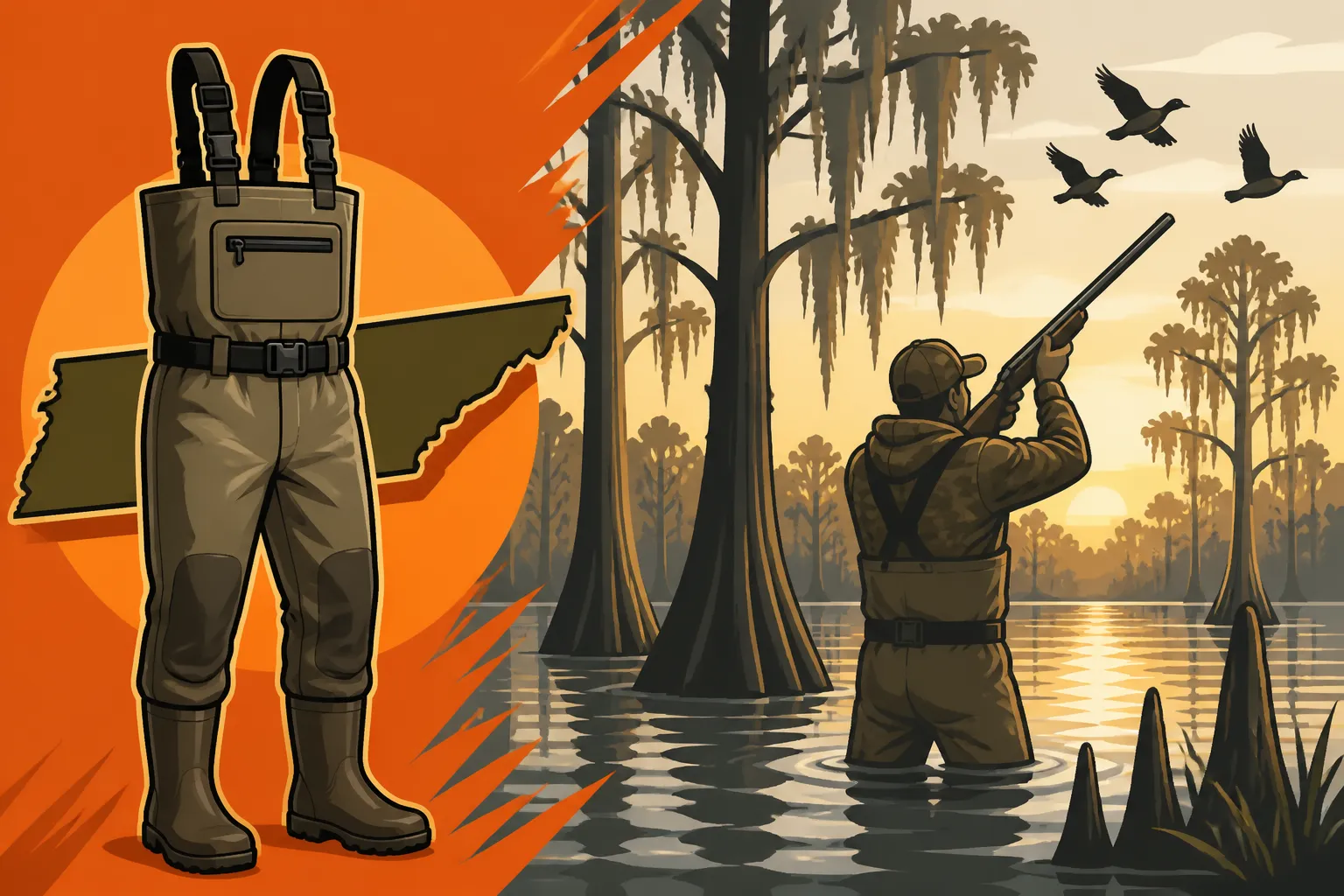
There's nothing quite like the experience of standing in a flooded cypress brake in the depths of a Tennessee winter, waiting for the whistle of wings as a flock of mallards dips through the timber. But anyone who's tried it without the right gear knows the misery of cold, wet feet and legs, which can quickly turn a dream hunt into an endurance test. This guide is all about helping you conquer those cold, damp conditions by choosing and maintaining the perfect waders for hunting Tennessee's unique flooded cypress and bottomland environments.
Why Waders Are Absolutely Essential for Flooded Cypress Hunting
When you're wading through the beautiful, yet unforgiving, flooded cypress and green timber of places like Reelfoot Lake or the vast bottomland areas along our major rivers, regular rain gear or tall boots just won't cut it. The water can be deceptively deep, the terrain is often uneven and slick, and the air can be bone-chillingly cold. Good waders aren't just about staying dry; they're a critical piece of safety equipment and a major factor in your comfort and success.
Navigating the Unique Challenges of Cypress Swamps
Flooded cypress and green timber environments present a specific set of challenges that demand specialized gear. You're not just walking through a shallow puddle; you're navigating around cypress knees, submerged stumps, fallen logs, and often very soft, mucky bottoms. The water depth can vary dramatically from a few inches to well over waist-deep within a few steps. Without full chest waders, you risk taking on water, which not only makes you miserable but can also lead to hypothermia in cold temperatures. It’s also nearly impossible to be quiet and stealthy when you’re constantly trying to avoid splashing or stumbling because your boots aren’t suited for the submerged landscape. Hunters often use tools like onX Layers for Tennessee Land Status to scout these areas digitally, but nothing beats boots on the ground, or rather, waders in the water.
This terrain also means you need excellent traction. Slipping on a slick log or sinking into thick mud can be dangerous, especially if you're carrying a shotgun and decoys. Quality waders come with integrated boots designed for grip and stability in these treacherous conditions. Think about those early morning walks in the dark, trying to find your spot before legal shooting light. You can't see what's beneath the surface, so you rely on your waders to protect you and keep your footing secure. It's a completely different ballgame than hunting dry fields or ridgelines.
Staying Dry and Warm in Cold, Wet Conditions
The primary job of waders, of course, is to keep you dry. But in Tennessee's winter, "dry" isn't enough; you need to stay warm too. Water conducts heat away from your body much faster than air, meaning even moderately cold water can chill you to the bone if your waders aren't up to the task. Imagine spending hours standing still, waiting for ducks, with water temperatures hovering just above freezing. If your waders leak or don't offer insulation, your hunt will be cut short by shivering.
This is where the material and construction of your waders become crucial. Insulated waders, particularly those made from neoprene, provide a significant thermal barrier. They trap a layer of air and water (if you consider the micro-porous nature of neoprene) against your body, which then warms up, creating insulation. Layering properly underneath your waders is also key, but the waders themselves are your first line of defense against the biting cold of the water. Staying warm means you can stay out longer, focus on the birds, and enjoy the experience rather than counting down the minutes until you can get back to a warm truck.
The Safety Aspect: Avoiding Submersion and Critters
Beyond comfort, waders are a crucial safety item. Flooded timber, especially in deeper sections or sloughs, can hide drop-offs and holes. Without chest waders, an unexpected dip could mean complete submersion, ruining your gear, soaking your phone, and putting you at serious risk of hypothermia. The buoyancy offered by some wader materials, like neoprene, can even provide a slight advantage if you do stumble into really deep water. This is especially important when you're hunting in remote areas where help isn't readily available, something you might check out using a mapping tool like GoHunt before you head out.
Furthermore, these wet environments are home to various critters, some of which you'd rather not have slithering up your pant leg. Water moccasins are active in warmer parts of the season, and while many Tennessee waterfowl hunters aren't in the cypress until the cold hits, you might still encounter them. Protecting your lower body from unexpected encounters with snakes, leeches, or other unpleasant wildlife is another benefit of full coverage waders. It gives you peace of mind to focus on the hunt, knowing you have a physical barrier against the natural inhabitants of the swamp.
Key Features to Look For in Flooded Cypress Waders
Not all waders are created equal, especially when it comes to the specific demands of hunting flooded cypress. Investing in a good pair means paying attention to several critical features that will enhance your comfort, durability, and overall hunting experience. This isn't a place to cut corners if you want to enjoy those frigid mornings.
Material Matters: Neoprene vs. Breathable
The choice of wader material is perhaps the most significant decision you'll make.
-
Neoprene Waders: These are the traditional choice for cold-weather waterfowl hunting, and for good reason. Neoprene is a synthetic rubber known for its excellent insulation properties. It's thick, durable, and provides outstanding warmth in frigid water. The thickness is usually measured in millimeters (e.g., 3mm, 5mm), with 5mm being ideal for colder Tennessee winters and longer sits in the water. The downside is that neoprene can be bulky, less flexible, and can make you sweat profusely if you're doing a lot of walking or if the weather isn't truly cold. However, for standing in a duck hole, they're often unmatched in warmth.
-
Breathable Waders: These are made from materials like Gore-Tex or similar proprietary waterproof/breathable fabrics. They are much lighter, more flexible, and allow perspiration to escape, keeping you drier from the inside out. This makes them much more comfortable for long walks to your spot or for hunting in milder temperatures. The trade-off is that breathable waders offer minimal inherent insulation. You must layer heavily underneath them to stay warm in cold water, which can sometimes add bulk. Many hunters find their versatility appealing, pairing them with appropriate base and mid-layers for various conditions encountered throughout the Waterfowl Hunting Reelfoot Lake and Beyond season.
Ultimately, the best choice depends on your specific hunting style and the typical temperatures you encounter. Many serious duck hunters in Tennessee will have both, but if you're primarily hunting deep into winter, neoprene is hard to beat for warmth.
Insulation and Layering for Tennessee's Winters
Regardless of the wader material you choose, proper insulation is vital. For neoprene, you'll primarily rely on the waders' inherent thickness. For breathable waders, it's all about strategic layering. You'll want moisture-wicking base layers against your skin to pull sweat away, followed by insulating mid-layers like fleece or wool. Avoid cotton, which absorbs moisture and loses its insulating properties when wet.
Some waders, particularly neoprene models, come with additional insulation in the torso or boots, often a thinsulate-type material. This extra warmth can be a godsend during those prolonged sits in a Reelfoot Lake WMA Duck Blind Access. Always consider the expected water temperature and air temperature in your particular hunting spot. A warm day in November during phase one of the duck season will require different insulation than a January hunt after a bitter cold front. This is where understanding Tennessee Duck Phase One and Phase Two Dates and weather patterns truly makes a difference in your gear selection.
Integrated Boots: Traction and Support
The boots integrated into your waders are just as important as the body.
- Traction: You need serious grip to navigate slippery mud, submerged logs, and uneven bottoms. Look for aggressive tread patterns on rubber boots. Some boots even feature felt soles for extra grip on exceptionally slick surfaces, though these can pick up mud and debris more easily. Rubber boots are generally preferred for durability and ease of cleaning.
- Insulation: The boots should also be insulated, often with a thinsulate rating (e.g., 800g, 1200g, 1600g). Higher gram ratings mean more insulation, crucial for keeping your feet warm when standing in icy water for hours. Cold feet can ruin a hunt faster than almost anything else.
- Ankle Support: Good ankle support is crucial for preventing twists and sprains on uneven terrain. A stiff sole and well-designed ankle area will provide stability as you move through mucky bottoms or over obstacles. Some hunters prefer oversized boots to allow for extra thick socks, but make sure they don't compromise fit and stability.
Smart Storage and Accessibility
Once you're chest-deep in water, reaching for gear can be tricky. Well-designed waders offer smart storage solutions:
- Hand Warmer Pockets: Fleece-lined hand warmer pockets are a must for those frigid mornings, providing a place to quickly warm your hands between decoy adjustments or before taking a shot.
- Internal Storage: Zippered internal pockets are great for keeping your phone, wallet, or other valuables dry and secure.
- External Pockets: Water-resistant or waterproof external pockets are convenient for calls, extra shells, or a small snack. Just remember that "water-resistant" isn't "waterproof," so anything truly sensitive should go in a dry bag inside an internal pocket.
- D-rings and Accessory Loops: These are handy for attaching lanyards for calls, remote controls for electronic callers, or other small tools, keeping them easily accessible.
A well-placed pocket or a D-ring can make all the difference when you're trying to stay still and quiet, but still need quick access to your gear.
Adjustability and Fit for Comfort
Comfortable waders fit well. They shouldn't be too tight, restricting movement or blood flow, nor too baggy, which can be cumbersome and create extra drag in the water.
- Adjustable Suspenders: Look for suspenders that are easy to adjust, comfortable, and don't slip off your shoulders. Some feature a H-back design for better weight distribution.
- Wader Belt: Most chest waders come with a wader belt, which is crucial for safety and comfort. It helps cinch the waders around your waist, preventing water from rushing in if you stumble into deep water, and helps distribute weight. Always wear it snugly.
- Overall Fit: Try them on with the layers you expect to wear underneath. You should have a full range of motion—be able to squat, kneel, and lift your legs without feeling constricted. This is where researching reputable brands or even trying them on in person, if possible, comes into play. A good fit ensures less fatigue and more focus on the hunt.
Types of Waders and Their Suitability for Tennessee Cypress
Understanding the different types of waders available will help you narrow down your choices and pick the best option for your specific hunting needs in Tennessee's unique aquatic environments.
Chest Waders: The Go-To for Deep Water
For almost all serious flooded cypress hunting in Tennessee, chest waders are the undisputed champions. They provide full coverage from your feet up to your chest, meaning you're protected from waist-deep water, unexpected drop-offs, and splashes. If you plan on Hunting Reelfoot's Flooded Cypress Timber or any of the deeper sloughs and backwaters common to West Tennessee bottomlands, chest waders are non-negotiable.
They typically come with integrated boots, ensuring a sealed unit from toe to chest. This full coverage is paramount for warmth and safety when you're standing stationary in cold water for extended periods, waiting for ducks to commit. While they can be a bit more cumbersome to walk in over long distances compared to lighter options, their protective benefits in the water far outweigh this minor drawback for the serious duck hunter. Most models also feature the essential hand-warmer and accessory pockets discussed earlier, making them a complete package for the flooded timber environment.
Hip Waders: When the Water Is Just Low Enough
Hip waders are essentially waterproof pants that come up to your waist, often secured with a belt. They're lighter and less restrictive than chest waders, making them more comfortable for walking. However, they are generally not suitable for typical flooded cypress hunting in Tennessee. The water in these areas is often too deep and too unpredictable for hip waders. One wrong step, and you'll be soaked.
There might be very specific, limited scenarios where hip waders could be considered, such as jump-shooting extremely shallow sloughs or small creeks where you're absolutely certain the water won't exceed knee-height. Perhaps you're scouting new public land spots and only expect minor water crossings, which GoHunt maps might indicate. But even then, the risk of getting wet is high. For dedicated waterfowl hunting where you'll be setting decoys, retrieving birds, and standing in water, always opt for chest waders. Don't let a momentary desire for lighter gear lead to a miserable, cold hunt.
Hybrid Options and Specialized Features
The wader market has evolved, and now there are some hybrid options that aim to combine the best of both worlds. For instance, you might find breathable chest waders with extra thick insulation in the boot or lower leg area, or neoprene waders with more articulated knees for easier movement. Some manufacturers also offer models with reinforced knees and seats, which are excellent features for added durability when you're kneeling to set decoys or sitting on submerged logs.
Here's a quick comparison of material types:
| Feature | Neoprene Waders | Breathable Waders |
|---|---|---|
| Primary Benefit | Excellent warmth, inherent insulation | Lightweight, comfortable for walking, manage sweat |
| Ideal Use | Cold-weather standing in water | Active hunting, variable temperatures, layering |
| Insulation | High (3mm-7mm thickness) | Low (requires heavy layering underneath) |
| Durability | Very good, puncture resistant | Good, but thinner fabrics can be susceptible |
| Flexibility | Less flexible, can be bulky | Highly flexible, offers great mobility |
| Weight | Heavier | Lighter |
| Comfort (Walk) | Can be hot and sweaty on long walks | Very comfortable for long walks |
When considering specialized features, think about aspects like integrated shell loops, external pockets with magnetic closures for quiet access, or even built-in hydration compatibility. While some of these are nice-to-haves, focus on the core features of warmth, durability, and fit first. For serious Hunting the Mississippi Flyway Backwaters in Tennessee, reliability is paramount.
Care and Maintenance for Longevity in Harsh Environments
Good waders are an investment, and like any piece of essential hunting gear, they need proper care to last. The harsh environment of flooded cypress—mud, murky water, sharp sticks, and extreme temperature changes—can take a toll. A little effort in maintenance goes a long way in extending the life of your waders and ensuring they're ready for your next hunt.
Cleaning and Drying After Every Hunt
This is perhaps the most overlooked, yet crucial, step. After every hunt:
- Rinse Thoroughly: As soon as you can, rinse your waders inside and out with clean water. Pay special attention to the boots, removing all mud, grit, and debris from the tread. Mud left to dry can crack materials and harbor bacteria.
- Inspect for Damage: While rinsing, take a moment to carefully inspect your waders for any punctures, tears, or worn spots. It's much easier to spot a small pinhole leak when the waders are wet.
- Dry Completely, Inside and Out: This is paramount. Hang your waders upside down first to allow any water trapped in the boots to drain. Then, turn them right side out and hang them in a well-ventilated area, away from direct sunlight or excessive heat. It can take a surprisingly long time for the inside of waders, especially the boot area, to dry completely. A small fan can help circulate air. Never store damp waders! This is a surefire way to grow mold, mildew, and cause material degradation, leading to premature leaks and a very unpleasant smell. I can't tell you how many pairs I've seen ruined by just throwing them in the garage while still damp.
Patching and Repairing Leaks
Even the most durable waders can get a leak. It's not a matter of if, but when. The key is to address them quickly.
- Locating Leaks: For breathable waders, a common method is to turn them inside out, spray the suspected area with rubbing alcohol (it darkens the fabric where moisture is present), or fill them partially with water and look for drips. For neoprene, you might see a wet spot or feel cold water. A more effective way is to turn them inside out, spray the outside with soapy water, and then slowly inflate them with an air compressor (at very low pressure!) or leaf blower, looking for bubbles.
- Repair Kits: Most wader manufacturers offer repair kits specific to their materials. These usually include patches and waterproof glue. Follow the instructions carefully for a durable repair. For small pinholes, a dab of Aquaseal or a similar flexible waterproof sealant can work wonders. Make sure the area is clean and dry before applying any patch or sealant.
- Preventative Measures: Consider knee and seat pads or even external patches on high-wear areas before they become leaks. Hunting with the right gear like a Layout Blind Hunting a Cut Cornfield helps keep your waders away from sharp stubble. Carry a small emergency repair kit in your duck bag for unexpected field repairs, though these are often temporary fixes until you can do a proper repair at home.
Proper Storage to Prevent Damage
How you store your waders during the off-season or between hunts can significantly impact their lifespan.
- Clean and Dry First: As mentioned, always ensure they are meticulously clean and completely dry before storing them.
- Hang, Don't Fold: Hanging waders prevents creases, which can weaken the material over time and lead to cracks, especially in neoprene. Use a wide hanger that supports the shoulders well. Some specialized wader hangers are designed to allow air circulation through the boots.
- Cool, Dry Place: Store them in a cool, dry, dark place, away from direct sunlight, extreme temperatures, or chemicals like gasoline or oil, which can degrade rubber and synthetic materials. An enclosed closet or a dedicated gear locker is ideal. Avoid leaving them in a hot car trunk for extended periods.
By taking these steps, your reliable waders, whether you found your hunting spots with a resource like GoHunt or scouted them yourself, will be ready to tackle another season of flooded timber and duck hunting adventures in Tennessee.
Disclaimer
This article is for general informational purposes only and does not constitute professional advice. Laws, prices and regulations vary by location and change over time. Consult a qualified professional for guidance on your specific situation.