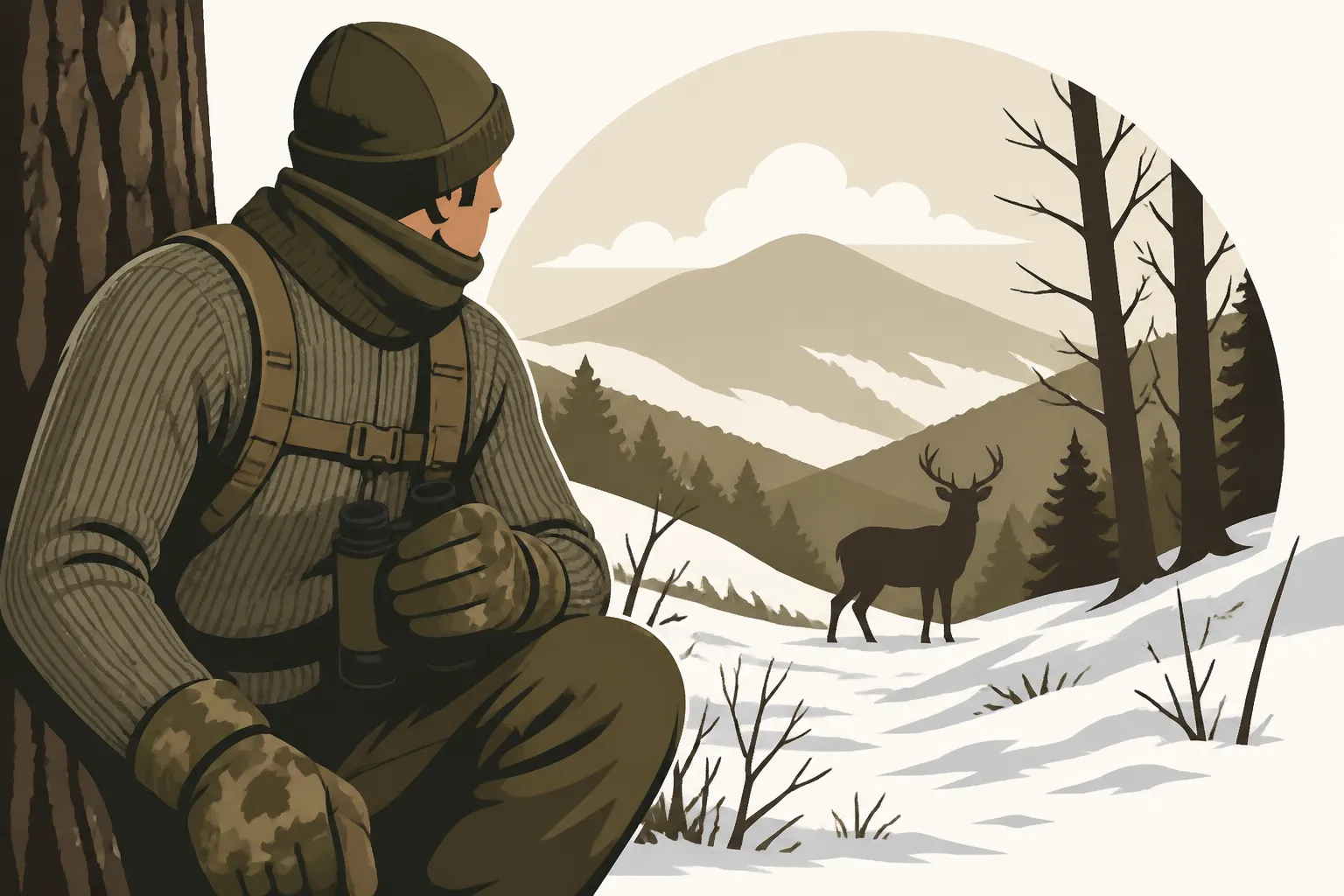
Wool for Wet Snow and Quiet Movement
There's nothing quite like that bone-chilling dampness that seeps into your core when you're perched in a Tennessee treestand, especially if a late-season snow decides to mix with freezing rain. We've all been there, shivering uncontrollably, teeth chattering, all while trying to remain still enough not to spook that wary whitetail buck. The frustration is real – you want to be out there, enduring the elements, but you also want to be effective and, frankly, comfortable enough to stay put. This guide is all about one of the oldest, yet still most effective, natural fibers for hunting in Tennessee's often wet, cold, and unpredictable conditions: wool, and how it helps you stay warm, dry, and most importantly, quiet.
The Challenge: Staying Warm, Dry, and Silent in Tennessee's Variable Weather
Hunting in Tennessee means dealing with a truly diverse range of weather, sometimes all in the same day. One morning you might wake up to crisp, dry cold, and by afternoon, a wet snow or freezing rain could be falling, turning the woods into a soggy, frigid mess. For hunters, this isn't just an inconvenience; it's a serious challenge to comfort, endurance, and ultimately, success.
The Problem with Traditional Synthetics in Damp Conditions
Many hunters gravitate towards synthetic materials for their supposed waterproof and quick-drying properties. And don't get me wrong, synthetics have their place, especially as an outer rain shell. But when it comes to insulation and base layers, they often fall short in the unique conditions we face here in Tennessee. The moment a synthetic material gets truly damp from sweat or external moisture, its insulating properties diminish rapidly. You might feel warm and dry for a short while, but once that clammy feeling sets in, it's hard to shake.
Imagine you're still-hunting along a Cumberland Plateau ridge in late December. You work up a sweat climbing to your chosen spot, and then you sit down for an hour. If your base layer is synthetic, that trapped moisture against your skin quickly turns cold, chilling you to the bone. Suddenly, what started as a productive hunt becomes a battle against the cold, forcing you to move, which means giving away your position, or worse, heading back to the truck. This is a common scenario, and it's why many hunters find themselves constantly adjusting, shivering, or just plain miserable when relying solely on synthetics in our unpredictable Tennessee winter.
The Imperative of Quiet Movement and Stillness
Beyond just warmth, noise is a huge factor in Tennessee hunting. Our deer are highly attuned to sound, especially on public lands where they're pressured. The rustle and crinkle of many synthetic outer layers can be a death knell for a close encounter. Picture a frosty morning in November, deer moving through fallen leaves, and you're trying to draw your bow or raise your rifle. If your jacket sounds like a plastic bag being crunched, that buck is gone before you even get a chance.
This is especially true during prime hunting times like Hunting the Rut in Early November or Hunting the Late-Season January Lull. Bucks are on the move, but they are also incredibly cautious. That little bit of extra noise from your clothing can mean the difference between a clean shot and an empty tag. We spend so much time focusing on our scent, our camouflage, and our entry routes, but often overlook the subtle noise our clothing makes when we move, shift, or even just breathe in the cold air.
Why Wool Stands Apart from Other Hunting Materials
Wool, particularly Merino wool, has been a secret weapon for serious hunters for generations, and for good reason. It tackles the core issues of warmth, quietness, and moisture management in ways synthetics often can't match, making it an ideal choice for the Tennessee woods.
Exceptional Warmth, Even When Wet
This is wool's superpower. Unlike cotton, which becomes useless when wet, or many synthetics that lose significant insulating power, wool retains an incredible amount of its warmth even when damp. The natural crimp of wool fibers creates tiny air pockets that trap heat, and these pockets remain effective even if the fibers themselves absorb some moisture. This means that if you're sweating while climbing a steep hollow or if a light drizzle starts, you won't experience that immediate, chilling cold that often comes with other materials.
Think about a late archery hunt when the morning dew is heavy, or a sudden afternoon shower catches you off guard. With wool base layers, that moisture won't instantly make you shiver. It wicks moisture away from your skin, pushing it to the outer layers where it can evaporate. This active moisture management, combined with its inherent insulating ability, provides a far more stable and comfortable microclimate against your skin. This resilience is critical for those long, cold sits that define success in late-season deer hunting or when Hunting Deer After a January Cold Front.
Unrivaled Quietness for Stealthy Approaches
One of the most immediate and noticeable benefits for a hunter is how incredibly quiet wool is. It doesn't rustle, crinkle, or swish like many synthetic fabrics. This makes a monumental difference when you're trying to move silently through dense cover, slowly bring your gun to bear, or draw your bow without alerting game.
Whether you're Still-Hunting Cumberland Plateau Ridges or easing through a river bottom, the ability to move without making a sound is paramount. Wool allows you to do just that. It's a natural fiber with a soft drape, meaning it moves with your body fluidly and silently. When every twig snap and leaf rustle can spell the end of your hunt, having clothing that adds zero noise to the equation gives you a significant edge. This quietness extends to minor movements too, like simply shifting in your treestand or reaching for your rangefinder, which can often be enough to catch a deer's attention if your clothing is loud.
Breathability and Natural Odor Control
Wool isn't just warm; it's also incredibly breathable. It naturally regulates body temperature by allowing excess heat and moisture vapor to escape. This helps prevent you from overheating when you're active and then getting chilled when you stop. This breathability is a lifesaver when you're hiking into a remote area on Scouting Tennessee Public Land Before Season or just making a long trek to your stand. You exert yourself, sweat a little, and the wool helps dissipate that moisture without leaving you feeling clammy.
Furthermore, wool possesses natural antimicrobial properties that resist the buildup of odor-causing bacteria. This means you can wear wool layers for multiple days in the field without them smelling like a locker room, which is a huge advantage for multi-day hunts or just trying to manage scent on those longer sits. While it doesn't replace proper scent control, it certainly helps reduce your overall odor footprint, a critical factor for hunting wary game across Tennessee.
Building Your All-Wool System for Tennessee Hunting
Thinking of wool not just as a single garment, but as a complete layering system, is key to maximizing its benefits in Tennessee's varied conditions. This approach allows you to adapt to temperature swings, sudden precipitation, and differing activity levels throughout your hunt. Clothing for a Tennessee Late Season is about adaptability, and wool truly shines here.
Layering Strategies with Different Wool Weights
The beauty of wool is its versatility across different weights and weaves. You can build a three-layer system that offers exceptional warmth, breathability, and quietness.
-
Base Layer (Next-to-Skin): This is where fine Merino wool truly excels. Look for lightweight (150-200 gsm) or midweight (250-300 gsm) Merino shirts and bottoms. Merino is incredibly soft, so it won't itch like coarser wools, and it manages moisture directly against your skin. It wicks sweat away, keeping you dry and comfortable. If you're going to be highly active, a lighter base layer is better, but for stationary hunting in colder weather, a midweight option offers more insulation.
-
Mid-Layer (Insulation): This layer provides the bulk of your warmth. Here, you can opt for heavier Merino wool fleece, traditional wool sweaters, or even a blend with some synthetic for added durability in high-wear areas. Weights typically range from 300-400 gsm. A good wool mid-layer is crucial for maintaining core temperature without adding excessive bulk or noise. This is where you might consider items from brands known for their hunting apparel, such as those available through a gear research platform like GoHunt, which can help you compare different wool options and their features.
-
Outer Layer (Protection & Insulation): Depending on the weather, your outer layer might be a heavy wool jacket, a softshell wool blend, or a combination. For cold, dry days, a thick wool anorak or jacket is incredibly quiet and warm. If wet snow or rain is a possibility, you might layer a wool mid-layer under a waterproof, breathable shell. The key is to have an outer layer that is quiet, offers some wind resistance, and can be shed or added easily. For instance, Layering for a Tennessee Deer Stand often means needing to bundle up before dawn and then shedding a layer or two as the sun rises.
When to Choose Merino Versus Traditional Wool
While both are wool, Merino and traditional wool (like from sheep breeds such as Rambouillet or Shetland) have different characteristics that make them suitable for specific applications.
| Feature | Merino Wool | Traditional Wool (e.g., Shetland) |
|---|---|---|
| Fiber Diameter | Very Fine (17-23 microns) | Coarser (25-40+ microns) |
| Feel Against Skin | Soft, non-itchy | Can be itchy or scratchy |
| Moisture Wicking | Excellent, highly effective | Good, but not as efficient at skin level |
| Warmth-to-Weight | High, very efficient insulation | Good, often bulkier for same warmth |
| Odor Control | Excellent natural resistance | Good |
| Durability | Can be less durable than coarser wools, prone to holes | Very durable, resistant to abrasion |
| Best Use | Base layers, mid-layers, activewear, next-to-skin | Outer layers, heavy sweaters, blankets, rugged insulation |
For anything touching your skin or providing close-fitting insulation, Merino is almost always the superior choice due to its softness and excellent moisture management. However, for a super durable, thick outer layer where softness isn't the primary concern, a good traditional wool blend can be fantastic. Some hunters even find that the slightly stiffer nature of traditional wool provides a bit more structure for carrying equipment or resisting snags in dense briars. When you're considering heavy use, like in areas such as Hunting the Cherokee National Forest, durability also plays a significant role.
The Role of an Outer Shell
Even with the best wool system, you'll still need a dedicated rain shell for heavy downpours or persistent wet snow. Wool is fantastic at retaining warmth when damp, but it's not truly waterproof. A lightweight, breathable, and quiet waterproof jacket and pants can be thrown over your wool layers when the weather really turns. Look for shells that are quiet (avoiding crinkly plastics) and that have good pit zips or other ventilation to help manage moisture build-up from within. Layering your wool underneath a good rain shell, like those you might find reviewed by GoHunt experts, means you get the quietness and warmth of wool combined with the ultimate protection from the elements.
Caring for Your Wool Gear: Longevity in the Field
Investing in quality wool hunting gear is like buying a good rifle – with proper care, it will last you for many seasons. Neglecting your wool can diminish its performance and shorten its lifespan, which is something no hunter wants, especially when you depend on your gear in harsh conditions.
Washing and Drying Your Wool Layers
The biggest mistake people make with wool is treating it like cotton in the wash. Wool fibers are delicate, and excessive heat or agitation can cause them to shrink or felt, ruining the garment.
- Read the Label First: Always check the care tag. Most modern Merino wool hunting garments are machine washable, but typically on a cold, gentle cycle.
- Use a Wool-Specific Detergent: Regular detergents often contain harsh enzymes that can damage wool fibers. Opt for a detergent specifically formulated for wool or delicates.
- Wash Cold and Gentle: Use cold water and the most delicate cycle your machine offers. If you have a front-loader, that's often preferred over top-loaders with agitators.
- Avoid Fabric Softeners and Bleach: These can clog the natural pores of the wool and strip its beneficial properties.
- Air Dry or Tumble Dry Low/No Heat: The best way to dry wool is to lay it flat on a clean towel or hang it to air dry. If using a dryer, select the "no heat" or "air fluff" setting and tumble dry for a short period, then remove while still slightly damp and lay flat to finish drying. High heat is wool's enemy!
Proper washing preserves the natural crimp and elasticity of the wool fibers, ensuring they continue to trap air and wick moisture effectively. For instance, after a long week of Hunting West Tennessee Bottomland Deer where mud and sweat are inevitable, giving your wool layers the right wash can make them feel brand new for your next outing.
Storage and Maintenance Between Seasons
How you store your wool hunting gear is just as important as how you wash it. Pests like moths and carpet beetles love wool, and improper storage can lead to irreversible damage.
- Clean Before Storing: Always wash and thoroughly dry all wool items before putting them away for the off-season. Any residual sweat or dirt can attract pests.
- Use Airtight Containers or Bags: Store your wool in sealed plastic bins or vacuum-sealable bags. This protects them from insects, dust, and moisture fluctuations.
- Add Moth Deterrents (Optional): While airtight containers are usually sufficient, you can add natural moth repellents like cedar blocks or lavender sachets for extra protection. Avoid traditional mothballs, which can leave a strong, unpleasant chemical odor.
- Inspect Regularly: Even in storage, it's a good idea to periodically check your wool items for any signs of damage or pest activity.
By giving your wool hunting gear the care it deserves, you're not just preserving the clothing; you're ensuring that you have reliable, quiet, and warm protection for every future hunting adventure in Tennessee's beautiful, yet often challenging, wild places. From early archery to the depths of winter, wool truly is a hunter's best friend.
Disclaimer
This article is for general informational purposes only and does not constitute professional advice. Laws, prices and regulations vary by location and change over time. Consult a qualified professional for guidance on your specific situation.