Game Bags for Warm September Days
When Tennessee's archery season opens, especially during those lingering warm days of September, the excitement of an early harvest can quickly turn into anxiety if you're not prepared. The relentless heat can be a venison hunter's worst nightmare, threatening to spoil that hard-earned game before you even get it to the cooler. This guide is all about equipping you with the knowledge and the right gear, specifically game bags, to ensure your venison stays fresh and delicious, even when the mercury climbs high.
Why Tennessee's Early Season Heat Demands Smart Meat Care
It’s no secret that a lot of Tennessee’s deer season, particularly the beginning of archery season, can feel more like summer than fall. Those beautiful crisp mornings can give way to scorching afternoons faster than you can say "rut." This presents a unique challenge for hunters: how do you preserve your game when ambient temperatures are still hovering in the 70s, 80s, or even higher? Ignoring this reality is a recipe for disappointment, and potentially, wasted meat.
The Science of Spoilage: What Happens to Your Harvest
When an animal is harvested, its internal temperature is high, often around 100 degrees Fahrenheit or more. Bacteria, naturally present on the hide and in the gut, thrive in this warmth and moisture. If you don't remove the entrails quickly and begin the cooling process, these bacteria multiply at an alarming rate. They start to break down muscle tissue, leading to a sour, off-flavor, and eventually, total spoilage. Think of it like leaving a steak out on your kitchen counter on a hot day – it doesn't take long for it to go bad. The goal is to bring that internal temperature down as quickly and efficiently as possible.
The core problem isn't just the ambient air temperature, but the lack of air circulation around the carcass. Skinning a deer can significantly aid in cooling, as it allows air to reach the muscle directly. However, in Tennessee's often thick public lands or remote private tracts, skinning immediately might not always be practical or possible. This is where proper field dressing and the strategic use of game bags become absolutely critical. You're not just dealing with external heat; you're battling the residual body heat of the animal itself, which acts like a slow oven, cooking the meat from the inside out.
The Real Risk: Losing Your Hard-Earned Venison
There are few things more disheartening than working hard for a deer, making a good shot, putting in the effort to track and recover it, only to realize later that the meat is starting to sour. It's a gut-wrenching feeling that every hunter hopes to avoid. In Tennessee, especially during the August antlerless-only hunt or the early weeks of When Tennessee's Archery Season Opens, this risk is very real. A long drag back to the truck on a warm day, or an extended period of tracking Blood Trailing After Dark in Tennessee, can drastically reduce the window you have to save your meat.
Beyond the disappointment, there's a serious ethical consideration. As hunters, we owe it to the animals we pursue to utilize every part of them, especially the meat. Wasting game due to negligence in warm weather care goes against the fundamental principles of conservation and responsible hunting. It also undermines the public perception of hunting. By understanding the challenges and implementing smart strategies, we honor the animal and ensure our freezer is stocked with high-quality, delicious venison. It’s about being prepared for the worst-case scenario and having a plan to mitigate the risks the moment that animal hits the ground.
Choosing the Right Game Bags for Warm September Days
Once you have your deer on the ground, and particularly if you're on public land or a property where you can't get a vehicle right to the kill site, game bags become your best friend. They're not just glorified trash bags; they're specifically designed tools to protect and preserve your meat. Thinking about what you need before you head out is crucial, especially for Hunting the August Antlerless-Only Archery Hunt.
Essential Features of Quality Game Bags
A good game bag for warm weather needs to do several things well. First and foremost, it must be breathable. This is perhaps the most critical feature. Unlike plastic bags, which trap heat and moisture and accelerate bacterial growth, breathable game bags allow air to circulate around the meat. This helps to form a protective "rind" on the surface of the meat, which acts as a barrier against further bacterial penetration and helps to wick away moisture. Think of it as allowing the meat to "sweat" without spoiling.
Secondly, strength and durability are key. You'll be carrying these bags, potentially over rough terrain, and you don't want them tearing open, exposing your meat to dirt, leaves, or insects. Look for bags made from sturdy, rip-resistant synthetic fabrics, or even tightly woven cotton blends. They also need to be a decent size – large enough to accommodate deboned quarters or even a full skinned carcass, depending on your packing strategy. Lastly, a tight weave is important to keep out flies and other insects, which can quickly lay eggs and contaminate the meat. Bags with drawstrings or other secure closures are a big plus for keeping unwanted guests out.
Comparing Game Bag Materials and Styles
Game bags come in a variety of materials and designs, each with its own advantages. Here’s a quick rundown to help you choose what's best for your Tennessee hunts:
| Feature/Type | Synthetic Game Bags (e.g., specialized nylon blends) | Cotton/Canvas Game Bags |
|---|---|---|
| Breathability | Excellent, often engineered for optimal airflow. | Good, but can absorb moisture, potentially staying damp. |
| Durability | Very high, rip-resistant, often reusable. | Moderate to high, can be heavy, reusable. |
| Weight | Lightweight, compact. | Heavier, bulkier when wet or packed. |
| Cleanability | Easy to wash and dry, sometimes machine washable. | Can be harder to clean bloodstains; may shrink. |
| Insect Protection | Excellent, fine mesh prevents most insects. | Good, but coarser weaves may allow very small insects through. |
| Cost | Generally higher upfront cost, but long-lasting. | Lower initial cost. |
| Best Use | Deboned quarters, backstraps, tenderloins; ideal for backpacking and warm weather. | Whole skinned carcasses (if large enough), good for hanging in camp. |
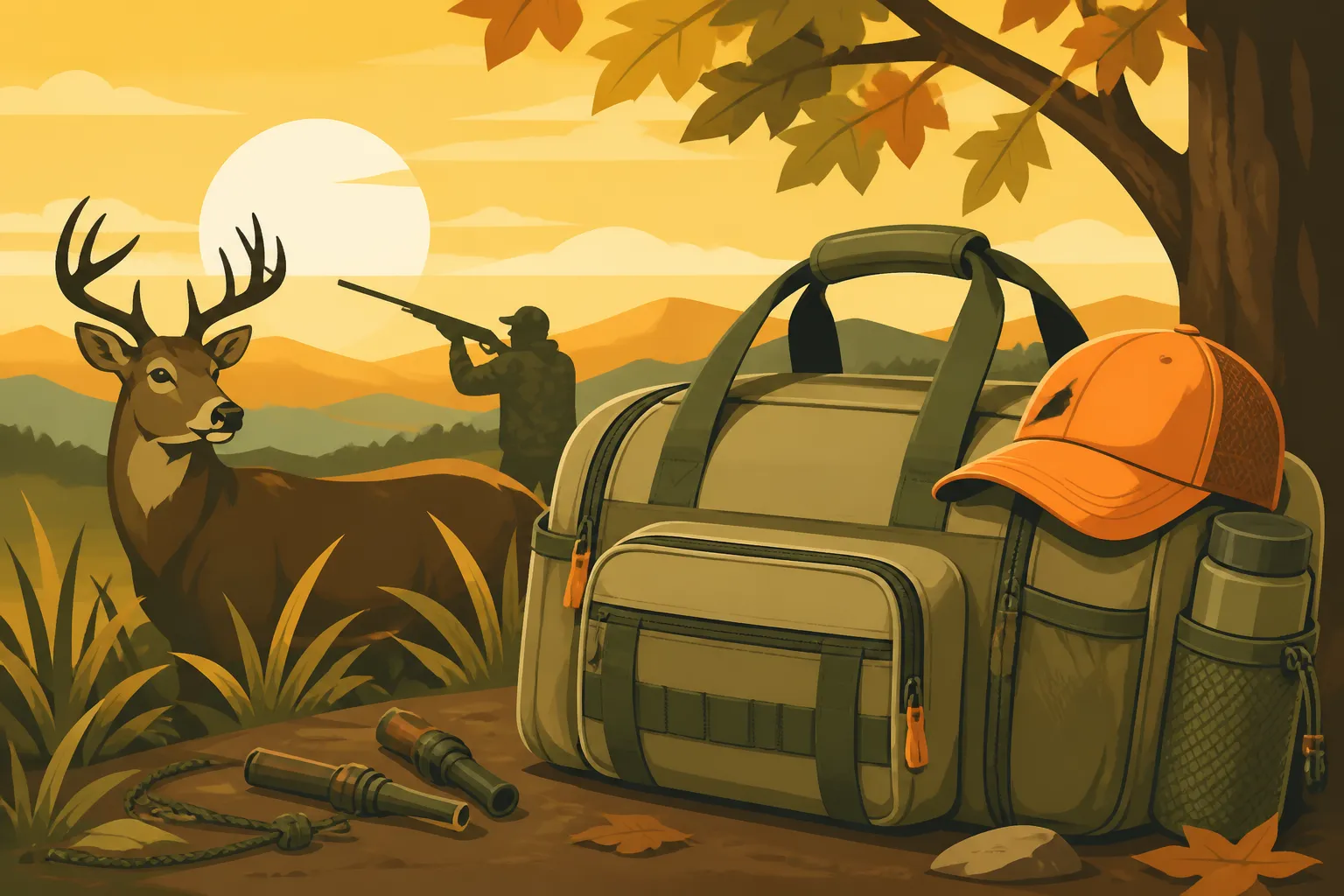
For warm September days, synthetic game bags are often the superior choice. Their lightweight, highly breathable, and durable properties make them ideal for carrying deboned meat out of the woods. Brands like KUIU or even more budget-friendly options from outdoor retailers offer excellent choices. If you plan to quarter your deer in the field (which is highly recommended for warm weather), having several smaller bags sized for individual quarters, along with a couple of smaller bags for backstraps and tenderloins, is a smart strategy. Many hunters, myself included, have a dedicated "meat kit" that includes these bags, along with a sharp knife and some clean rags or paper towels for field care.
Beyond the Bag: Comprehensive Warm Weather Field Care
Game bags are a fantastic tool, but they're part of a larger strategy. Just stuffing warm meat into a bag isn't enough. You need to combine them with diligent field dressing and active cooling techniques to truly maximize your chances of bringing home uncompromised venison. Every minute counts when the temperatures are high.
Immediate Field Dressing: Speed and Precision
The moment you recover your deer, especially on a warm day, your number one priority is to remove the entrails. This process, known as field dressing, quickly drops the internal temperature of the carcass and removes a major source of bacteria. Don't delay. Even if you're alone, get to it immediately. Field Dressing a Deer in Cold Weather offers some good contrasting advice, but the core principle of swift gutting applies even more so in warm conditions. The goal is to open up the body cavity and allow air to circulate.
After removing the guts, wipe the cavity clean of any blood or fecal matter. Using clean rags, paper towels, or even leaves from non-toxic plants can help here. Avoid using water inside the cavity if you can, as moisture can also promote bacterial growth if it doesn't dry out quickly. If you're planning to quarter the deer in the field, now is the time to start. Separate the four quarters, remove the backstraps and tenderloins. This breaks down the large mass of warm meat into smaller, more manageable pieces that can cool much faster. Having a designated set of knives and a small bone saw in your pack for this process makes it much easier.
Crucial Cooling Techniques After the Shot
Once your deer is field dressed and, ideally, broken down into quarters, the real cooling work begins. If you're going to drag the animal out whole, skin it first if conditions allow. Removing the hide will dramatically increase the cooling rate. If you must drag it with the hide on, at least ensure the body cavity is wide open and try to elevate the carcass off the ground whenever possible to allow air to circulate underneath.
For deboned meat, which is often the best strategy for warm weather, place each quarter and choice cut into its own game bag. Once bagged, the goal is to get these pieces into a cooler with ice as quickly as possible. Don't just layer meat directly on top of ice. Use a layer of ice on the bottom, then a layer of meat, then more ice. Better yet, create a "slurry" of ice and water in your cooler, and submerge the game bags. The cold water will pull heat from the meat much faster than ice alone. Make sure your cooler is already pre-chilled before you put any meat in it. If you're on a long pack out, try to find a cool, shady spot to hang the bagged meat, allowing any breeze to help cool it further until you can get it to the vehicle and into a proper cooler. This interim step can be a lifesaver for early season success.
Logistics and Preparation for Success in the Heat
Successfully handling a warm weather harvest isn't just about what you do in the moments after the shot; it's about preparation that starts long before opening day. Being proactive in your planning can alleviate a lot of the stress and risk associated with those hot September hunts.
Essential Gear for Warm Weather Hunts
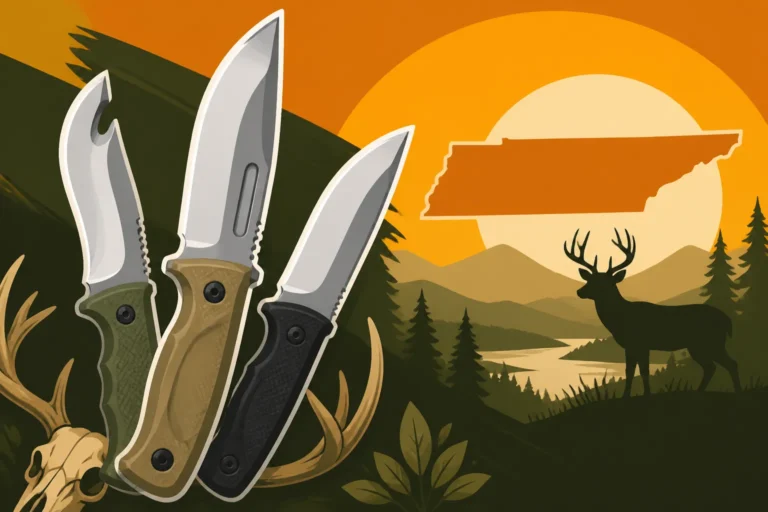
Beyond your rifle or bow setup and your game bags, there are a few other critical items to have in your pack for warm weather deer hunting. First, a high-quality field dressing kit is non-negotiable. This includes a sharp knife (or two), a bone saw (if you plan to quarter), and a sharpening tool. You'll also want some heavy-duty contractor bags to line your pack or for transport, and plenty of paper towels or clean rags. Don't forget your Packs for a Day on Public Land – make sure it's comfortable and capable of carrying out meat, perhaps even a frame pack if you anticipate deboning.
Secondly, coolers. You can't have enough capacity for ice and meat in warm weather. Pre-chill your coolers by filling them with ice water the night before your hunt. This prevents your fresh ice from melting instantly when the warm meat goes in. Consider bringing a separate cooler just for your personal food and drinks, keeping your primary meat cooler pristine and ready for action. Ice is cheap; spoiled venison is not. If you're hunting remotely, consider bringing a sled or game cart – something to get that meat moving quickly and efficiently without having to drag it too far over warm ground. Having Coolers for an Early Archery Kill ready to go is absolutely essential.
Strategic Scouting and Recovery Planning
Knowing your hunting area intimately is invaluable, especially when time is of the essence. Before the season, spend time Scouting Tennessee Public Land Before Season. Pay attention to distances from accessible roads or trails. Identify potential shaded areas or cool creek bottoms where you might be able to hang meat temporarily if needed. Having a solid understanding of the terrain will help you plan the quickest and least strenuous recovery route, minimizing the time your deer spends in the heat. Tools like mapping applications can be incredibly helpful for this. Services like GoHunt allow you to mark potential recovery points, measure distances, and even identify changes in elevation that could affect your drag or pack out.
Think about your exit strategy before you even climb into your stand. If you tag a deer in a remote hollow on a hot day, how are you going to get it out? Do you have a hunting buddy on standby who can help? Is it possible to quarter the deer and pack it out in stages? For instance, if you're hunting in a remote section of the Cherokee National Forest Hunting, the logistics of a warm weather recovery are vastly different from hunting a small private woodlot. By anticipating these challenges and having a plan, you can turn a potentially stressful situation into a manageable one, ensuring your hard work translates into delicious meals for your table.
| Essential Warm Weather Gear | Purpose |
|---|---|
| Breathable Game Bags | Protects meat from insects, dirt, and debris while allowing crucial airflow to cool down meat. |
| Sharp Field Dressing Knife & Saw | Enables quick and efficient gutting and quartering, removing heat and bacteria sources immediately. |
| Large Coolers (Pre-chilled) | Provides an immediate cold environment (ice slurry) for bagged meat, drastically reducing core temperature. |
| Ample Ice | The primary cooling agent; ensures meat temperature drops rapidly and stays low. |
| Clean Rags/Paper Towels | For wiping blood and debris from the body cavity, preventing bacterial growth. |
| Game Cart/Sled (optional) | Reduces physical exertion and speeds up transport of carcass or quarters from kill site to vehicle, especially over longer distances or rough terrain. |
| Mapping App (e.g., GoHunt) | Aids in pre-hunt scouting to identify nearest access points, optimal recovery routes, and shaded areas for temporary meat storage, minimizing delays in warm conditions. |
| Headlamp (with fresh batteries) | Indispensable for tracking and field dressing if a recovery extends into low light or after dark, ensuring tasks are done safely and efficiently. |
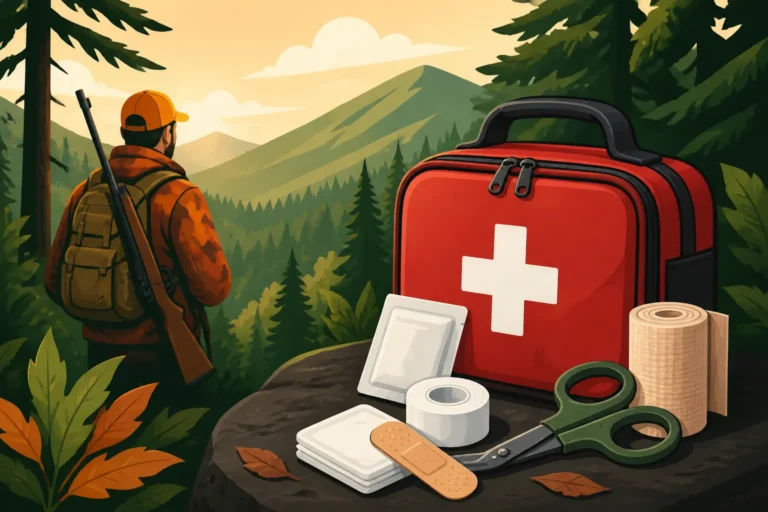
| First Aid Kit | Essential for any hunting trip, but especially important when working with knives in potentially remote areas where quick care for cuts or scrapes is necessary. |
Disclaimer
This article is for general informational purposes only and does not constitute professional advice. Laws, prices and regulations vary by location and change over time. Consult a qualified professional for guidance on your specific situation.