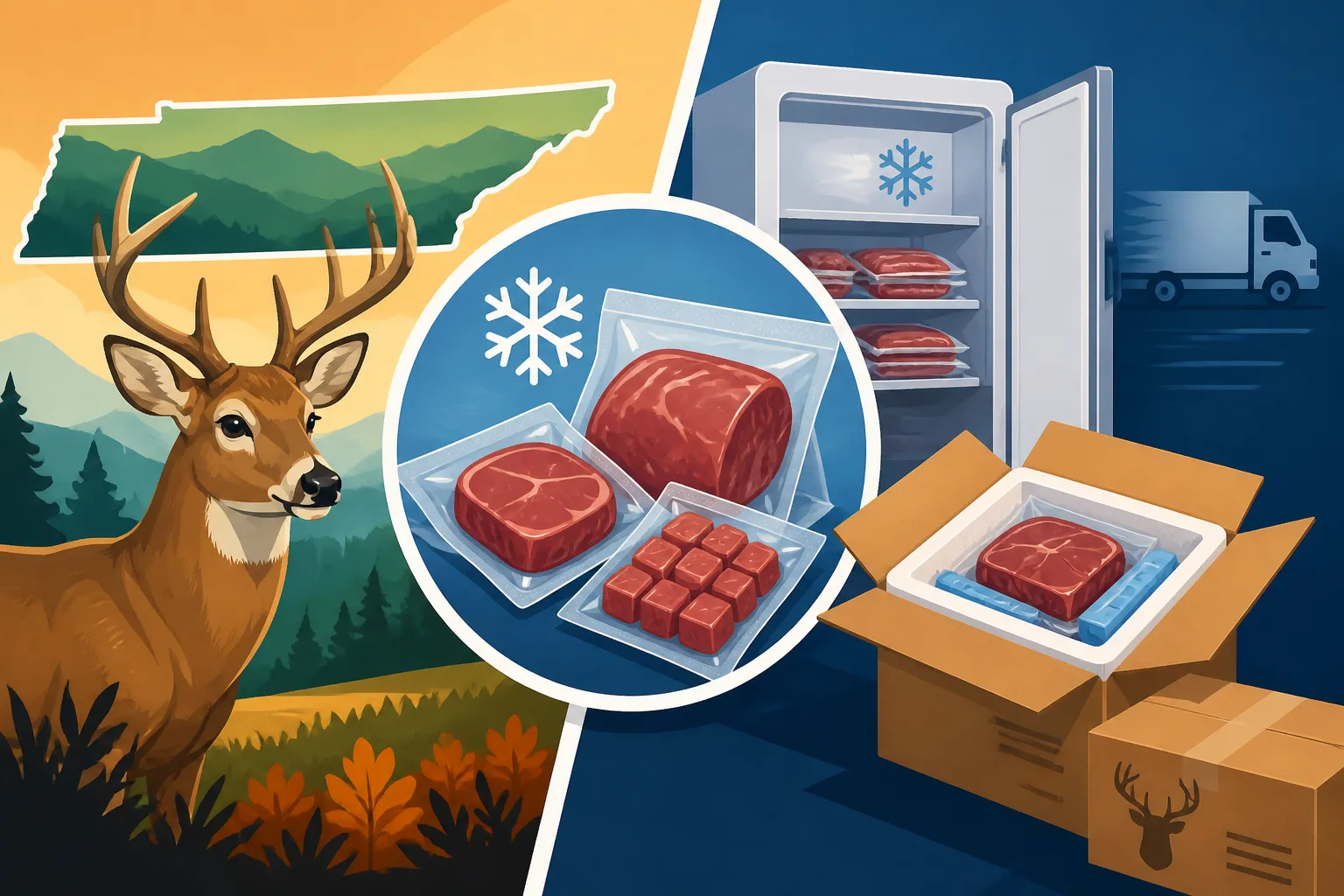
Freezing and Shipping Game Meat
There's nothing quite like the satisfaction of bringing home a hard-earned deer, turkey, or even a brace of ducks after a long day afield in Tennessee. But the work doesn't stop once the animal is down. A common hurdle many hunters face is ensuring that precious game meat is preserved correctly, both for storage in your home freezer and for the sometimes daunting task of shipping it to family or friends. This guide is all about taking the guesswork out of freezing and shipping your game meat, helping you safeguard your harvest and enjoy it for months to come.
The Importance of Proper Game Meat Care
Picture this: you've just brought a beautiful whitetail buck out of a steep Cumberland Plateau hollow after a challenging hunt. You're exhausted but elated. The last thing you want is for all that effort to be for naught because the meat spoils. Proper care, starting immediately after the shot, is paramount.
Why Quick Cooling and Cleaning Matter
The clock starts ticking the moment an animal is harvested. Warm temperatures are the enemy of fresh meat, providing a fertile breeding ground for bacteria that can quickly lead to spoilage. In Tennessee, especially during the early archery season in September when temperatures can still be quite warm, rapid cooling is absolutely critical. Think about those early season hunts where the midday sun beats down; leaving a deer uncooled for even a few hours can seriously compromise the quality.
The goal is to get the animal field dressed as quickly and cleanly as possible to remove the internal organs that hold a lot of heat and bacteria. This opens up the body cavity to allow air to circulate and the carcass to cool down. If you're on a multi-day hunt or far from a cooler, carrying a few bags of ice to put in the cavity can make a huge difference, especially if you're out there for a while. For a deeper dive into initial care, check out Field Dressing a Deer in Cold Weather – many principles apply even in warmer weather, just with more urgency.
Common Mistakes That Ruin Meat
Unfortunately, many hunters, especially those new to processing their own game, make some common mistakes that can lead to subpar meat or even spoilage. One of the biggest culprits is not cooling the carcass down fast enough. We've all seen deer tied to the back of a truck, driven around for hours in the sun before being processed – that's a recipe for disaster. The meat essentially "cooks" in its own body heat, leading to souring and a gamey flavor that no amount of marinading can fix.
Another common pitfall is improper butchering and cleaning. Leaving hair, dirt, or bone fragments on the meat can introduce bacteria and degrade quality. Not removing all the bruised or bloodshot meat, which often occurs around the wound channel, also contributes to off-flavors. Similarly, not properly trimming away fat and fascia (the silverskin) can also lead to a stronger, sometimes unpleasant, "gamey" taste, especially in older animals or those from certain diets. Taking your time during the butchering phase, with sharp knives and a clean workspace, will pay dividends when it comes to the final product. For essential tools and techniques, look into Meat Care Gear for Tennessee Hunters.
Freezing Your Harvest for Long-Term Storage
Once your game is properly field dressed, cooled, and butchered, the next step is preserving it for enjoyment throughout the year. Freezing is the most common and effective method for long-term storage, but there's a right way and a wrong way to do it.
Preparing Meat for the Freezer
Before any meat hits the freezer, it needs to be prepped. This starts with cutting the meat into manageable portions. Think about how you'll cook it – steaks, roasts, stew meat, or ground meat. Trim away any remaining fat, connective tissue, or discolored areas. For ground meat, many hunters will add a percentage of pork or beef fat (often 10-20%) to improve moisture and flavor, especially if they plan to make burgers or meatloaf.
The key to successful freezing is preventing "freezer burn," which occurs when meat is exposed to air and dehydrates. This means getting as much air out of the packaging as possible. Vacuum sealers are truly a game-changer here. They remove virtually all air, creating an airtight seal that can keep meat fresh for 1-2 years or even longer. If you don't have a vacuum sealer, double-wrapping with heavy-duty freezer paper or freezer bags, expelling as much air as possible before sealing, is the next best option. Make sure to label everything clearly with the type of meat (e.g., "deer backstrap," "ground elk"), the date, and the cut. This little step saves a lot of head-scratching later when you're rummaging through a frosty freezer.
Choosing the Right Freezing Method
There are a few primary ways hunters approach freezing game meat, each with its pros and cons.
| Method | Description | Pros | Cons | Ideal For |
|---|---|---|---|---|
| Vacuum Sealing | Meat sealed in airtight plastic bags with a vacuum sealer. | Best for preventing freezer burn; long storage life; easy to organize. | Requires specific equipment; bags can be an ongoing cost; occasional seal failure. | All cuts, especially high-value steaks and roasts meant for long storage. |
| Freezer Paper | Meat wrapped tightly in specialized freezer paper, often double-wrapped. | Inexpensive; readily available; good protection if done correctly. | Requires practice for a good seal; more prone to freezer burn than vacuum sealing; shorter optimal storage life. | Larger cuts, ground meat, and hunters without a vacuum sealer. |
| Freezer Bags | Heavy-duty zip-top freezer bags, with air pressed out. | Convenient; inexpensive; good for small portions or ground meat. | Most prone to freezer burn if not all air is removed; shorter storage life. | Ground meat, stew meat, small portions, quick use. |
| Water Bath | Meat placed in a freezer bag, submerged in water to force air out before sealing and freezing. | Improves air removal with freezer bags; no special equipment needed. | Still susceptible to tears; water can get in; not as good as vacuum sealing. | Ground meat, irregular cuts, when a vacuum sealer isn't an option. |
For most hunters, especially those who put up a significant amount of meat each year, a vacuum sealer is truly worth the investment. It makes the job easier, quicker, and more effective at preserving quality. When it comes to how much meat you'll get, understanding Deer Meat Yield From a Tennessee Buck can help you plan your freezing efforts.
Organizing Your Freezer for Game Meat
Once packaged and labeled, it's time to get that meat into the freezer. A dedicated chest or upright freezer is a blessing for hunters, as your main kitchen freezer often fills up quickly. When loading your freezer, try to lay packages flat initially so they freeze evenly. Once frozen solid, you can stack them vertically to maximize space.
Consider organizing by animal, cut, and date. For example, all your deer backstraps from October 2023 might go in one section, while ground meat from January 2024 goes in another. This makes it much easier to find what you're looking for and to rotate your stock, ensuring you're eating the oldest meat first. Keeping a simple inventory list on the outside of your freezer door or a whiteboard can also be incredibly helpful. Nobody wants to discover a forgotten package of venison from three seasons ago.
Navigating the World of Shipping Game Meat
Sometimes, you want to share your harvest with family or friends who live out of state, or perhaps you've been on a hunt far from home and need to get your meat back. Shipping game meat can seem intimidating due to regulations and the need for proper refrigeration, but with the right approach, it's totally doable.
Understanding Shipping Regulations and Logistics
The first and most crucial step is to research the regulations for both the origin and destination states. Different states have varying rules regarding game meat crossing their borders, especially concerning Chronic Wasting Disease (CWD). For instance, if you're in one of Tennessee's CWD-positive counties, there are specific Tennessee Carcass Deboning Requirements that dictate what parts of a deer can be transported out of the CWD Management Zone. Generally, deboned meat, clean skull plates, and taxidermy mounts are permitted, but whole carcasses or bones with brain matter are often prohibited. Always double-check with the wildlife agencies of both states involved.
When it comes to shipping carriers, major companies like UPS and FedEx are generally the go-to. They have experience with perishable goods. However, they typically require the meat to be frozen solid and packaged in specific ways. You'll want to contact them directly for their most current policies and recommended packaging. Most carriers will also advise shipping early in the week (Monday or Tuesday) to avoid your package sitting in a warehouse over the weekend. The last thing you want is a package of thawing meat sitting idle in a hot loading dock.
Packing Your Meat for Safe Transit
The goal of shipping is to keep your meat frozen solid for the entire journey. This means using a high-quality, insulated cooler or box, along with sufficient freezing agents. Styrofoam coolers within a cardboard box are a popular and effective choice. For the freezing agent, dry ice is king. It's much colder than regular ice and sublimates (turns directly into gas) rather than melting into water, which can create a mess and compromise packaging. Just be aware that dry ice requires careful handling (wear gloves!) and has specific shipping regulations due to it being a hazardous material. Always check with your chosen carrier about their dry ice policies, including weight limits and labeling requirements.
If dry ice isn't an option, gel packs or frozen water bottles can work, but they won't maintain the deep freeze as long. For these methods, make sure your meat is absolutely rock-solid frozen before packing, and fill every empty space in the cooler with additional insulation like crumpled newspaper to minimize air pockets. The more insulated and tightly packed your cooler, the better. Make sure the cooler is securely taped shut with heavy-duty packing tape, and clearly label it as "Perishable" and with "Frozen Game Meat."
Tips for a Smooth Shipping Experience
A little planning goes a long way when shipping game meat. Start by freezing your meat thoroughly – we're talking several days, not just overnight, in a deep freezer. The colder the better. When you pack, handle the dry ice with heavy gloves and ensure good ventilation if doing it indoors. Place newspaper or cardboard between the dry ice and the meat to prevent direct contact, which can cause freezer burn.
Consider the time of year and the expected temperatures at both the origin and destination. Shipping in the dead of summer will be far more challenging than in late fall or winter. Using a tracking number is non-negotiable; you'll want to monitor its progress closely. Finally, communicate with the recipient! Let them know when to expect the package and advise them to unpack and put the meat into their freezer immediately upon arrival. For managing your hunting logistics, including knowing local regulations and planning trips, digital tools like the GoHunt app can be incredibly useful. It can help you stay informed about harvest reporting, license requirements, and even CWD zones, which are all important factors when considering what and how to ship. Being proactive and meticulous with your packing and communication will ensure your game arrives safely and ready to enjoy.
Essential Gear and Resources
Taking care of your game meat, from the field to the freezer and beyond, is a process that can be greatly improved with the right tools and information. Don't skimp on the gear that protects your hard-won harvest!
Tools for Processing and Packaging
Having the right tools makes all the difference when processing game. A good set of sharp knives is fundamental – boning knives, a butcher knife, and a cleaver if you're tackling larger bones. Keeping a sharpener handy throughout the process ensures clean cuts and less fatigue. A sturdy cutting board, preferably one that can be easily sanitized, is also essential. For those who process a lot of animals, investing in a meat grinder can turn trim into delicious ground venison, sausage, or even jerky meat.
As mentioned, a vacuum sealer is perhaps the single most important piece of packaging equipment for long-term storage. Brands like FoodSaver and Weston offer reliable options that stand up to frequent use. Don't forget the rolls of vacuum sealer bags, which come in various sizes. For shipping, a durable, high-quality cooler is key. Look for models with excellent insulation, like those from Yeti or RTIC, which can keep ice (or dry ice) frozen for days. These coolers, though an investment, pay for themselves in peace of mind. Remember, the journey often begins with good field hygiene, so also have a look at articles like Coolers and Game Bags for Early Archery for initial steps.
Utilizing Digital Resources like GoHunt
In today's connected world, hunters have access to an incredible array of digital tools that can assist with every aspect of the hunt, including post-harvest care and regulations. The Tennessee Wildlife Resources Agency (TWRA) website is always your first stop for official regulations, season dates, and reporting requirements. For example, knowing the latest on Tennessee's Chronic Wasting Disease Management Zone is crucial before transporting or shipping meat, especially across county or state lines.
Beyond official channels, platforms and apps like GoHunt can be invaluable. While primarily known for mapping and planning hunts, such resources often include up-to-date information on state regulations, including specific rules for carcass transport in CWD zones. You can often use these platforms to confirm boundaries or even find CWD sampling stations. Imagine being able to quickly pull up a map layer showing CWD counties while you're still at camp, helping you decide how best to process your animal before heading home. These tools are fantastic for staying organized and informed, helping you make smart decisions about your harvest. From understanding Tennessee Hunter Education Requirements to finding Tennessee Lifetime License Options, digital resources are game-changers for responsible hunters.
Disclaimer
This article is for general informational purposes only and does not constitute professional advice. Laws, prices and regulations vary by location and change over time. Consult a qualified professional for guidance on your specific situation.