Minimum Draw Weight for Tennessee Deer
There's often a lot of head-scratching when it comes to preparing for deer season, especially for those of us who prefer the challenge of archery. One question that pops up repeatedly, particularly for new hunters or those switching equipment, is about the minimum draw weight required for harvesting a deer in Tennessee. It's not just about what's legal, but what's ethical and effective, and this guide is here to untangle all that for you, ensuring you're ready to hit the woods confidently and responsibly.
The Official Stance: Tennessee's Minimum Draw Weight Regulations
Let's get straight to the brass tacks: what does the Tennessee Wildlife Resources Agency (TWRA) actually say about minimum draw weights? Navigating regulations can feel like sifting through a stack of old tax forms, but it's absolutely crucial for staying on the right side of the law and, more importantly, ensuring a humane harvest. The TWRA sets these standards to ensure that hunters are equipped to take game cleanly and effectively, minimizing suffering.
Understanding TWRA's Specifics for Archery
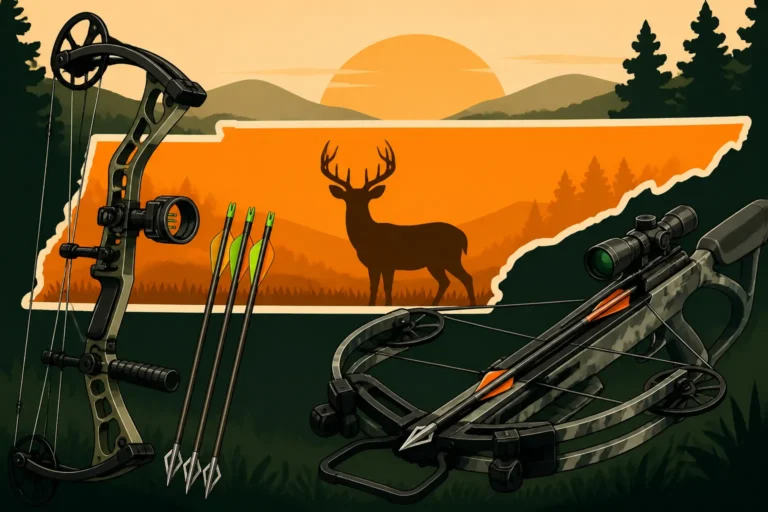
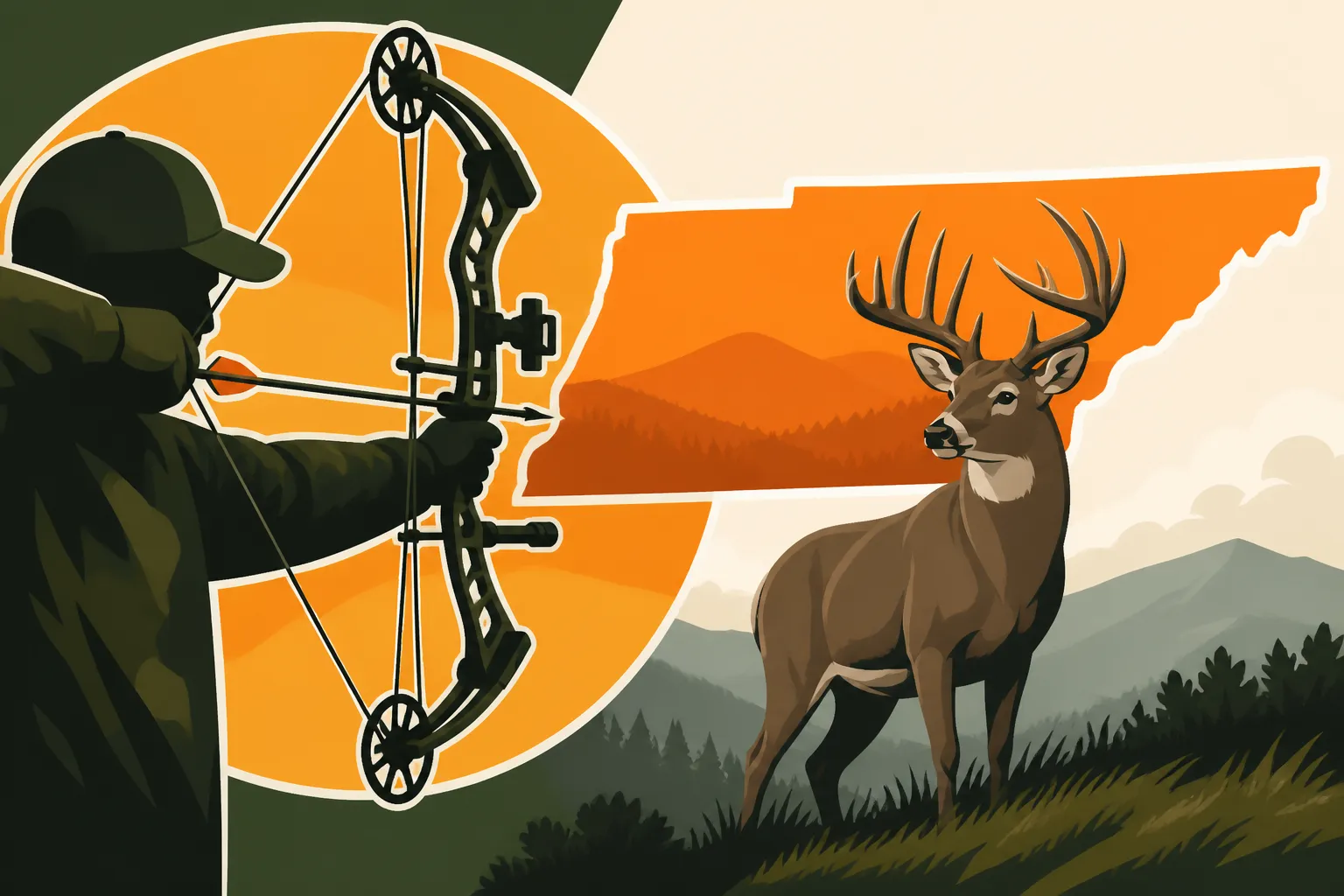
For deer hunting in Tennessee, the TWRA has clear guidelines regarding archery equipment. When you're heading out with a vertical bow – that means a traditional recurve, longbow, or a modern compound bow – the minimum draw weight is set to 30 pounds. This 30-pound minimum is designed to ensure that the arrow has enough force, or kinetic energy, to penetrate adequately and dispatch a deer quickly. It's not a suggestion; it's a hard and fast rule for the season.
Now, if you're considering a crossbow, the rules are slightly different. Crossbows, by their nature, store energy differently and are often held at full draw until the trigger is pulled. For crossbows, the TWRA requires a minimum draw weight of 100 pounds. This higher number reflects the different mechanics and capabilities of a crossbow compared to a vertical bow. It's all about ensuring sufficient power downrange. Regardless of your choice, make sure your equipment is up to snuff before Tennessee Archery Season Opening Day rolls around.
It's easy to get caught up in the latest gear trends, but these fundamental regulations are your starting point. You can always check the most current regulations directly on the TWRA's website or through their resources. As a seasoned hunter, I’ve seen folks show up to camp with bows that are clearly underpowered, and it’s a recipe for disappointment and, frankly, unethical hunting. Don't be that hunter.
The Rationale Behind the Regulations
So, why these specific numbers? It’s not arbitrary. The TWRA's regulations are based on extensive research and a deep understanding of ballistics and animal anatomy. The goal is to ensure that an arrow, propelled by the minimum legal draw weight, can achieve sufficient penetration to vital organs for a quick and humane kill. Think about it: a deer isn't a paper target. It has hide, muscle, bone, and organs, all designed to protect it. Your arrow needs to overcome these barriers efficiently.
The 30-pound minimum for vertical bows and 100-pound minimum for crossbows is a baseline. It's the absolute minimum to meet a certain level of kinetic energy and momentum required for a successful harvest. It’s also a way to prevent inexperienced or under-equipped hunters from taking to the field with gear that simply isn't up to the task. These regulations are a crucial part of responsible wildlife management, ensuring ethical hunting practices and reducing the number of wounded animals. It’s a collective responsibility we all share as hunters. This understanding also ties into broader discussions about Tennessee Hunter Education Requirements.
Beyond the Law: Why Draw Weight Truly Matters for Ethical Hunting
While legal minimums are important, they truly represent the bare minimum. As responsible hunters, our aim should always be to go beyond just what's legal and strive for what's ethical and most effective. This means understanding why draw weight matters, not just what the number is. It's about respecting the animal and ensuring you have the best chance for a clean, swift harvest.
Kinetic Energy and Arrow Penetration for Whitetails
Kinetic energy (KE) and momentum are two physics principles that are absolutely critical when we talk about arrow penetration. Simply put, kinetic energy is the energy of motion, and momentum is the mass of the arrow multiplied by its velocity. Both play a role in how effectively your arrow will drive through a deer. A higher draw weight generally translates to greater arrow speed, which means more kinetic energy and momentum.
For whitetails, especially mature bucks or larger does in Why West Tennessee Bottomland Grows Older Bucks, you need serious penetration. You might think, "Oh, a 30-pound bow is legal, so it's fine." And technically, it is. But consider a quartering-away shot, or hitting a shoulder blade, or even just dealing with the natural toughness of a deer's hide and muscle. That extra kinetic energy from a heavier draw weight can be the difference between a clean pass-through and an arrow that barely sticks, leaving you with a difficult, if not impossible, blood trail.
Many experienced hunters will tell you that while 30 pounds is legal, they wouldn't personally hunt deer with anything less than 40-50 pounds, and often more. It’s about creating enough force to achieve two holes (entry and exit) for a better blood trail and ensuring the broadhead can do its job effectively. This is where topics like Arrow Weight for Short Shots and Fixed Versus Mechanical Broadheads also come into play, as they work in conjunction with your draw weight to maximize penetration.
Shot Placement and the Importance of a Clean Pass-Through
Even with a powerhouse bow, poor shot placement leads to ethical failures. But when your draw weight is on the lower end of the spectrum, shot placement becomes even more critical, leaving less room for error. A slight misjudgment, a deer flinching, or an unforeseen twig can turn a potentially lethal shot into a superficial wound if your arrow lacks the punch to compensate.
A clean pass-through is the gold standard in archery hunting. It means the arrow travels completely through the animal, creating both an entry and an exit wound. This doubles the amount of blood lost internally and externally, leading to a faster expiration and, crucially, a much better blood trail for tracking. Anyone who's spent hours Blood Trailing After Dark in Tennessee knows the value of a strong blood trail.
With insufficient draw weight and kinetic energy, you risk poor penetration, meaning the arrow might not exit the animal. A single entry wound dramatically reduces the blood trail and makes recovery exponentially harder. It leaves a hunter with a heavy heart and a potentially lost animal. This is why pushing your draw weight to a level you can comfortably and accurately shoot is vital, well beyond the TWRA minimums. It’s about respecting the game and your own commitment to a humane harvest.
Finding Your Personal Sweet Spot: Matching Draw Weight to Your Abilities
So, if the legal minimum is just a starting point, how do you find the right draw weight for you? It's not about ego or pulling the heaviest bow in the shop. It's about finding the balance between maximum ethical power and your personal ability to shoot accurately and consistently. A powerful bow you can't control is far less effective than a slightly lighter bow you can shoot with pinpoint precision.
Assessing Your Physical Strength and Form
This is perhaps the most overlooked aspect of draw weight. Many new archers (and even some seasoned ones) focus too much on the number and not enough on their own body. Can you draw the bow smoothly and quietly? Can you hold it at full draw for 20-30 seconds without shaking? Can you repeat this process consistently, shot after shot, even when tired or cold?
The goal isn't just to be able to pull the bow back once. It's to do it fluidly, maintain perfect form, and execute a clean release under pressure, often after a long wait on a Hanging a Stand on a Cumberland Ridge or Treestand Setups in Cherokee National Forest. If drawing your bow is a struggle, your form will break down, your accuracy will suffer, and you'll introduce unnecessary movement that could spook a deer.
Start lighter than you think you need. Work with an archery pro at a local shop. They can help you assess your strength, teach proper form, and adjust your bow to a comfortable, effective weight. Remember, you can always increase your compound bow's draw weight as you get stronger, but trying to handle too much too soon is a recipe for bad habits and frustration.
The Role of Consistent Practice and Bow Tuning
Once you've settled on a draw weight that feels manageable, consistent practice becomes your best friend. Shooting regularly builds muscle memory, strengthens the specific muscles used in archery, and refines your form. The more you practice, the easier and smoother that draw will become, even at heavier weights.
Don't just fling arrows at a target at 20 yards. Practice from different positions – kneeling, standing, simulating drawing from a treestand. Practice in the clothes you'll hunt in. Practice in varying weather conditions. The goal is to make the draw and shot sequence feel automatic, no matter the circumstances. This is where the real skill comes in, not just the raw strength.
Bow tuning is also critical. A well-tuned bow, matched to the correct arrow spine and broadhead, will shoot more accurately and efficiently, making the most of the kinetic energy your draw weight provides. An experienced pro shop can help you tune your bow, ensuring everything is working together harmoniously. Without proper tuning, even a high draw weight might not deliver the accuracy and penetration you need.
Here’s a quick overview of typical draw weight ranges and their applications, keeping in mind individual ability is paramount:
| Bow Type | Minimum Legal (Tennessee) | Recommended Minimum (Ethical) | Common Hunter Range | Notes |
|---|---|---|---|---|
| Compound Bow | 30 lbs | 40-50 lbs | 50-70 lbs | Adjustable; excellent for energy storage and accuracy |
| Recurve Bow | 30 lbs | 40-50 lbs | 40-60 lbs | Less let-off; consistent strength required throughout the draw |
| Longbow | 30 lbs | 40-50 lbs | 40-60 lbs | Most traditional; very form-dependent; no let-off |
| Crossbow | 100 lbs | 100+ lbs | 100-200 lbs | Held at full draw; higher energy; mechanical assistance for cocking |
As you can see, while the legal minimum is 30 lbs for vertical bows, most ethical hunters aim for a higher draw weight to ensure a more effective and humane harvest. Resources like GoHunt can be invaluable in connecting with local archery shops or finding hunting forums where you can discuss these nuances with other Tennessee hunters, or to prepare for Scouting Tennessee Public Land Before Season.
Common Bow Types and Their Draw Weight Considerations
Understanding the different types of bows you might use for hunting deer in Tennessee is essential, as each has unique characteristics that affect how draw weight feels and performs. Whether you're a traditionalist or a modern archery enthusiast, knowing your equipment inside and out will lead to more success and more ethical hunts.
Compound Bow Adjustments
Compound bows are incredibly popular among deer hunters, and for good reason. Their system of cams and cables offers a significant mechanical advantage, allowing hunters to hold a high draw weight at full draw with much less effort due to "let-off." This let-off can be anywhere from 60% to 90%, meaning if you have a 70-pound draw weight, you might only be holding 10-20 pounds at full draw. This makes it much easier to aim precisely and hold steady when a deer finally presents a shot.
A major advantage of compound bows is their adjustability. Most compound bows allow you to adjust the draw weight within a significant range, often 10-20 pounds, sometimes more, simply by turning a bolt or adjusting the limbs. This means you can start at a lower, more comfortable weight, like 40 or 50 pounds, build your strength and refine your form, and then gradually increase it as you become more proficient. This flexibility is fantastic for beginners and for maintaining shooting muscles throughout the off-season. When choosing between different options, check out our guide on Bow and Crossbow Setups for Tennessee.
When it comes to the minimum draw weight for Tennessee deer, a compound set at 30 pounds will meet the legal requirement. However, for the reasons discussed earlier regarding kinetic energy and penetration, many hunters prefer to be in the 50-70 pound range for deer. This gives them ample power for clean pass-throughs, even on less-than-perfect shot angles or through heavier bone. Always make sure your bow is properly tuned for the draw weight you're shooting, and consider your Bow Draw Weight for Tennessee Whitetails carefully.
Recurves and Longbows
Traditional bows, such as recurves and longbows, offer a different hunting experience. These bows do not have cams or let-off, meaning you are holding the full draw weight throughout the entire draw cycle and at full draw. If you're shooting a 45-pound recurve, you're holding all 45 pounds when you release the string. This requires more consistent strength and a very disciplined shooting form.
For traditional archers, the 30-pound minimum for Tennessee deer hunting still applies. However, because there's no let-off, pulling a traditional bow accurately at heavier weights takes significantly more practice and physical conditioning. Many traditional bowhunters choose draw weights in the 40-60 pound range, focusing intensely on form and shot placement to ensure ethical harvests. They often favor heavier arrows and specific broadhead designs to maximize penetration from these bows.
If you're new to traditional archery, start with a much lower draw weight, perhaps 25-30 pounds, to learn proper form and build muscle memory before stepping up to hunting weights. It's a journey, not a sprint. The beauty of traditional archery lies in its simplicity and the connection it fosters with the history of hunting, but it demands a higher level of personal commitment to physical conditioning and consistent practice. Whether you choose a modern compound or a classic longbow, ensure you're practicing regularly and perhaps even looking for local archery clubs through resources like GoHunt to hone your skills.
Ultimately, the best draw weight for you is one that you can confidently and consistently pull, hold, and release with accuracy, knowing that it provides sufficient power for a quick, ethical harvest. Don't let ego dictate your choice; let ethics and accuracy guide you.
Disclaimer
This article is for general informational purposes only and does not constitute professional advice. Laws, prices and regulations vary by location and change over time. Consult a qualified professional for guidance on your specific situation.