Bear Bait Barrels and Site Gear
The thrill of chasing a Tennessee black bear can be an incredible experience, but let's be honest, getting these notoriously elusive animals to show themselves can be a real challenge. You scout, you hike, you spend hours on stand, and sometimes it feels like they're just ghosts in the woods. This guide is all about equipping you with the knowledge and gear to set up an effective bear bait site, helping you understand the regulations, choose the right equipment, and increase your chances of a successful encounter.
Understanding Tennessee's Bear Baiting Regulations
Before you even think about buying a barrel or a single morsel of bait, you absolutely must understand the specific laws governing bear baiting in Tennessee. This isn't just a suggestion; it's a legal requirement that can land you in serious trouble if overlooked. Many hunters mistakenly assume that baiting is universally legal for bears, but the truth is, it's highly regulated and restricted to specific zones and seasons. It's a prime example of how crucial it is to read the latest hunting guide cover-to-cover every year.
Where Bear Baiting is Permitted
Tennessee doesn't allow bear baiting statewide, and that's a key distinction. The state's bear management is divided into zones, and regulations can differ significantly between them. Generally, baiting is not permitted in or near the highly populated Great Smoky Mountains area or specific bear reserves. Instead, it's typically allowed in some of the more remote, rugged areas of the Cherokee National Forest, often within designated bear hunting zones. Knowing your specific Tennessee's Three Bear Hunting Zones and their associated rules is paramount. What might be legal in the northern part of the Cherokee National Forest could be strictly prohibited just a few counties south. Always double-check the current hunting proclamation for the exact counties and wildlife management areas (WMAs) where baiting is explicitly allowed.
For instance, in certain parts of Bear Zone One, which covers portions of Northeast Tennessee, baiting might be permitted under specific conditions. However, in other zones, particularly Bear Zone Two near the Smokies, you'll find much stricter rules, often prohibiting baiting entirely to protect the sensitive bear population and reduce human-bear conflicts. It's not enough to know the zone; you need to pinpoint the specific WMA or county you plan to hunt and verify its unique regulations.
Permissible Baits and Baiting Practices
Once you've confirmed that you're in a legal baiting area, the next step is understanding what you can use as bait and how you can deploy it. Tennessee regulations are often very specific about the types of food items allowed and the manner in which they must be presented. Generally, non-meat products are preferred, and regulations often specify that bait must be placed in a way that is inaccessible to non-target animals, particularly domestic animals or protected wildlife. This is where a proper bear bait barrel comes into play – it's designed to contain the bait and control its release.
Commonly used baits include corn, pastries, dog food, and various sweets. However, there are often restrictions on things like chocolate, which can be toxic to bears in large quantities, or certain pungent human foods that might attract unwanted attention. The amount of bait allowed per site, the minimum distance from roads or public access points, and the requirement to remove all bait and equipment after the season are also critical aspects of responsible baiting. It's not just about attracting bears; it's about doing so in an ethical and legal manner that minimizes negative impacts on the environment and other wildlife. Always check if there are specific requirements for how frequently you can refresh the bait or if there's a required period before the season opens that you can begin baiting.
Choosing and Preparing Your Bear Bait Barrel
The bear bait barrel isn't just a container; it's a critical piece of your bear hunting strategy. It needs to be durable, secure, and designed to withstand the incredible strength and ingenuity of a black bear. There's a reason you can't just throw a plastic trash can out there and call it a day – bears will make short work of anything less robust. Your barrel needs to control scent, protect the bait from smaller critters, and most importantly, endure repeated assaults from a hungry bear.
Barrel Types and Materials
When it comes to bear bait barrels, you generally have a few main options, each with its pros and cons. The most common and robust choice is a heavy-gauge steel drum, often a repurposed 55-gallon oil or chemical drum (cleaned thoroughly, of course). These are incredibly durable and can take a beating. Plastic drums, while lighter and easier to transport, are generally less resistant to a determined bear's claws and teeth unless they are of extremely thick, specialized construction.
| Barrel Type | Material | Pros | Cons |
|---|---|---|---|
| Steel Drum | Steel | Very durable, bear-resistant, long-lasting | Heavy, can be noisy, requires modification, rusts |
| Plastic Drum | Heavy-duty plastic | Lighter, quieter, rust-proof, easier to modify | Less bear-resistant than steel, can crack in cold |
| Specialized Bear Canister | Hard plastic/metal | Highly bear-resistant, often designed for specific use | Smaller capacity, often more expensive, not always for baiting |
For a serious bait site, a steel drum is usually the way to go. You'll often find them used or repurposed, which can save on cost. Make sure any drum you use has never contained hazardous materials; food-grade drums are ideal if you can find them. The primary goal is strength and longevity, as you don't want to be replacing your barrel every season, or worse, finding it shredded and your bait scattered after the first bear visit.
Barrel Modifications for Bear Baiting
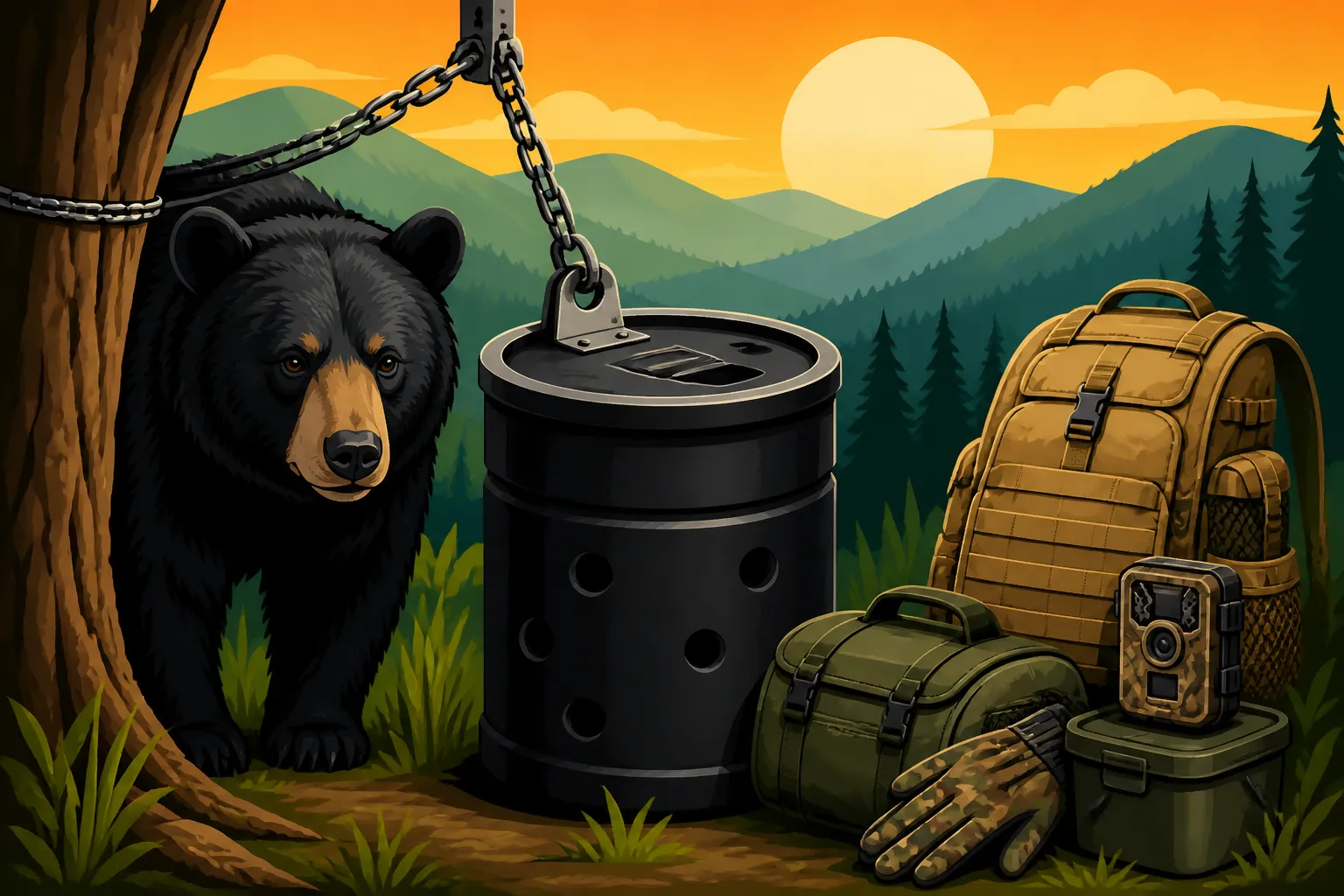
A raw drum, whether steel or plastic, isn't ready for bear baiting straight out of the gate. It needs modifications to make it effective and legal. The most crucial modification is creating openings that allow bears to access the bait slowly, forcing them to work at it and keeping them engaged at the site. This also helps spread the scent over time, drawing in bears from a wider area. Often, hunters will drill several 2-inch to 4-inch holes around the barrel, or cut larger, irregular openings. The key is to make it challenging, not impossible.
Another common modification involves securing the lid. Bears are experts at prying things open. You'll want to weld or bolt the lid shut, leaving only a smaller, secure opening for refilling bait. Some hunters will use heavy-duty chains or cables to keep the lid fastened, perhaps with a padlock. Beyond the lid, you’ll also need to consider how the barrel will be secured to a tree or other immovable object. Bears will absolutely roll a loose barrel away or drag it off. Heavy chains, lag bolts, or even rebar driven through holes in the barrel and into the ground are common methods. The goal is to make it as immovable as possible, forcing the bear to stay in a specific area to work the bait, which provides you with consistent stand opportunities. Think like a bear: if it can be moved, it will be.
Essential Site Gear for a Successful Bait Station
Beyond the barrel itself, setting up a productive bear bait site requires a suite of other gear. This isn't just about attracting bears, but also about monitoring their activity, making your approach and exit stealthy, and ensuring your site remains secure and effective throughout the season. You're building a system, not just dumping some food.
Trail Cameras and Monitoring Tools
Trail cameras are arguably the most indispensable piece of "site gear" after the barrel itself. They are your eyes and ears in the woods, giving you crucial intelligence without having to constantly visit the site and leave your scent. With trail cameras, you can:
- Confirm Bear Activity: Is anything actually visiting your bait?
- Identify Individual Bears: Are you seeing the same bear, or multiple? Are they sows with cubs (which you typically can't harvest)?
- Determine Visit Times: When are the bears most active? This directly influences your stand times.
- Assess Bait Consumption: How quickly is the bait being eaten? This tells you how often you need to replenish.
I've learned to rely on quality trail cameras, especially those with good low-light performance and fast trigger speeds. Brands like Browning, Bushnell, and Reconyx are popular choices, but there are many solid options out there. Some even offer cellular capabilities, sending images directly to your phone, which can be a game-changer for minimizing disturbance at the bait site. You don't want to walk in on your bait every day to check a card. Remember to secure your cameras with locking cables, as unfortunately, theft can be an issue on public lands. Place your cameras strategically, aiming them at the barrel from a slight angle to capture a clear view of the bear as it interacts with the bait. This will also give you an idea of shot angles from your chosen stand location. Checking your cameras frequently but sparingly is the art here. Trail Cameras on Tennessee Public Land covers more details on their proper use.
Scent Control and Stealth Accessories
Minimizing human scent at your bait site is absolutely critical. Bears have an incredible sense of smell, far superior to deer, and any lingering human odor can quickly make a site unproductive. This means treating every visit to your bait site like a hunt. Wear clean hunting clothes, spray down with a quality scent eliminator, and be mindful of wind direction when approaching.
In addition to personal scent control, consider these accessories:
- Rubber Boots: Essential for approaches, as they carry less scent and keep your scent profile low to the ground.
- Gloves: Always wear gloves when handling the barrel or bait to avoid transferring human scent.
- Bait Handling Tools: Use shovels, scoops, or even a dedicated bucket for bait rather than your bare hands.
- Scent Wafers/Lures: While bears are attracted by the food, some hunters use additional commercial bear lures or attractants designed to appeal to a bear's curiosity or hunger. These can often be hung in trees around the site to broaden the scent cone.
- A Quiet Transport Method: Dragging bait barrels and heavy bags of feed can be noisy. A sturdy game cart, particularly one with pneumatic tires, can help you get gear in quietly and efficiently without leaving a heavy human trail. This is especially important if you're working far back on a WMA like the Cherokee National Forest.
Every action you take at a bait site should be geared towards being as invisible as possible. A bear that smells you is a bear that won't show up during legal shooting hours.
Setting Up Your Bear Bait Site Strategically
Placement is everything when it comes to a bear bait site. You're not just looking for a convenient spot; you're looking for a location that maximizes bear encounters while remaining secure and accessible to you (quietly, of course). This involves careful consideration of the surrounding habitat, natural travel corridors, and your stand placement.
Location, Location, Location
Choosing the right location for your bear bait site goes far beyond simply finding a legal spot. You want to place your bait in an area that bears are already using, or where they are likely to travel. Think about:
- Bear Sign: Are there scat, tracks, claw marks on trees, or overturned rocks nearby? This is the most direct indicator of bear presence. Using mapping tools like GoHunt can help you scout remotely for potential areas of thick cover, water sources, and mast crops that would naturally draw bears.
- Thick Cover: Bears thrive in dense, secluded areas. Placing your bait near thickets, laurel slicks, or regenerating clear-cuts provides them with security cover from which they can approach the bait unobserved. This makes them feel safe and more likely to visit during daylight hours.
- Water Sources: Bears, like all wildlife, need water. A bait site near a reliable creek, spring, or even a damp draw can be a natural magnet, especially in drier periods.
- Travel Corridors: Identify natural funnels, ridge lines, or old logging roads that bears might use to move between feeding and bedding areas. Placing your bait along or near one of these corridors will intercept bears as they move. For hunters operating in Bear Hunting Cherokee National Forest, these travel patterns are especially important due to the rugged terrain.
Avoid placing your bait in wide-open areas or too close to active human disturbance. While a bear might visit an open area at night, daytime visits are far less likely if they don't feel secure. Also, be mindful of prevailing winds to ensure your scent isn't blowing directly into a bear's likely approach path from your stand.
Integrating Your Stand Placement
Your bear bait site isn't complete without a strategically placed stand. This is where your scouting and setup merge for a successful hunt. You need to consider several factors to ensure you have a safe, comfortable, and effective vantage point.
- Wind Direction: This is paramount. Always hunt with the wind in your favor, blowing your scent away from the bait site and the bear's approach routes. This often means having multiple stand options or being prepared to move based on daily wind conditions.
- Shooting Lanes: Clear shooting lanes to the bait barrel are essential. While you want some cover, make sure branches aren't obstructing a clean shot at a vital area. Bears can be surprisingly quick, and you'll often have a limited window for a shot.
- Entry and Exit Routes: Plan your approach and departure paths carefully. These routes should minimize disturbance to the bait site. Avoid walking directly through the area where a bear would typically approach. Try to use natural terrain features, thick cover, or even a creek bed to mask your presence. This is also where knowing how to navigate backwoods terrain, like described in Packs for a Cherokee Forest Day Hunt, becomes crucial.
- Sun Angle: Consider the sun's position throughout the day. You don't want the sun directly in your eyes during prime hunting hours, nor do you want harsh shadows that might make it difficult to identify your target or take a clear shot.
When choosing a tree for your stand, look for one that offers good cover and height, but also stability. A quality treestand or saddle system is important for safety and comfort, especially during long sits. Remember, a bear might not visit for hours, so being comfortable and quiet in your stand is key.
Maintaining Your Bear Bait Site and Ethical Considerations
Setting up the bait site is only half the battle; maintaining it properly throughout the season is crucial for consistent success. This also means adhering to ethical practices that prioritize the well-being of the bears and the integrity of the hunt. Remember, you're interacting with powerful wild animals, and responsibility is key.
Regular Bait Replenishment
Bears are intelligent and quickly learn when a food source is reliable. Regular, consistent replenishment of your bait barrel is vital to keep them coming back. If your bait runs out, bears will move on to other food sources, and it can take time and effort to re-establish their pattern.
- Frequency: How often you need to replenish depends on bear activity and the time of year. Early in the season, when fewer natural food sources are available, bears might clean out a barrel quickly. Later, as mast crops ripen, visits might be less frequent. Trail camera data (from tools like those you might use with GoHunt for scouting) will give you the best indication of consumption rates. Some regulations specify a minimum or maximum frequency for replenishment.
- Quantity: Don't just dump a small handful of bait. Fill your barrel to a reasonable capacity to ensure it lasts between visits. However, also avoid excessive bait that could spoil or attract unwanted nuisance animals. It’s a balance.
- Timing: Try to replenish your bait during the middle of the day, when bears are typically less active. This minimizes your chances of bumping into a bear and reducing disturbance during prime feeding hours (dawn and dusk). Always be quiet and cautious during replenishment, treating it as if a bear could be watching.
The goal is to establish a routine that makes your bait site a dependable food source for the bears, encouraging them to visit regularly and providing you with consistent opportunities.
Respecting Bears and the Environment
Hunting, especially baiting, comes with a profound responsibility to the animals and the environment. This isn't just about following the law; it's about being a good steward.
- Carcass Removal: If you're successful, ensure you know how to Handling a Bear After the Shot and properly remove the carcass. Leave no trace.
- Site Cleanup: At the end of the season, or if you decide to abandon a site, every piece of equipment, every scrap of bait, and any trash must be removed. Leaving barrels, chains, or bait to rot in the woods is unethical and can cause problems for other wildlife and land users.
- Non-Target Animals: While bear bait barrels are designed to deter smaller animals, you might still encounter raccoons, opossums, or even coyotes. Be aware of what your bait is attracting and understand that you are influencing the local ecosystem. Avoid any practices that could harm non-target species.
- Public Perception: Bear hunting, particularly with bait, can sometimes face scrutiny from the non-hunting public. Practicing ethical and responsible baiting helps maintain a positive image for hunting and ensures these opportunities remain available for future generations.
By understanding and adhering to the regulations, choosing the right gear, setting up strategically, and maintaining your site ethically, you're not just increasing your chances of harvesting a bear; you're contributing to a healthy hunting tradition in Tennessee. It takes effort, patience, and a deep respect for the wild, but the rewards of a successful bear hunt are truly unforgettable.
Disclaimer
This article is for general informational purposes only and does not constitute professional advice. Laws, prices and regulations vary by location and change over time. Consult a qualified professional for guidance on your specific situation.