How Many Coyotes Tennessee Has
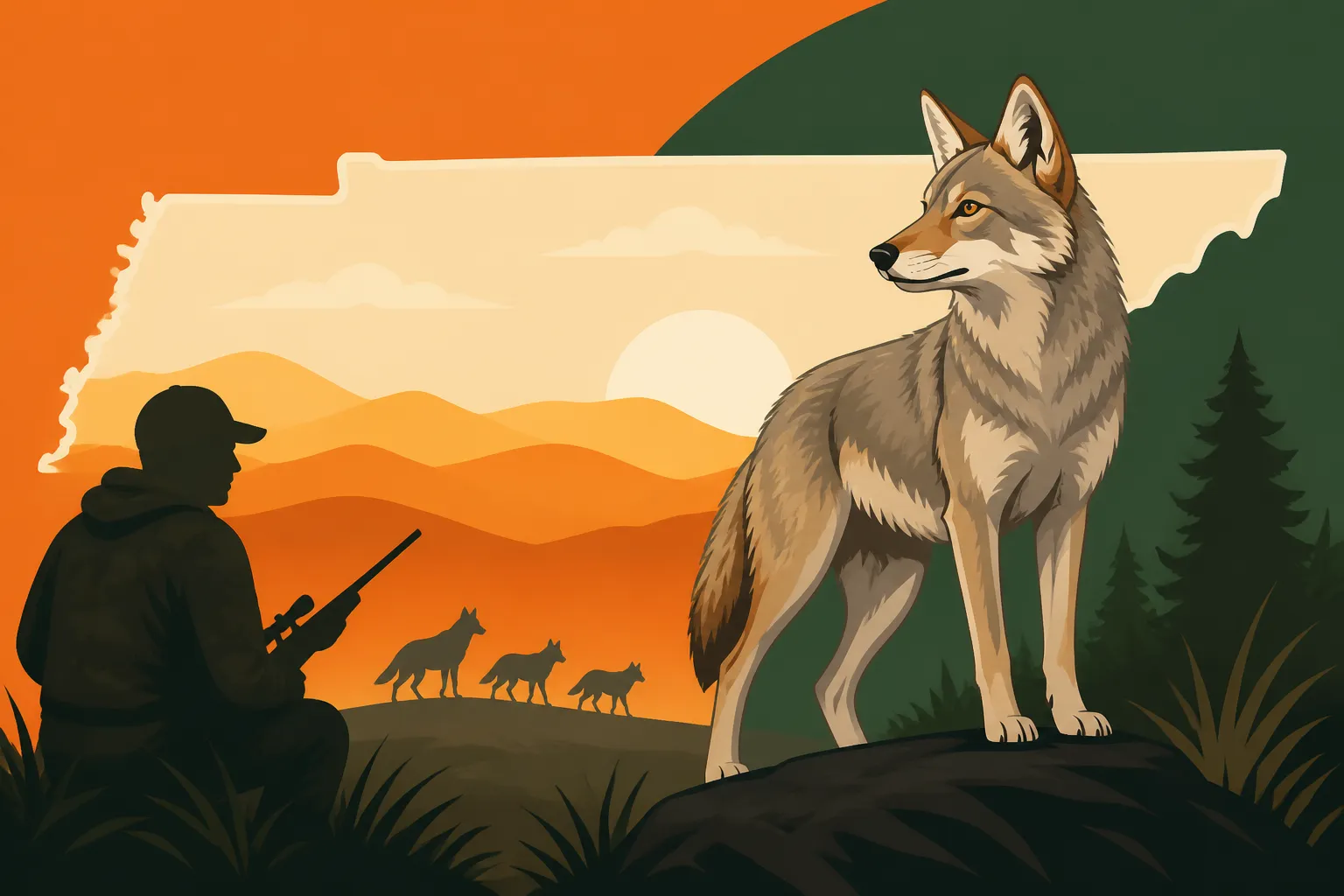
It’s a question that echoes through deer camps and whispers across farm fields: just how many coyotes are running around Tennessee? For many hunters and landowners, it feels like they’re absolutely everywhere, a shadowy presence that influences everything from deer fawn survival to small game populations. This guide isn't just going to give you a number, because honestly, that's almost impossible to pin down. Instead, we'll dive deep into what we do know about Tennessee's coyote population, their significant impact, and what that means for hunters.
Understanding Tennessee's Coyote Population
When you're out in the Tennessee woods, whether it's the rolling hills of the Highland Rim or the dense bottomlands of West Tennessee, you often hear them. That distinctive chorus of yips, howls, and barks. It's a sound that tells you coyotes are undoubtedly present, and in significant numbers. But trying to put an exact figure on "how many" is akin to counting individual leaves in a forest – a nearly impossible task that changes with every gust of wind.
Unlike deer or turkey, which have specific harvest reporting requirements and various survey methods like spotlight counts or brood surveys, coyotes aren't managed with the same rigorous population tracking. They don't have tags, specific seasons, or bag limits in the traditional sense, which makes precise census data hard to come by. Their incredible adaptability and rapid reproduction rates mean that even if you could get a snapshot, it would be outdated almost immediately. What we can say with confidence is that coyotes are firmly established in every single county across Tennessee, from the peaks of the Appalachians to the Mississippi River floodplain.
Why an Exact Number is Elusive
The primary reason we can't give you a precise tally of coyotes in Tennessee is quite simple: they're not a species that lends itself well to traditional wildlife surveys designed for other game animals. Deer, for example, can be counted through aerial surveys in open country, spotlight surveys at night, or by analyzing harvest data. Turkeys have roadside brood surveys and identifiable roosting habits. Coyotes, on the other hand, are masters of stealth, often nocturnal, and incredibly wary of human presence. They don't congregate in large, easily countable groups, and their elusive nature makes direct observation difficult.
Furthermore, their reproductive strategy means their numbers can fluctuate wildly throughout the year. A female coyote can have a litter of five to seven pups, sometimes more, and these pups quickly grow to disperse and establish their own territories. This rapid turnover and population growth mean that even if a perfect survey could be conducted, the number would change significantly within months. The dynamic nature of their population, coupled with the challenges of accurately counting a highly mobile and intelligent predator, means wildlife agencies focus more on understanding trends and impacts rather than a specific numerical count. It's about knowing they're abundant and widespread, and managing the effects of that abundance.
Estimating Coyote Presence: A Look at Indicators
While a precise head count might be out of reach, wildlife biologists and agencies rely on a variety of indicators to understand coyote presence and population trends. These aren't exact numbers, but they paint a clear picture of just how established coyotes are throughout the state. One of the most telling indicators is the sheer volume of incidental sightings by hunters, farmers, and rural residents. Nearly everyone who spends time outdoors in Tennessee has a story of seeing or hearing coyotes.
Another significant indicator comes from hunter harvest data, even though coyotes don't have mandatory reporting. Many hunters harvest coyotes while deer hunting, turkey hunting, or specifically predator hunting, and some choose to report these incidental takes. Predator hunting contests, while sometimes controversial, also provide data points on how many coyotes can be harvested in specific areas over a given period, hinting at underlying population densities. Additionally, roadkill statistics, depredation reports from livestock owners, and even camera trap surveys contribute to the overall understanding. When you piece all these anecdotal and statistical fragments together, the consensus is clear: coyotes are thriving and their numbers are significant, likely in the tens of thousands, if not more, across the state. Using tools like a mapping app, perhaps even GoHunt, can help you identify areas of dense cover or likely travel corridors where coyote activity might be higher based on terrain and past observations.
| Indicator Type | What it Tells Us About Coyotes | Accuracy for Exact Numbers | Utility for Hunters/Landowners |
|---|---|---|---|
| Hunter Sightings | Widespread presence, perceived high numbers | Low | Indicates areas of active coyote presence |
| Hunter Harvests | Minimum population levels, regional density trends | Medium | Suggests areas where predator hunting might be fruitful |
| Roadkill Reports | General distribution, areas of high traffic/coyote interaction | Medium | Helps identify major travel routes and active zones |
| Depredation Reports | Localized problem areas, impact on livestock | Low (specific to problem areas) | Alerts to areas where coyotes might be aggressively seeking food |
| Scat and Track Sign | Presence in specific locales, activity levels | Low (localized) | Excellent for scouting individual hunting areas, identifying travel paths |
| Vocalizations | Active presence, communication patterns | Low (localized) | Confirms coyotes are in the area, can be used for calling strategies |
The Impact of Coyotes on Tennessee's Ecosystem and Hunting
The arrival and subsequent proliferation of coyotes in Tennessee have had a ripple effect across the state's ecosystems. For generations, the top terrestrial predators were largely absent or severely diminished, allowing certain prey species, particularly deer, to thrive unchecked. With coyotes now firmly entrenched, they've filled a significant ecological niche, reintroducing a layer of predation that hadn't been widely experienced in decades. This shift impacts not only the prey species they hunt but also other predators and the overall balance of the local environment.
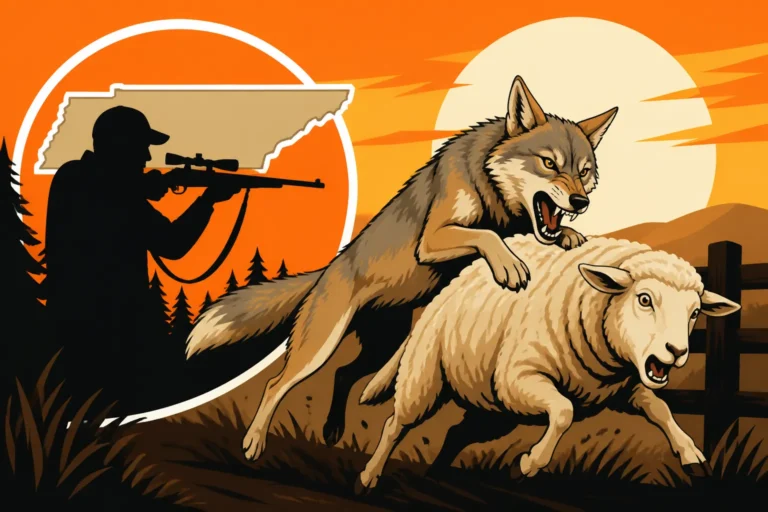
Hunters, in particular, have felt this impact keenly. Stories abound of disappearing fawns, fewer rabbits, and even challenges to turkey populations, all attributed, at least in part, to the coyote's presence. Understanding these dynamics isn't just academic; it helps shape hunting strategies, management goals, and conservation efforts across the state. It forces us to think differently about how we manage our game species and the role of predators within that equation.
Predation Pressure on Deer and Small Game
One of the most significant concerns for Tennessee hunters and wildlife managers alike is the impact coyotes have on deer and small game populations. Coyotes are incredibly opportunistic predators. While they will certainly take adult deer if the opportunity arises, especially weakened, sick, or injured animals, their primary impact on deer numbers comes through fawn predation. During the spring fawning season, young fawns are incredibly vulnerable, spending their first few weeks hidden and relatively immobile. Coyotes are adept at finding these hidden fawns, and studies in various regions have shown that fawn survival rates can be significantly reduced where coyote populations are high. This doesn't necessarily mean fewer adult deer overall, but it can certainly affect recruitment into the adult population, potentially leading to fewer young bucks and does entering the hunting pool a couple of years down the line. To learn more about this, you might find Tennessee Predator Impact on Fawn Recruitment a very interesting read.
Beyond deer, coyotes are also major predators of small game. Rabbits, in particular, are a staple of the coyote diet, especially during lean times. They'll also readily prey on squirrels, groundhogs, and even wild turkey poults and nests. For those who enjoy Rabbit Hunting Tennessee Fencerows or chasing squirrels, an abundance of coyotes can sometimes mean a noticeable dip in these smaller game animals in certain localized areas. It's a complex dynamic, and while coyotes are just one factor among many (habitat loss, disease, weather also play huge roles), their predatory pressure is undeniably a significant force in Tennessee's wildlife landscape.
Competition with Other Predators
Coyotes haven't just re-established a predatory role; they've also entered a complex web of interactions with other predators that call Tennessee home. Before their widespread return, bobcats were often the primary mid-sized predator in many areas, along with various raptors. Now, coyotes are in direct competition with these species for food resources, particularly small mammals like rabbits and rodents. This competition can sometimes lead to what biologists call "mesopredator release," where the presence of a dominant predator (like coyotes) can sometimes suppress the populations of smaller predators. However, in Tennessee, we're seeing more of an overlap and shared territory, with each species adapting to coexist.
For example, while bobcats and coyotes might target similar prey, bobcats tend to be more solitary and prefer denser cover, hunting with ambush tactics, whereas coyotes are often more wide-ranging and may hunt in small packs. Tennessee Coyote Range and Density helps illustrate how widely distributed these animals are, putting them into contact with many other species. Even with larger predators like black bears, while there's not direct competition for prey in the same way, coyotes certainly play a role in the overall ecosystem's food chain, affecting the availability of carrion and smaller animals that bears might also opportunistically consume. It’s a dynamic, ever-changing balance where each species carves out its niche, but the coyote's aggressive and adaptable nature means it often comes out on top in many situations.
Coyote Management and Hunting Opportunities in Tennessee
Given their widespread presence and the impact they have on other wildlife, many Tennessee hunters and landowners are eager to know how to manage coyote populations or, at the very least, how to capitalize on hunting opportunities. The good news is that Tennessee offers a very liberal approach to coyote hunting, recognizing their status as a non-game animal that can be taken year-round by licensed hunters. This open season reflects a general understanding that coyotes are abundant and that their removal can sometimes provide localized relief for prey species.
However, it's important to remember that hunting coyotes, while effective on a local scale, rarely has a significant impact on the overall state population due to their rapid reproduction and ability to quickly fill any vacated territories. Nevertheless, it offers a challenging and rewarding pursuit for hunters, contributes to local wildlife management efforts, and for many, it's simply a way to spend more time in the woods when other seasons are closed. Whether you're trying to reduce pressure on a deer herd or just looking for a new hunting challenge, Tennessee provides ample opportunity. Before heading out, always make sure your Tennessee Hunting Licenses and What They Cost are up-to-date.
Hunting Regulations and Opportunities
Tennessee’s regulations concerning coyote hunting are notably open, reflecting the state's stance on managing this ubiquitous predator. Generally, coyotes can be hunted year-round, day or night, by anyone holding a valid Tennessee hunting license. This provides immense flexibility for hunters who want to pursue them outside of traditional big game seasons. However, there are some important considerations: if you're hunting coyotes during an open deer or turkey season, you must still abide by all the regulations for those species, including blaze orange requirements during gun seasons. Additionally, specific rules apply to certain public lands, like Wildlife Management Areas (WMAs), so always check WMA-specific regulations before you go.
Night hunting for coyotes is also popular, and while generally permitted, it does come with its own set of rules and safety considerations, especially regarding artificial lights and firearms. For specific details on these nighttime pursuits, you'll want to consult Night Hunting Rules for Tennessee Coyotes. The freedom to pursue coyotes year-round provides a fantastic opportunity for hunters to hone their skills in calling, tracking, and stealth. It's a great way to stay active in the field, learn more about predator behavior, and potentially alleviate some pressure on local deer and small game populations, especially during crucial fawn-rearing or nesting periods.
Strategies for Coyote Hunting
Successful coyote hunting in Tennessee often boils down to a combination of effective scouting, smart setup, and skillful calling. Coyotes are incredibly intelligent and wary, so simply walking through the woods hoping to stumble upon one is rarely productive. Before you even head out, spend time scouting your chosen area. Look for tracks, scat, and other signs of coyote activity, paying attention to creek bottoms, field edges, and natural travel corridors. Using satellite imagery on a mapping app like GoHunt can be invaluable here, helping you identify pinch points and likely ambush locations. You can even use the mapping features to mark potential setups based on wind direction and terrain.
Once you've identified a promising area, your setup is crucial. You'll want to choose a location that offers good visibility downwind, as coyotes will almost always circle to get your scent. Concealment is key, whether you're using natural cover, a ground blind, or a treestand (where permitted). When it comes to calling, a variety of techniques can be effective. Distress calls, mimicking a wounded rabbit or bird, are often the most common and can bring coyotes in close. Howling can also be used to locate coyotes or challenge a dominant animal. Electronic calls offer a wide range of sounds and can be very effective, but hand calls require more skill and can be just as deadly. For more in-depth techniques, especially in agricultural areas, Coyote Calling in Tennessee Farm Country is an excellent resource. Remember, patience is a virtue in coyote hunting, and often, the most successful hunters are those who can sit still, remain silent, and read the subtle cues of the landscape.
Disclaimer
This article is for general informational purposes only and does not constitute professional advice. Laws, prices and regulations vary by location and change over time. Consult a qualified professional for guidance on your specific situation.