Best-Eating Game in Tennessee
The debate over which wild game tastes the "best" is a time-honored tradition around campfires and supper tables across Tennessee. Many hunters wrestle with how to consistently get the most delicious meals from their harvest, often facing tough, gamy meat that disappoints. This guide will dive deep into what truly defines "best-eating" when it comes to Tennessee's wild game, explore the top contenders, and share critical tips for field care and cooking to ensure every hunt ends with a truly exceptional meal.
Understanding What Makes Game Meat "Best-Eating"
When we talk about "best-eating" game, it’s not just about one single factor. It's a complex blend of elements, many of which you, as a hunter, can influence from the moment you pull the trigger. Dismissing game meat as "too gamy" often comes down to misunderstandings about these critical components.
Factors Beyond Just Flavor: Tenderness, Texture, and Versatility
Flavor is undoubtedly important, but tenderness and texture play equally significant roles in a truly enjoyable eating experience. Think about it: even the most flavorful cut can be a chore to eat if it's as tough as shoe leather. Tenderness is heavily influenced by the animal's age, its diet, and how quickly and thoroughly the meat is cooled and processed after the harvest. Younger animals generally yield more tender meat.
Texture, on the other hand, refers to the mouthfeel. Is it fine-grained or coarse? Is it juicy or dry? This can vary significantly between species and even different cuts on the same animal. For instance, the breast meat of a wild turkey is lean and finely textured, while the leg meat is dark and stringier, requiring different cooking approaches. Versatility is also key; the "best" game meat can be prepared in a multitude of ways, from quick searing to slow braising, adapting to different culinary desires.
The Impact of Diet and Habitat on Taste
The old adage "you are what you eat" holds profoundly true for wild game. An animal's diet and its specific habitat directly influence the flavor profile of its meat. A deer that has been feasting on lush acorns in a hardwood bottom will often taste distinctly different from one that has spent its life browsing on pine shoots and woody browse in the mountains. This is why hunters often notice regional differences in taste for the same species.
Consider a whitetail deer from the fertile river bottoms of West Tennessee versus one from the rugged Cumberland Plateau Ridgelines. The varied diet in the lowlands, often including agricultural crops, can result in a milder, richer flavor. Conversely, game from areas with a high concentration of pungent plants might acquire a more pronounced "gamey" taste. Understanding these dietary influences can even help you pinpoint areas where deer might have a more desirable flavor profile. Tools like GoHunt can help you scout for prime habitats, identifying areas rich in specific food sources that contribute to excellent meat quality.
Top Contenders for Tennessee's Best-Eating Game
Tennessee offers a smorgasbord of game animals, each with its unique culinary appeal. While individual preferences will always exist, some species consistently rank high on the "best-eating" list for many hunters.
The Ubiquitous Whitetail Deer
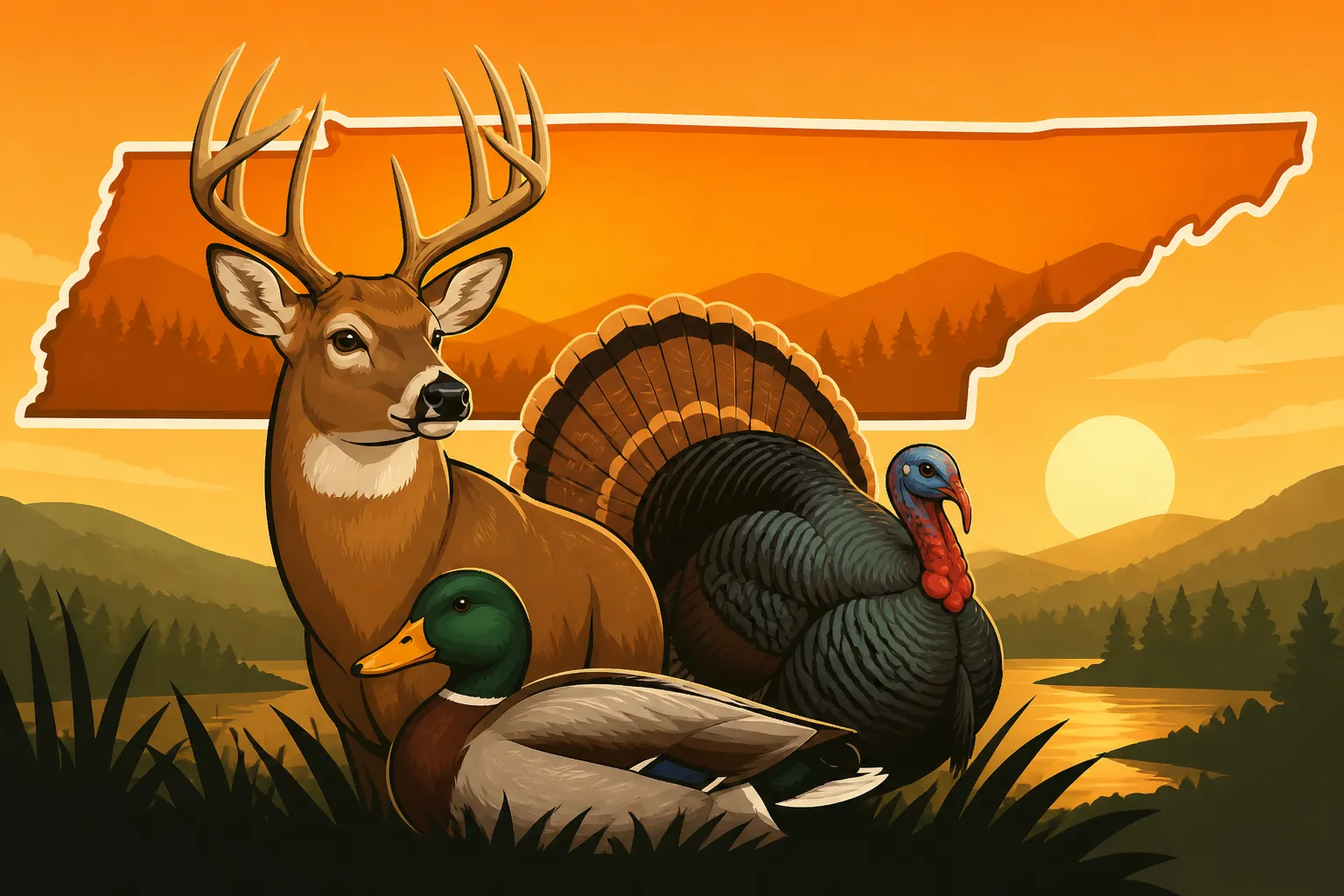
Without a doubt, white-tailed deer are the most commonly hunted big game animal in Tennessee, and for good reason—their meat, or venison, is incredibly versatile and delicious when handled correctly. The sheer Tennessee Deer Herd Size means most hunters have ample opportunities to put venison in the freezer.
Good venison is lean, rich, and can range from mild to deeply savory. The flavor is often described as earthy or woodsy, a testament to the deer's natural diet. Key factors in delicious venison include the animal's age (younger deer are almost always more tender), its diet, and critically, how quickly and cleanly it was processed. A deer taken on a cold November day, quickly field-dressed, and properly cooled will taste far superior to one left to sit in warm weather. Cuts like the backstraps and tenderloins are prized for their tenderness and mild flavor, perfect for searing or grilling. Larger, tougher cuts from the hindquarters often benefit from slow cooking methods like braising or stewing. You can check out our guide on Deer Meat Yield From a Tennessee Buck for more details on what to expect.
The Underappreciated Wild Turkey
For many, the wild turkey offers some of the finest table fare available in Tennessee. The Tennessee Turkey Population Estimate has seen a remarkable recovery, making these birds a fantastic target for both challenging hunts and delicious meals. Unlike their domestic counterparts, wild turkeys are lean, athletic, and full of flavor.
The breast meat is lighter in color and incredibly tender, perfect for grilling, roasting, or frying. It absorbs marinades beautifully and has a subtly sweet, nutty flavor that sets it apart from chicken or even farm-raised turkey. The leg and thigh meat, being darker and more muscular, is richer in flavor and tougher in texture. This dark meat truly shines when slow-cooked—think confit, braised in broth, or shredded for tacos. Don't throw those legs away! Our guide on Cooking a Wild Turkey Breast has some excellent starting points for making the most of your spring gobbler.
Small Game Delights: Squirrels and Rabbits
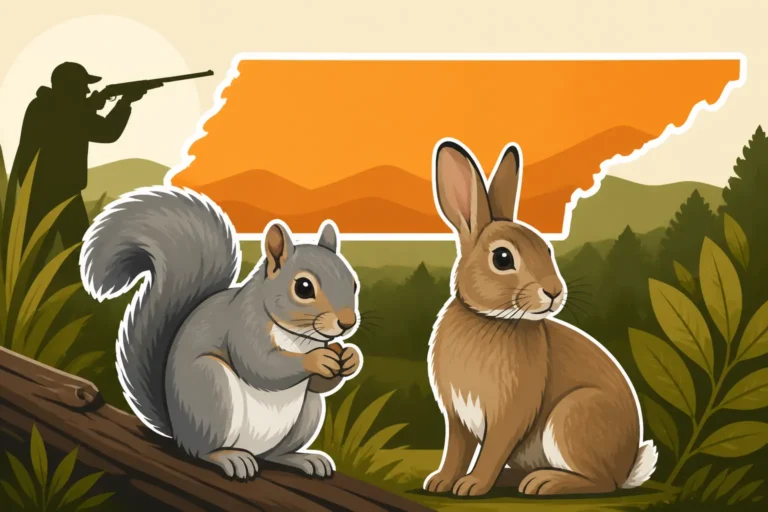
Often overlooked by big game enthusiasts, small game animals like squirrels and rabbits are truly delicious and offer a unique culinary experience. They are abundant throughout the state, with healthy Tennessee Squirrel Harvest Numbers and solid Tennessee Cottontail Population Trend data.
Squirrel meat is lean, mild, and often compared to the darker meat of chicken, but with a richer, slightly nutty flavor. It's fantastic fried, stewed, or slow-cooked until it falls off the bone. Rabbits, too, provide exceptionally tender, mild, white meat. It's incredibly versatile, excellent pan-fried, baked, or added to a hearty stew. Both animals are smaller, meaning quicker field dressing and cooling, which contributes to their excellent flavor. A good tip for small game is to brine the meat overnight to enhance tenderness and moisture before cooking. These smaller harvests are perfect for teaching new hunters the basics of field care and cooking.
Specialty and Less Common Game Meats
Beyond the common deer, turkey, and small game, Tennessee offers opportunities for more unique flavors, albeit with varying availability and effort. These can provide incredible meals for those willing to pursue them.
The Surprising Flavor of Wild Hog
Wild hogs are often considered a nuisance species in Tennessee, and while they can be destructive, they also offer a fantastic culinary opportunity. With significant How Many Wild Hogs Tennessee Has across certain regions, they are a readily available protein source.
The taste of wild hog meat can vary wildly depending on the animal's diet and age. Younger, smaller hogs (often called "shoats") tend to have very mild, delicious meat that is quite similar to farm-raised pork, but leaner and with a more distinct, natural flavor. Older boars, especially during the rut, can have a strong, musky flavor that some find unappealing. Proper field care is paramount with hogs, as their internal temperature can rise quickly. Skinning and cooling immediately are crucial. Wild hog is incredibly versatile; it's excellent for sausages, pulled pork, roasts, or even cured bacon. Because they are often consumed as part of a deer hunt, understanding how to manage them can greatly increase your table fare.
Waterfowl Wonders: Ducks and Geese
Tennessee sits in a prime location within the Mississippi Flyway, attracting a wide variety of waterfowl, and many of these birds offer truly gourmet dining experiences. The Tennessee Mallard and Wood Duck Numbers show why hunters flock to places like Reelfoot Lake.
Duck meat, particularly mallards and wood ducks, is dark, rich, and incredibly flavorful. It's often described as tasting like a lean beef steak, but with its own unique, somewhat livery undertone. Geese, while larger and often leaner, have a similar rich, dark meat, though it can be tougher and require longer cooking. The key to excellent waterfowl is to avoid overcooking, especially for ducks. Serve duck breast medium-rare to medium, seared quickly to crisp the skin and leave the interior juicy. Goose breasts can also be seared, but the legs and thighs benefit immensely from slow braising or confit methods. Puddle ducks like mallards and wood ducks, which feed on grains and vegetation, generally have a milder flavor than diving ducks, which primarily eat fish and invertebrates.
Other Edible Opportunities: Bear and Elk (When Available)
For the few fortunate hunters who draw a tag or pursue them, bear and elk present even more unique game meat experiences in Tennessee. These opportunities are much rarer, making the meat even more special.
Black bear meat is surprisingly diverse, heavily influenced by the bear's diet. A bear that has been feasting on berries and acorns can produce incredibly rich, flavorful meat, often compared to pork or beef, but sweeter. It's often used for roasts, stews, or ground meat. It's crucial to cook bear meat thoroughly to an internal temperature of at least 160°F (71°C) to kill any potential parasites like trichinosis. Elk, while not as widely available as deer, offers a red meat that is incredibly lean and fine-grained, with a flavor often described as milder than venison and sweeter than beef. Like venison, the prime cuts are excellent grilled or pan-seared, while tougher cuts benefit from slow cooking. Remember, these are highly regulated hunts, and securing a tag, especially for elk, is a rare privilege.
Field-to-Fork: Enhancing the Eating Experience
The journey from a successful hunt to a delicious meal doesn't end when the animal hits the ground. In fact, some of the most crucial steps for ensuring "best-eating" game happen right after the shot.
The Critical Role of Field Care and Processing
This cannot be stressed enough: proper field care is the single most important factor in determining the quality and flavor of your game meat. Mistakes here can render even the most naturally delicious animal unpalatable. The goal is rapid cooling and cleanliness.
First, field dress immediately. This removes the internal organs, which are a major source of heat and bacteria. For larger animals like deer, this means getting the guts out as quickly as possible. Learn how to do a clean Field Dressing a Deer in Cold Weather. Second, get the animal cooled down fast. In warm weather, this might mean quartering the animal and putting the meat on ice in coolers. In cold weather, simply getting the hide off and allowing air circulation can be enough. Many hunters swear by skinning immediately in the field for maximum cooling. Third, keep it clean. Avoid dragging the animal through dirt and debris if possible. Use clean knives and surfaces for processing. If you're planning to age venison, do it in a controlled, cool environment. Our guide on Aging Venison in Cold Weather can help you understand the benefits and risks. Even something as simple as using a reliable hunting app like GoHunt to mark your retrieval point and quickly navigate back to your vehicle can shave precious minutes off recovery time, especially critical on warmer days.
| Game Animal | Primary Flavor Profile | Ideal Tenderness | Versatile Cooking Methods | Key Consideration for Taste |
|---|---|---|---|---|
| Whitetail Deer | Earthy, rich, subtly sweet | Medium to High | Roasting, Grilling, Stewing, Ground Meat | Age, diet, immediate cooling |
| Wild Turkey | Mild, nutty, lean | High (breast) | Roasting, Frying, Grilling, Braising (legs) | Avoid overcooking breast |
| Squirrel | Mild, slightly nutty | High | Frying, Stewing, Braising | Clean kill, quick cooling |
| Rabbit | Mild, white meat | High | Frying, Baking, Stewing, Braising | Young animals are best |
| Wild Hog | Rich, savory, sweet | Medium to High | Roasting, Smoking, Sausage, Pulled Pork | Age, diet, thorough cooking |
| Ducks | Rich, dark, beefy | High | Searing, Grilling, Smoking, Confit (legs) | Do not overcook duck breast |
| Geese | Rich, dark, gamey | Medium | Roasting, Braising, Stewing, Smoking | Benefits from slow cooking |
| Black Bear | Rich, sweet, pork-like | Medium | Roasting, Stewing, Ground Meat, Sausage | Cook thoroughly |
| Elk | Mild, lean, sweet | High | Grilling, Roasting, Steaks, Stewing | Similar to venison, but milder |
Cooking Methods That Bring Out the Best
Once you've done the hard work in the field and at the processing table (perhaps even Butchering a Deer at Camp with your buddies), the final step is transforming that raw protein into a memorable meal. The right cooking method can elevate average game meat to extraordinary.
For lean cuts like deer backstrap or turkey breast, quick, high-heat methods like searing, grilling, or pan-frying are often best. These methods lock in moisture and create a delicious crust without drying out the meat. Always be mindful of internal temperatures; game meat is generally best when not overcooked. Medium-rare to medium for venison and medium for turkey breast will preserve tenderness and flavor. For tougher cuts, such as deer roasts, shanks, or turkey legs, slow cooking is your best friend. Braising, stewing, or using a slow cooker with moisture and aromatics will break down connective tissues, making the meat incredibly tender and flavorful. Don't be afraid to experiment with marinades, brines, and rubs to complement the natural flavors of the meat. And remember, the shared experience of preparing and eating your harvest with friends and family, perhaps after a long day in the woods, is a core part of Tennessee Deer Camp Traditions and the joy of hunting.
Disclaimer
This article is for general informational purposes only and does not constitute professional advice. Laws, prices and regulations vary by location and change over time. Consult a qualified professional for guidance on your specific situation.