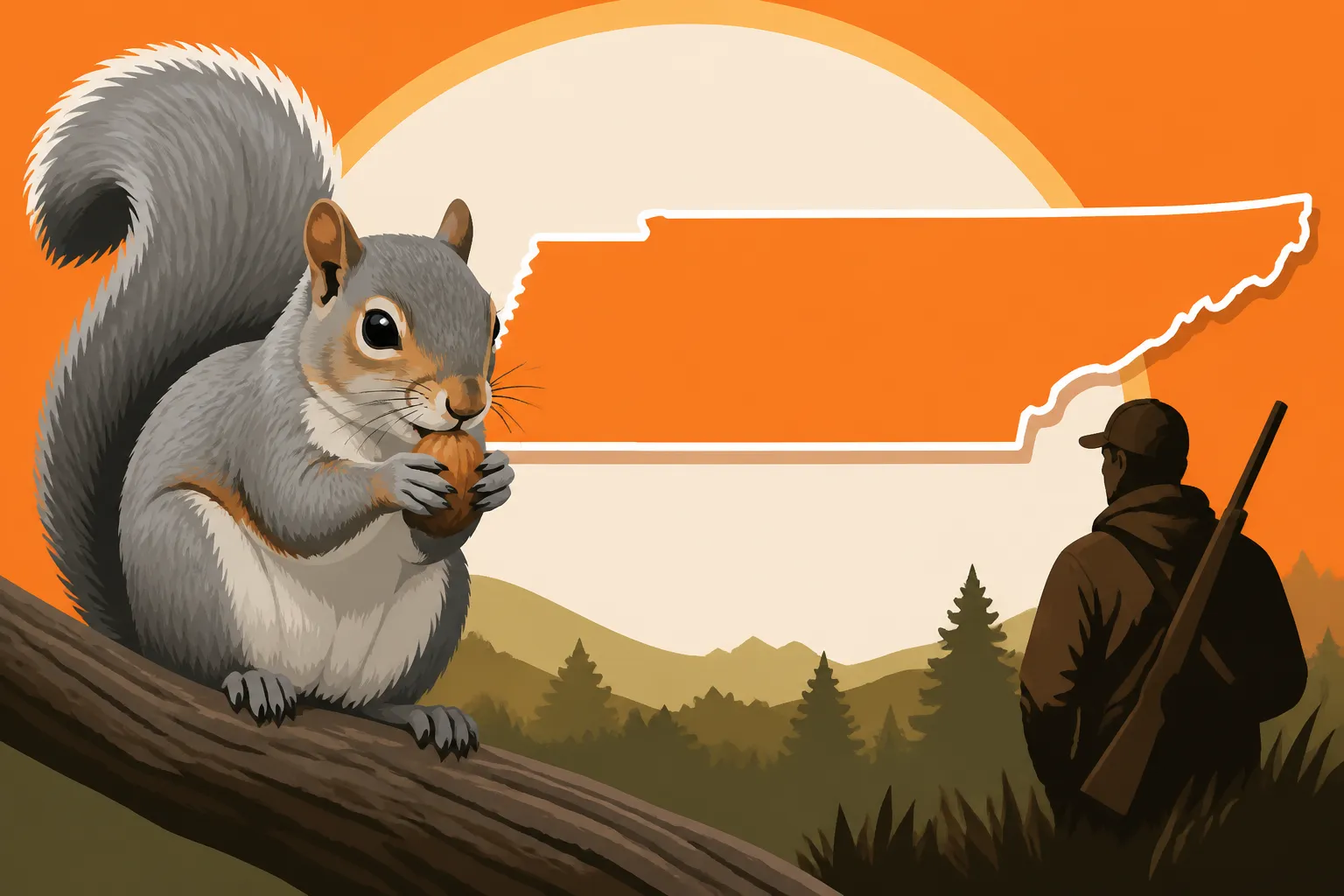
Tennessee Squirrel Harvest Numbers
It can be incredibly frustrating to plan a small game hunt, particularly for something as accessible and traditional as squirrels, only to wonder if you're heading into an area with a healthy population. We've all been there, hiking miles through beautiful timber, only to hear nothing chattering or see no cuttings on the forest floor. Understanding Tennessee's squirrel harvest numbers isn't just about statistics; it's about gaining insight into population health, hunter success, and ultimately, improving your chances in the woods. This guide will dive deep into what those numbers tell us, what influences them, and how you can use this knowledge for a more successful hunt.
Understanding Tennessee's Squirrel Harvest Data
When we talk about "squirrel harvest numbers" in Tennessee, it's not always as straightforward as deer or turkey reporting. Small game like squirrels often don't have mandatory harvest checks in the same way big game does. However, the Tennessee Wildlife Resources Agency (TWRA) still collects valuable data through various surveys and assessments, which paint a crucial picture of squirrel populations and hunter engagement. This information helps shape season dates and management strategies, even if it's derived differently than the precise, individual reporting required for a buck or gobbler.
How Harvest Numbers Are Collected and Used
Unlike big game species where every harvested animal must typically be reported, squirrel harvest data in Tennessee is often gathered through hunter surveys. The TWRA might conduct phone surveys, mail-in questionnaires, or online polls, asking hunters about their success, the number of squirrels taken, the number of days hunted, and the general areas they pursued game. This aggregate data provides an estimate, rather than an exact count, but it's incredibly valuable for understanding statewide and regional trends. These surveys help wildlife managers gauge population fluctuations, assess the impact of environmental factors, and ensure that hunting regulations are sustainable. While you might not be reporting individual squirrels you harvest, your participation in these voluntary surveys, if you're ever asked, helps create a more accurate picture for everyone. It's a collective effort to keep Tennessee's small game hunting strong. For planning your excursions, tools like the Scouting With the Tennessee TWRA App can often provide a general overview of game populations or access points within different WMAs, which indirectly ties into potential harvest success.
What "Harvest Numbers" Really Reveal
Beyond just showing how many squirrels were taken, harvest numbers are powerful indicators of several underlying factors. High harvest numbers in a particular year or region can suggest a robust squirrel population, strong mast crops providing abundant food, favorable weather conditions that supported good reproduction, and high hunter participation. Conversely, low numbers might point to a poor mast year, harsh winters impacting survival, increased predator pressure, or simply fewer hunters taking to the woods. These figures also subtly reflect hunter effort and access; if a lot of hunters are out and successful, the numbers will climb. They give us a glimpse into the ecosystem's health and how well different squirrel species, like the gray and fox squirrel, are thriving in their respective habitats. It's a holistic view that goes far beyond just a tally, helping us understand the intricate dance between nature, hunter, and game.
Factors Influencing Tennessee's Annual Squirrel Harvest
Tennessee's squirrel populations, and consequently, the annual harvest numbers, are directly tied to a complex interplay of natural factors. From the bounty of the forest to the whims of the weather, each element plays a significant role in determining how many squirrels are out there and how accessible they are to hunters. Understanding these variables can give you a significant edge in predicting good hunting years and choosing the right locations.
Habitat and Food Availability: The Mast Crop Connection
For squirrels, especially the common gray squirrel and fox squirrel, habitat quality and food availability are paramount. The health and abundance of mast crops – think acorns from various oak species, hickory nuts, beechnuts, and walnuts – are perhaps the single biggest drivers of squirrel populations. A bumper mast crop year means more food throughout the fall and winter, leading to better overwinter survival rates, healthier breeding stock, and ultimately, larger litters in the spring. This translates directly to more squirrels in the woods by the time hunting season rolls around. Conversely, a poor mast year can severely depress populations, as squirrels struggle to find enough food, leading to higher mortality rates. Hunters often track mast crops visually in late summer and early fall, knowing that a heavy acorn crop means a promising season. When you're Squirrel Hunting a Tennessee Oak Ridge, you're literally hunting the food source that dictates their lives. Tools like GoHunt can help you analyze satellite imagery, often revealing timber types that produce specific mast, giving you clues about where to focus your scouting efforts.
Weather Patterns and Their Impact on Populations and Hunters
Weather influences squirrel harvest numbers in a couple of critical ways. First, severe weather events can directly impact squirrel populations. A harsh, prolonged winter with heavy snow and ice can lead to increased mortality, particularly if it follows a poor mast year. Conversely, mild winters can contribute to higher survival rates. Spring and summer weather are also vital for reproduction and fawn survival. A cold, wet spring can reduce the success of early litters, while a moderate spring allows for more young to survive.
Second, weather directly affects hunter effort and success. A beautiful, crisp fall day will see more hunters in the woods, increasing the potential for higher harvest numbers. However, prolonged periods of rain, extreme heat, or unexpected cold snaps can deter hunters, regardless of how many squirrels are present. Imagine planning to hit the woods after work, only for a sudden downpour to keep you home. These collective decisions, driven by weather, can noticeably swing harvest totals. Knowing how weather impacts both the game and the hunter is key to understanding the full picture of harvest data.
Predator Presence and Disease
While often overlooked by casual hunters, predator populations and the prevalence of disease also play a role in squirrel harvest numbers. Predators such as hawks, owls, bobcats, and coyotes constantly exert pressure on squirrel populations. A local increase in predator numbers can lead to a slight dip in squirrel abundance, although healthy squirrel populations are generally resilient. For example, understanding Coyote Calling in Tennessee Farm Country might highlight the presence of these predators, which are opportunists and will certainly take a squirrel if the chance arises.
Disease outbreaks, though less common and usually localized for squirrels, can also impact numbers. Factors like mange or internal parasites can weaken animals, making them more susceptible to predation or environmental stressors. The TWRA continually monitors wildlife health, and significant disease events would certainly be noted and could influence management decisions and ultimately, harvest figures. It’s a delicate balance, and any shift in these natural controls can ripple through the ecosystem, affecting the game we pursue.
Regional Variations in Tennessee Squirrel Harvest
Tennessee is a state of incredible diversity, stretching from the Appalachian Mountains in the east to the Mississippi River lowlands in the west. This geographical and ecological variety means that squirrel populations, and thus harvest success, can differ significantly depending on where you are hunting. Understanding these regional nuances is crucial for any squirrel hunter looking to maximize their time afield.
East Tennessee's Mountain Squirrels
In East Tennessee, particularly within the vast expanses of the Cherokee National Forest and other mountain ranges, squirrel hunting often presents a different challenge and reward. The terrain is generally steeper, the timber is diverse, and the mast crops can vary greatly with elevation and tree species. While oaks are abundant, hickory and beech can also be key food sources, leading to localized hotspots. Hunters here often find success in "hollers" and along ridge lines where mature hardwoods produce consistent mast.
The harvest numbers in these areas tend to be influenced by the ruggedness of the terrain, which can limit hunter access in some spots, and the cyclical nature of hard mast production. A good year in the mountains means hunters are often walking longer distances, but the rewards can be plentiful, with robust populations of both gray and fox squirrels. Knowing how to read the landscape, as detailed in Finding Sign in Big Cherokee Forest Timber, becomes invaluable when pursuing mountain squirrels. The sheer amount of public land in the east, which you can often scout using GoHunt map layers, offers endless opportunities for exploration and discovery.
West Tennessee's Bottomland and Farmland Squirrels
Venturing west, the landscape flattens out into rolling hills, fertile farmlands, and extensive river bottoms. Here, squirrel hunting takes on a distinct character. The large tracts of mature hardwoods, particularly along rivers like the Mississippi, Tennessee, and Hatchie, provide prime squirrel habitat. These bottomlands are often rich in red and white oaks, pecans, and various soft mast producers, which can support incredibly dense squirrel populations.
Harvest numbers in West Tennessee often reflect this abundance, with many hunters reporting excellent success. The flatter terrain also makes for easier walking, though navigating flooded timber or thick undergrowth can still be a challenge. Farmland edges, where woodlots border agricultural fields, can also be productive, as squirrels venture out for supplemental food sources. When you're Squirrel Hunting Tennessee Bottomland Hardwoods, you'll quickly discover that these areas are squirrel factories, and harvest numbers consistently show their strength. These regions also experience different hunting pressure dynamics compared to the mountains, which can influence local populations.
Middle Tennessee's Mixed Hardwoods and Urban Edges
Middle Tennessee offers a blend of hunting environments, from extensive state forests and wildlife management areas to smaller woodlots nestled between farms and even encroaching suburban areas. The mixed hardwood forests here provide varied mast, and hunters can find good squirrel populations in many counties. Harvest numbers in this region can be a bit more sporadic, influenced by habitat fragmentation and varying levels of hunting pressure from the state's larger population centers.
Squirrel hunting near urban edges can be surprisingly productive, as these areas often have mature trees and less hunting pressure, but access can be challenging due to private land ownership. Hunters often focus on larger public tracts or seek permission on private land, where a dedicated landowner might have fantastic squirrel woods. Understanding how to approach Getting Private Land Permission in Tennessee can unlock some excellent local squirrel opportunities in the middle part of the state. It's a region that demands adaptability from hunters, but the rewards are there for those willing to seek them out.
The Role of Hunters and Conservation in Squirrel Management
While squirrels are generally abundant and highly resilient game animals in Tennessee, their continued health and the sustainability of harvest numbers are still intertwined with responsible hunting practices and ongoing conservation efforts. Hunters are not just consumers of the resource; they are often the first line of defense in observing population trends and supporting habitat work.
Hunter Impact and Ethical Harvesting
Squirrel hunting in Tennessee, with its long seasons and generous bag limits, generally doesn't pose a significant threat to overall squirrel populations. Squirrels are prolific breeders, often having two litters a year, which allows them to rebound quickly. However, concentrated hunting pressure in small, accessible areas can temporarily depress local populations. This is where ethical harvesting comes into play – taking what you need, respecting daily limits, and moving to new areas if a spot seems over-pressured.
Responsible hunters also pay attention to details beyond just the shot; they understand the nuances of the habitat and notice changes over time. If you notice a sudden drop in squirrel activity in a previously productive area, it might be worth investigating why, whether it's a lack of mast, increased predation, or other environmental shifts. The cumulative effect of thousands of hunters making informed decisions ensures that future generations will have just as many opportunities to enjoy this classic form of hunting.
Conservation Efforts and Healthy Habitats
The Tennessee Wildlife Resources Agency (TWRA) plays a crucial role in maintaining healthy squirrel populations by managing state lands and providing guidance for private landowners. Conservation efforts often focus on maintaining diverse hardwood forests, promoting mast-producing trees, and implementing sustainable timber practices that create varied age classes of timber. Habitat Work on Tennessee WMAs often includes controlled burns, selective timber harvests, and planting efforts that benefit not just deer and turkey, but also small game like squirrels.
These efforts ensure a consistent food supply and plenty of denning sites, which are essential for squirrel survival and reproduction. By supporting the TWRA through license purchases and participating in conservation programs, hunters directly contribute to these initiatives. The health of the forest is the health of the squirrel population, and robust habitat management is the cornerstone of sustainable hunting in Tennessee.
Using Data to Inform Your Hunt
For serious squirrel hunters, understanding harvest numbers and the factors influencing them isn't just academic; it's practical. While you won't get hyper-localized real-time harvest data for squirrels, general trends can guide your season planning. If you know there was a poor mast crop two years ago, followed by a harsh winter, you might anticipate slightly lower numbers of mature squirrels but potentially an abundance of younger animals if the most recent breeding season was good.
You can combine this knowledge with scouting efforts, like identifying mast trees and observing cuttings, to pinpoint productive areas. Platforms like GoHunt can be invaluable here. You can use their mapping features to identify public land, analyze topo maps for ideal squirrel habitat, and even cross-reference your observations with historical data (if available from TWRA reports) to make more informed decisions about where and when to hunt. This blending of large-scale data with boots-on-the-ground scouting, perhaps using insights from Reading Aerial Photos for Cumberland Plateau Deer to understand canopy cover and potential mast, can significantly elevate your success for any game species, including squirrels. It's about hunting smarter, not just harder.
| Factor | Impact on Squirrel Population | Impact on Harvest Numbers | Hunter Strategy Consideration |
|---|---|---|---|
| Bumper Mast Crop | High | High | Focus on areas with abundant acorns/hickories; squirrels may be more dispersed due to ample food. |
| Poor Mast Crop | Low | Low | Focus on remaining food sources (persimmons, pines); squirrels will be concentrated around limited food. |
| Mild Winter | High | Potentially High | Good overwinter survival means more breeding stock for spring litters. |
| Severe Winter | Low | Potentially Low | Increased mortality can reduce spring populations; hunt later in the season for survivors. |
| Wet, Cold Spring | Low | Delayed or Lower | Poor breeding success; focus on mature squirrels early, wait for later litters to grow. |
| High Hunter Effort | Minimal overall | High (if squirrels are present) | Scout less-pressured areas, walk further from access points. Hunting Pressure on Tennessee Public Land is a real factor. |
| Low Hunter Effort | Minimal overall | Low (regardless of squirrels) | Might find less spooky squirrels in accessible areas, but overall numbers will reflect fewer hunters. |
| Increased Predators | Minor to Moderate | Potentially Lower | Squirrels may be warier, stay closer to cover; hunt quietly and patiently. |
Disclaimer
This article is for general informational purposes only and does not constitute professional advice. Laws, prices and regulations vary by location and change over time. Consult a qualified professional for guidance on your specific situation.