Tennessee Small Game and Furbearers
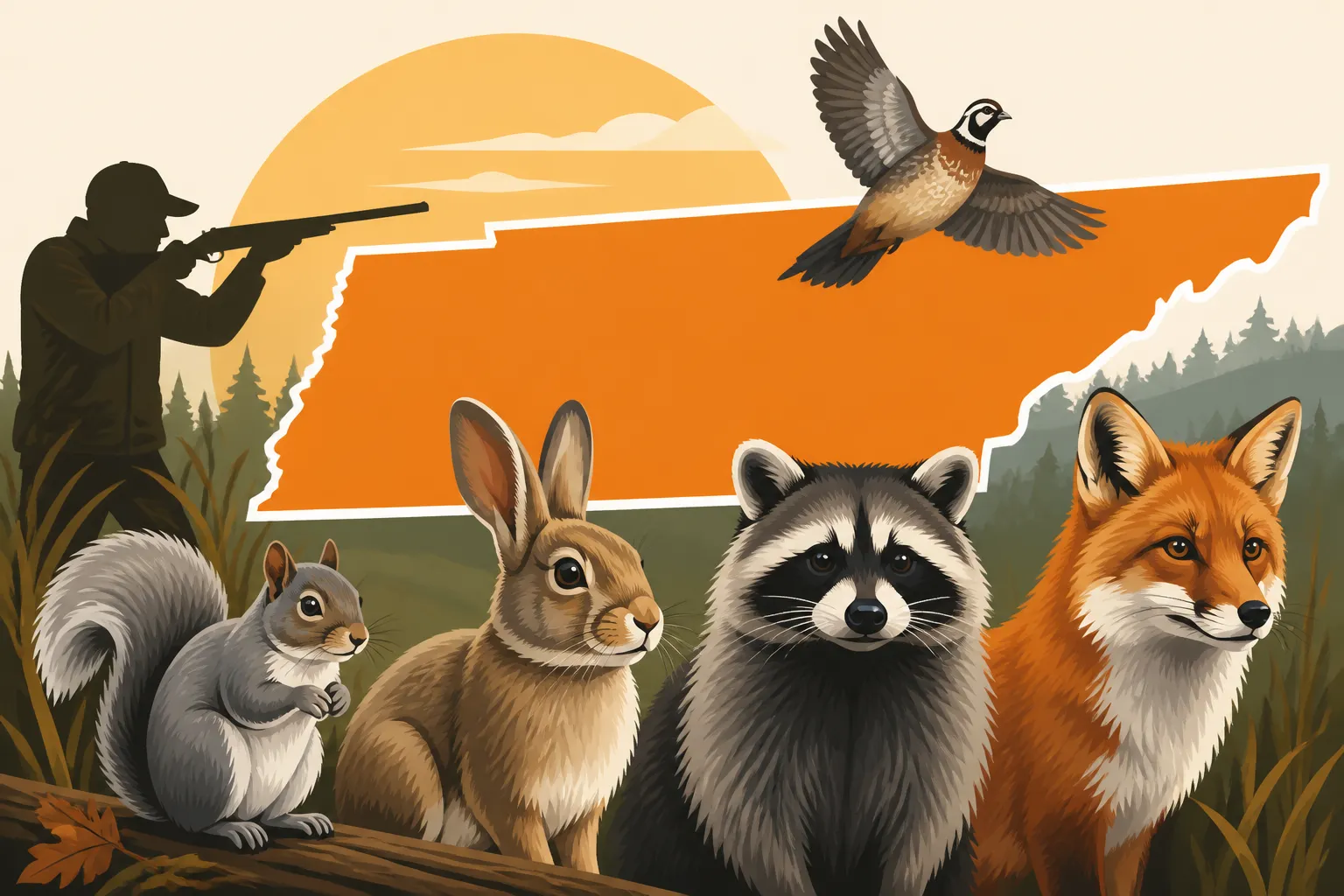
While deer and turkey hunting rightfully capture a lot of attention in the Volunteer State, it’s a shame when the incredible opportunities for small game and furbearer hunting get overlooked. So many hunters hang up their gear once big game seasons wrap up, missing out on prime chances to stay afield, hone their skills, and put delicious wild game on the table. This guide aims to open your eyes to the diverse world of Tennessee's small game and furbearer species, offering practical advice and insights to extend your hunting season and deepen your connection to the outdoors.
The Enduring Appeal of Small Game Hunting in Tennessee
There's something uniquely satisfying about small game hunting, a feeling that often gets overshadowed by the pursuit of bigger quarry. It’s not just about filling a freezer; it’s about reconnecting with the roots of hunting, enjoying the simpler pleasures, and developing a keen eye for the woods. Many veteran hunters will tell you that their fondest memories often involve a good dog, a crisp morning, and a limit of squirrels or rabbits.
More Than Just Deer and Turkey
For many of us, the hunting calendar revolves around deer and turkey seasons. We spend months scouting, planting food plots, and meticulously planning our big game hunts. But what happens when those tags are filled, or the season closes? That's where small game shines. It offers a consistent, accessible opportunity to be outdoors, often with less pressure from other hunters. Think about those beautiful late fall and winter days when deer are on lockdown, but squirrel and rabbit season is still in full swing. These hunts keep us sharp, provide abundant table fare, and, importantly, offer fantastic entry points for new hunters, especially kids, who might find sitting still for hours in a deer stand a tough sell.
Small game hunting is incredibly diverse, offering something for every skill level and preference. Whether you enjoy the solitude of still-hunting for squirrels, the camaraderie of a rabbit hunt with a pack of beagles, or the strategic challenge of calling in a coyote, Tennessee's small game and furbearer populations provide year-round engagement. It's a fantastic way to introduce someone to the ethics and joy of hunting without the overwhelming intensity or expense often associated with big game. Plus, success rates can be much higher, which is a huge motivator for youngsters.
A Link to Hunting Heritage and Skill Building
There’s a timeless quality to small game hunting that harks back to simpler times. It’s how many generations of hunters first learned the ropes, long before deer and turkey populations rebounded to their current numbers. These hunts are fantastic for honing a wide array of outdoor skills. You’ll learn to identify tree species, track subtle movements in the undergrowth, and understand animal behavior more intimately. The quick shots often required for flushing birds or scampering squirrels will sharpen your shooting instincts and lead-time judgment.
For those who love working with dogs, small game hunting offers unparalleled opportunities. Beagles for rabbits, feists and curs for squirrels, and hounds for raccoons or foxes – these partnerships are deeply rewarding and connect hunters to a rich tradition. Beyond the thrill of the chase, these hunts teach patience, observation, and adaptability. They remind us that hunting is about the entire experience – the crisp air, the sounds of the forest, the companionship of friends or family, and the satisfaction of a challenging pursuit – not just the size of the animal.
Squirrels: Tennessee's Abundant Arboreal Acrobats
If you're looking for an accessible, engaging, and delicious small game experience in Tennessee, look no further than squirrel hunting. These quick, clever rodents are abundant across the state and offer some of the earliest and longest seasons available to hunters. They provide a fantastic way to get into the woods and warm up your shooting skills before the deer rut kicks in.
Species, Habitat, and Prime Seasons
Tennessee is home to two primary huntable squirrel species: the ubiquitous gray squirrel and the larger, less common fox squirrel. Gray squirrels, with their active, chattering nature, prefer dense hardwood forests, especially those with a strong mast crop of oaks, hickory, and beech. You'll find them in bottomlands, on steep ridges, and even in suburban woodlots. Fox squirrels, on the other hand, tend to be more solitary and prefer more open timber, often with scattered mature pines or a mix of woods and fields. Their movements are often slower and more deliberate than their gray cousins.
The squirrel season in Tennessee typically kicks off in late summer, often around late August or early September, and runs all the way through February or even into March. This incredibly long season provides ample opportunity, and the hunting changes dramatically with the progression of fall and winter. Early season hunts are often challenging due to dense foliage, but late-season hunts after leaf drop can be highly productive as visibility improves and squirrels become more dependent on specific food sources. A strong acorn crop year can lead to incredibly high squirrel densities and consistent action, while a poor mast year might mean you need to cover more ground to find concentrated pockets of activity.
Tactics for Bushy-Tail Success
Hunting squirrels can be as simple or as involved as you want to make it. One classic method is still-hunting, slowly easing through the timber, pausing frequently to scan the trees. Look for movement, listen for the rustle of leaves, or the tell-tale "cutting" sound of squirrels gnawing on nuts. When you spot one, try to get a clear shot before it vanishes behind a tree trunk. Patience is key here; often, if you sit still for a few minutes after spotting a squirrel, it will eventually reappear. For still-hunting in East Tennessee, a long walk on an oak-laden ridgeline can be highly productive. If you're really interested in how to pattern their movements, understanding Reading Cuttings Under an Oak is a critical skill.
For those who enjoy a more active hunt, or prefer canine companionship, hunting with dogs is a thrilling experience. Breeds like feists and curs are specially bred for treeing squirrels, and their keen noses and boundless energy can lead to non-stop action. The dogs find and bark at the base of the tree where the squirrel is, allowing you to move in for a shot. Shotguns, usually in 20-gauge or .410, are excellent for quick shots at moving targets, especially in thick cover. For a more challenging and precise hunt, a .22 rifle is a fantastic choice, demanding accuracy but leaving more meat intact. No matter your method, finding good acorn-producing trees is usually the key. If you're heading out to your favorite spot, considering Squirrel Hunting a Tennessee Oak Ridge can give you an edge.
Rabbits: Chasing Cottontails Through the Briars
Nothing quite captures the essence of classic small game hunting in Tennessee like chasing cottontail rabbits. The sound of beagles in full cry, the adrenaline rush of a rabbit bursting from cover, and the satisfying thwack of a shotgun connecting are core memories for countless hunters. While challenging, rabbit hunting is a deeply rewarding experience, especially when shared with friends and good dogs.
Cottontail Habits and Preferred Cover
Tennessee's cottontail rabbits are masters of concealment, preferring dense, brushy habitats that offer both food and escape cover. You'll find them in thickets, fencerows, briar patches, honeysuckle tangles, and the edges of clear-cuts. They thrive in areas where agriculture meets untamed brush, making West Tennessee farmlands and bottomland edges prime rabbit country. These areas provide them with ample forage like clover, grasses, and young shoots, as well as the dense cover they need to evade predators.
The prime season for rabbit hunting in Tennessee typically opens in early November, often coinciding with other small game seasons, and extends through February. Hunting after a few hard frosts can be particularly productive as vegetation dies back, making rabbits more visible and forcing them into tighter pockets of cover. Snow on the ground, while not always common in Tennessee, can be a game-changer, making tracks easy to follow and rabbits stand out against the white backdrop. Focus your efforts on the thickest, nastiest cover you can find – if it looks too thick for a person, it's probably perfect for a rabbit.
Beagles, Shotguns, and Brush-Busting Strategies
While you can certainly "jump shoot" rabbits by slowly walking through likely cover and flushing them, the quintessential rabbit hunting experience involves a pack of beagles. These small, vocal hounds are bred for their incredible noses and their ability to stay on a rabbit's trail, often pushing the rabbit in a big circle back towards where it was originally flushed. The sound of a beagle pack working a fresh trail is music to a hunter's ears, and it’s an experience that truly defines the sport for many. If you're planning a trip to the fields, knowing how to approach Rabbit Hunting Tennessee Fencerows can make all the difference.
When hunting with beagles, hunters typically spread out around the likely escape routes or known travel paths of rabbits within a briar patch. The dogs will flush a rabbit, and then the hunters wait, listening to the chase, anticipating where the rabbit will eventually try to cross an opening. Shotguns are the weapon of choice for rabbits, typically 12 or 20-gauge, loaded with smaller shot sizes like #6 or #7.5 for a dense pattern. For those without dogs, jump-shooting involves systematically working through cover. Focus on pushing thickets from one end to another, keeping your head on a swivel. Whether you're hunting with or without dogs, understanding Running Beagles on Tennessee Cottontails gives insight into this traditional hunting method and can even help you predict rabbit movements if you're hunting without dogs. Don't forget durable brush pants and good boots – you'll be earning your rabbits!
Furbearers: Pursuing Predators and Prized Pelts
Tennessee's furbearer populations offer a different kind of challenge, one that often involves cunning, strategy, and sometimes, a whole lot of patience. From the ever-present coyote to the elusive bobcat and the industrious beaver, these animals provide unique hunting and trapping opportunities, often extending well beyond the traditional big game seasons. For landowners, managing furbearer populations can also be a crucial part of wildlife management.
Coyotes: The Opportunistic Apex Predator
Coyotes are perhaps the most widespread and adaptable furbearer in Tennessee, having expanded their range across the entire state. They are incredibly intelligent and opportunistic predators, preying on everything from small rodents and rabbits to deer fawns and even adult deer, especially in areas with high coyote densities. Their presence can have a significant impact on local deer and turkey populations, making coyote hunting a popular and often encouraged activity, with very liberal, often year-round, seasons.
Hunting coyotes is a test of skill and patience. Calling is the most popular and effective method. This involves using electronic calls or mouth calls to mimic prey in distress (rabbit squeals, fawn bleats) or other coyotes (howls, barks). Setting up downwind, concealing yourself well, and being ready for a quick shot are paramount. Coyotes can approach silently and quickly, and they often circle downwind to scent-check the area before committing. If you’re looking to get started, mastering Coyote Calling in Tennessee Farm Country is an essential skill. Night hunting is also popular, often requiring specialized thermal or night vision optics, but it’s crucial to be aware of Night Hunting Rules for Tennessee Coyotes which can vary by county and specific regulations regarding lights and equipment. Using mapping apps like GoHunt can help identify potential ambush points and property lines for calling setups.
Foxes, Raccoons, and Opossums: Trapping and Night Hunting
Beyond coyotes, Tennessee boasts a healthy population of other furbearers like red and gray foxes, raccoons, and opossums. Each offers distinct hunting and trapping challenges. Red foxes typically prefer open country and farmland, while gray foxes are more common in dense woodlands and can even climb trees. Raccoons, known for their masked faces and dexterous paws, are found virtually everywhere, especially near water sources. Opossums are nocturnal marsupials, often found scavenging.
Trapping is a time-honored method for pursuing these furbearers, providing both recreation and often valuable pelts. It requires a deep understanding of animal behavior, specific trap types (e.g., foot-holds, dog-proof traps, cage traps), and careful placement. Learning how to effectively set up and manage a line of traps, or Running a Trapline in Rural Tennessee, is a skill that takes practice and experience. Night hunting with dogs is another popular and exciting way to pursue raccoons and foxes, with specialized breeds like coonhounds used to tree or bay the animals. Checking current regulations for specific seasons, bag limits, and legal methods for these species is always a must.
Beavers and Muskrats: Water-Dwelling Challenges
For those interested in aquatic furbearers, Tennessee's rivers, streams, and ponds are home to healthy populations of beavers and muskrats. Beavers, the largest rodent in North America, are known for their dam-building and tree-cutting activities, which can cause significant flooding and timber damage for landowners. Muskrats, smaller and similar to a miniature beaver, inhabit marshes, ponds, and slow-moving streams, feeding primarily on aquatic vegetation.
Both species are primarily pursued through trapping. Beaver trapping often involves large body-grip traps (like Conibears) set in their travel routes, underwater runs, or near their dams and lodges. Snaring can also be effective. Muskrats are typically caught with smaller traps, often set in their feeding runs or push-ups along the banks. While not always considered "game" in the traditional sense, their management is often crucial for property owners dealing with their impact. Trapping these species requires specific knowledge of their habits and aquatic environment. If you're venturing into this unique aspect of hunting, understanding techniques like Trapping Tennessee Muskrat and Beaver is essential. Using mapping tools like GoHunt can help pinpoint promising waterways and identify areas prone to beaver activity, helping you become more efficient in your efforts.
Upland Birds: Grouse, Quail, and Woodcock
Tennessee's upland bird hunting scene offers a mix of challenging pursuits, from the rapidly declining ruffed grouse to the elusive woodcock. While not as widespread or abundant as some other small game, these birds provide unique experiences for the dedicated wingshooter and dog handler, often in some of the state's most scenic landscapes.
The Elusive Ruffed Grouse
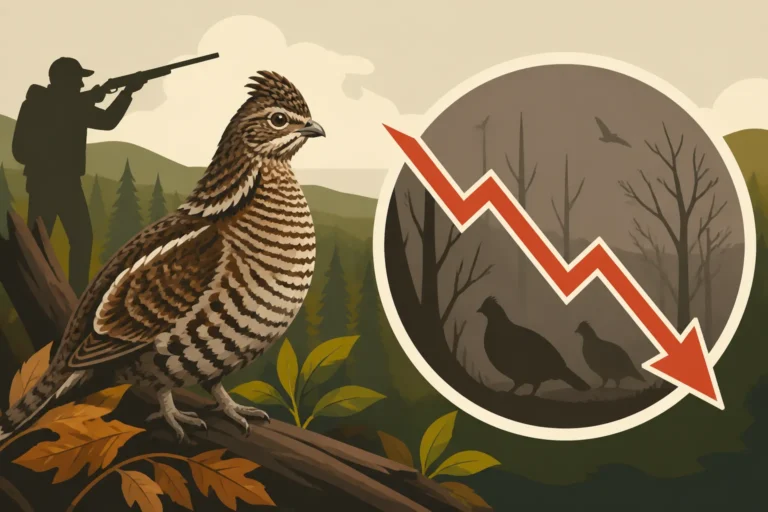
The ruffed grouse is arguably the most challenging upland bird in Tennessee. Known for its explosive flush and erratic flight through dense timber, grouse hunting is a test of reflexes and woodsmanship. Unfortunately, Tennessee's grouse populations have been in a long-term decline, primarily due to habitat loss as young forests mature. Today, the best opportunities are concentrated in specific areas of East Tennessee, particularly within the Cherokee National Forest and on portions of the Cumberland Plateau, where suitable young forest habitat still exists.
Hunting grouse almost invariably involves a good bird dog – typically a pointing breed like a setter or pointer, or a flushing dog like a springer spaniel – to help locate and hold these secretive birds. The season is relatively short, usually running from mid-November through the end of January. Success often means covering a lot of ground in thick, unforgiving cover, enduring briars and steep terrain. Finding regenerating clear-cuts, mountain laurel thickets, or areas with a diverse mix of tree ages is key. Hunters serious about finding this elusive bird in the mountains would benefit from insights on Grouse Hunting the Cumberland Plateau and learning to identify prime habitat. Knowing How Old a Cut Should Be for Grouse is crucial for finding the dense, young growth they depend on for food and cover.
Bobwhite Quail: A Fight for Recovery
The cheerful "bob-white!" call of the bobwhite quail was once a common sound across Tennessee's farmlands and open woodlands. Sadly, like grouse, quail populations have suffered a drastic decline across much of their historic range. This decline is largely attributed to habitat changes, particularly the loss of native grasslands, early successional habitat, and suitable agricultural practices. As a result, wild bobwhite quail hunting opportunities are very limited in Tennessee today, with most populations being too scattered for consistent hunting.
The Tennessee Wildlife Resources Agency (TWRA) is actively involved in efforts to restore quail habitat and populations through programs that encourage landowners to manage for native grasses and early successional stages. While a statewide quail season does exist, successful hunts on wild birds are typically only found on private lands that have undergone extensive habitat management, or on a few specific WMAs with dedicated restoration efforts. For most hunters, if they wish to hunt quail, it will be on preserves.
Migratory Woodcock: Timberdoodle Delights
Often overlooked, the American woodcock offers a unique and delightful upland bird hunting experience during its short migratory stopover in Tennessee. These oddly shaped, long-billed birds are affectionately known as "timberdoodles" and provide fast-paced shooting action. Woodcock spend their days probing moist, soft soil for earthworms with their specialized bills. They prefer young, dense, regenerating hardwoods, alder thickets, and willow bottoms near water sources.
Tennessee typically sees a good flight of woodcock in the fall, with the season usually running from November into early December. Like grouse, woodcock hunting is greatly enhanced by a pointing dog. The birds hold tight, allowing a dog to point them, then flush quickly and erratically when disturbed. Their flight is often short, making for exciting, close-range shotgunning. Hunting success hinges on finding the right habitat – wet, brushy areas with rich, moist soil. Knowing When Woodcock Migrate Through Tennessee is critical for timing your hunts to coincide with peak migration through the state, often following cold fronts that push birds south.
Essential Gear and Regulations for Small Game and Furbearers
Venturing into the world of small game and furbearer hunting in Tennessee requires not only an understanding of animal behavior and tactics but also the right equipment and a clear grasp of the state's regulations. Being properly prepared ensures a safer, more enjoyable, and successful outing.
Firearms, Ammunition, and Optics
The choice of firearm for small game and furbearers is incredibly diverse, depending on the species you're pursuing. For squirrels and rabbits, shotguns are popular, especially in 12, 20, or .410 gauge, loaded with smaller shot sizes like #6 or #7.5 for a dense pattern in thick cover. Many squirrel hunters also favor a .22 rimfire rifle, which offers a quiet challenge and precise headshots, minimizing meat damage. For upland birds like grouse and woodcock, a lightweight 12 or 20-gauge shotgun with an open choke (like improved cylinder or skeet) and #7.5 or #8 shot is ideal for those quick, close-range flushes.
When it comes to coyotes, the situation changes significantly. While shotguns can be effective at close range, many hunters opt for a flat-shooting centerfire rifle, such as a .223 Remington, .204 Ruger, or .243 Winchester, especially for longer shots. Appropriate ammunition for these rifles will be lightweight, fast-moving bullets designed for varmints. For night hunting coyotes, thermal or night vision optics can be a game-changer, but ensure you understand the specific regulations for their use. Overall, choosing Best Shotgun Gauge for Tennessee Squirrel and understanding Shot Size for Squirrel and Rabbit will make a big difference in your success and enjoyment.
Licensing, Permits, and Blaze Orange
Before you even step foot in the woods, ensuring you have the correct Tennessee hunting licenses and permits is non-negotiable. All resident and non-resident hunters need a basic hunting license. Depending on what you're targeting, you might also need a small game license, a migratory bird permit (if hunting woodcock), or a specific permit for certain WMAs. It’s always best to check the current TWRA regulations booklet or their website to confirm what you need for your specific hunt. If you're wondering Tennessee Hunting Licenses and What They Cost, it's easy to look up.
Blaze orange requirements are also crucial for safety, particularly when hunting during overlapping deer seasons or on public lands. While archery-only seasons for deer don't always require blaze orange, once gun seasons for deer open, most hunters, regardless of what they are hunting, are required to wear a certain amount of fluorescent orange. This typically includes a solid outer garment above the waist visible from all sides. Always review Tennessee Blaze Orange Requirements for your specific hunting area and season to stay safe and legal. The GoHunt app can be incredibly useful for quickly checking regulations specific to a particular WMA or county, ensuring you're always compliant.
Dogs, Traps, and Other Specialized Equipment
Many small game and furbearer hunts are synonymous with dogs. If you plan to hunt with hounds for rabbits, squirrels, raccoons, or foxes, make sure your dogs are well-trained and conditioned for the rigors of the field. GPS collars are highly recommended, especially on public land, to keep track of your valuable companions. For upland birds, a good pointing or flushing dog is invaluable.
For trappers, the equipment list includes various types of traps (footholds, body-grips, cage traps, snares), specialized tools for setting and securing them, and lures or baits. Trapping regulations are often very specific regarding trap types, placement, and checking intervals, so a thorough understanding is essential. Additionally, general gear like durable brush pants, snake boots, a good game vest or bag, and a reliable first-aid kit for both yourself and your dog are always wise investments, especially when heading into dense cover.
Conservation and Management of Tennessee's Small Game and Furbearers
Behind every successful hunting season and healthy wildlife population in Tennessee is a dedicated effort in conservation and management. It's not just about setting seasons and limits; it's about understanding the complex ecosystems, monitoring populations, and actively working to improve habitat. As hunters, we play a vital role in supporting these efforts.
TWRA's Role in Population Monitoring and Habitat
The Tennessee Wildlife Resources Agency (TWRA) is the primary steward of the state's wildlife resources, including small game and furbearers. Their work is multifaceted, involving continuous population monitoring through surveys, harvest data collection, and scientific research. For species like ruffed grouse and bobwhite quail, where populations have declined, TWRA biologists conduct habitat assessments and implement targeted restoration projects. This might involve prescribed burns to rejuvenate forests, planting native grasses, or managing timber to create early successional habitat crucial for these birds.
The agency also plays a critical role in managing furbearer populations, particularly coyotes and beavers, which can become nuisance animals or impact other game species. Through regulated hunting and trapping seasons, TWRA helps to maintain ecological balance and mitigate conflicts with human interests. Hunter reporting of harvested animals provides crucial data that helps biologists make informed decisions about future seasons and management strategies. Every license purchased and every animal legally harvested contributes directly to funding these vital conservation programs.
Hunter's Impact on Healthy Populations
Hunters are often referred to as the original conservationists, and that sentiment holds true for small game and furbearer enthusiasts in Tennessee. By purchasing licenses and permits, we provide significant financial contributions that directly fund wildlife management, habitat restoration, and law enforcement efforts across the state. Without these funds, many of the successful wildlife recovery stories in Tennessee simply wouldn't be possible.
Beyond financial contributions, ethical hunting practices ensure sustainable populations for future generations. This means adhering to bag limits, respecting seasons, making clean kills, and understanding the role each species plays in the ecosystem. For example, coyote hunting, while recreational, also serves a management function by helping to control predator numbers, potentially benefiting deer and turkey fawn/poult survival. Similarly, trapping beavers can prevent extensive habitat damage. By participating responsibly, hunters become active partners in maintaining healthy, diverse wildlife populations across Tennessee, ensuring that the legacy of small game and furbearer hunting continues for years to come.
Finding Public Land Opportunities and Permission
One of the biggest hurdles for any hunter, especially those new to a specific area or new to hunting in general, is finding a place to go. Luckily, Tennessee offers a wealth of public land opportunities, and with the right approach, gaining private land permission for small game can be more achievable than for big game.
Navigating Tennessee's Public Lands
Tennessee boasts a considerable amount of public hunting land, including numerous Wildlife Management Areas (WMAs), portions of the vast Cherokee National Forest, and even areas within Land Between the Lakes. These areas offer diverse habitats suitable for various small game and furbearer species. WMAs are typically managed intensively by the TWRA, often with specific regulations tailored to their unique ecosystems, which may include special dates or bag limits. Always check the individual WMA regulations before you hunt.
To find these hidden gems, online resources are your best friend. The TWRA website provides detailed maps and information for all their WMAs. Tools like the Go Outdoors Tennessee app or other mapping applications (such as GoHunt) are invaluable. They allow you to overlay property lines, view aerial photography, and often mark specific access points or parking areas. It can also assist with Using the Go Outdoors Tennessee Map Tool effectively. When heading into the field, always have a backup plan for navigation, especially if cell service is spotty in remote areas like the Cherokee National Forest. Familiarizing yourself with Public Hunting Land in Tennessee is an excellent first step for any new hunter.
The Art of Gaining Private Land Access
While public lands are a great resource, many prime small game and furbearer opportunities exist on private property, especially in agricultural areas. Gaining private land access for small game can sometimes be an "easier" ask than for deer, as landowners may be less concerned about pressure on these populations, or might even welcome hunters to address nuisance animals. The key is to be respectful, polite, and professional.
Start by knocking on doors in areas that look promising (think fencerows, thickets, and woodlots bordering fields for rabbits, or large timber blocks for squirrels). Clearly state your intentions: that you're looking to hunt small game, not necessarily big deer. Offer to share some of your harvest, or even offer to help with chores around the farm. If you're targeting coyotes or beavers, you might even be seen as providing a service, as these animals can cause damage to livestock or property. Always get explicit permission, and adhere to any specific requests the landowner might have. Building a good relationship can open doors for years to come. Remember, persistence and courtesy are key to Getting Private Land Permission in Tennessee.
| Species | Typical Season (Approximate) | Preferred Habitat | Common Hunting Methods |
|---|---|---|---|
| Gray Squirrel | Late Aug – Early Mar | Dense Hardwood Forests, Oak Ridges | Still-hunting, hunting with feists/curs, sitting |
| Fox Squirrel | Late Aug – Early Mar | Open Timber, Mixed Woods & Fields | Still-hunting, hunting with feists/curs, sitting |
| Cottontail Rabbit | Nov – Feb | Thickets, Fencerows, Briar Patches, Field Edges | Beagles, jump-shooting |
| Coyote | Year-round (often) | Statewide, Adaptable to All Habitats | Calling (distress, howls), night hunting, incidental |
| Red/Gray Fox | Nov – Feb (often) | Farmland (red), Dense Woods (gray) | Trapping, night hunting with hounds |
| Raccoon | Sep – Feb (often) | Near Water, Hardwood Forests | Night hunting with hounds, trapping |
| Opossum | Sep – Feb (often) | Widespread, Scavengers | Trapping, incidental while coon hunting |
| Beaver | Year-round (often) | Streams, Rivers, Ponds | Trapping (body-grip, foot-hold, snares) |
| Muskrat | Nov – Feb (often) | Marshes, Ponds, Slow-moving Streams | Trapping (small body-grip, foot-hold) |
| Ruffed Grouse | Mid Nov – Late Jan | Young Forest, Clear-cuts, Mountain Laurel Thickets | Pointing dogs, flushing dogs, walking logging roads |
| American Woodcock | Nov – Early Dec (migratory) | Moist Bottomland Hardwoods, Alder Thickets | Pointing dogs |
| Bobwhite Quail | Nov – Mid Jan (limited) | Native Grasslands, Early Successional Habitat | Pointing dogs (very limited wild bird opportunities) |
Disclaimer
Please remember that hunting regulations, seasons, and bag limits are subject to change by the Tennessee Wildlife Resources Agency (TWRA). Always consult the most current TWRA hunting guide before planning any hunting trip to ensure you are in full compliance with state laws and specific WMA regulations. This guide is for informational purposes only and does not supersede official TWRA regulations.