Coyotes and Predators in Tennessee
The growing presence of predators like coyotes in Tennessee can feel like a real challenge for wildlife, particularly our deer and turkey populations, and even for landowners dealing with livestock or pet safety concerns. It's a complex issue, often misunderstood, and can be frustrating when you see their impact firsthand. This guide is here to unravel the realities of coyotes and other key predators across the Volunteer State, offering a clear, realistic look at their ecology, impact, and what we as hunters and conservationists can do.
The Relentless Rise of the Coyote in Tennessee
If you've spent any time in the woods or even on the fringes of urban areas in Tennessee, you've likely heard the unsettling chorus of coyotes or seen their tracks. These adaptable canids weren't historically a part of Tennessee's ecosystem, but they've certainly made themselves at home, expanding their range eastward from the plains states in a truly remarkable biological success story. Their incredible ability to thrive in almost any habitat has made them a permanent fixture, and understanding their journey here is the first step in understanding their current impact.
How Coyotes Arrived and Populated the State
The story of the coyote in Tennessee is one of displacement and opportunity. As wolves were extirpated from much of the eastern United States, a vast ecological niche opened up. Coyotes, originally creatures of the American West, began to expand their territory, moving eastward through a combination of natural dispersal and, some speculate, even human-assisted introductions in certain areas. They first really started appearing in western Tennessee in the 1970s and 80s, gradually pushing across the state. They quickly adapted to the diverse landscapes, from the bottomland hardwoods of West Tennessee to the rolling hills of Middle Tennessee and the rugged mountains of East Tennessee. This rapid colonization highlights their incredible intelligence and resilience. They've filled a void, becoming the apex small-to-medium sized predator in many areas, shifting local ecosystems in ways we're still trying to fully grasp. Their population growth has been robust, and they are now found in all 95 counties.
Why Coyotes Are Such Formidable and Successful Predators
Coyotes are the ultimate generalists, and that's precisely why they've become so successful here. They don't specialize in just one type of prey; instead, they'll eat whatever is most available and easiest to catch. This includes small mammals like rabbits and rodents, birds, insects, fruits, berries, and carrion. Crucially, they also prey on fawns and turkey poults, especially during the vulnerable spring and early summer months. Their social structure, though not as strictly hierarchical as wolves, allows them to hunt effectively in small packs or as individuals, adapting their tactics to the situation. A lone coyote might stalk a rabbit, while a pair or small group could coordinate to bring down a deer, particularly if it's sick, injured, or a young fawn. This flexibility, combined with a high reproductive rate and a natural wariness of humans, makes them incredibly difficult to control. They learn quickly, avoid danger, and can change their habits based on human pressure, making them a constant presence in most areas where we hunt and live.
Other Key Predators in the Volunteer State
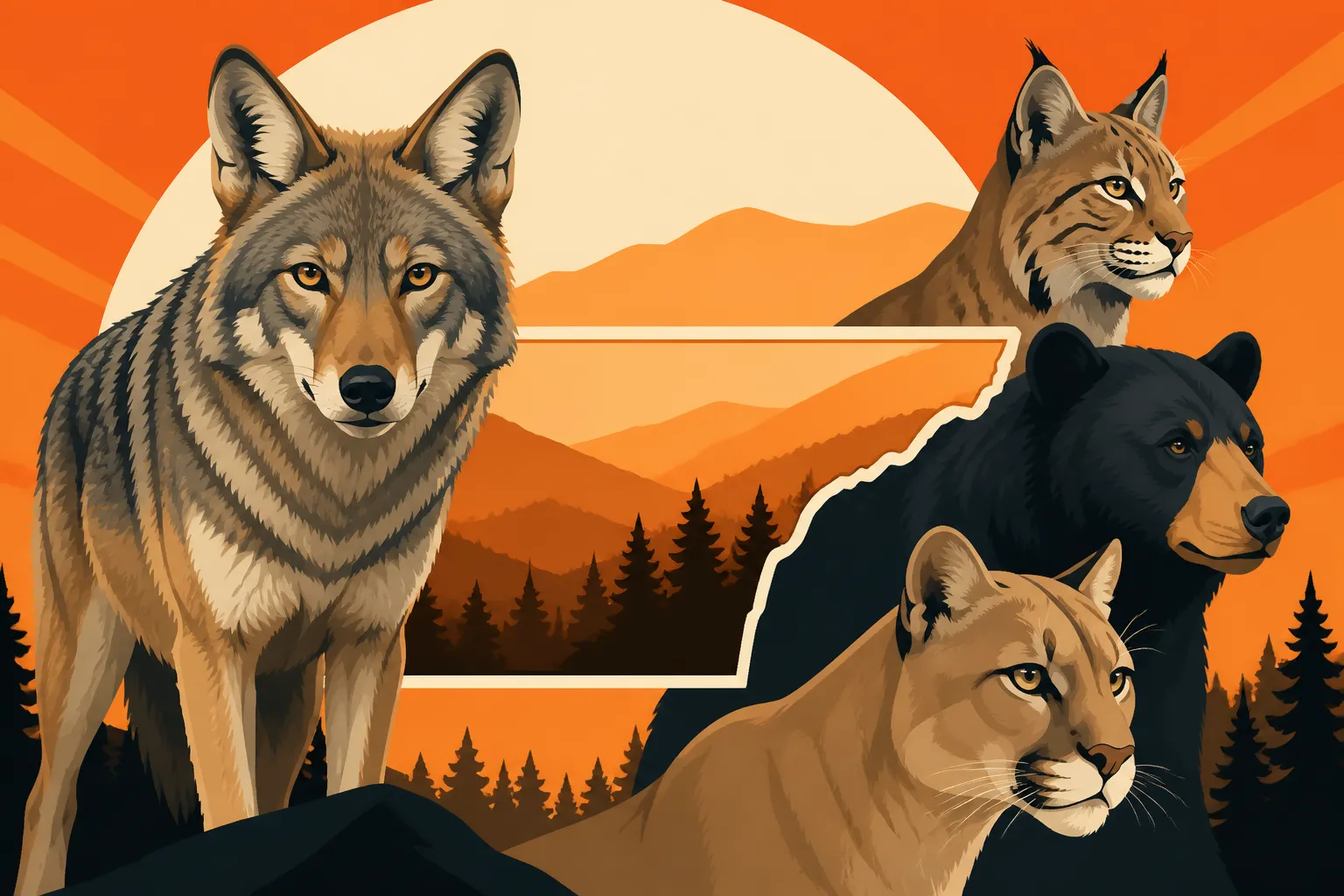
While coyotes often get the most attention, they are by no means the only predators roaming Tennessee's landscapes. Our state is home to a diverse array of species that play crucial roles in the ecosystem, each with their own unique hunting strategies and impact on other wildlife. Understanding this broader predatory landscape helps paint a more complete picture of the challenges and balances in our natural world.
Tennessee's Recovering Bobcat Population
Bobcats are native to Tennessee and represent a truly stunning conservation success story. For many years, these elusive felines were scarce in much of the state, but thanks to responsible wildlife management and improved habitat, their numbers have rebounded significantly. You might not see them often – they're incredibly shy and mostly nocturnal – but they are present in healthy numbers across all regions, from the dense cover of the Cherokee National Forest Hunting lands to the deep woods of the Cumberland Plateau. Bobcats are primarily solitary hunters, relying on stealth and explosive speed to ambush prey. Their diet largely consists of rabbits, squirrels, and small rodents, but they are opportunistic and will take birds, reptiles, and occasionally fawns if the opportunity arises. Unlike coyotes, their impact on adult deer or healthy turkey populations is generally minimal, but they do contribute to the overall predatory pressure on smaller game. Their presence is a good indicator of healthy forest ecosystems.
Black Bears in Tennessee's Eastern Mountains
Tennessee's black bear population is another incredible wildlife success, primarily concentrated in the eastern mountains and spreading westward along significant forested corridors. While not typically thought of as a primary deer or turkey predator in the same way coyotes are, bears are undeniably opportunistic omnivores. Their diet consists mostly of vegetation, nuts, berries, and insects, but they won't pass up an easy meal. This can include fawns, turkey poults, and even carrion from deer killed by other means. As bear populations expand and encounters become more common, particularly in areas near the Great Smoky Mountains National Park, their role as a minor predator of game species becomes more pronounced. A sow with cubs will certainly take advantage of any protein source she can find to support her offspring. Hunters need to be aware of bear activity, especially when tracking downed game, as a bear might beat you to a fresh kill. Their impact is highly localized and seasonal, peaking when fawns are born and natural food sources are less abundant.
Foxes, Weasels, and Other Small Carnivores
Beyond the larger predators, Tennessee is home to a host of smaller carnivores that exert continuous pressure on small game and ground-nesting birds. Both red and gray foxes are common throughout the state. Red foxes tend to prefer more open, agricultural landscapes, while gray foxes are more at home in dense woods, and are unique among canids for their ability to climb trees. Their diets consist largely of rodents, rabbits, and ground-nesting birds like quail and turkey, along with their eggs and young. Weasels, mink, and raccoons also contribute to this predatory mix, often targeting nests and young birds. While individually their impact might seem small, collectively these smaller predators can have a significant effect on local populations of small game and turkeys, especially when combined with habitat loss or other environmental stressors. Understanding their presence is crucial for anyone trying to manage wildlife on their property, as their cumulative effect can sometimes rival that of larger predators.
Understanding Predator Impact on Game Species
The presence of a healthy predator population is a natural and necessary part of any balanced ecosystem. However, when predator numbers reach certain thresholds, or when specific environmental conditions make game species particularly vulnerable, the impact can become a significant concern for hunters and wildlife managers alike. In Tennessee, the primary focus of this concern often revolves around our cherished deer and turkey populations, as well as various small game species.
The Dynamics of Coyote Predation on Deer
Coyote predation on deer is arguably the most talked-about and often most frustrating aspect of predator management in Tennessee. While coyotes can, and do, kill adult deer, their most significant impact is almost exclusively on fawns. Studies across the Southeast have shown that coyotes are the leading cause of fawn mortality in many areas, sometimes accounting for 50-70% of all fawn deaths in the first few weeks of life. Imagine a small fawn, just days old, hidden in tall grass or brush, relying solely on camouflage and stillness for survival. A cruising coyote, with its keen sense of smell and relentless pursuit, can easily locate and dispatch these vulnerable newborns.
The impact isn't just about the number of fawns lost, but also about the age structure of the deer herd. Consistent fawn predation can lead to fewer young deer recruiting into the adult population, which can ultimately depress overall deer numbers and reduce hunting opportunities. This is particularly noticeable in areas with lower deer densities or where other factors, like poor habitat or disease, also limit herd growth. Hunters often report seeing fewer fawns accompanying does in late summer, a direct sign of this intense predation pressure. You might be out Scouting Tennessee Public Land Before Season and notice fewer young deer tracks than you'd expect, leading to questions about what's happening to the fawns.
It’s important to remember that coyotes typically go for the easiest meal. While a healthy, mature buck or doe can often outrun or fight off a coyote, a sick, injured, or very old deer can become prey. But this is the exception, not the rule. The real concern is that critical window of vulnerability for fawns, typically from late May through June in Tennessee.
How Predators Affect Wild Turkey Populations
Wild turkeys, especially their young, are also highly susceptible to various predators. Turkey poults, much like deer fawns, are incredibly vulnerable during their first few weeks of life. Foxes, raccoons, opossums, skunks, bobcats, and certainly coyotes, all pose a threat to turkey nests and young poults. A hen turkey sitting on a nest in a brushy field edge or along a creek bottom is a prime target for a hungry raccoon or fox. Once the poults hatch, they are still flightless and rely on the hen for protection, but their small size and ground-dwelling nature make them easy prey for opportunistic predators.
The impact on turkey populations is often tied to the "poult-to-hen ratio," a key metric wildlife biologists use to gauge reproductive success. If this ratio is consistently low, it indicates that too many poults are being lost, often due to predation, poor weather, or insufficient brooding cover. Hunters can often see the evidence of this when they are Spring Turkey Hunting in Tennessee. You might observe hens with very few poults, or even single poults, where ideally you'd see broods of 6-8 or more. This continuous pressure can limit a local turkey population's ability to grow, even in areas with good habitat for adult birds. The proliferation of generalist predators like coyotes can exacerbate this, as they are often present in higher numbers and exert constant pressure on nesting and brooding turkeys.
Predation Pressure on Small Game Species
While deer and turkey get a lot of the spotlight, small game species like rabbits, squirrels, and quail have always faced intense predation pressure, and for them, predators are an even more constant threat. Every one of Tennessee's common predators, from hawks and owls to foxes, coyotes, and bobcats, regularly preys on these smaller animals.
Consider a cottontail rabbit. Its life is a constant evasion of predators. Their high reproductive rates are a direct evolutionary response to this intense pressure. However, localized increases in predator populations, particularly coyotes, can put additional strain on these populations. For hunters looking to enjoy some Rabbit Hunting Tennessee Fencerows, a noticeable decline in numbers might indicate elevated predator activity in an area.
Quail, which are ground-nesting birds, are especially vulnerable to nest and poult predation from a wide array of animals, including foxes, raccoons, and snakes. While habitat loss is the primary driver of quail declines, increased predator pressure can certainly hinder any recovery efforts. Squirrels, being arboreal, are somewhat safer from ground predators but still fall prey to coyotes, bobcats, and especially raptors. Ultimately, for small game, a diverse and balanced predator-prey relationship is essential, but shifts in predator populations or severe habitat degradation can throw that balance out of whack, making it tougher for these species to thrive.
Hunting and Trapping Regulations for Predators
Successfully managing predator populations, or simply enjoying the opportunity to pursue them, requires a solid understanding of Tennessee's hunting and trapping regulations. Unlike deer and turkey, which have highly structured seasons and bag limits, most predators in Tennessee are classified as furbearers or nuisance animals, and their management often involves more flexible rules designed to allow year-round control in many cases.
General Seasons and Methods for Coyotes and Furbearers
Tennessee offers extremely liberal regulations for hunting coyotes, reflecting their status as an exotic, non-game species whose population needs to be managed. There is no closed season for coyotes, and they can be hunted year-round, day or night. This continuous open season provides ample opportunity for hunters to help control their numbers. Hunters are also allowed to use a wide variety of methods. During daylight hours and within legal hunting seasons for other game, you can use any legal weapon for that game. However, specific rules apply for night hunting.
Night hunting for coyotes is permitted, but requires a small game and furbearer license (or a sportsman's license), and specific regulations regarding light sources must be followed. For instance, while artificial light is generally prohibited for hunting game animals, it is allowed for hunting coyotes and feral hogs at night. This is a crucial distinction and one that many hunters find effective. You'll want to review the current TWRA regulations for specifics on Night Hunting Rules for Tennessee Coyotes. Additionally, electronic calls are legal for coyotes, which can be highly effective for luring them into range. Trapping is also a legal and often more efficient method for consistent coyote removal. Furbearers like bobcats, foxes, raccoons, and opossums also have designated trapping seasons, typically in the fall and winter, allowing harvest for their pelts. These seasons are designed to coincide with when their fur is prime.
Specific Rules for Night Hunting and Calling
Night hunting coyotes is a thrilling and often effective way to manage their numbers, especially when they are impacting deer or livestock. As mentioned, artificial lights are permitted, but there are important restrictions on weapon choice and safety. When hunting at night, many hunters prefer shotguns or rimfire rifles, especially in areas with limited visibility, to ensure shots are taken at safe distances. Understanding your backstop is paramount, even more so in the dark.
Electronic calls are a game-changer for Coyote Calling in Tennessee Farm Country. They can reproduce a wide array of sounds, from distress cries of rabbits or fawns to coyote howls and barks, which can be incredibly effective at drawing in curious or territorial coyotes. Many experienced callers recommend a combination of distress calls and coyote vocalizations to maximize success. Remember, while the hunting season is open year-round, hunters must still possess the appropriate hunting license. Always double-check current TWRA regulations for any updates or specific county restrictions. Some areas, particularly close to municipalities or in densely populated zones, may have additional restrictions on discharging firearms or night hunting. A good resource is the annual Tennessee Hunting and Trapping Guide, which you can usually find through the TWRA website or at local license vendors.
Trapping Regulations and Best Practices
Trapping is an indispensable tool for wildlife management, especially for furbearers and coyotes, where continuous pressure is needed. Tennessee has specific regulations governing trap types, sizes, and setting locations to ensure ethical and humane practices. Foothold traps, snare traps, and cage traps are generally permitted, but certain trap sizes and jaw spreads might be restricted in specific areas or for particular species. For instance, larger foothold traps suitable for coyotes would typically not be used for smaller furbearers like mink or muskrats.
When Running a Trapline in Rural Tennessee, trappers must ensure their traps are checked regularly, typically within 24-36 hours, to prevent undue stress to captured animals. Trappers also need to acquire a trapping license, in addition to a general hunting and fishing license. Best practices in trapping involve setting traps in areas of high animal activity, camouflaging them effectively, and using appropriate baits or lures. Education is key for ethical trapping; the TWRA offers trapper education courses that cover everything from trap selection and setting techniques to animal handling and pelt preparation. Responsible trapping not only helps manage predator populations but can also provide a valuable source of income through fur sales, contributing to local economies.
| Predator Species | Primary Hunting Season | Night Hunting Allowed | Primary Trapping Season | Typical Diet |
|---|---|---|---|---|
| Coyote | Year-round | Yes (with light rules) | Year-round | Rodents, rabbits, fawns, turkey poults, carrion, fruits |
| Bobcat | Fall/Winter | No | Fall/Winter | Rabbits, squirrels, rodents, birds, occasional fawns |
| Red Fox | Fall/Winter | No | Fall/Winter | Rodents, rabbits, birds, insects, fruit, eggs |
| Gray Fox | Fall/Winter | No | Fall/Winter | Rodents, rabbits, birds, insects, fruit, eggs |
| Raccoon | Fall/Winter | Yes | Fall/Winter | Crayfish, nuts, berries, insects, eggs, small mammals, corn |
| Opossum | Fall/Winter | Yes | Fall/Winter | Carrion, insects, fruits, nuts, eggs, small animals |
Note: Always consult the latest TWRA hunting and trapping regulations for precise dates, bag limits, and specific rules in your area, as these can change annually.
Effective Predator Management Strategies
Predator management isn't a one-size-fits-all solution, especially in a state as diverse as Tennessee. For hunters and landowners aiming to protect game populations or livestock, a multi-faceted approach is often the most effective. This involves a combination of direct removal, habitat improvements, and understanding the behavior of the predators you're targeting. The goal isn't typically eradication, which is largely impossible and ecologically undesirable, but rather localized control to reduce pressure on vulnerable prey at critical times.
Trapping and Hunting for Population Control
Direct removal through hunting and trapping is the most immediate and often most effective method for controlling localized predator populations, particularly coyotes. For instance, if you're experiencing significant fawn losses or a decline in turkey poults on your property, ramping up your efforts to remove coyotes during late winter and early spring, just before fawning and nesting season, can make a tangible difference. Night hunting, as discussed, can be highly productive, especially when using distress calls. Many hunters find success by setting up on field edges or along logging roads where coyotes travel.
Trapping, however, often provides more consistent removal rates. A skilled trapper can target specific coyotes that are frequenting an area, especially those that have become proficient at preying on game. By focusing efforts on specific problem areas, whether it's around a known deer bedding area or near turkey nesting sites, you can reduce the number of individuals exerting pressure on game. The key is persistence and consistency. Predators like coyotes have high reproductive rates, so a one-time effort won't cut it. It requires an ongoing commitment to make a lasting impact. Using mapping apps like GoHunt can help you identify high-traffic areas for predator sign, allowing for more strategic trap placement and hunting setups.
Habitat Improvements to Benefit Prey Species
While direct removal addresses the predator, improving habitat addresses the prey, making them less vulnerable. This is a critical, long-term strategy that often yields more sustainable results. For deer, creating dense, diverse cover areas provides fawns with more hiding spots, making it harder for coyotes to find them. This could involve selective timber thinning to promote understory growth, planting warm-season grasses, or allowing certain areas to grow up in thick briar patches. These "nursery areas" are vital.
For turkeys, good nesting and brooding habitat is paramount. This means providing areas of relatively undisturbed tall grasses, weeds, and brushy cover for hens to lay eggs, and then later, areas with overhead cover and open understories (like prescribed burned areas or thinned timber) where poults can easily forage for insects while remaining protected from aerial and ground predators. Improving overall food sources for deer and turkeys also strengthens the herd and flock, making them more resilient to predation pressure. Think about creating diverse food plots that provide year-round nutrition or managing timber to promote natural mast crops. When deer and turkey are healthier and have better escape cover, they are naturally better equipped to survive encounters with predators.
Deterrent Methods and Livestock Protection
For landowners dealing with specific issues like livestock predation, deterrent methods become crucial. While not directly aimed at managing game species, these methods can reduce overall predator pressure in an area. For instance, installing strong, woven-wire fences can deter coyotes from accessing pastures where sheep, goats, or calves are kept. Electric fences, particularly those with multiple strands and high voltage, can be very effective.
Guard animals, such as donkeys, llamas, or specific breeds of dogs (e.g., Great Pyrenees, Anatolian Shepherds), have also proven successful in protecting livestock by actively harassing and chasing away predators. Visual deterrents like flashing lights or noisemakers can sometimes provide temporary relief, especially if predators are unaccustomed to them. Proper carcass disposal is also vital; leaving dead livestock or deer carcases in the open can attract coyotes and other scavengers, habituating them to an area and potentially leading to future predation issues. Understanding the local Tennessee Coyote Attacks on Livestock history can help you choose the most appropriate deterrents for your specific situation. Combining these deterrents with targeted trapping of problem animals can significantly reduce losses.
Debunking Predator Myths and Misconceptions
When it comes to predators, particularly coyotes, there's a lot of misinformation and anecdotal evidence floating around that can muddy the waters of effective management. It's easy to fall into the trap of believing sensational stories or misinterpreting observations. A realistic understanding, based on scientific research and biological facts, is crucial for developing sound management strategies and avoiding unnecessary frustrations.
The "Shoot-Shy" Coyote Fallacy
One common myth that circulates among hunters is the idea that coyotes quickly become "shoot-shy" or "educated" once they've been shot at, making them impossible to hunt in certain areas. While it's true that coyotes are intelligent and learn to avoid danger, the idea that a few hunting attempts will render an entire population unhuntable is largely a fallacy. Coyotes react to pressure, yes, but they also have distinct territories and travel patterns. If you hunt a specific area heavily, those individual coyotes might become more wary and avoid that particular spot, but new coyotes will often move in from surrounding areas.
Furthermore, a significant portion of the coyote population consists of younger, less experienced animals that are still learning the ropes. These younger coyotes are often less wary and more susceptible to calling and hunting efforts. The notion that you can't hunt them after a few tries often leads to hunters giving up prematurely. The reality is that consistent pressure, whether through hunting or trapping, will always remove individuals from the population, even if others temporarily become more cautious. Persistence is key, not the belief that they become "unhuntable." In fact, often what's perceived as "shoot-shy" is simply the coyote moving to less pressured areas of their established home range, or even a new coyote moving into an area.
Exaggerated Impact on Mature Deer and Elk
Another frequent misconception is that coyotes are regularly taking down healthy, mature deer, or even posing a significant threat to elk. While a coyote can kill an adult deer, especially if it's sick, severely injured, or extremely old, this is a rare occurrence and not their typical mode of operation. A healthy adult deer, particularly a mature doe or buck, is more than capable of outrunning, outmaneuvering, or even fighting off a single coyote or even a small pack. Their primary impact, as detailed before, is on vulnerable fawns during their first few weeks of life.
The idea of coyotes regularly preying on Tennessee's Tennessee's Restored Elk Herd is even more far-fetched. Elk are massive animals, and even a small calf is far too large and protected by its mother and herd to be a viable target for coyotes. While a coyote might scavenge on an elk carcass, actively killing a healthy elk is simply not within their predatory capability or typical behavior. It's crucial not to inflate the impact of coyotes beyond what science demonstrates, as it can lead to misdirected management efforts and undue panic. Focusing on fawn survival is where the true impact and management efforts should lie.
The Myth of Eradication and the "Vacuum Effect"
The concept of completely eradicating coyotes from any given area is a persistent myth, and one that scientific research has consistently debunked. Coyotes are too adaptable, too prolific, and too widespread to be eradicated. Any localized attempt at complete removal will almost certainly lead to what biologists call the "vacuum effect." When a significant number of coyotes are removed from an area, it creates a void, a "vacuum," that is quickly filled by new coyotes dispersing from surrounding territories. These dispersing coyotes are often young, looking for new territories, and can even have larger litter sizes in response to reduced competition and increased food availability.
This phenomenon highlights why sustained, targeted management is more effective than attempting complete eradication. Instead of trying to eliminate them entirely, which is an impossible and costly endeavor, the goal should be to manage their numbers to acceptable levels, particularly during critical periods for game species. Understanding that coyotes will always be a part of the Tennessee landscape helps set realistic expectations for predator management and ensures efforts are focused on achievable goals. Using tools like GoHunt to track their movements can help you understand that new coyotes are always moving in.
Coexisting with Tennessee's Apex and Opportunistic Hunters
Learning to coexist with predators is an essential part of living in a state as wild and beautiful as Tennessee. While direct management is sometimes necessary, especially for coyotes impacting game or livestock, a broader understanding of their role in the ecosystem and adopting realistic expectations can make the challenges feel less daunting. After all, these animals are an integral part of our natural heritage, and their presence speaks to the health of our wild spaces.
The Ecological Role of Predators in a Balanced Ecosystem
Predators play a vital and often underappreciated role in maintaining a healthy, balanced ecosystem. They act as natural selection, removing the weak, sick, and old from prey populations. This helps to keep prey herds strong and genetically robust. For example, Tennessee Deer Herd Size is influenced by many factors, and coyotes contribute to keeping it in check, preventing overpopulation which could lead to habitat degradation and disease outbreaks. Predators also help to control populations of smaller animals like rodents and rabbits, which can have significant impacts on agricultural crops and forest regeneration if their numbers swell unchecked.
Consider the role of scavengers, too. Coyotes, foxes, and even black bears, will readily consume carrion, cleaning up dead animals and preventing the spread of disease. While their impact can be frustrating for hunters and landowners, the absence of predators can lead to its own set of ecological problems, such as widespread disease among prey animals or localized overbrowsing of vegetation. A truly healthy ecosystem includes a dynamic balance between predators and prey.
Minimizing Conflict in Residential and Rural Areas
As human populations expand and suburban areas push further into what was once rural land, encounters with predators become more common. Minimizing conflict requires understanding predator behavior and taking proactive steps to avoid attracting them. For homeowners, securing trash cans, feeding pets indoors, and never leaving pet food outside can prevent coyotes, foxes, and raccoons from becoming habituated to human presence.
Protecting pets is also paramount. Keeping cats indoors, especially at night, and supervising dogs, particularly small breeds, when they are outside, can significantly reduce the risk of an encounter. In rural settings, securing chicken coops with strong wire mesh and ensuring livestock pens are robust can deter many common predators. If you have chickens, for instance, a sturdy coop that's sealed at night can prevent losses to raccoons, opossums, and foxes. Understanding where Tennessee Black Bears Live means securing bird feeders and outdoor grills in bear country. Hazing, which involves shouting, making loud noises, or throwing small objects, can also help reinforce a coyote's natural fear of humans if they become too bold.
Reporting Sightings and Abnormal Behavior
While normal predator activity is part of living in Tennessee, there are times when reporting sightings or unusual behavior to the Tennessee Wildlife Resources Agency (TWRA) is appropriate. If you observe a predator that appears sick, injured, or is exhibiting aggressive behavior towards humans or pets, contacting your local TWRA office or wildlife officer is the right course of action. They have the expertise to assess the situation and intervene if necessary.
Similarly, if you're a landowner experiencing significant livestock losses, documenting the incidents and reporting them to the TWRA can help them understand local predator dynamics and potentially offer solutions. Using apps like GoHunt can help you log your sightings and share data with others, contributing to a broader understanding of wildlife movements and concentrations. However, for typical sightings of healthy, wild coyotes or bobcats, simply enjoying the rare glimpse of these magnificent animals from a distance is usually the best approach. They are generally wary of humans and prefer to avoid us. Your vigilance helps ensure both human and wildlife safety.
Future of Predator Management in Tennessee
The landscape of wildlife management is constantly evolving, and predator management in Tennessee is no exception. As our understanding of these complex animals grows, and as environmental conditions and human populations shift, so too will our strategies for managing coyotes and other predators. The future will likely involve a blend of traditional methods and innovative approaches, always with the goal of fostering healthy ecosystems and minimizing human-wildlife conflict.
Ongoing Research and Monitoring Efforts
One of the most critical aspects of future predator management is continued scientific research and monitoring. The TWRA and university researchers are constantly studying predator populations, their diets, reproductive success, and their impact on game species. Understanding Tennessee Coyote Range and Density helps biologists identify areas where predator pressure might be unusually high or where certain management interventions could be most beneficial. For instance, studies on fawn survival rates in different DMUs can inform specific strategies for coyote removal in those areas.
Technological advancements, such as GPS collaring, trail cameras, and genetic analysis, provide invaluable data that allows wildlife managers to make informed decisions. These tools help track individual animal movements, population demographics, and even the spread of diseases within predator populations. This ongoing research is essential for moving beyond assumptions and ensuring that management actions are based on the best available scientific evidence, adapting as new information comes to light.
Adapting to Human Population Growth and Habitat Changes
Tennessee is experiencing significant human population growth, particularly in and around its major cities. This expansion inevitably leads to habitat fragmentation and increased interface between humans and wildlife. As houses and developments push into previously wild areas, encounters with coyotes, foxes, and even black bears become more frequent. Future predator management will need to increasingly focus on strategies for peaceful coexistence in these suburban and exurban environments. This means greater emphasis on public education regarding wildlife-proofing homes, responsible pet ownership, and understanding normal versus abnormal predator behavior.
Habitat changes, such as shifts in agricultural practices, forest management, and the impacts of climate change, will also influence predator and prey dynamics. For example, changes in food availability for prey species could make them more vulnerable to predation. Managers will need to be flexible, adapting their strategies to these evolving conditions, perhaps by creating more escape cover in fragmented landscapes or promoting specific food sources that benefit prey.
The Role of Hunters and Landowners in Future Management
Hunters and landowners will continue to play a pivotal role in the future of predator management in Tennessee. As the primary boots-on-the-ground conservationists, their efforts in actively hunting and trapping coyotes and other furbearers are essential for localized population control. Education and participation in hunter education courses, like those covering Tennessee Hunter Education Requirements, will remain crucial.
The responsible collection of data, such as reporting coyote sightings or submitting animals for disease testing (like CWD testing for deer, which might indirectly provide predator data if fawns are scavenged), contributes to the larger management picture. Landowners who implement habitat improvement projects, deter predators from livestock, or allow ethical predator hunting on their property are directly contributing to healthy wildlife populations. Collaborative efforts between private landowners, hunters, and the TWRA will be vital for addressing the ongoing challenges and opportunities presented by Tennessee's diverse predator populations in the years to come. Ultimately, it’s a shared responsibility to maintain the ecological balance that makes Tennessee such a special place for wildlife.
Disclaimer
The information provided in this guide is for informational purposes only and is not a substitute for professional advice. Hunting and trapping regulations can change annually. Always consult the most current Tennessee Wildlife Resources Agency (TWRA) regulations and local laws before engaging in any hunting or trapping activities. Safety should always be your top priority.