Tennessee Deer Herd Size
As hunters, one of the first questions we often grapple with, especially when planning a trip or considering a new hunting area, is simply: "How many deer are there?" It's a fundamental query, driven by our desire to understand the health and potential of the herd, but getting a definitive answer can feel like chasing a phantom. This guide aims to shed light on how Tennessee's deer population is understood and managed, giving you a clearer picture of what to expect in the field.
Understanding Tennessee's White-Tailed Deer Population Estimates
When we talk about the Tennessee Deer Herd Size, it's important to remember that we're dealing with estimates, not exact counts. Imagine trying to count every single deer across our diverse landscapes – from the swamps of West Tennessee to the peaks of the Appalachians! It's a monumental task, but the Tennessee Wildlife Resources Agency (TWRA) employs sophisticated methods to provide us with reliable figures that guide management decisions and help us plan our hunts.
How the TWRA Estimates Deer Numbers
The TWRA doesn't just pull numbers out of thin air. They rely on a combination of scientific methodologies and invaluable data contributed by hunters like us. One primary method involves analyzing harvest data – the number of deer reported taken each season. When you report your deer through the Go Outdoors Tennessee system, whether online or by phone, you're directly contributing to this critical dataset. This information helps wildlife biologists understand trends in deer populations, including the age structure of bucks and does, and regional harvest success rates. It's a powerful feedback loop that depends heavily on hunter participation.
Beyond harvest numbers, biologists conduct spotlight surveys in specific areas, driving designated routes at night to count deer seen. These surveys, while not comprehensive statewide, provide crucial indices of population density and allow for year-over-year comparisons. They also look at fawn recruitment rates, which is essentially how many fawns survive to become part of the adult population. A high fawn recruitment rate suggests a healthy, growing herd. They also monitor buck-to-doe ratios, which are vital for understanding breeding dynamics and overall herd health. All these pieces of the puzzle come together to form an educated estimate of the statewide herd. It’s a testament to dedicated wildlife management that we have these insights, even if a precise, individual count is impossible.
Historical Trends and Current Herd Size
It’s easy to forget that Tennessee's deer population wasn't always as robust as it is today. Back in the early 20th century, white-tailed deer were scarce, driven to near extinction by unregulated hunting and habitat loss. The incredible success story of deer restoration in Tennessee is a prime example of effective wildlife management and conservation efforts. From a handful of deer in a few isolated areas, the population has rebounded dramatically over the last 80 years. This wasn't accidental; it was the result of strategic reintroductions, habitat improvements, and carefully regulated hunting seasons.
Today, Tennessee boasts a thriving deer herd across virtually every county. While the exact statewide figure fluctuates annually based on a myriad of factors – including fawn recruitment, harvest rates, and disease prevalence – the overall trend has been one of healthy, sustainable growth. While the TWRA doesn't release one single, static number for the statewide herd size, their harvest reports and population indices indicate a very strong and adaptable deer population. This healthy population supports robust hunting opportunities, from the August antlerless-only archery hunt to the general gun season extending into January. This consistent management ensures that future generations will also have the opportunity to experience the thrill of Bowhunting Tennessee's Long Archery Season or Tennessee's Gun Deer Season Into January.
Regional Variations in Tennessee Deer Density
Tennessee is a state of incredible topographical diversity, and this variety directly influences where deer thrive and in what numbers. You simply can't compare deer density in the fertile river bottoms of West Tennessee to the steep, forested ridges of the Cumberland Plateau – it's like comparing apples to oranges, or perhaps more accurately, cornfields to deep timber. Understanding these regional differences is key to successful hunting, as what works in one part of the state might be completely ineffective in another.
West Tennessee's Productive Bottomlands
If you're looking for sheer numbers, West Tennessee often delivers. This region is characterized by flat, fertile agricultural lands, particularly along major river systems like the Mississippi and the Tennessee River. These areas are veritable food factories for deer, with vast fields of corn, soybeans, and winter wheat providing an endless buffet. The rich soils also support dense stands of hardwoods, offering excellent cover and consistent mast crops. This abundance of food and cover translates directly into higher deer densities and, often, bigger-bodied deer with impressive antlers, given enough age.
Hunters in West Tennessee often focus their efforts on field edges, drainages, and isolated woodlots within agricultural landscapes. Tactics like Hunting West Tennessee Bottomland Deer or setting up along an Entry Routes Through Standing Beans can be incredibly effective here. You'll find that deer patterns are heavily influenced by crop rotations and agricultural activity. For example, a standing cornfield offers incredible cover and food, making it a prime spot for deer to bed and feed, as detailed in Hunting a Standing Cornfield in Farm Country. When those crops are cut, deer patterns can shift dramatically, forcing hunters to adapt quickly.
The Cumberland Plateau and Eastern Mountains
Venturing eastward, the landscape transforms dramatically into the rugged terrain of the Cumberland Plateau and the foothills of the Appalachian Mountains. Here, the deer density tends to be lower than in the agricultural heartland of West Tennessee. The habitat is dominated by expansive forests, characterized by mature hardwoods, steep hollows, and dense undergrowth. While there are fewer large agricultural fields, the deer here rely heavily on natural mast crops like acorns and various browse.
Hunters often describe these mountain and plateau deer as tougher, more wild animals, accustomed to navigating challenging terrain. They might not be as numerous, but mature bucks in these areas can be absolute giants, having to work harder for their food and often living longer due to the less accessible habitat. Understanding Cumberland Plateau Deer Density means recognizing that finding deer might require more effort and longer walks into remote areas. Strategies often revolve around identifying food sources, funnels, and bedding areas within this vast timber, such as using Wind and Thermals on a Ridge System to your advantage or scouting Where Cumberland Plateau Bucks Bed.
Middle Tennessee's Mixed Habitat
Middle Tennessee presents a fascinating blend of both worlds. Here, you'll find a mix of rolling hills, smaller agricultural operations, extensive woodlands, and increasingly, suburban expansion. This varied landscape leads to highly localized deer densities. In some rural areas, particularly those with good cover and diversified crops, deer numbers can be quite high. However, as you approach urban centers like Nashville or Murfreesboro, you'll encounter deer populations living in closer proximity to human development.
These "suburban" deer often behave differently, becoming accustomed to human presence and frequently using smaller woodlots, creek bottoms, and even residential green spaces for cover and food. Hunting these areas requires unique approaches, often with archery equipment, as explored in Hunting Small Woodlots Near Suburban Nashville. The challenge in Middle Tennessee is often less about finding deer, and more about finding accessible hunting land and navigating the complexities of hunting close to population centers. Whether it's a small private tract or a carefully managed WMA, understanding the localized nuances of habitat and pressure is paramount to success.
Key Factors Influencing Tennessee's Deer Population
The health and size of Tennessee's deer herd are in a constant state of flux, influenced by a complex interplay of environmental factors, disease, and human activity. As hunters, understanding these dynamics isn't just academic; it directly impacts our success rates and the long-term sustainability of our cherished hunting traditions.
Habitat, Food Sources, and Environmental Pressures
Deer are creatures of habit and opportunity, and their populations directly reflect the quality and availability of their habitat. In Tennessee, this means a mosaic of influences. Agricultural practices play a massive role, with fields of corn, soybeans, and winter wheat providing abundant, high-calorie food sources. Changes in crop rotation or land use can drastically alter local deer patterns and densities. Timber harvesting also has a profound impact; clear-cuts, for example, can create thick, regenerating browse that acts as excellent food and cover for a few years, but as the forest matures, these areas become less productive.
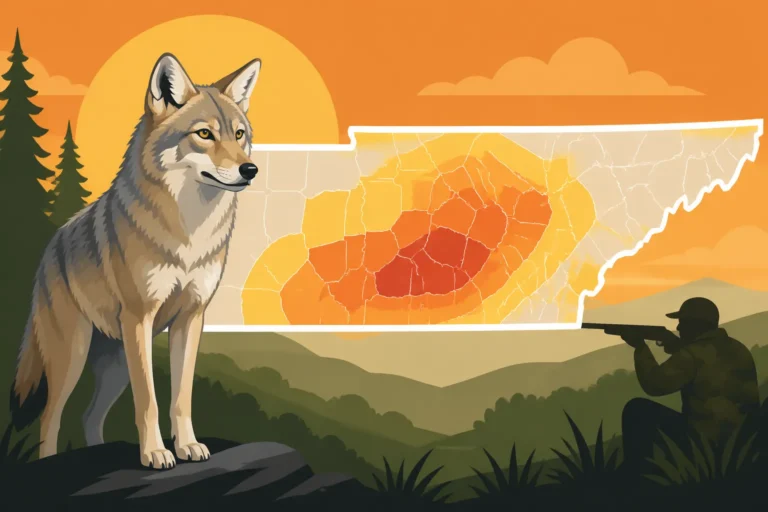
Natural food sources, particularly mast crops like acorns, are incredibly important. A bumper acorn crop can mean well-fed deer going into winter, leading to healthier fawns and better antler growth the following year. Conversely, Hunting After a Poor Acorn Year can be challenging, as deer must work harder to find food, leading to more widespread movement and potentially lower body weights. Environmental pressures like severe winters, though less common in Tennessee, or prolonged droughts can also stress deer populations. Additionally, while Tennessee's wild hog population is often mentioned in conjunction with deer, it's also worth noting the challenges posed by predators. Coyotes, in particular, can have a significant impact on fawn survival rates, especially in areas with less cover. Understanding Tennessee Predator Impact on Fawn Recruitment is a critical part of the larger ecological picture.
Disease and Its Management Challenges
Perhaps the most significant and concerning factor currently influencing Tennessee's deer herd is Chronic Wasting Disease (CWD). This neurological disease is always fatal to deer and elk, and its presence presents a serious long-term challenge to herd health. The TWRA has implemented stringent regulations and monitoring efforts within Tennessee's Chronic Wasting Disease Management Zone, which spans several counties. These measures include mandatory harvest reporting, carcass transportation restrictions, and robust CWD testing programs. Hunters play a vital role in disease management by adhering to these regulations and submitting their harvested deer for testing.
The spread of CWD, as seen in how CWD keeps spreading east from West Tennessee, is a stark reminder of the interconnectedness of our deer populations. Beyond CWD, Hemorrhagic Disease (EHD), often referred to as "blue tongue," is another significant factor. EHD is a viral disease transmitted by biting midges, and it can cause localized die-offs, especially during hot, dry summers followed by early frosts. While deer populations usually rebound from EHD outbreaks, understanding EHD Die-Offs in Tennessee Deer helps explain sudden drops in deer sightings in specific areas. The TWRA continuously monitors for these diseases, and our cooperation as hunters is essential for managing their impact on the herd.
The Hunter's Role and Management Strategies
As hunters, we aren't just consumers of the resource; we are active participants in its management. Our actions, from how we hunt to how we report our harvests, directly contribute to the sustainability and health of Tennessee's deer herd. The TWRA relies on a balanced approach, using regulations to ensure healthy populations while providing ample opportunities for ethical hunting.
Harvest Management and Antlerless Opportunities
One of the most powerful tools in deer herd management is harvest regulation. By setting seasons, bag limits, and antler restrictions, the TWRA can fine-tune the herd to meet biological goals. This often means encouraging antlerless harvest to control population growth and maintain a healthy buck-to-doe ratio, especially in areas with high deer densities. Understanding the Tennessee Deer Season Structure Explained is crucial, as is knowing your specific DMU (Deer Management Unit) and its associated antlerless limits. For instance, hunters in DMUs One Through Three Antlerless Limits have different opportunities than those in other units, all designed to achieve specific management objectives for that region.
In CWD-positive counties, additional incentives exist, like the "earn-a-buck" program, where harvesting an antlerless deer and submitting it for CWD testing can earn you a bonus antlered deer tag. This initiative, detailed in Tennessee's Earn-a-Buck CWD Program, encourages increased antlerless harvest and vital disease surveillance. It's a clear example of how hunters can directly aid conservation efforts. For those new to the state or looking to refresh their knowledge, resources like the GoHunt platform often provide excellent summaries of these regulations, helping hunters make informed decisions before heading afield.
Utilizing Resources for Better Understanding
In today's digital age, hunters have an unprecedented array of tools at their disposal to better understand deer populations and plan their hunts. The TWRA's own mobile app, for example, is an indispensable resource. Scouting With the Tennessee TWRA App allows you to check regulations, locate WMAs, and even report your harvest directly from the field. It's a digital companion that can put a wealth of information right in your pocket.
Beyond official channels, various mapping and scouting platforms offer detailed aerial imagery, property boundaries, and public land overlays, helping you identify potential hotspots and understand deer movement patterns. Tools like these can help you visualize Reading Aerial Photos for Cumberland Plateau Deer or identify bedding areas and travel corridors. By combining official TWRA data with advanced scouting tools and your own observations in the field, you can develop a comprehensive understanding of local deer populations. The more informed you are, the more strategic and successful your hunting efforts will be, contributing to both your personal enjoyment and the greater good of Tennessee's wildlife resources.
| Region | Typical Habitat | Deer Density (Relative) | Common Characteristics | Key Hunting Focus |
|---|---|---|---|---|
| West Tennessee | Agricultural fields, river bottoms, dense woodlots | High | High fawn recruitment, good body size, abundant food | Field edges, creek bottoms, isolated woodlots |
| Middle Tennessee | Rolling hills, mixed hardwoods, suburban fringes | Moderate to High | Variable density, adaptable deer, increasing urban deer | Small tracts, timbered draws, managed WMAs |
| Cumberland Plateau | Rugged forests, steep hollows, mast crops | Moderate | Lower density, older bucks, rely on natural food sources | Ridgelines, saddles, natural funnels, remote areas |
| Eastern Mountains | Steep terrain, extensive timber, limited agriculture | Low to Moderate | Hardier deer, lower numbers, challenging access | Deep woods, mast crop locations, elevation changes |
Disclaimer
This article is for general informational purposes only and does not constitute professional advice. Laws, prices and regulations vary by location and change over time. Consult a qualified professional for guidance on your specific situation.