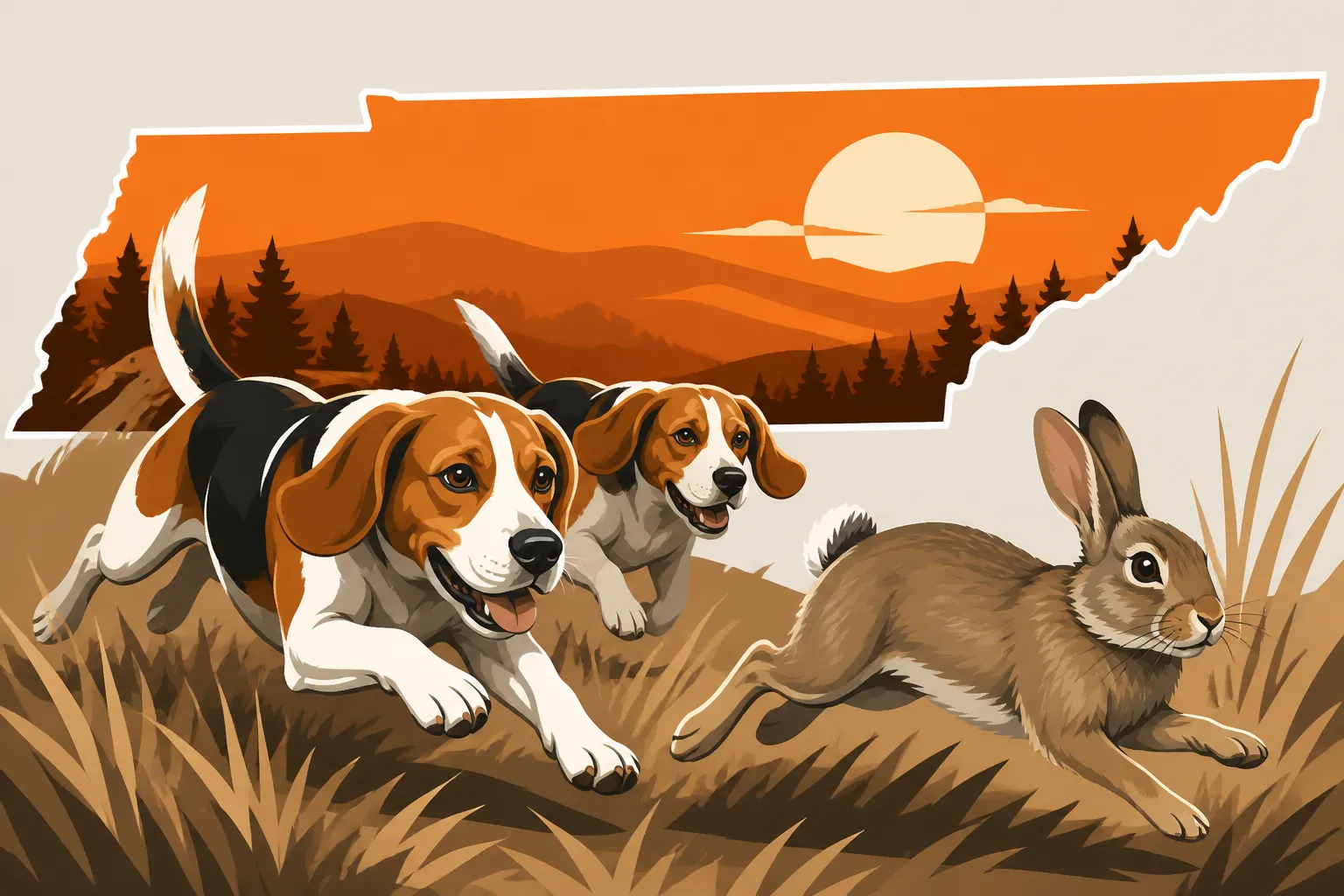
Running Beagles on Tennessee Cottontails
There’s nothing quite like the music of a beagle pack hot on the trail of a cottontail, the excitement building with every yelp and bay. But finding good rabbit country and running your dogs effectively in Tennessee’s diverse landscapes can be a real challenge, from dense briar patches to open farm fields. This guide is dedicated to helping you maximize your time afield, understand the best habitats, master dog handling, and navigate the rules to enjoy successful rabbit hunts with your beloved beagles in the Volunteer State.
Understanding Tennessee's Rabbit Habitat for Beagles
Tennessee is a patchwork of habitats, from the rugged mountains in the east to the fertile river bottoms in the west. This means that successful rabbit hunting with beagles often comes down to knowing where to find the little cottontails, and how those spots change throughout the season. You can’t just walk into any patch of woods and expect a chase; rabbits are particular, and so are beagles.
Identifying Prime Cottontail Cover
Rabbits are masters of concealment, always seeking out thick, tangled cover that offers both protection from predators and a ready food source. When you're scouting for a good spot to turn out your beagles, you're looking for what we often call "edge habitat." This isn't just a fancy term; it's where two different types of habitat meet, creating a diverse buffet and safety net for rabbits.
Think about overgrown fencerows that border agricultural fields. These aren't just lines on a map; they're superhighways and safe houses for rabbits. The fence provides a barrier, the brush offers hiding spots, and the adjacent field provides food like clover, young grasses, and crop remnants. Similarly, old logging cuts where young pine and briars have taken over are fantastic. These areas are usually too thick for larger game to move through easily, but they're perfect for a quick-footed cottontail trying to evade a baying beagle. Creek bottoms with tangled honeysuckle, multiflora rose, and grapevines also serve as excellent rabbit havens. The slightly moist ground often means lush vegetation, and the dense undergrowth is impenetrable enough to give a rabbit a fighting chance against predators, or even a determined beagle. If you're struggling to find these spots, consider checking out some tips for Rabbit Hunting Tennessee Fencerows to hone your scouting eye.
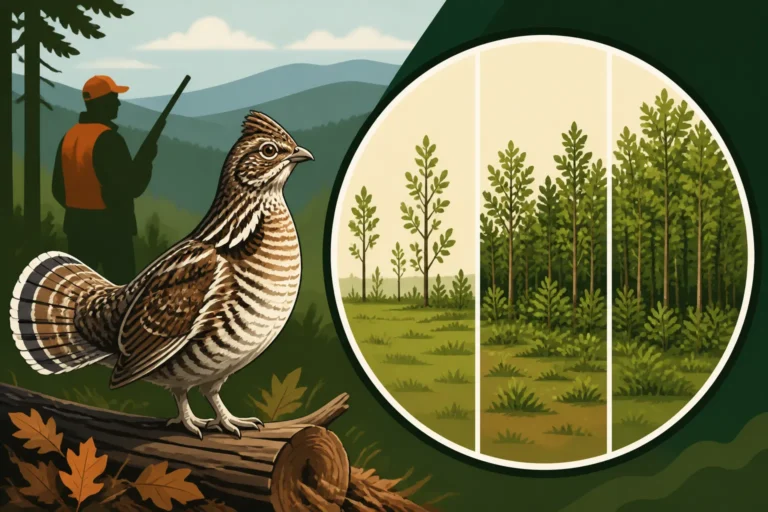
It's not just about what's in the cover, but also what's around it. A briar thicket next to a harvested cornfield is going to hold more rabbits than one deep in a mature oak forest. Why? Because food is readily available without having to travel far, reducing exposure to coyotes, hawks, and other dangers. Look for areas where early successional growth is abundant – think about clear-cuts that are 3-7 years old, old homesteads that have gone to brush, or even the edges of power line easements where regular mowing encourages new growth. These places are often overlooked by deer hunters but are goldmines for the small game enthusiast.
Seasonal Changes and Rabbit Movement
Just like any other wildlife, cottontails don't stay put year-round, and their behavior shifts with the seasons. Understanding these subtle changes can give your beagle pack a real advantage. In the early fall, before the leaves drop, rabbits might be spread out in relatively thinner cover. The lush vegetation provides ample hiding spots, so they don't need to concentrate in the thickest briar patches just yet. This can make for some challenging hunts, as they have more options to ditch the dogs.
Once the hard freezes hit and the leaves come down, rabbits will start to funnel into the densest cover available. Those sprawling briar patches, honeysuckle tangles, and thick evergreens become their primary refuge. This is when the hunting often gets better because rabbits are more concentrated, and when a beagle jumps one, it's more likely to circle back through predictable thickets, making for a longer, more enjoyable chase. This late-season movement means that the same patch of woods you hunted in October might be completely different in December.
The amount of available food also plays a significant role. After a good mast year, rabbits might linger more in wooded areas, feasting on fallen acorns and seeds. But in lean years, they'll gravitate much more heavily to agricultural edges or specific food plots that offer reliable forage. Pay attention to local agricultural practices; a freshly cut soybean field might be a temporary hot spot as rabbits clean up the scraps, but they'll quickly retreat to the nearest dense cover. Monitoring Tennessee's Small Game Season Rules can also give you insights into when the season aligns best with these natural movements, ensuring you're hunting when conditions are optimal.
Weather also impacts movement. On cold, windy days, rabbits tend to hunker down deep in cover, making them harder to jump initially. But once they are jumped, they're often less willing to run wide open and will stick to thicker cover, providing those classic, tight-circling beagle races we all love. On warmer, overcast days, they might be more active and willing to run. Learning to "read" the season and the weather in conjunction with the habitat is a skill that comes with time, but it's invaluable for a successful rabbit hunter.
Essential Gear and Dog Care for Beagle Hunters in Tennessee
Rabbit hunting with beagles isn't just about the dogs; it's a team effort that requires hunters to be just as prepared. You'll be traversing challenging terrain, dealing with unpredictable weather, and keeping an eye on your hounds. Having the right gear and knowing how to properly care for your beagles before, during, and after the hunt are crucial for safety and success.
Must-Have Gear for Hunter and Hounds
Let's be realistic, rabbit hunting in Tennessee means dealing with briars, mud, and uneven ground. You're not going for a leisurely stroll. For the hunter, rugged, briar-proof clothing is non-negotiable. Look for durable briar pants or chaps made from tough nylon or canvas. Brands like Dan's Hunting Gear or Filson make excellent options that can stand up to the abuse. A good upland vest is also key, providing plenty of pockets for shells, a GPS, water, and, most importantly, a large game bag for your harvest. Consider Upland Vests With Water Capacity to keep yourself and your dogs hydrated.
Footwear is another critical component. You'll be walking for miles, often through wet, uneven terrain. Waterproof, comfortable hunting boots with good ankle support are a must. Many Tennessee hunters swear by rubber boots, especially in the soggy bottomlands, to keep their feet dry and protected from thorns. You might also want to consult guides on Boots for Walking Tennessee Ridges if you're venturing into hillier country. Don't forget a blaze orange hat and vest for safety, especially if you're hunting with a group or on public land during deer season overlap.
For your beagles, their safety and tracking are paramount. GPS collars are, in my opinion, a non-negotiable item. With a good GPS system like those from Garmin Alpha or SportDOG Tek series, you can track your dogs' exact location, know their speed, and even monitor their barking patterns. This is invaluable when a rabbit takes your dogs out of sight, or even worse, when a dog gets lost. The peace of mind alone is worth the investment, especially if you're on unfamiliar public ground or near roads. Training on Dog Training on Tennessee Public Land often emphasizes the use of these tools for safety.
Additionally, a first-aid kit designed for both humans and dogs is essential. Dogs can cut their pads on sharp rocks or glass, get thorns deeply embedded, or even suffer from heat exhaustion. A well-stocked kit with antiseptic wipes, gauze, vet wrap, and some basic pain relief can make a huge difference in an emergency. Remember, you're often in remote areas where immediate veterinary care isn't an option. Having a First Aid Kits for Remote Cherokee Forest Ground could save a hunt or even a life. Don't forget water for your dogs, especially on warmer days, and a lead to control them when moving between hunting spots or near roads.
Keeping Your Beagles Healthy and Conditioned
Your beagles are athletes, and treating them as such is vital for consistent performance and their long-term health. Conditioning your dogs throughout the off-season is just as important as your own physical preparation. Regular exercise, whether it's daily walks, runs, or even swimming, will build their stamina and muscle tone. A beagle that's out of shape will tire quickly, perform poorly, and be more susceptible to injuries.
Nutrition plays a huge role. Feed your dogs a high-quality dog food appropriate for active breeds. During hunting season, they'll be burning a lot more calories, so you might need to adjust their portions or switch to a higher-energy formula. Just like human athletes, proper fuel makes all the difference. Always ensure they have access to fresh water, both at home and in the field. Dehydration is a silent killer, and a dog working hard will need frequent water breaks, especially on milder days.
Regular veterinary check-ups are also crucial. Stay up-to-date on vaccinations, deworming, and flea and tick prevention. Ticks are a major concern in Tennessee, carrying diseases that can severely impact your dog's health. Talk to your vet about the best preventive measures. Inspect your dogs thoroughly after every hunt for cuts, thorns, ticks, or any signs of injury or discomfort. Pay special attention to their paws, ears, and between their toes. Briars and burrs can cause painful infections if not removed promptly.
Finally, consider the mental health of your beagles. They love to hunt, but they also thrive on routine and positive reinforcement. Praise them, reward their efforts, and make the hunting experience enjoyable for them. A happy, healthy, and well-cared-for beagle is not only a better hunting partner but a beloved member of your family. Utilizing resources like the GoHunt app can sometimes help track dog performance metrics in the field, allowing you to monitor their exertion and ensure they're not overdoing it.
Mastering Beagle Handling and Hunting Tactics in the Volunteer State
Successful rabbit hunting with beagles is an art form, a dance between human and hound. It requires understanding your dogs, reading the cover, and knowing when to intervene and when to let them work. Tennessee's varied landscapes mean you'll need a versatile approach, adapting your tactics to the specific area you're hunting.
Training Your Beagles for Tennessee Cottontails
Effective training is the bedrock of a great rabbit dog. It's not just about teaching them to chase a rabbit; it's about control, obedience, and developing their natural instincts. Start with basic obedience commands like "come," "stay," and "no." These are vital for safety, especially when hunting near roads or other hazards. A reliable recall is perhaps the most important command you can instill in a hunting dog.
Once the basics are solid, you can start fostering their natural prey drive. Many beagle puppies will instinctively show interest in rabbit scent. Expose them to rabbit scent trails or even live, caged rabbits (under controlled, safe conditions) to pique their interest. The next step is getting them on actual rabbit tracks. This is where experience in the field comes in. Take them out with older, experienced dogs if possible. Puppies learn a tremendous amount by observing and mimicking seasoned hounds.
Encourage their vocalization – that distinctive baying is the music of the hunt! Praise them when they're on a track and vocalizing. However, also teach them to focus only on rabbits. This means discouraging them from chasing deer or other non-target species. This can be challenging, especially in areas where deer are abundant. Consistency is key; every time they break off a rabbit track to chase a deer, correct them firmly. Some hunters use e-collars for this, but only with proper training and a deep understanding of their use. The goal is to build a dog that is passionate about rabbits but remains controllable and safe. Remember, proper Dog Training on Tennessee Public Land is a continuous process, not a one-time event.
Effective Hunting Strategies with a Pack
When you turn out your beagles in a promising patch of Tennessee cover, the real strategy begins. The ideal scenario is for your dogs to quickly jump a rabbit and get it running in a tight circle, giving the hunter multiple opportunities for a shot. But rabbits don't always cooperate. Sometimes they "hole up" (duck into a hole) or make a long, straight run. Your job as the hunter is to position yourself strategically and adapt to the chase.
Typically, hunters will spread out around the edges of a briar patch or thicket where the dogs are working. This covers multiple escape routes for the rabbit. Listen intently to your dogs. A change in their baying – a faster, more excited cadence – usually means they're getting closer to flushing the rabbit. Once the rabbit is jumped, it will often try to run in a circle, hoping to confuse the dogs or get back to its original bedding area. This is where your patience comes in. Don't rush your shot; wait for a clear, safe opening.
If the rabbit makes a long run, don't panic. Use your GPS collar to track your dogs and try to anticipate where the rabbit might be headed – often another patch of dense cover. If your dogs get too far away or the rabbit holes up, you might need to call them in and move to another location. Sometimes, a "stomp and kick" method can be effective in particularly dense cover. One hunter will walk through the thicket, kicking at brush piles and dense growth to try and jump a rabbit, while others wait on the edges. Learning to Read a Ridge for East Tennessee Deer can even help you understand how animals move through cover, which applies to smaller game like rabbits too.
Table: Common Rabbit Habitats and Beagle Tactics
| Habitat Type | Typical Rabbit Behavior | Recommended Beagle Tactics | Hunter Positioning |
|---|---|---|---|
| Overgrown Fencerows | Runs linear, then circles back into dense sections. | Start dogs at one end, let them work down the line. | Spread out along both sides, especially at bends/breaks. |
| Briar Patches/Thickets | Circles tightly within the patch, often reluctant to leave. | Dogs work slowly and methodically, pushing rabbit out. | Stand on edges, covering known escape routes. |
| Clear-Cuts (Young Growth) | Can run widely due to dispersed cover, or tight in dense spots. | Let dogs range, focus on vocalization; be ready for long runs. | Walk through or post on clear-cut boundaries. |
| Creek Bottoms/Swamps | Sticks to dense, wet cover; may cross water. | Allow dogs to push through thick muck; waterproof collars. | Cover higher ground and pinch points along the creek. |
| Abandoned Farmsteads | Utilizes old structures, brush piles, tall weeds. | Work dogs thoroughly around all structures and debris. | Post around the perimeter, anticipating multiple jumps. |
It's also important to consider the size of your pack. A few well-trained dogs are often more effective than a large, uncontrolled pack. Two to four beagles are usually a good number for covering ground and keeping a rabbit moving without overwhelming it or getting too strung out. Communication among hunters is vital, especially on public land. Use radios or hand signals to alert others to a rabbit's direction or when dogs are nearing a hot track. By combining thoughtful training with adaptable strategies, you'll be well on your way to enjoying some fantastic rabbit hunting in Tennessee.
Navigating Regulations and Public Land Access for Cottontails
Understanding the rules and knowing where you can legally hunt are just as important as having well-trained dogs and good gear. Tennessee has specific regulations for small game, and public land access comes with its own set of considerations. Getting this right ensures a legal, enjoyable, and safe hunting experience for everyone.
Tennessee Rabbit Season Dates and Limits
Before you even think about loading up your beagles, you need to be crystal clear on the Tennessee Rabbit Season Dates and bag limits. These dates are set by the Tennessee Wildlife Resources Agency (TWRA) and can vary slightly year to year, though generally, the season runs for a good stretch of time, typically from early November through February. This timing is ideal for rabbit hunting, as it often coincides with colder weather when rabbits are concentrated in thicker cover and foliage has dropped.
The daily bag limit for rabbits in Tennessee is usually quite generous, often around 10 per hunter per day. This allows for plenty of action and a good harvest if your dogs are on their game. Always double-check the current year's TWRA Hunting and Trapping Guide, which is readily available online or at local license vendors. This guide will also specify any particular regulations for certain Wildlife Management Areas (WMAs) or federal lands that might have different opening or closing dates, or even specific hunt types. For example, some WMAs might have restrictions on dog hunting during certain periods to minimize conflict with deer hunters.
Beyond the dates and limits, remember the fundamental requirements: you must have a valid Tennessee hunting license and a Tennessee Migratory Bird Permit (HIP certification) if you plan on hunting any migratory birds while out, even if you are just targeting rabbits. While rabbits are not migratory, it’s always good practice to ensure all your licensing is up-to-date. If you're a new hunter, make sure you've completed your hunter education requirements. The TWRA app and website are excellent resources for all this information, and the GoHunt platform also provides valuable state-specific regulation summaries.
Finding Public Land for Beagle Hunting
Finding suitable public land for running beagles can be one of the biggest challenges for Tennessee rabbit hunters. While Tennessee boasts a good amount of Public Hunting Land in Tennessee, not all of it is ideal for beagles, nor is all of it open to dog hunting. Your best bet is to focus on Wildlife Management Areas (WMAs) and certain portions of the Cherokee National Forest or Land Between the Lakes.
Many WMAs are actively managed for small game, creating the early successional habitats that rabbits thrive in. However, some WMAs might have restrictions on dog hunting or areas that are designated for still hunting only. It's imperative to consult the specific WMA regulations in the TWRA guide or on their website before heading out. Don't assume that if it's public land, you can run dogs anywhere. Utilizing tools like Using the Go Outdoors Tennessee Map Tool is incredibly helpful. These interactive maps allow you to filter by hunting type and identify specific boundaries and regulations for each parcel of public land. This can save you a lot of wasted time and potential headaches.
The Cherokee National Forest offers vast tracts of land, but much of it is mature timber, which isn't prime rabbit habitat. However, look for areas that have had recent timber cuts or prescribed burns. These disturbances often create the dense, brushy regrowth that cottontails love. Always be mindful of other users on public land, especially during overlapping deer seasons. Blaze orange is a requirement for hunter safety during gun season, and it's always a good idea to wear it regardless. Being courteous to other hunters, hikers, and outdoor enthusiasts helps maintain a positive image for dog hunters.
When scouting areas, especially on larger tracts of public land, look for signs of recent activity – logging operations, overgrown old roads, power line cuts, and areas where habitat management has occurred. These are your best indicators of potential rabbit hot spots. Remember that rabbit populations can fluctuate, so what was a great spot last year might not be this year. Consistent scouting, both physically and through digital mapping tools like GoHunt, will keep you on rabbits year after year.
Disclaimer
Hunting is an inherently dangerous activity. Always prioritize safety, understand and follow all local, state, and federal regulations, and obtain proper licenses and permits. The information provided in this guide is for informational purposes only and should not be considered legal advice. Always consult the most current regulations published by the Tennessee Wildlife Resources Agency (TWRA) before engaging in any hunting activities. Take appropriate safety precautions and consider seeking professional guidance or training.