Heaviest Bears Killed in Tennessee
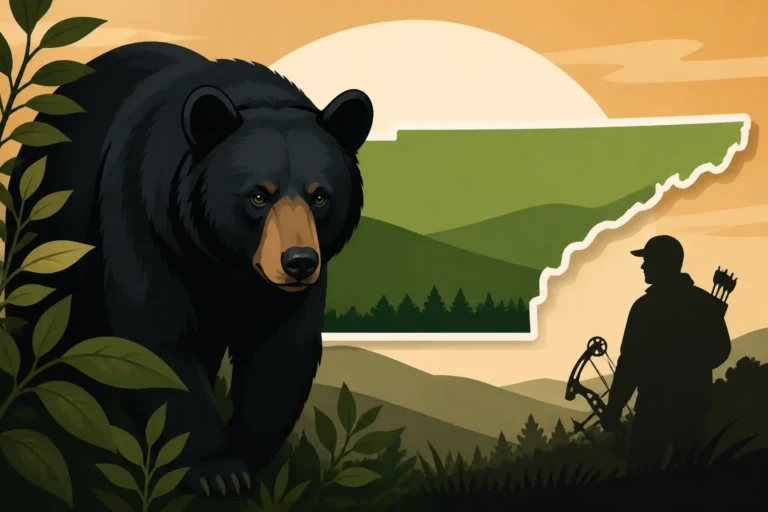
For many Tennessee hunters, the idea of encountering a truly massive black bear is the stuff of dreams – a moment that tests skill, patience, and preparation. It's not just about harvesting a bear; it's about connecting with one of the most powerful and majestic creatures our state has to offer. This guide will delve into what contributes to a bear's impressive size and where you stand the best chance of finding these giants in Tennessee.
Understanding What Makes a Tennessee Black Bear "Heavy"
When we talk about "heaviest bears," it's not just a lucky happenstance. A big, robust black bear is a product of age, genetics, and, perhaps most crucially, an environment that provides a consistent, high-calorie diet. These factors combine over years to create the truly impressive specimens that become legendary among hunters.
Age and Genetics: The Foundation of Size
Just like any other wild animal, a bear needs time to grow. It’s a simple truth that older bears tend to be larger bears. A young bear, even one with excellent genetics, simply hasn't had enough seasons to pack on the muscle and fat that define a truly heavy animal. We're talking about bears that have successfully navigated multiple winters, avoided hunters, and outsmarted predators and disease for many years. These are often the wise, solitary boars that roam the deepest parts of the forest. Their genetics also play a role, of course; some bears are simply predisposed to a larger frame and more efficient metabolism, allowing them to convert food into body mass more effectively than their peers.
It’s a common misconception that all bears in an area will reach the same maximum size. While food availability is crucial, the individual bear's genetic blueprint determines its growth potential. Think of it like a human family – some individuals are naturally taller or heavier than others, even with similar diets. Similarly, a bear that comes from a lineage of larger, more robust animals has a higher probability of becoming a truly heavy bear itself, given the right conditions. This means that a healthy, mature male black bear in prime habitat could easily carry significantly more weight than a younger or genetically smaller bear, even if they're eating the same food. Successfully pursuing these older, larger bears often means focusing your efforts on areas known to hold established, healthy bear populations where individuals can reach their full potential.
Habitat and Food Availability: Fueling Growth
The single biggest determinant of a bear's weight, beyond its age, is the abundance and quality of its food sources. Tennessee's varied landscapes, especially in the eastern mountains, offer a rich buffet for bears. Areas with consistent mast crops—acorns from various oak species, hickory nuts, and beech nuts—are absolute goldmines. These high-energy foods allow bears to gain massive amounts of weight rapidly in the late summer and fall, preparing them for the leaner winter months. Soft mast, like berries, wild grapes, and black cherries, also provides crucial nutrients earlier in the season. Without a reliable, diverse diet, a bear simply won't have the fuel to grow to an exceptional size.
The importance of a diverse and plentiful food source cannot be overstated. Consider the vastness of the Cherokee National Forest Hunting grounds; within its sprawling boundaries, certain sections might have an exceptional crop of red oak acorns one year, while another section boasts an abundance of white oak the next. Bears are incredibly adaptable, and they'll travel significant distances to find these critical food sources. This movement, often between drainages or over ridges, is driven by their need to maximize caloric intake. Areas with consistent water sources, a variety of mast-producing trees, and diverse undergrowth provide a year-round pantry. When these conditions are ideal, bears can pack on hundreds of pounds, sometimes reaching weights that surprise even seasoned wildlife biologists. It's truly a testament to the richness of the habitat and the bear's incredible ability to utilize it efficiently.
Seasonal Weight Fluctuations: When Bears Are Heaviest
It might seem obvious, but bears aren't at their peak weight year-round. They undergo dramatic seasonal weight fluctuations. Black bears are at their absolute heaviest in late summer and throughout the fall, typically from August through November. This is their hyperphagic period, where they eat ravenously to build up fat reserves for winter hibernation. An abundant acorn crop, for instance, can lead to incredible weight gains in a relatively short period. A bear that might weigh 300 pounds in the spring could easily top 400 pounds or more by late fall, simply by gorging on acorns and other calorie-rich foods.
This seasonal timing is critical for hunters. If your goal is to pursue a truly heavy bear, the fall seasons, particularly when the mast crops are abundant, offer the best opportunity. Bears will be moving more frequently, focusing their efforts on prime feeding areas, and carrying the maximum amount of weight before they den up for winter. Conversely, a bear encountered in early spring, fresh out of its den, will be significantly lighter, having burned through much of its fat reserves during hibernation. Understanding these Tennessee Bear Harvest Trends and seasonal patterns is key to adjusting your expectations and hunting strategies. For example, knowing that bears are actively seeking hard mast in the fall could influence your decision on Hunting Bears Over Natural Mast in the Mountains and what type of habitat to focus on.
Prime Locations for Encountering Large Bears in Tennessee
While bears can pop up almost anywhere with suitable habitat, some areas in Tennessee are consistently known for producing larger, older bears due to their expansive, undisturbed wilderness and abundant food sources. These are the places where bears have the space and resources to truly thrive.
The Cherokee National Forest: Bear Country's Heartbeat
Without a doubt, the vast expanse of the Cherokee National Forest is Tennessee's premier bear country. Covering over 650,000 acres in East Tennessee, it offers rugged terrain, dense forests, and countless hollows and ridges that provide ideal habitat for black bears to grow old and large. The sheer size of the forest means bears have plenty of room to roam, find sanctuary, and access diverse food sources across different elevations and ecosystems. Within the Cherokee, areas like the Unaka Mountains in the northern portion or the Ocoee-Hiwassee Unit further south are renowned for their bear populations and the potential for impressive animals. This is where you'll find bears that haven't been pressured as heavily as in smaller, more accessible tracts.
Hunters often find success here by focusing on areas with proven mast crops, identifying remote basins, and understanding how bears utilize the rugged topography. For instance, knowing Where Cherokee Forest Bears Range and focusing on a high ridge thick with mature oak trees in the fall can be far more productive than hunting lower, more open areas. The wilderness experience here is unparalleled, but it demands a higher level of fitness and preparation. A good mapping system like GoHunt can be invaluable for pinpointing remote areas, identifying potential food sources, and navigating the vast landscape. The opportunities for encountering truly impressive bears in the Cherokee are tied directly to its wild nature and the lack of consistent human disturbance over large areas, allowing bears to live long, productive lives.
North Cumberland Wildlife Management Area: A Developing Giant
While the Cherokee National Forest often grabs the headlines, the North Cumberland Wildlife Management Area (WMA) also holds significant potential for large bears. This expansive WMA, part of the Tennessee Elk Quota Hunt Rules zone, spans multiple counties and offers a mix of reclaimed strip mines, mature timber, and dense thickets. Its unique topography and diverse vegetation provide excellent cover and food for bears. While perhaps not as historically renowned for bears as some parts of the Cherokee, the population here is robust and growing, and increasingly, hunters are seeing very large bears harvested from this region. The diverse habitat, coupled with less concentrated pressure in certain remote sections, allows bears to reach impressive sizes.
The North Cumberland WMA provides a different type of challenge and opportunity. The landscape can be incredibly dense in places, making scouting and still-hunting difficult but also providing excellent sanctuary for mature bears. Success here often depends on thoroughly understanding the particular WMA rules and regulations, as well as being adept at navigating thick cover. Identifying transition zones between dense bedding areas and feeding sites, or finding remote pockets of undisturbed mast-producing trees, can be key. The management efforts in areas like North Cumberland aim to foster healthy wildlife populations, which naturally includes supporting bears that can reach their full growth potential. This area, with its unique blend of wilderness and managed lands, is certainly one to watch for those seeking a trophy-class bear.
The Influence of Private Land and Rural Areas
It's easy to focus solely on public lands like the Cherokee and North Cumberland, but we can't forget the role of private land in producing heavy bears. Many large bears are harvested from private tracts, especially those with minimal hunting pressure, abundant food plots, and large swaths of undisturbed timber or agricultural land. A bear that consistently has access to high-quality nutrition, whether it's natural mast or agricultural crops like corn or soybeans, and experiences less human disturbance, has a far greater chance of living longer and growing larger.
Accessing private land for bear hunting can be challenging, but it's often worth the effort. Developing relationships with landowners in rural areas, especially those near extensive timber tracts or national forest boundaries, can open doors to incredible opportunities. These private parcels often serve as sanctuaries where bears can thrive without the constant pressure found on some public lands. While there are rules for Tennessee Landowner Deer Permit Rules, bears are often managed differently. Areas where the Tennessee Black Bear Population has expanded into more agricultural zones might offer new opportunities for encountering heavier bears that are benefiting from highly calorie-dense farm crops. Always ensure you have explicit permission to hunt private land, and respect the landowner's property and wishes meticulously.
Strategies for Pursuing a Large Tennessee Bear
Hunting a truly heavy black bear in Tennessee requires more than just luck; it demands diligent scouting, a deep understanding of bear behavior, and a significant amount of patience. These animals are intelligent and wary, especially the older, larger ones that have survived multiple hunting seasons.
Scouting for Sign and Food Sources
Effective scouting is the bedrock of successful bear hunting, especially when targeting a large animal. Your primary focus should be on identifying prime food sources, particularly hard mast like acorns and hickory nuts, in the late summer and early fall. Look for fresh tracks, scat (which can be quite large from a heavy bear), rub trees where bears have scratched or bitten, and overturned rocks or logs where they've foraged for grubs. Bear trails, often wider and more worn than deer trails, can lead you to key feeding areas or bedding sites. Using a reliable mapping application like GoHunt can help you overlay different property boundaries, topographical maps, and even identify mast-producing timber stands before you ever set foot in the woods. This allows you to prioritize your scouting efforts and pinpoint areas most likely to hold a big bear.
Scouting isn't a one-time event; it's an ongoing process. Bear activity can change rapidly based on the availability of food. One area might be hot one week due to a falling white oak crop, but if that crop is depleted, bears will move to find new sources. Keep an eye on reports of mast production in different regions of Tennessee, and adjust your focus accordingly. Observing areas where bears might move between different food sources, such as a ridge line connecting a berry patch to an oak flat, can reveal important travel corridors. When you find fresh sign in a high-quality food source, you've found a good place to start setting up for a hunt. Remember that Scouting Tennessee Public Land Before Season is invaluable, helping you learn the terrain and identify potential hotspots long before opening day.
Understanding Bear Behavior and Movement Patterns
Black bears are creatures of habit, but they can also be incredibly unpredictable. Understanding their general behavior patterns is crucial for intercepting a large bear. Bears, particularly large boars, tend to be more nocturnal or crepuscular (active at dawn and dusk), especially in areas with hunting pressure. They often move between thick bedding cover in dense laurels or rhododendron thickets and their feeding areas. When mast is falling heavily, they might spend more time feeding during daylight hours, making still-hunting or stand hunting more effective. Paying attention to factors like wind direction and thermals is paramount, as a bear's sense of smell is legendary.
One common strategy involves identifying travel corridors that connect bedding areas to feeding sites or water sources. These could be saddles on a ridge, creek bottoms, or benches along a mountainside. Setting up a stand or ground blind quietly along one of these routes, often before daylight, can put you in a prime position to intercept a cruising boar. Knowing the Wind and Thermals on a Ridge System is critical when hunting the mountains, as unpredictable air currents can carry your scent to a bear quickly. Observing how local geography funnels animals is an important skill to develop. Patience is your greatest virtue; a big bear might only pass through a specific spot once every few days, making long, quiet sits essential.
Patience and Persistence: The Key to Success
Hunting a truly heavy black bear in Tennessee is rarely a quick affair. It often requires immense patience and persistence. These mature animals are not easily fooled and can detect human presence from a considerable distance. You might spend days, or even weeks, scouting and hunting a specific area with little to show for it. Don't get discouraged. The big bears didn't get big by being careless. It's the commitment to long hours in a treestand, the quiet, deliberate pace of Spot-and-Stalk Tactics for Cherokee Forest Bears, and the mental fortitude to sit through cold, wet conditions that often pay off.
This persistence extends beyond just the hunt itself. It means continually educating yourself about bear behavior, adapting your tactics to changing conditions, and being willing to put in the physical effort required to access remote, unpressured areas where older bears are more likely to reside. It also means having the right Bear Hunting Gear in Cherokee Forest, including appropriate clothing for varying weather, optics to scan dense cover, and a reliable rifle or bow. While chasing a specific record-book bear can be an elusive goal, the reward of harvesting any large, mature Tennessee black bear is a deeply satisfying achievement, born from respect for the animal and dedication to the hunt.
| Season/Time of Year | Bear Activity Level | Primary Food Sources | Weight Trend | Hunting Tip |
|---|---|---|---|---|
| Spring (Post-Den) | Low-Moderate | Tender greens, carrion, berries (early) | Lowest | Bears emerging, hungry but leaner. Target early green-ups. |
| Summer (June-July) | Moderate-High | Berries, soft mast, insects, agricultural crops | Gaining | Consistent feeding, but often nocturnal. Focus on water/shade. |
| Late Summer/Fall (Aug-Nov) | Very High | Hard mast (acorns, hickory), soft mast, corn, berries | Heaviest | Hyperphagic feeding. Best time for heavy bears. Focus on mast. |
| Early Winter (Dec-Jan) | Declining (Pre-Den) | Remaining mast, den preparation | Very High | Still active until denning. Target late mast and sheltered areas. |
Disclaimer
This article is for general informational purposes only and does not constitute professional advice. Laws, prices and regulations vary by location and change over time. Consult a qualified professional for guidance on your specific situation.