Why the August Hunt Dropped Guns and Muzzleloaders
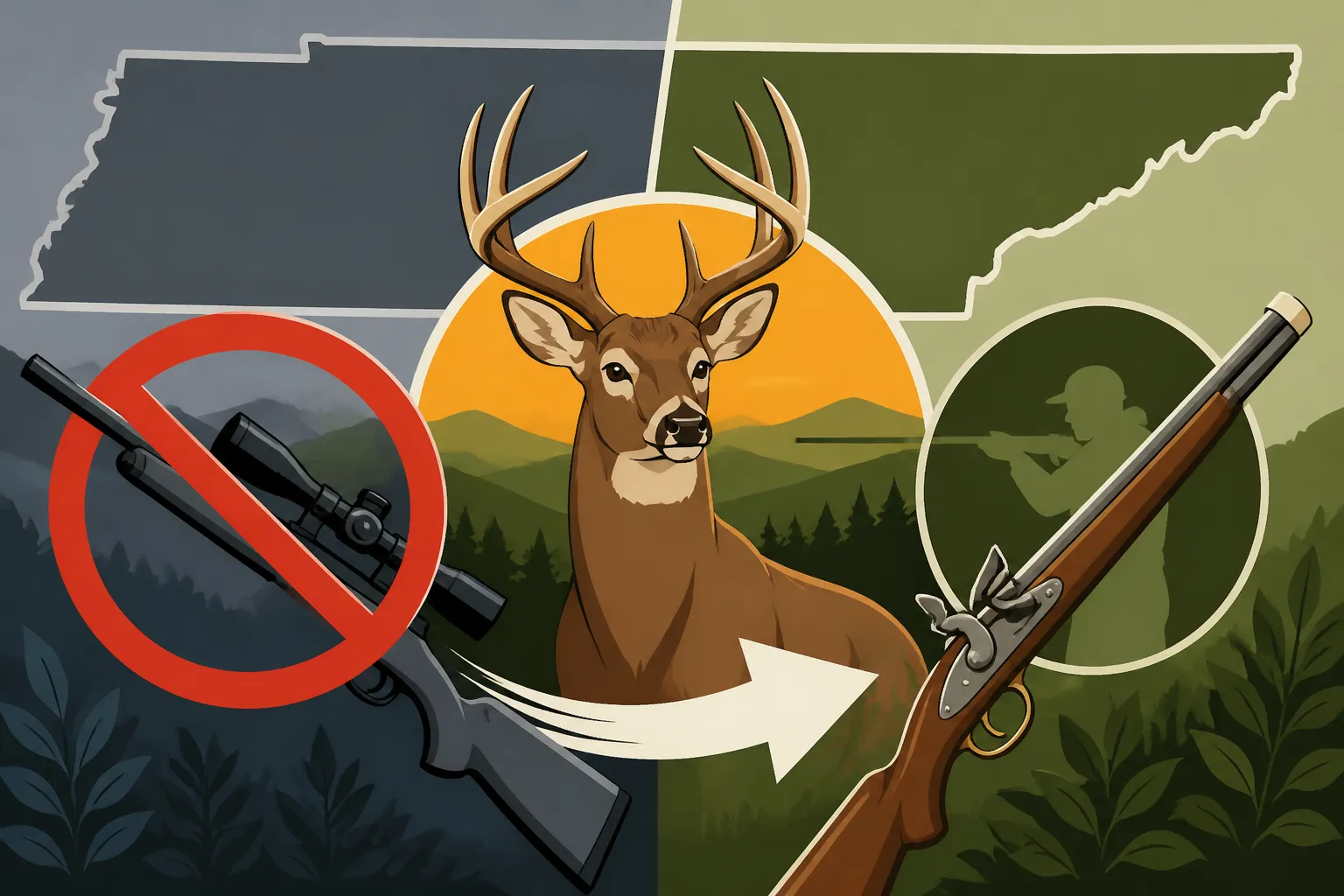
It’s a frustration many Tennessee deer hunters have felt: that first shot at a whitetail in late August, with the heat still clinging to the air, is limited strictly to archery gear. You've been scouting all summer, watching velvet bucks, and patiently waiting, but when the season finally opens, your trusty rifle or muzzleloader has to stay in the safe. This guide dives deep into the specific reasons why the Tennessee Wildlife Resources Agency (TWRA) implemented and continues to uphold an archery-only regulation for the initial August antlerless hunt, explaining the biological and management decisions behind it.
The Rationale Behind the August Archery-Only Rule
The decision to make the August hunt exclusively for archery equipment isn't arbitrary. It's a carefully considered management strategy rooted in a deep understanding of deer behavior, herd dynamics, and the impact of early-season hunting pressure. The TWRA has a challenging job balancing hunter opportunity with the long-term health and sustainability of Tennessee's incredible deer population.
Understanding Early Season Deer Behavior
In August, deer are still firmly entrenched in their summer patterns. Bucks are typically in bachelor groups, still growing their antlers, often less wary than they will become once the acorns drop and the rut begins. Does are still raising their fawns, which are relatively young and vulnerable. The vegetation is thick, providing ample cover and a diverse array of natural food sources like lush browse and early ripening soft mast.
During this time, deer haven't yet faced significant hunting pressure. They're often moving predictably between bedding areas and food sources, but they're also sensitive to disturbance. A sudden, widespread influx of hunters using loud firearms can quickly disrupt these established patterns, pushing deer into thicker, harder-to-reach areas and changing their behavior for weeks or even months. The goal of the August hunt is to allow for an early harvest opportunity for antlerless deer without causing a massive upheaval to the entire herd before the primary hunting seasons even begin.
Minimizing Pressure and Disturbance
One of the primary reasons for the archery-only regulation in August is to minimize pressure and disturbance on the deer herd. Think about it: a rifle shot, even a suppressed one, carries for a long distance. Multiple shots across an area signal danger to deer far and wide, immediately altering their movement patterns. This can make them more nocturnal, push them onto neighboring properties, or simply put them on high alert.
Archery hunting, by its very nature, is a much quieter endeavor. The sound of a bow releasing an arrow is localized and doesn't carry far. This means that while a hunter might successfully harvest an antlerless deer with a bow, the impact on surrounding deer is significantly less disruptive. They might hear a rustle or see some movement, but it's unlikely to cause the same widespread panic as repeated gunfire. This gentle approach allows the TWRA to achieve its goal of early antlerless harvest without "burning out" hunting areas or making deer significantly warier before the more popular muzzleloader and gun seasons arrive. It helps keep deer in their natural summer routines for a little longer, benefiting hunters who pursue deer later in the season.
Balancing Hunter Opportunity with Conservation Goals
The TWRA's mandate is to provide hunting opportunities while ensuring the long-term health of Tennessee's wildlife. The August archery-only season is a perfect example of how these two objectives can be carefully balanced, especially concerning our whitetail deer.
Targeted Antlerless Harvest Through Archery
The early August season is explicitly designed for antlerless deer only. This focus is crucial for managing deer populations, especially in certain Deer Management Units (DMUs) where herd numbers might be higher than the habitat can ideally sustain. Removing does helps control overall population growth, reduce potential crop damage for farmers, and can lead to a healthier herd with better buck-to-doe ratios and potentially larger-bodied deer in the long run.
Archery equipment lends itself to a more selective harvest. To make an ethical bow shot, a hunter typically needs to be much closer to the animal, often within 20-40 yards. This proximity gives the hunter a clearer view and more time to positively identify the deer as antlerless, reducing the risk of accidentally harvesting a buck, which are still in velvet and less distinct in their appearance during August. If firearms were allowed, the longer effective range and quicker target acquisition could lead to more mistaken identity harvests, which would be counterproductive to the antlerless-only goal. Hunters are often encouraged to consult resources like DMUs One Through Three Antlerless Limits or other specific DMU information to understand their local regulations before heading out.
The selective nature of archery also places a higher emphasis on scouting and woodsmanship. Using mapping tools like those found on GoHunt can help hunters pinpoint food sources, travel corridors, and bedding areas specific to their DMU. This preparation is key to getting close enough for an ethical shot, making the harvest more of a skilled pursuit than simply waiting for a deer to cross an open field at long range.
Protecting the Future of Tennessee's Deer Herd
Protecting the long-term health and age structure of the deer herd is a paramount conservation goal. An archery-only season in August serves this purpose by minimizing stress on the herd during a critical developmental period for fawns and before the rigors of the rut. Bucks are still recovering from the previous rut and growing antlers, while fawns are still gaining strength and independence. Excessive pressure from firearms hunting at this time could negatively impact fawn survival rates or disrupt buck development.
By delaying the introduction of firearms until later in the year, the TWRA ensures that deer have more time to mature and that the most impactful hunting pressure is applied when it is less disruptive to their natural cycles. This strategy contributes to a more robust and resilient deer population throughout Tennessee. Understanding Tennessee Deer Season Structure Explained helps hunters see the bigger picture of how different seasons contribute to overall herd management. Furthermore, the early antlerless harvest helps prevent overbrowsing in areas where deer populations are dense, ensuring there's enough food and cover to support the herd through the leaner winter months. It's all about thoughtful, staggered pressure to ensure a healthy ecosystem.
Making the Most of Tennessee's August Archery Season
While the archery-only rule might mean leaving your rifle at home, it opens up a unique and challenging hunting opportunity. Embrace the early season as a chance to hone your archery skills and scout new areas.
Strategic Scouting and Stand Placement
August hunting success hinges on meticulous scouting. With deer still in their summer patterns, focus on reliable food sources and water. Look for early soft mast like wild plums, persimmons, and especially early acorn drops. Agricultural fields, like soybeans or corn, can be absolute magnets. Creeks and ponds are also crucial as deer seek water to beat the heat.
Trail cameras are your best friend during this period. Set them up on established trails leading to food and water, paying close attention to evening and early morning movements. The daytime heat means deer will often move primarily at dawn and dusk. Use mapping apps – GoHunt is excellent for this – to identify potential bedding areas, food sources, and pinch points. Pay attention to wind direction, as thermals can be tricky in the summer heat, often rising in the morning and falling in the evening. Setting a stand for this early season requires thinking about foliage, too; the woods are still thick, so you might need to trim more shooting lanes than you would in November. Consider a ground blind setup if you prefer to stay on the move or if suitable trees are scarce, remembering to brush it in well. For those hunting public land, scouting before Tennessee Archery Season Opening Day is critical to find undisturbed areas, as deer movement can shift quickly with pressure. Checking out tips for Treestand Setups in Cherokee National Forest can give you ideas for adapting to dense summer foliage even outside the mountains.
Gear and Mindset for Summer Deer Hunting
The August hunt presents its own unique gear challenges, primarily revolving around heat and insect control. Lightweight, breathable clothing is a must. Scent control becomes even more important in warm weather, as deer's noses are sharp, and human odor disperses easily. Consider wearing full-coverage bug suits or using effective repellents to combat mosquitoes and ticks, which are rampant. Hydration is key; carry plenty of water.
For your archery setup, ensure your bow is perfectly tuned. Practice at various distances, especially those under 30 yards, to ensure pinpoint accuracy. Broadhead selection is also important; while any sharp broadhead will work, some hunters prefer fixed blades for simpler setups or mechanicals for larger cutting diameters. Remember to always have your Tennessee Hunting Licenses and What They Cost in order and readily accessible.
The mindset for August hunting should be one of patience and stealth. Deer are less pressured, but the conditions demand a higher level of woodsmanship. Early mornings and late evenings will offer your best opportunities. Be prepared to sit through slower periods during the mid-day heat. And, as always, be sure to adhere to Tennessee Public Land Hunting Hours if you're on a WMA or national forest land. This season is a fantastic way to extend your time in the woods and provides valuable meat for the freezer before the rush of the general season. Don't forget, once you successfully harvest a deer, you'll need to report it, so familiarize yourself with Reporting a Tennessee Deer Harvest Online.
Here's a quick comparison of factors influencing the August hunt:
| Factor | Archery Hunting in August | Firearms Hunting in August (Hypothetical) |
|---|---|---|
| Noise & Disturbance | Minimal, localized sound; less widespread herd disruption. | Loud, carries far; causes significant, widespread herd disruption. |
| Target Selectivity | High; requires close proximity for ethical shot, aiding antlerless ID. | Lower; longer range and quicker shots increase risk of mistaken identity (buck in velvet). |
| Impact on Deer Patterns | Low; deer maintain summer patterns longer. | High; deer become wary, more nocturnal, and shift patterns quickly. |
| Hunter Concentration | Generally lower participation, more spread out. | Potentially high, leading to crowded areas and increased pressure. |
| Hunter Skill Emphasis | High; requires close range, precision, and stealth. | Moderate; longer range allows for less demanding close-quarters skill. |
| Conservation Goal | Targeted antlerless harvest with minimal overall herd stress. | Less targeted harvest, higher potential for accidental buck harvest and stress. |
The archery-only rule for the August antlerless hunt isn't about limiting your fun; it's about smart wildlife management. By understanding why the TWRA has these regulations in place, hunters can adapt their strategies, appreciate the unique challenges of early season archery, and contribute to the health and abundance of Tennessee's incredible deer resource for generations to come. It’s a chance to challenge yourself, get out in the woods early, and put some prime venison in the freezer with a method that respects the deer and the land.
Disclaimer
Hunting regulations are subject to change. Always consult the latest Tennessee Wildlife Resources Agency (TWRA) hunting guide and local regulations before heading afield. This content is for informational purposes only and does not constitute legal advice.