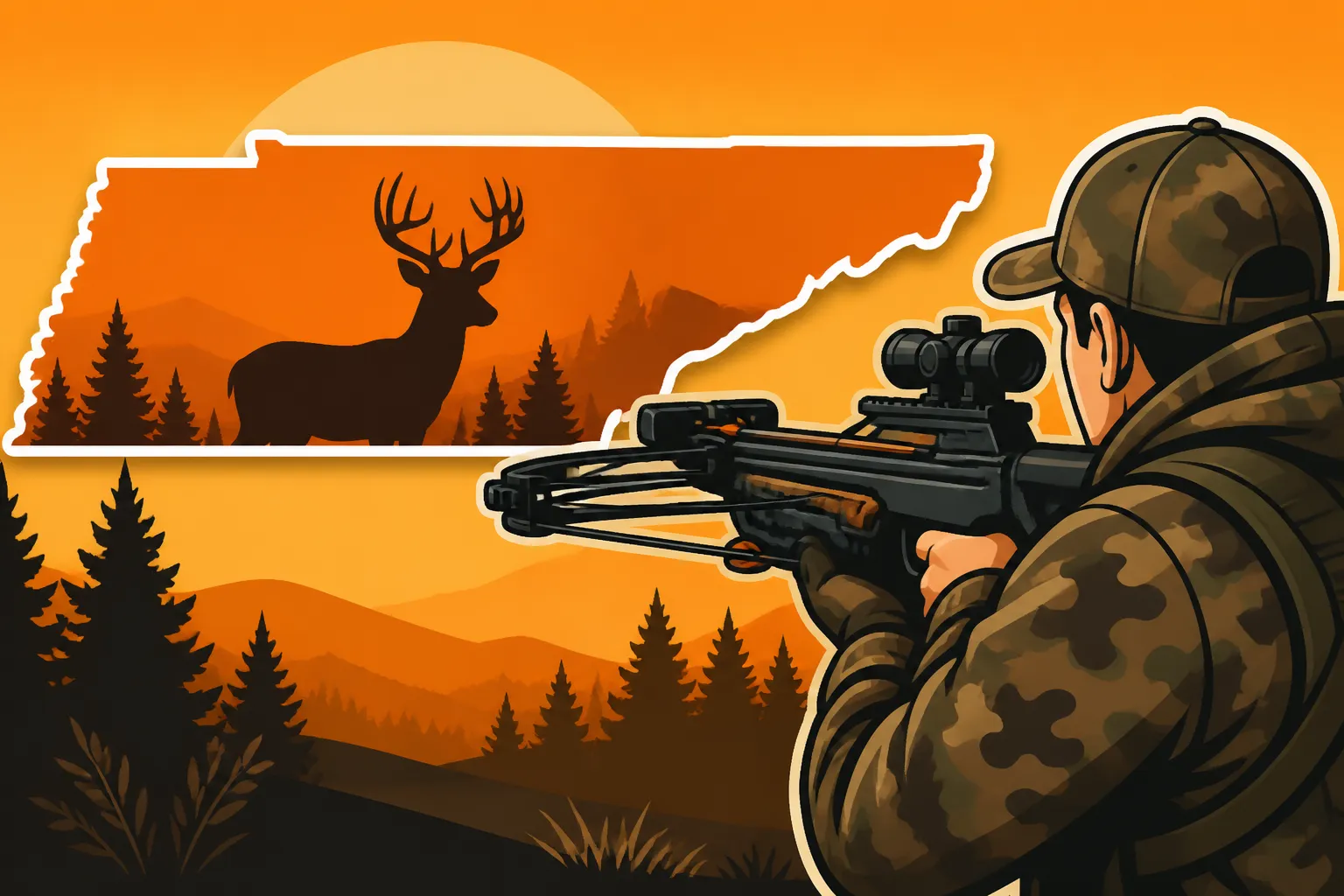
Tennessee Crossbow Rules During Archery Season
Navigating the ever-evolving rules and regulations for deer hunting in Tennessee can feel like trying to hit a moving target, especially when you're trying to figure out what's allowed during the archery season. Many hunters wonder if their crossbow is a viable option, often recalling past restrictions or confusing Tennessee's rules with those of other states. This comprehensive guide aims to cut through the confusion, clearly outlining Tennessee's crossbow regulations specifically for the archery season, so you can plan your hunts with confidence.
Understanding Tennessee's Archery Season Framework
Tennessee offers a generous archery season, providing hunters with an extended opportunity to pursue deer before the general firearms seasons open. It's a fantastic time to be in the woods, often characterized by milder weather and less hunting pressure than later in the year. However, knowing the specific tools you can use is crucial for staying legal and having a successful hunt.
The Basics of Archery Season in Tennessee
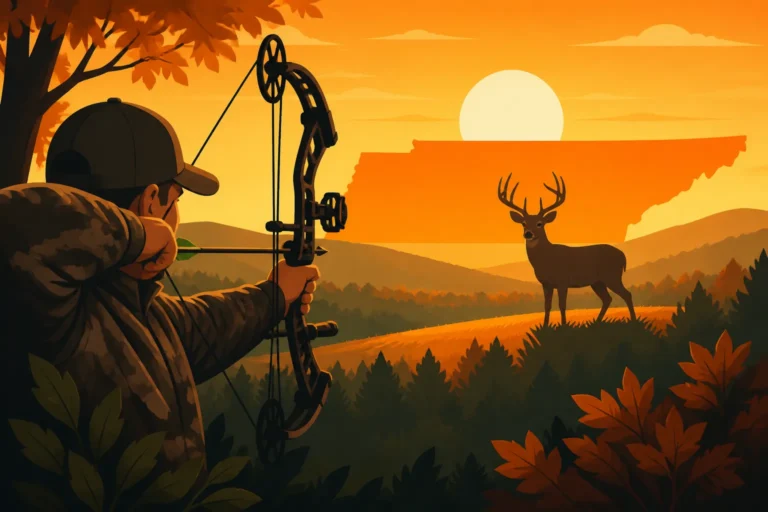
Generally, Tennessee's archery season kicks off in late September, offering weeks, sometimes even months, of bowhunting opportunities before muzzleloaders and centerfire rifles become legal. This period is dedicated to close-range hunting, emphasizing stealth, scent control, and intimate knowledge of deer movement. Historically, "archery" implied traditional vertical bows like recurves and compounds. However, regulations have evolved to include modern archery equipment, creating more flexibility for hunters. You can find detailed timelines and specific dates for the upcoming season in our guide on Tennessee Archery Season Dates. It's always a good idea to cross-reference the official TWRA hunting guide each year, as dates can shift slightly.
The beauty of archery season lies in its challenge and reward. Whether you're hanging a stand on a ridge in the Cumberland Plateau or setting up on a west Tennessee field edge, the focus is on getting close. Utilizing mapping tools like GoHunt can be incredibly beneficial here, allowing you to scout potential stand locations, identify terrain features, and even mark deer sign from your couch before you ever step foot in the woods. This type of preparation is vital when you're relying on archery equipment.
Who Can Use a Crossbow During Archery Season?
This is where Tennessee stands out from many other states. In Tennessee, anyone with a valid hunting license and big game permit can use a crossbow during the established archery deer season. There are no special permits required for disabilities, no age restrictions beyond the standard hunter education requirements, and no complex hoops to jump through. If it's archery season, and you're legally licensed, you can use a crossbow. This accessibility is a major advantage for many hunters, including those who might have physical limitations that prevent them from drawing a vertical bow, or newcomers who want an easier entry point into bowhunting.
This rule is a stark contrast to some states where crossbows are only allowed for physically challenged hunters or during specific late-season dates. Tennessee recognizes the crossbow as a legitimate piece of archery equipment, offering equal opportunity during the archery-only periods. This broad acceptance simplifies planning and encourages more participation in the sport. If you're weighing your options, our piece on Crossbow Versus Vertical Bow in Tennessee offers a deeper dive into the pros and cons of each.
Specific Regulations for Crossbow Use
While Tennessee is quite open about crossbow use, there are still specific regulations you need to adhere to. It's not just about having a crossbow; it's about making sure your equipment meets legal standards and that you're hunting responsibly.
Legal Requirements and Specifications for Crossbows
When it comes to the crossbow itself, Tennessee regulations are primarily concerned with ensuring safe and ethical hunting. Here are the key specifications and requirements:
- Draw Weight: There is no minimum draw weight specified for crossbows in Tennessee. However, it's always advisable to use a crossbow with sufficient power to achieve proper kinetic energy for a clean kill on a deer. Most modern hunting crossbows range from 150-225 lbs of draw weight, which is more than adequate.
- Bolt Length: Bolts must be at least 14 inches in length. This is a pretty standard measurement, and most commercial hunting bolts meet or exceed this requirement.
- Broadheads: Broadheads must have at least two sharpened edges and a minimum cutting width of 7/8 inch. This applies to both fixed-blade and mechanical (expandable) broadheads. Expandable broadheads must be closed during the act of cocking and until the shot is taken. Field points are for practice only, never for hunting.
- Lights/Lasers: Artificial lights or lasers are generally prohibited for locating or taking big game animals, including deer, during legal hunting hours. This means no scope-mounted lasers or light-gathering devices that project a beam. However, illuminated reticles within a scope are typically permitted as they do not project light outside the optic.
- Telescopic Sights: Scopes, including those with magnification, are perfectly legal on crossbows during Tennessee's archery season. This is a significant advantage over traditional vertical bows, as it allows for greater precision and can make aiming easier, especially in low light conditions or at slightly longer ranges.
It’s always a good idea to perform a thorough check of your crossbow, bolts, and broadheads before heading into the field. Ensure your scope is sighted in properly, your broadheads are sharp, and all components are in good working order. Regular practice is crucial to ensure accuracy and confidence, especially if you're hunting challenging terrain like the steep hollows found in the Cherokee National Forest.
Blaze Orange and Other Safety Considerations
A common question among crossbow hunters during archery season is about blaze orange. Do you need to wear it? The answer is nuanced:
- During Archery-Only Season (No Gun/Muzzleloader Season Overlap): Generally, no blaze orange or fluorescent pink is required during the archery-only portions of Tennessee's deer season. This allows bowhunters to utilize camouflage more effectively for closer encounters. However, this is only true if no gun or muzzleloader season is open concurrently.
- When Other Seasons Overlap: If the archery season overlaps with any portion of the statewide muzzleloader or gun deer season (or even certain small game seasons where firearms are legal), then all hunters, including archery hunters, are required to wear blaze orange or fluorescent pink. This usually means a minimum of 500 square inches on the head, chest, and back, visible from front and rear. It's always best to err on the side of caution. For specifics, consult our guide on Tennessee Blaze Orange Requirements.
Important Safety Practices for Crossbow Hunters:
- Safety Harness: Regardless of your weapon choice, if you're hunting from a treestand, always use a full-body harness and a lifeline. Accidents can happen quickly, and a harness is your best defense against a fall.
- Uncocking Safely: Never dry-fire a crossbow; it can cause serious damage to the limbs and void your warranty. Always carry a discharge arrow or a target to safely uncock your crossbow at the end of a hunt.
- Mechanical Safety: Always engage the safety mechanism on your crossbow until you are ready to take a shot. Treat a crossbow with the same respect you would a firearm.
- Target Identification: Make absolutely sure of your target and what is beyond it. Crossbow bolts travel fast and can penetrate deeply. Never shoot at sound or movement alone.
- Understanding Your Limits: Know your effective range with your crossbow. Just because a crossbow can shoot further doesn't mean you should take unethical shots. Practice at various distances and stick to ranges where you can consistently place a broadhead accurately.
By following these guidelines and always double-checking the current TWRA regulations, you can ensure a safe and legal hunting experience.
Common Misconceptions and Best Practices
Despite their growing popularity, crossbows still carry some baggage in the hunting community, leading to misconceptions and misunderstandings. Addressing these can help both new and seasoned hunters make informed choices and promote ethical hunting practices.
Debunking Myths About Crossbow Use in Tennessee
One of the biggest myths, as mentioned, is the belief that you need a special disability permit to hunt with a crossbow in Tennessee. This is unequivocally false. Tennessee regulations are clear: if you have the proper licenses and it's an open archery season, you can hunt with a crossbow. This open approach is a testament to the state's recognition of the crossbow as a valid and effective hunting tool for a diverse range of participants.
Another misconception is that crossbows are "too easy" or take all the skill out of bowhunting. While it's true that a crossbow removes the physical challenge of holding a bow at full draw, it by no means eliminates the need for hunting skill. You still need to:
- Scout effectively: Understanding deer patterns, identifying bedding areas, and finding prime feeding locations is paramount. GoHunt mapping capabilities can be a game-changer for this.
- Manage scent: Deer possess an incredible sense of smell, and a crossbow won't change that.
- Master camouflage and stealth: Getting within effective range still requires careful movement and blending into your environment.
- Practice shot placement: Ethical hunting demands a clean, humane kill, which relies on accurate shot placement, regardless of the weapon.
Ultimately, a crossbow is just another tool in the hunter's arsenal. It may offer different advantages, but the core principles of ethical and successful hunting remain the same.
Ethical Considerations and Hunter Responsibility
With the ease of use that crossbows offer, comes an even greater responsibility for ethical hunting. Because they are often shot from a rest and can be very accurate, it's tempting to push shot distances. However, a responsible hunter understands that accuracy on a target range doesn't always translate to a living animal in the field.
Key Ethical Practices for Crossbow Hunters:
- Know Your Effective Range: Practice extensively at various distances and under different conditions (e.g., from a treestand, wearing hunting layers). Determine your maximum ethical range and stick to it, even if a deer presents a shot just beyond that comfort zone. For many, this might be 30-40 yards, but it can vary based on individual skill and equipment.
- Broadhead Selection and Preparation: Use quality, sharp broadheads appropriate for deer. Ensure they are correctly installed and spin true on your bolts. Dull or poorly flying broadheads lead to poor blood trails and lost animals.
- Shot Placement is Paramount: Always aim for the vital organs (heart and lungs). A well-placed shot with a crossbow ensures a quick, humane kill. Take your time, wait for the animal to be broadside or quartering away, and ensure no obstructions are in the way.
- Tracking and Recovery: Even with a perfect shot, deer can sometimes travel a significant distance. Give the animal time before initiating a track, especially if the shot wasn't ideal. Mark the shot location, follow the blood trail meticulously, and be persistent. Knowing how to Blood Trailing After Dark in Tennessee can be a critical skill.
- Respect for the Animal: Whether you use a vertical bow, a crossbow, or a rifle, show respect for the game you pursue. This includes proper field dressing, meat care, and utilization of the animal.
By upholding these ethical considerations, crossbow hunters contribute positively to the perception of the sport and demonstrate true sportsmanship.
Where to Find Official Information and Additional Resources
Staying informed is one of the most important aspects of being a responsible hunter. Regulations change, and new information becomes available, so knowing where to look is key.
TWRA Resources and Online Tools
The Tennessee Wildlife Resources Agency (TWRA) is your definitive source for all hunting regulations and information. Their website is a treasure trove of resources, including:
- Annual Hunting & Trapping Guide: This free guide is updated annually and contains all the specific season dates, bag limits, and legal requirements for every game species. Always review the current year's guide.
- Online Go Outdoors Tennessee Portal: This is where you purchase your Tennessee Hunting Licenses and What They Cost, big game permits, and report your harvests. It's also home to a mapping tool that can help you locate public lands and CWD zones. Reporting a deer through Go Outdoors Tennessee is a critical step after a successful hunt.
- CWD Information: Given the ongoing challenges with Chronic Wasting Disease (CWD) in Tennessee, it's vital to stay updated on the Tennessee's Chronic Wasting Disease Management Zone and any associated regulations, such as carcass transportation rules.
Remember, ignorance of the law is not an excuse. It is every hunter's responsibility to understand and abide by all current regulations.
Beyond the Regulations: Maximizing Your Archery Season Success
Knowing the rules is just the starting line. To truly excel during the archery season, you need to combine legal compliance with sound hunting strategies.
- Scouting is Non-Negotiable: Before the season opens, spend time in the woods. Look for fresh deer sign, locate food sources (like acorns or agricultural fields), identify travel corridors, and pinpoint bedding areas. Tools like GoHunt can help you analyze satellite imagery, topography, and even property lines to identify potential hotspots. Our guide on Scouting Tennessee Public Land Before Season offers excellent advice.
- Stand Placement and Entry/Exit Routes: A perfect stand location can be ruined by a poor entry or exit. Plan your routes to avoid spooking deer. Consider wind direction, thermals, and topography. Whether you're using a fixed stand or a saddle, your setup needs to be quiet and concealed. Check out Treestand Setups in Cherokee National Forest for ideas relevant to challenging terrain.
- Practice, Practice, Practice: Consistent practice ensures you're ready when the moment of truth arrives. Practice from hunting positions, with your hunting clothes on, and at varying distances.
- Adapt to Conditions: Tennessee weather can be unpredictable. Be ready for warm early season hunts, cool fronts, and even rain. This requires appropriate clothing and the ability to adapt your tactics.
- Patience and Persistence: Archery hunting requires a different mindset than gun hunting. You often need more patience, longer sits, and a willingness to adapt your plans based on what the deer are telling you. Using mapping software like GoHunt to mark daily observations can help you build a pattern over time.
By combining a thorough understanding of crossbow regulations with dedicated scouting and practice, you'll be well on your way to a successful and rewarding Tennessee archery season.
Key Tennessee Crossbow Regulations Summary Table
For a quick reference, here's a summary of the key crossbow regulations for deer hunting in Tennessee during archery season:
| Regulation Aspect | Tennessee Crossbow Rule | Notes |
|---|---|---|
| Who Can Use | Any licensed hunter with a big game permit. | No disability permit required; open to all ages (with hunter education). |
| Season Legality | Legal during any declared archery deer season. | Also legal during muzzleloader and gun seasons as an alternative weapon. |
| Minimum Bolt Length | 14 inches. | Most commercial hunting bolts meet or exceed this. |
| Broadhead Requirements | Minimum 2 sharpened edges, 7/8 inch cutting width. | Applies to fixed and mechanical broadheads. Mechanical broadheads must be closed until shot. |
| Sights Permitted | Telescopic sights (including magnified and illuminated reticles) are allowed. | Artificial lights or lasers that project a beam are generally prohibited for locating/taking big game. |
| Blaze Orange/Pink | Not required during archery-only season (no overlap). | Required if archery season overlaps with any open gun/muzzleloader or certain small game seasons (500 sq. inches). |
| Dry Firing | Prohibited. | Always use a discharge arrow or target to uncock your crossbow safely. |
| Draw Weight | No minimum specified. | Ethical hunting demands sufficient power for a clean kill; most modern crossbows are well-suited. |
Disclaimer
The information provided in this guide is for general informational purposes only and is subject to change. While we strive to provide accurate and up-to-date content, hunting regulations, season dates, and specific rules can be updated by the Tennessee Wildlife Resources Agency (TWRA) at any time. It is the individual hunter's responsibility to consult the current official TWRA Hunting & Trapping Guide and relevant state laws before engaging in any hunting activities. Always ensure you possess the correct licenses and permits.