Grouse and Small Game Hunting in Tennessee
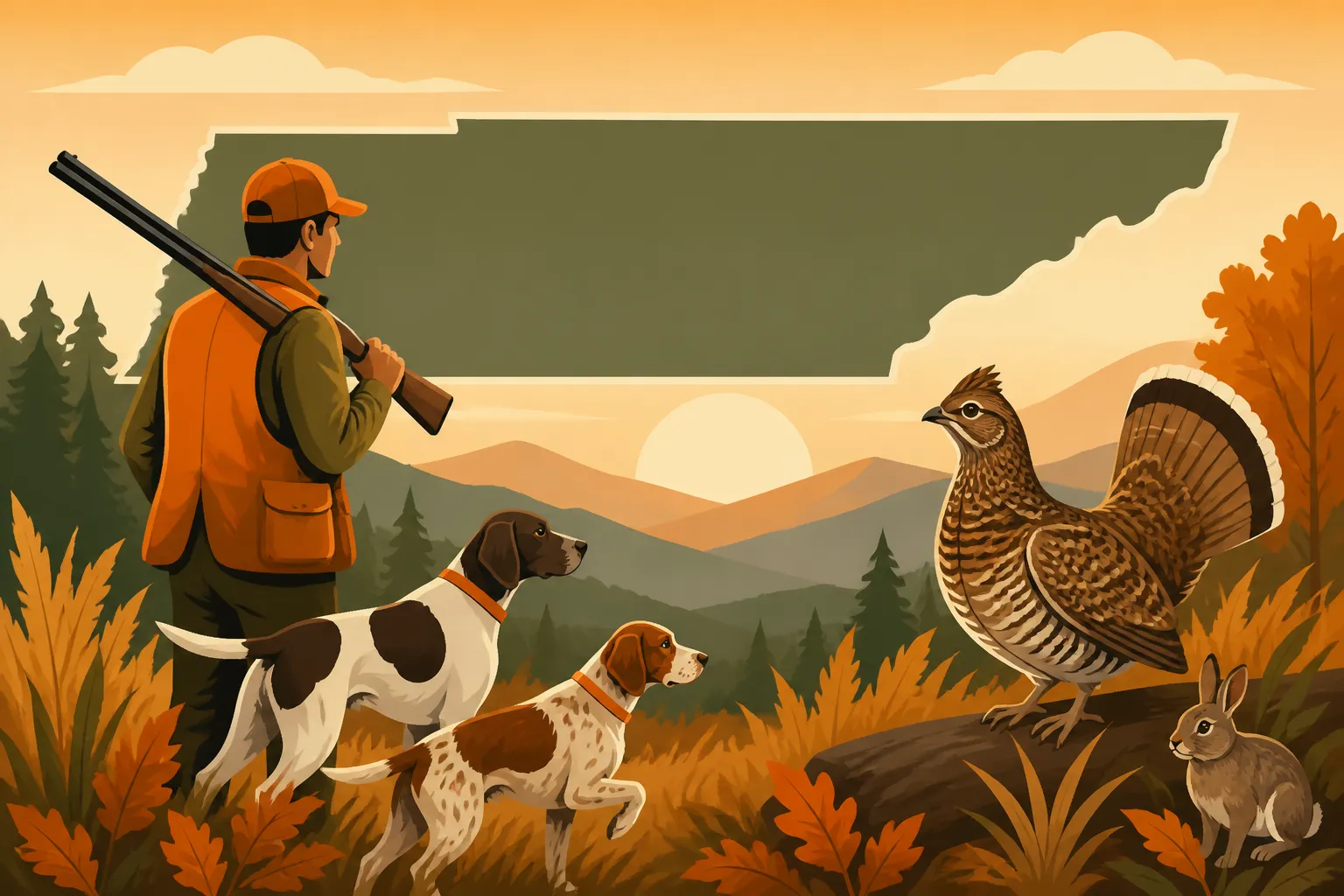
Finding reliable information on small game hunting in Tennessee can feel like chasing a ghost, especially for species like ruffed grouse, which are increasingly challenging to find. But for many of us, small game hunting is where we started, a treasured tradition that teaches invaluable lessons about woodsmanship, patience, and the joys of a crisp autumn morning. This comprehensive guide will walk you through everything you need to know to pursue grouse, rabbits, squirrels, and other small game across the Volunteer State, from understanding regulations to finding prime habitat and honing your skills.
Understanding Small Game Hunting in Tennessee
Small game hunting in Tennessee isn't just a pastime; it's a deep-rooted tradition that has shaped generations of outdoorsmen and women. For many, it's the first taste of hunting, offering accessible opportunities close to home and demanding a different set of skills than big game pursuits. While deer and turkey often dominate conversations, the pursuit of smaller quarry offers unique thrills, challenges, and a connection to the landscape that's often overlooked in today's fast-paced world.
The Tennessee Wildlife Resources Agency (TWRA) manages an array of small game species, each with its own season and regulations. From the quick, darting movements of a cottontail rabbit to the aerial acrobatics of a flushing grouse or the chattering presence of a bushytail, these hunts require keen observation, quick reflexes, and often, the companionship of a good dog. It’s a chance to spend quality time outdoors, hone your shooting skills, and put some delicious, wild protein on the table.
Beyond the immediate thrill of the chase, small game hunting offers a fantastic way to introduce new hunters to the outdoors without the intensity or long waits often associated with big game. The seasons are generally longer, the gear less specialized, and the opportunities more abundant. It’s also an excellent way to keep your skills sharp during the off-season for larger species, ensuring you stay connected to the woods year-round.
General Season Structure and Regulations
Tennessee's small game seasons are designed to provide ample opportunity while maintaining healthy populations. Most seasons typically open in the fall and extend through late winter, providing months of hunting enjoyment. While specific dates vary annually, you can generally expect squirrel season to kick off earliest, often in late August, with rabbit and grouse following suit in November, typically after deer archery season is well underway. It's always crucial to consult the current TWRA Hunting and Trapping Guide for the most up-to-date information on opening and closing dates, bag limits, and specific regulations for each game species. This guide is your bible for legal and ethical hunting in Tennessee.
Bag limits and possession limits are set to ensure sustainable harvesting. For instance, squirrels might have a daily bag limit of 10, while rabbits could be 5 per day. These limits are in place for a reason – to prevent overharvesting and allow populations to rebound. Hunters are responsible for knowing these numbers inside and out, not just for the game they pursue, but also for any incidental species they might encounter. A quick check on the Tennessee Small Game Season Rules is always a good idea before heading out.
Furthermore, hunters must carry the appropriate licenses and permits. A basic hunting license is required for residents and non-residents alike, often supplemented by specific permits like the Migratory Bird Permit if you plan to hunt woodcock or snipe. Hunter education requirements also apply to most hunters born after January 1, 1969, so make sure you're compliant before stepping afield. The Go Outdoors Tennessee website is an excellent resource for purchasing licenses and checking regulatory updates, keeping you legal and informed on the go.
Public and Private Land Considerations
Tennessee offers a mix of public and private lands for small game hunting. Public land, including Wildlife Management Areas (WMAs) and portions of the Cherokee National Forest, provides accessible hunting grounds for everyone. However, these areas often experience higher hunting pressure, especially on weekends and during peak seasons. Success on public land often comes down to scouting, knowing where to find overlooked pockets of habitat, and being willing to put in the legwork to get away from the crowds. Using mapping tools, like those found on the GoHunt platform, can give you a significant advantage in identifying remote areas and potential hot spots.
Gaining access to private land can unlock some of the best small game hunting opportunities, as these areas typically see less pressure and can hold larger, less wary populations. Building relationships with landowners is key here. Always ask for permission well in advance, respect their property, and consider offering some of your harvest as a token of appreciation. Remember, permission to hunt private land is a privilege, not a right, and should always be treated with the utmost respect.
When hunting any land, public or private, understanding property boundaries is paramount. While some private lands are clearly posted, others may not be, making it easy to accidentally trespass. Carrying a reliable GPS unit or using a mapping app on your smartphone with land ownership layers can help you stay on the right side of the law and avoid any uncomfortable encounters with landowners. Always err on the side of caution; if you’re unsure about a boundary, it’s best to avoid that area.
Ruffed Grouse Hunting: A Vanishing Pursuit
For many upland hunters, the ruffed grouse is the king of game birds, a truly wild bird that tests both skill and endurance. However, pursuing grouse in Tennessee has become an increasingly challenging endeavor. While they once thrived in much of the state, particularly in the Appalachian foothills and Cumberland Plateau, their populations have seen a significant decline over the past few decades. This decline is largely attributed to habitat loss and changes in forest management practices, moving away from the early successional forests grouse depend on.
Despite the challenges, a dedicated few still chase these elusive birds. The reward isn't just the bird itself, but the experience of exploring remote, rugged terrain and connecting with a vanishing piece of Tennessee's natural heritage. A successful grouse hunt isn't measured by the number of birds in the vest, but by the heart-stopping flush, the symphony of a dog working cover, and the sheer beauty of the wild places they call home. It's an adventure that requires grit, determination, and a healthy dose of optimism.
The frustration for many seasoned grouse hunters is palpable. Areas that once held strong populations now stand silent. The search becomes an exercise in finding remnant pockets of suitable habitat, areas that are often small, isolated, and require significant effort to reach. But for those who cherish the tradition, the challenge only makes the occasional success sweeter.
Identifying Prime Grouse Habitat
Ruffed grouse are creatures of early successional forest, meaning they thrive in young, regenerating woodlands, typically 5 to 25 years old. These areas are characterized by dense saplings, brushy undergrowth, and often a mix of conifer and deciduous trees. Think thickets of small oaks, maples, and pine, interspersed with rhododendron or mountain laurel. This dense cover provides both protection from predators and a rich food source of buds, catkins, and berries. Without this specific habitat, grouse simply cannot survive or reproduce effectively.
On the Cumberland Plateau, you might find grouse in areas that have recently undergone clear-cutting or selective timber harvests that promote new growth. Logging operations in the Cherokee National Forest, especially those that create small patches of regenerating forest, can also create temporary grouse havens. Look for areas with a mix of diverse tree species and elevation changes, offering both food and escape routes. Understanding How Old a Cut Should Be for Grouse is crucial; too young, and it lacks food, too old, and it becomes too open.
Beyond young forests, steep slopes and creek bottoms with dense rhododendron thickets or mountain laurel patches can also hold grouse, particularly in the more mountainous regions of East Tennessee. These areas offer thermal cover in winter and protection from aerial predators year-round. Remember, grouse are wary birds, and they use this thick cover to their advantage, often flushing with an explosive burst of wings when you least expect it, making for exhilaratingly difficult shots.
Tactics for Success in Challenging Terrain
Hunting grouse effectively in Tennessee requires a specific set of tactics and a lot of patience. Forget long-range shots; most grouse flushes happen at incredibly close quarters, often within 10 to 20 yards, and in dense cover. A fast-handling shotgun, typically a 20-gauge or 12-gauge with an improved cylinder or skeet choke, is ideal for these quick, snap-shooting opportunities. Carrying lighter loads, like 7 ½ or 8 shot, is also beneficial for optimal pattern density at close range.
Walking slowly and deliberately, pausing frequently, is a key strategy. Grouse will often hold tight, only flushing when you're almost on top of them. These pauses can often make a nervous bird flush, giving you a chance to react. Hunting with a good bird dog, especially an English Setter or Brittany Spaniel, dramatically increases your chances. A well-trained dog will scent birds, point them, and allow you to get into a shooting position before the flush, although even with a dog, grouse can be notoriously difficult to hold on point in thick cover.
The terrain where grouse live is often rugged, steep, and covered in obstacles. Be prepared for a physically demanding hunt, wearing sturdy boots, brush pants, and layering your clothing to adapt to changing conditions. Safety is paramount; be mindful of your footing and always know where your hunting partners and dogs are. Given the rarity of flushes, every opportunity counts, so practice your swing and be ready for that explosive sound that signals the king of game birds taking flight.
Rabbit Hunting: Beagles, Brush Piles, and Tradition
Rabbit hunting, especially for the ubiquitous cottontail, is arguably one of Tennessee's most accessible and enjoyable small game pursuits. It’s a hunt steeped in tradition, often associated with cold winter mornings, good company, and the delightful music of a pack of beagles hot on a bunny’s trail. Unlike the solitary nature of grouse hunting, rabbit hunting is a social affair, making it a perfect activity for families and friends to enjoy together, passing down hunting heritage.
The abundance of cottontail rabbits across the state, from farmlands to open woodlands and even suburban fringes, means opportunities are widespread. Whether you’re walking up rabbits with a few buddies or enjoying the symphony of a beagle pack, the chase is exciting, unpredictable, and often culminates in a delicious meal. It’s a fantastic way to introduce new hunters to the sport, teaching gun safety, tracking, and understanding habitat without the intense pressure of big game.
The thrill of hearing beagles open up, the anticipation as they circle the rabbit back towards you, and the quick shot when the bunny darts through an opening – it’s a pure, unadulterated hunting experience. The frustrations often come when rabbits dive into impenetrable briar patches or disappear into drain tiles, but even then, the effort is its own reward, promising another chase just around the corner.
Common Rabbit Species and Their Habitats
In Tennessee, the primary target for rabbit hunters is the Eastern Cottontail. These adaptable little mammals are found throughout the state, thriving in a variety of habitats. They prefer areas with dense, brushy cover for protection, such as fencerows, briar thickets, old field edges, hedgerows, and the edges of wooded areas. Think about places where timber meets pasture, overgrown creek bottoms, or brush piles left from land clearing; these are cottontail magnets. They need a mix of cover for escape and open areas for foraging on grasses, clover, and young shoots.
While less common, swamp rabbits can also be found in Tennessee, primarily in the western part of the state in low-lying, flooded timber and swampy areas, particularly around the Mississippi River bottomlands. These rabbits are larger and often found in wetter environments, requiring different tactics, such as hunting from small boats or with dogs accustomed to water. However, for most Tennessee hunters, the Eastern Cottontail is the primary quarry, offering plentiful opportunities in more accessible terrain.
Understanding rabbit habitat is key to success. Don't just walk aimlessly; look for the "edge" habitat where different cover types meet. Overgrown fields bordered by woods, areas with downed trees and brush, or thickets along ditches and streams are always good bets. If you find one rabbit, you're likely to find more, as they often live in family groups within a suitable patch of cover.
Hunting Strategies: Walk-Ups vs. Beagles
There are two primary ways to hunt rabbits in Tennessee: walking them up and hunting with beagles. Both methods are effective, but they offer vastly different experiences.
Walk-Up Hunting: This method is perfect for smaller groups or solo hunters without dogs. It involves slowly walking through prime rabbit habitat, trying to flush rabbits from their hiding spots. The key is to walk in a zig-zag pattern, kicking brush piles, pushing through briar patches, and thoroughly working all potential cover. When a rabbit flushes, it's typically a fast, close-range shot, so a scattergun like a 12 or 20-gauge loaded with 6 or 7 ½ shot is ideal. This method requires a lot of legwork and can be physically demanding, especially when pushing through dense cover in areas like Rabbit Hunting Tennessee Fencerows. It teaches you to read the land, identify rabbit sign, and react quickly to unexpected flushes.
Hunting with Beagles: This is the quintessential rabbit hunting experience for many. A pack of well-trained beagles will methodically scent and chase rabbits, baying loudly as they pursue. Rabbits, in their instinct to return to their home territory, typically run in circles, eventually bringing them back past the hunters positioned strategically along the escape routes. The joy of hearing the hounds work, the escalating chorus as they close in, and the anticipation of where the rabbit will appear next is truly special. This method is less physically demanding for the hunters, as the dogs do most of the legwork, but it requires patience and the ability to interpret the dogs' barks and movements. Safety is paramount when hunting with dogs; always know where your dogs and fellow hunters are before taking a shot.
Squirrel Hunting: The Original Woodsman's Game
Squirrel hunting is often called the "original woodsman's game" for good reason. It’s a sport that demands patience, keen observation, stealth, and a deep understanding of forest ecology. For many, it's where their hunting journey truly began, an accessible and rewarding pursuit that offers ample opportunities across Tennessee. Whether you're after the robust Fox Squirrel or the agile Gray Squirrel, these hunts provide invaluable lessons in woodsmanship and offer a delicious wild meal.
The long season, which often stretches from late summer into early spring, means squirrel hunting is a perfect way to stay active in the woods when other seasons are closed or during the lulls in deer activity. It’s a hunt that can be enjoyed alone, offering solitude and a chance to truly immerse yourself in nature, or with a partner, quietly stalking through the timber. The frustrations come when squirrels seem to disappear onto the backside of a tree, or when they mock you from the highest canopy, but the challenge is part of the appeal.
Squirrel hunting is also a fantastic way to introduce youth to hunting. The relatively low impact, frequent action, and less specialized gear make it an ideal starting point for new hunters. It teaches ethical shot placement, responsible firearm handling, and the satisfaction of harvesting your own food.
Fox Squirrels vs. Gray Squirrels
Tennessee is home to two primary species of huntable squirrels: the Eastern Gray Squirrel and the Eastern Fox Squirrel. While both offer excellent hunting, they have distinct characteristics and preferred habitats.
Eastern Gray Squirrels: These are the more common and generally smaller of the two, typically weighing around one pound. They are incredibly agile, known for their quick movements and ability to navigate tree branches with remarkable speed. Gray squirrels prefer dense, mature hardwood forests, especially those with an abundance of oak, hickory, and beech trees, which provide their primary food sources of nuts and acorns. You'll find them in bottomlands, along creek drainages, and on forested ridges across the state. They often live in larger colonies and can be quite vocal, especially when alarmed. Hunting Squirrel Hunting Tennessee Bottomland Hardwoods or on an oak ridge is often a prime opportunity for gray squirrels.
Eastern Fox Squirrels: These are noticeably larger than gray squirrels, often weighing up to three pounds, and have a more robust, sometimes reddish-orange coat, especially on their undersides. They are generally less numerous than gray squirrels and prefer more open, park-like woodlands, often with scattered mature trees and open understories, or along the edges of agricultural fields. You might find them in smaller woodlots, pine plantations bordering hardwoods, or in less dense forests. Fox squirrels are typically more solitary and less vocal than grays, making them a bit more challenging to spot and stalk. They also tend to spend more time on the ground, foraging for nuts and seeds.
Still-Hunting and Sit-and-Wait Tactics
Effective squirrel hunting often employs two primary tactics: still-hunting and sit-and-wait.
Still-Hunting: This method involves slowly and quietly moving through the woods, pausing frequently to scan the trees and ground for squirrel activity. The key is stealth and patience. Take a few steps, then stop for several minutes, listening for the tell-tale rustle of leaves, the bark of a squirrel, or the sound of nuts being gnawed. Use your binoculars to scan tree trunks, branches, and the ground for any movement. Often, squirrels will freeze when they detect movement, so by pausing, you allow them to relax and resume their activities, making them easier to spot. This method is particularly effective in larger timber tracts or when you're trying to cover a lot of ground in search of active feeding areas.
Sit-and-Wait: This tactic is ideal for those who prefer a more stationary approach or when you've located a prime feeding area. Find a comfortable spot near a cluster of nut-producing trees – oaks, hickories, or beeches – before dawn or during peak feeding times (early morning and late afternoon). Sit quietly, allowing the woods to settle around you. Squirrels will eventually emerge to forage. This method requires extreme patience but can be incredibly rewarding, especially if you set up near a well-used den tree or a heavy mast crop. Remember to dress in camouflage and remain as motionless as possible. A cushion or small stool can make a significant difference in comfort for longer sits.
Essential Gear for Squirrel Hunters
While squirrel hunting doesn't require a truckload of specialized gear, a few essentials will significantly improve your experience and success.
Firearm: The classic squirrel gun is a .22 caliber rifle, prized for its accuracy, low recoil, and quiet report, making it less disruptive to other squirrels in the area. Both bolt-action and semi-automatic .22s are excellent choices. For hunters who prefer a scattergun, a .410, 20-gauge, or even a 12-gauge shotgun with light loads (7 ½ or 8 shot) can be effective for moving targets or when hunting in dense cover. Just be mindful of patterning at close ranges.
Optics: A good pair of binoculars (8x or 10x magnification) is invaluable for spotting camouflaged squirrels high in trees or identifying movement in thick foliage. A variable power scope on your .22 rifle (e.g., 3-9x) will also aid in precise shot placement.
Clothing: Camouflage clothing is highly recommended to help you blend into the surroundings. Layers are always a good idea, as early morning hunts can be chilly but warm up quickly. Sturdy, comfortable boots are a must for navigating uneven forest floors. Don't forget a blaze orange vest or hat for safety, especially if hunting on public land during deer season.
Other Essentials: A small daypack for carrying water, snacks, extra ammunition, and a game pouch or small cooler for your harvested squirrels is helpful. A small game vest with a built-in game pouch is also an excellent option. For navigating, especially on unfamiliar public lands, a GPS device or a mapping app like GoHunt on your smartphone is highly recommended. These tools help you track your movement, mark productive spots, and ensure you can find your way back to your vehicle, especially when deep in the Cherokee National Forest Hunting grounds.
Other Small Game Opportunities in Tennessee
While grouse, rabbits, and squirrels are the primary small game pursuits for many Tennessee hunters, the state offers additional opportunities for those seeking diverse experiences. These species, though perhaps less common or requiring more specialized tactics, contribute to the rich tapestry of Tennessee's hunting landscape. They often provide unique challenges and rewarding moments in the field, further deepening a hunter's connection to the diverse ecosystems of the state.
From migratory birds that pass through to resident species facing specific conservation challenges, exploring these other small game options can broaden your skills and appreciation for wildlife management. It’s about more than just filling a bag; it’s about understanding the nuances of different habitats and the behaviors of various animals.
It's important to remember that regulations for these species can sometimes be more complex, especially for migratory birds, often requiring federal permits in addition to state licenses. Always do your homework and consult the TWRA guide or the U.S. Fish and Wildlife Service regulations before heading out.
Quail and Woodcock Hunting
Bobwhite Quail: Once a staple of small game hunting across the Southeast, the Northern Bobwhite Quail has experienced a drastic decline in Tennessee and across its range since the 1960s. This decline is primarily due to habitat loss, particularly the disappearance of early successional grasslands and open woodlands with dense brushy cover. Finding huntable populations of wild quail in Tennessee today is exceptionally challenging, and most opportunities for quail hunting are found on private preserves that manage habitat or release pen-raised birds. The TWRA has various initiatives aimed at habitat restoration, but a widespread recovery of wild quail remains a significant long-term challenge. For those interested in this historical hunt, researching Tennessee Quail Decline Since the 1960s can provide valuable context.
American Woodcock: Often called "timberdoodles," woodcock are migratory shorebirds that frequent damp, brushy cover. They are not widely pursued by many hunters but offer a unique wing-shooting challenge. Woodcock migrate through Tennessee in the fall, pausing in areas with moist soil, dense saplings (especially alder or willow), and thick undergrowth, typically along creek bottoms or wetland edges. They have a distinctive, erratic flight pattern, making for challenging shots. Hunting woodcock is often a serendipitous bonus while pursuing grouse or rabbits in appropriate cover. A federal migratory bird stamp and HIP certification are required to hunt them.
Snipe and Crow Hunting
Common Snipe: Like woodcock, common snipe are migratory shorebirds, but they prefer very wet, open habitats such as flooded fields, marshes, and the edges of ponds or lakes. They are incredibly fast and agile flyers, making them one of the most difficult birds to hit. Snipe hunting typically involves walking up birds in suitable wetland habitats, and it's a sport that demands quick reflexes and a good eye. Tennessee sees snipe during their fall and spring migrations, with open seasons primarily in the fall and winter. As with woodcock, federal migratory bird stamps and HIP certification are necessary.
Crow: Often considered a nuisance by farmers, crows offer a unique hunting opportunity with generous seasons and no bag limits in many areas. Crow hunting is less about eating the birds and more about the challenge of outsmarting these incredibly intelligent birds. It often involves using electronic calls, decoys, and blinds to lure them into shooting range. Crows provide excellent wing-shooting practice and can be hunted over agricultural fields, roosts, or even in wooded areas. They are active and vocal, providing plenty of action. You can often find opportunities for Crow Hunting Seasons and Tactics in Tennessee year-round, making them a great option for hunters looking for something to do outside of peak seasons.
Essential Gear and Preparations for Small Game
Heading into the woods for small game requires more than just a gun and some shells. Proper gear and thorough preparation can make the difference between a frustrating outing and a safe, successful, and enjoyable hunt. This isn't just about comfort; it's about efficiency, safety, and being ready for whatever the Tennessee outdoors throws at you. From footwear to navigation and field care, having the right tools and knowing how to use them is paramount for any small game hunter.
Investing in quality gear, even for seemingly simple small game hunts, pays dividends in the long run. Durable clothing that stands up to briars, comfortable boots for miles of walking, and reliable navigation tools are all part of a successful strategy. Don't overlook the details, as they often contribute significantly to your overall experience.
Remember, the goal isn't just to harvest game, but to enjoy the process, stay safe, and respect the land. Being well-prepared is a critical component of achieving all these aspects of the hunt.
Choosing the Right Firearm and Ammunition
Selecting the right firearm for small game largely depends on the species you're pursuing and your personal preference.
Shotguns: For fast-flying birds like grouse, woodcock, or snipe, and for quick-flushing rabbits, a shotgun is the clear choice. A 12-gauge or 20-gauge is versatile and popular, with the 20-gauge often favored for its lighter weight and less recoil, making it ideal for carrying through dense cover all day. Choke selection is crucial; improved cylinder or skeet chokes offer a wide pattern at close range, perfect for the snap shots common in thick woods. For ammunition, standard field loads with shot sizes ranging from 6 to 8 are generally effective for all small game birds and rabbits. Always use non-toxic shot where required, particularly near water for migratory birds.
Rifles: For squirrels, the .22 caliber rifle is king. Its accuracy, minimal recoil, and affordability make it perfect for headshots that preserve meat. Both long rifle and short cartridges are suitable, with hollow points often preferred for their enhanced stopping power. A quality scope will aid in precise aiming. Some hunters also use pellet guns (air rifles) for squirrels, which are even quieter and can be highly accurate, especially for backyard or small woodlot hunting where firearm discharge might be restricted.
Footwear, Clothing, and Navigation
The right attire can make or break a small game hunt, especially given the diverse and often rugged terrain found across Tennessee.
Footwear: You will be walking, often through briars, uneven ground, and potentially wet areas. Investing in comfortable, waterproof, and durable hunting boots is non-negotiable. Look for boots with good ankle support and aggressive tread for traction. Rubber boots are excellent for wet bottomlands or when hunting in muddy conditions. Ensure they are well broken in before your hunt to prevent blisters.
Clothing: Layers are your friend. Start with a moisture-wicking base layer, add an insulating mid-layer for warmth, and top it with a durable, briar-resistant outer layer. Brush pants or chaps are highly recommended for busting through thick cover without tearing your clothes or scratching your legs. Camouflage is beneficial for concealment, especially for still-hunting squirrels. Crucially, blaze orange (or blaze pink) is often required on public land during deer season for safety, even when you're hunting small game. Always check current regulations regarding Tennessee Blaze Orange Requirements.
Navigation: Getting lost, even on familiar ground, is a real risk, especially when you're focused on flushing game. A reliable GPS unit or a smartphone with a robust mapping app (like GoHunt or onX Hunt) is indispensable. Download maps for offline use before you go, as cell service can be spotty in remote areas. Learn to use these tools to mark your vehicle, track your path, and identify property lines. A compass and paper map are also excellent backups, and knowing how to use them is a fundamental woodsman skill. A good headlamp is also essential for safe travel in and out of the woods in low light.
Hunting Dogs and Their Role
For many small game hunters, particularly for rabbits and grouse, a well-trained dog is not just a companion but an essential part of the hunting experience.
Beagles for Rabbits: Beagles are synonymous with rabbit hunting. Their incredible sense of smell and relentless drive to chase make them perfectly suited for pushing rabbits out of thick cover. The joy of listening to a pack of beagles "singing" on a hot trail is unparalleled. Training is key to ensure they stay focused on rabbits and don't chase deer. You can find more information about Running Beagles on Tennessee Cottontails to help you get started.
Bird Dogs for Grouse and Quail: Breeds like English Setters, Pointers, and Brittany Spaniels are bred to find and point upland birds. Their ability to scent a bird and "freeze" on point allows the hunter to move into position for a shot. For grouse, a close-working dog is preferred given the dense cover. A good bird dog will significantly increase your chances of finding these elusive birds and enhance the overall experience. Just remember that finding a dog specifically trained for the unique challenges of Tennessee's wild grouse can be a lengthy process.
Regardless of the breed, a well-trained dog understands commands, retrieves ethically, and stays close. They require consistent training, proper nutrition, and regular veterinary care. Remember, responsible dog ownership extends to their safety in the field, including hydration, protection from thorns, and ensuring they don't get lost.
| Small Game Species | Primary Habitat | Typical Season Start | Daily Bag Limit | Recommended Firearm | Key Tactic |
|---|---|---|---|---|---|
| Eastern Gray Squirrel | Mature Hardwood Forests | Late August | 10 | .22 Rifle / Shotgun | Still-Hunt / Sit |
| Eastern Fox Squirrel | Open Woodlands / Field Edges | Late August | 10 | .22 Rifle / Shotgun | Still-Hunt |
| Eastern Cottontail Rabbit | Briar Thickets / Fencerows | Mid-November | 5 | Shotgun (12/20ga) | Beagles / Walk-Up |
| Ruffed Grouse | Young, Dense Forests | Mid-November | 3 | Shotgun (20ga) | Dog Work / Slow Walk |
| American Woodcock | Moist, Brushy Bottomlands | Mid-October | 3 | Shotgun (20ga) | Dog Work / Flush |
| Common Snipe | Flooded Fields / Marshes | Mid-September | 8 | Shotgun (12/20ga) | Walk-Up / Flush |
| Crow | Farmlands / Roosts | Year-Round (variable) | None (variable) | Shotgun / Rifle | Calling / Decoys |
Note: Season dates and bag limits are generalized. Always consult the current TWRA Hunting and Trapping Guide for exact, up-to-date regulations.
Conservation and the Future of Small Game in Tennessee
The future of small game hunting in Tennessee, much like everywhere else, is intricately linked to conservation efforts and habitat management. While some species like squirrels remain robust, others, particularly the ruffed grouse and bobwhite quail, face significant challenges. Understanding these challenges and supporting conservation initiatives is crucial for ensuring that these cherished hunting traditions can continue for generations to come. It’s not just about what we can take from the land, but what we can give back to ensure its health and vitality.
The TWRA, along with various conservation organizations, works tirelessly to manage game populations, conduct research, and implement habitat improvement projects. However, these efforts often face an uphill battle against widespread habitat fragmentation, urban development, and changing land-use practices. It's a complex issue that requires a multifaceted approach involving landowners, hunters, and state agencies working together.
As hunters, we have a responsibility to be stewards of the land and advocates for wildlife. Our license fees and excise taxes on hunting equipment directly fund conservation programs. By participating in these programs, practicing ethical hunting, and advocating for sound wildlife management, we play a vital role in shaping the future of small game in Tennessee.
Habitat Challenges and Restoration Efforts
The primary challenge for many small game species in Tennessee is habitat.
For species like the ruffed grouse, the issue is a lack of young, regenerating forests. As forests mature, the dense understory that grouse depend on for food and cover disappears. Modern forestry practices often favor older, larger timber or single-species plantations, neither of which provides ideal grouse habitat. Efforts to restore grouse populations often involve selective timber harvesting, prescribed burns, and other forest management techniques designed to create diverse age classes of timber and promote early successional growth, particularly in areas like the North Cumberland Wildlife Management Area or sections of the Cherokee National Forest.
Similarly, bobwhite quail thrive in a mosaic of early successional grasses, forbs, and brushy cover—habitat that has largely disappeared due to agricultural intensification and the suppression of natural wildfires. Quail restoration projects often focus on establishing native warm-season grasses, creating hedgerows, and managing field borders to provide the nesting, brooding, and escape cover these birds need. Landowners play a crucial role in these efforts, and programs exist to assist them in creating wildlife-friendly habitats on private lands.
Even for more adaptable species like rabbits, habitat quality is important. While they can survive in many areas, abundant populations thrive where there are consistent patches of dense, brushy cover. Maintaining fencerows, creating brush piles, and allowing field edges to revert to natural vegetation can significantly boost local rabbit numbers, offering more consistent hunting opportunities.
Hunter's Role in Small Game Management
Hunters are often at the forefront of conservation efforts, and their role in small game management is indispensable. One of the most direct ways hunters contribute is through the purchase of hunting licenses and permits. The revenue generated from these sales directly funds the TWRA's wildlife research, habitat management, law enforcement, and education programs, all of which benefit small game populations. Beyond financial contributions, active participation in habitat projects, such as planting native grasses or creating brush piles, makes a tangible difference on the ground.
Ethical harvesting practices are also key. Adhering strictly to bag limits, avoiding overharvesting, and practicing good sportsmanship ensure that populations remain healthy and sustainable. Reporting illegal hunting activities or suspicious behavior to the TWRA helps protect wildlife resources from those who would exploit them. By acting as responsible stewards, hunters demonstrate their commitment to conservation and ensure the longevity of their cherished traditions.
Furthermore, hunter participation in surveys or by submitting harvested game for disease testing (like CWD testing for deer, which can overlap with small game seasons) provides invaluable data to wildlife biologists. This data helps agencies monitor population trends, assess habitat quality, and detect potential disease outbreaks that could impact all wildlife. By staying informed, participating actively, and always prioritizing conservation, Tennessee's small game hunters secure the future of their sport.
Disclaimer
Please remember that hunting regulations, season dates, and bag limits are subject to change. Always consult the latest official Tennessee Wildlife Resources Agency (TWRA) Hunting and Trapping Guide before engaging in any hunting activities. This article is for informational purposes only and should not be considered a substitute for official regulations.