Land Between the Lakes Hunting
For hunters eyeing a truly unique outdoor experience, Land Between the Lakes (LBL) often comes up, but its sheer size, specific regulations, and the fact that it straddles two states can feel a bit overwhelming to newcomers. This sprawling national recreation area presents fantastic opportunities for deer, turkey, small game, and waterfowl, but understanding its unique permit system and diverse habitat is key to a successful hunt. This guide is here to demystify LBL hunting, offering practical advice and breaking down everything you need to know to plan your next adventure in this special region of Tennessee.
What Makes Land Between the Lakes So Unique for Hunters
Land Between the Lakes National Recreation Area isn't just another public hunting ground; it's a massive, federally managed peninsula formed by the impoundment of the Tennessee and Cumberland Rivers. Spanning over 170,000 acres, it's bordered by Kentucky Lake to the west and Lake Barkley to the east, creating a truly distinct ecological and hunting environment. This vast expanse offers a diverse landscape, from dense hardwood forests and pine plantations to open fields and extensive lake shorelines, providing habitat for a wide array of game species. The blend of managed forests and natural waterways makes it a complex, yet incredibly rewarding, place to hunt.
What really sets LBL apart is its management structure. Unlike many state-managed Wildlife Management Areas (WMAs), LBL falls under the jurisdiction of the USDA Forest Service. This means that while Tennessee hunting regulations generally apply to the Tennessee portion, there are additional LBL-specific rules and permits that hunters absolutely must be aware of. It's not uncommon for hunters to arrive, only to realize they're missing a crucial permit or are unfamiliar with the area's particular zones, leading to frustration and wasted time. This dual layer of regulations requires careful planning and research, but it's a small price to pay for access to such an incredible resource.
A Land Forged by Water and History
The very name "Land Between the Lakes" perfectly describes its geographical essence, but it also hints at its unique history. Before the creation of Kentucky Lake and Lake Barkley, this area was a vibrant, rural landscape of farms and small communities. When the Tennessee Valley Authority (TVA) and later the U.S. Army Corps of Engineers constructed the dams, the valleys flooded, transforming the region into the peninsula we know today. This history of human habitation and subsequent reclamation by nature has left its mark, creating a landscape rich with old homesteads, forgotten roads, and diverse ecosystems that appeal to many species.
The vast water bodies surrounding LBL also play a critical role in its ecology, especially for migratory waterfowl. The sheer amount of shoreline and numerous bays and sloughs create prime wintering habitat, drawing ducks and geese down the Mississippi Flyway. For deer hunters, the peninsula effect means deer movement can be somewhat funneled, though their overall population density varies significantly across the different habitat types within LBL. Understanding this history and geography helps you appreciate the area more and can even inform your hunting strategies, like looking for old foundations where fruit trees once stood or focusing on pinch points created by water.
Why LBL Regulations Are Different
Navigating the regulations at Land Between the Lakes can feel like learning a new language. Because it's a National Recreation Area managed by the Forest Service, you're dealing with federal rules layered on top of state hunting laws. This means your standard Tennessee hunting license is just the starting point. You'll also need an LBL-specific hunting permit, which comes with its own set of guidelines, hunt dates, and designated hunting areas. This is often where hunters get tripped up, assuming their regular state license covers everything.
The reason for these distinct regulations is primarily to manage the resource on a larger, more consistent scale across the entire peninsula, regardless of the state line. It also allows LBL to implement special quota hunts for deer and turkey, control hunter density, and manage specific wildlife populations in a way that might differ from general state-wide seasons. For instance, LBL often has its own archery, muzzleloader, and gun hunt dates that may not perfectly align with the general Tennessee Deer Season Structure Explained. Always check the current LBL hunting information available directly from the Forest Service or on the Go Outdoors Tennessee portal, as relying solely on the general TWRA regulations for a specific county won't cut it here.
Understanding the Permit System and Regulations
Hunting Land Between the Lakes requires more than just your standard Tennessee hunting license. You'll need to purchase specific LBL hunting permits, which are crucial for accessing the hunting opportunities within the National Recreation Area. This layered approach to permits is designed to manage hunter numbers, collect specific data, and fund habitat improvements unique to LBL. Don't overlook this step, as wildlife officers frequently patrol the area and strictly enforce permit requirements.
The process typically involves an application period for quota hunts, which are highly sought after, and over-the-counter sales for other permits. It's not just about the cost; it's about understanding which permit applies to your desired hunt and ensuring you have it in hand. Many a hunter has driven hours to LBL only to realize they didn't have the correct documentation, forcing them to scramble or miss out on a prime hunting day. Always verify the current year's requirements well in advance of your trip.
Required Permits for LBL Hunting
First and foremost, you need a valid Tennessee hunting license, which you can purchase through the Tennessee Hunting Licenses and What They Cost system. This is your baseline. On top of that, LBL requires its own hunting permit, separate from your state license. These LBL permits are usually issued for the entire hunting season and cover various activities like deer, turkey, or small game. They are often purchased online or at designated vendors in the local area. For more specialized hunts, such as the popular deer quota hunts, you'll need to apply through a lottery system during a specific application window. These quota hunts are designed to control harvest numbers in particular zones and can be quite competitive.
It's also important to remember that LBL has specific regulations concerning motorized vehicle use, camping, and even where you can place treestands or blinds. These rules are detailed in the official LBL hunting guide, which is usually updated annually. Before heading out, download or pick up a copy of this guide. It contains maps, specific boundary information, and all the nuanced rules that differentiate LBL from other public lands. Paying close attention to these details will prevent any unwelcome surprises or legal issues once you're in the field.
General LBL Hunting Rules and Zones
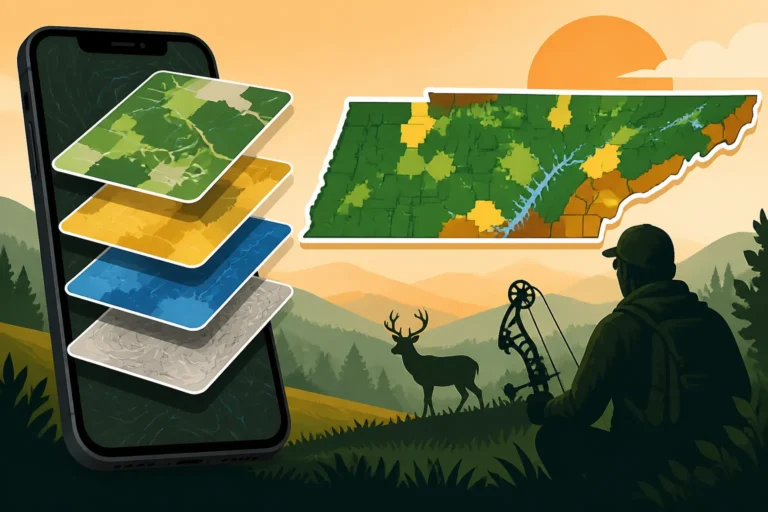
LBL is divided into various hunting zones, each with its own set of rules and sometimes different season dates or bag limits. These zones are clearly marked on LBL maps and in their hunting guide. Some areas might be open for archery only, while others might permit muzzleloaders or even modern firearms during specific periods. There are also safety zones around developed areas, residential properties, and recreational facilities where hunting is strictly prohibited. Understanding these zones is paramount to a safe and legal hunt. Using a mapping app like onX Hunt can be incredibly helpful here, as it often has LBL boundaries and zones layered right onto the map, allowing you to clearly see where you can and cannot hunt, even without cell service.
| Activity/Permit Type | Tennessee Resident Hunting License | LBL Hunting Permit (General) | LBL Quota Hunt Permit | Blaze Orange Requirement |
|---|---|---|---|---|
| General Deer Archery Hunt | Required | Required | Not always (Check LBL Guide) | No |
| General Deer Muzzleloader | Required | Required | Not always (Check LBL Guide) | Yes |
| General Deer Gun Hunt | Required | Required | Not always (Check LBL Guide) | Yes |
| Turkey Hunts | Required | Required | Possible for specific areas | No (Typically) |
| Small Game Hunts | Required | Required | No | No (Typically) |
| Waterfowl Hunts | Required + Migratory Bird Cert. | Required | No | No (Typically) |
| Quota Deer Hunts | Required | Not always (Quota covers) | Required | Yes |
Always consult the official LBL hunting guide for the most current and specific details, as these regulations can change. Pay particular attention to the blaze orange requirements, which are mandatory for gun and muzzleloader seasons, and during certain parts of archery season when gun hunts might overlap. Compliance isn't just about avoiding a fine; it's about ensuring your safety and the safety of others in this shared outdoor space.
Navigating Deer Hunting at LBL
Deer hunting at Land Between the Lakes is a hallmark experience for many hunters, drawing visitors from both Tennessee and Kentucky. The area is known for its healthy deer population and the potential for harvesting mature bucks, especially in the more remote sections. However, the sheer size and diverse habitat mean that success often hinges on good scouting and adapting your tactics to the specific conditions you find. It's not a place where you can just walk into any patch of woods and expect to find deer consistently; you need a strategy.
The management goals at LBL often focus on population health, which can sometimes mean specific antler point restrictions or antlerless deer harvest guidelines that differ from general statewide rules. This is where understanding the LBL hunting guide really pays off. For many hunters, the appeal of LBL deer hunting lies in its challenging yet rewarding nature, offering a true big-woods experience that can be hard to find elsewhere in the region. Whether you're a seasoned archery hunter or prefer the muzzleloader or rifle, LBL offers diverse opportunities if you do your homework.
Archery and Muzzleloader Opportunities
Archery hunting seasons at LBL are typically extended, offering ample opportunity for bowhunters to pursue whitetails. The dense timber and rolling terrain lend themselves well to traditional bowhunting tactics, though patience and stealth are paramount. Many hunters focus on finding natural funnels, such as saddles between ridges or narrow strips of timber connecting larger blocks of woods, particularly those bordering agricultural fields or clearcuts that provide food and cover. Hunting the August Antlerless-Only Archery Hunt is a good example of specific, early season opportunities that hunters might encounter, although LBL's August rules would be specific to their area.
Muzzleloader season at LBL provides another exciting chance to hunt before or alongside the general firearms season. These hunts are popular, and the slower loading time and limited range of muzzleloaders add a traditional challenge. Success with a muzzleloader often involves getting closer to your quarry, making effective scouting for bedding areas and primary food sources even more critical. During these seasons, especially if other gun hunts are also taking place, remember the blaze orange requirements; safety is always the priority.
LBL's Quota Deer Hunts
The most coveted deer hunting opportunities at LBL are often its quota hunts. These are special firearms hunts held in designated areas and during specific windows, with a limited number of permits issued through a lottery system. These hunts are designed to control deer populations in specific zones and typically offer a higher chance of encountering mature deer due to reduced hunting pressure outside of these concentrated events. Applying for an LBL quota hunt requires careful planning, as the application windows are strict and missing the deadline means missing out for the year.
If you are fortunate enough to draw a quota hunt permit, thorough scouting of your assigned zone beforehand is highly recommended. Maps are your best friend here, and tools like onX Hunt can overlay your specific hunt zone, allowing you to identify access points, potential bedding areas, and food sources. Understanding the terrain, which can be quite rugged in some parts of LBL, is key to success. Consider scouting for Late-Season Food Sources for Tennessee Whitetails if your hunt falls later in the year, as deer patterns shift with available forage. These hunts are a truly special experience, offering a chance to hunt some of the best-managed deer populations in the region.
Small Game and Turkey Hunting Opportunities
While deer hunting often grabs the headlines at Land Between the Lakes, the area also offers fantastic opportunities for small game and turkey hunters. The diverse habitat, from mature timber to brushy fields, provides excellent cover and food for various species, making it a year-round destination for those who enjoy chasing different types of game. It's a great place to introduce new hunters to the sport or simply to enjoy a different kind of hunting challenge after deer season wraps up.
The regulations for small game and turkey at LBL follow a similar pattern to deer hunting: you'll need your state license, plus an LBL permit, and you'll need to adhere to LBL-specific season dates and bag limits, which might vary slightly from general statewide rules. Always consult the official LBL hunting guide for the most current information before planning your trip.
Chasing Squirrels and Rabbits
For many Tennessee hunters, squirrel and rabbit hunting are classic traditions, and LBL provides ample public access for these pursuits. The expansive hardwood forests, particularly those with a good mast crop of oaks and hickories, are prime squirrel habitat. You can spend a peaceful autumn morning walking the ridges, listening for the chatter and rustle of squirrels feeding in the canopy or on the forest floor. Many hunters find success still-hunting through the timber or simply sitting quietly near a productive tree, waiting for the bushy-tails to emerge. Squirrel Hunting a Tennessee Oak Ridge provides great general tactics that are very applicable to LBL's terrain.
Rabbit hunting often focuses on the brushier areas, thickets, and fencerows (or what used to be fencerows in old homesteads) that provide cover. These areas are often found along the edges of fields or in younger timber stands. Running beagles is a popular and effective method for rabbits, but still-hunting or carefully walking through prime cover can also yield results. Both squirrel and rabbit hunting at LBL offer a relaxed, enjoyable experience, often with less pressure than the highly sought-after deer hunts. Always check the Tennessee Small Game Season Rules for the broader state framework, then double-check the LBL guide for specifics.
Spring Turkey Hunting in LBL
Spring turkey hunting at Land Between the Lakes can be an incredibly rewarding experience, with good populations of Eastern wild turkeys scattered throughout the area. The rolling hills, mature hardwoods, and open fields create ideal habitat for strutting gobblers. As with deer, LBL often has its own specific turkey season dates and bag limits, and in some years, specific zones might be designated for hunting or have differing rules. It's crucial to consult the LBL hunting guide for the most accurate information on season structure and permits.
Calling a tom off the roost in the expansive timber of LBL is an unforgettable experience. Hunters often find success by locating birds at first light and then employing traditional calling tactics. While some areas might see pressure, the sheer size of LBL means that with a bit of effort, you can often find unpressured birds. Tactics like those described in Calling a Tennessee Gobbler Off the Roost are perfectly suited for LBL's turkey woods. Remember, scouting before the season, listening for roosted birds, and understanding the terrain will significantly increase your chances of success during the spring hunt.
Waterfowl Hunting on the Impoundments
Land Between the Lakes is a significant waterfowl destination, largely due to its unique position between Kentucky Lake and Lake Barkley, two massive bodies of water that are part of the Tennessee River and Cumberland River systems. These lakes, especially Kentucky Lake, are major thoroughfares on the Mississippi Flyway, drawing in thousands of migratory ducks and geese each winter. For waterfowl hunters, LBL offers diverse opportunities, from hunting flooded timber to open water or agricultural fields.
The sheer scale of the water and surrounding habitat makes LBL a prime location for waterfowl, but it also means understanding the specific zones and regulations for waterfowl hunting is critical. This isn't your average farm pond hunt; it requires knowledge of boat ramps, public access points, and often specialized gear. The migratory patterns and local conditions can change rapidly, so staying informed is key to a successful duck or goose hunt here.
Lake Barkley and Kentucky Lake Duck Zones
Both Lake Barkley and Kentucky Lake have specific waterfowl hunting zones and regulations, and it's essential to understand the distinctions. These zones dictate where you can place decoys, set up blinds, and even what types of hunting are permitted. Some areas might be designated as refuge or sanctuary zones where hunting is strictly prohibited, while others might be general hunting zones or even specific draw-blind areas. Always study the detailed maps provided in the LBL waterfowl hunting guide.
Hunters often focus on points, coves, and flooded timber adjacent to the main lake bodies, particularly where ducks might seek shelter from high winds or strong currents. Scouting for active feeding areas and loafing spots is crucial. Remember to check the Tennessee Waterfowl Zones and Seasons for general state season dates, but always defer to the LBL-specific rules for that area, which will outline permit requirements, legal shooting hours, and potentially restrictions on boat motor size or permanent blind construction.
Blind Regulations and Access
Accessing prime waterfowl hunting spots on LBL's lakes often requires a boat, as many of the best areas are only reachable by water. There are numerous public boat ramps around both Kentucky Lake and Lake Barkley, providing entry points to the vast waterways. When it comes to blinds, LBL typically has strict regulations regarding their construction, placement, and whether they can be left overnight or permanently. Generally, portable blinds are permitted, but building permanent structures might be heavily regulated or prohibited in most areas.
For those without a boat, some shoreline access points or smaller flooded areas might be huntable, but these spots are usually more pressured. Layout blind hunting in cut agricultural fields adjacent to the lakes can also be productive for geese and certain duck species, but this often requires scouting and permission to hunt private land, or finding specific public field areas if they exist. Wherever you hunt, adhering to federal and state regulations regarding non-toxic shot is mandatory for waterfowl hunting, and ensure you have your federal duck stamp and Tennessee Migratory Bird Certification in addition to your LBL hunting permit.
Essential Gear and Scouting for LBL Success
Hunting Land Between the Lakes is a serious endeavor, and being prepared with the right gear and a solid scouting plan can make all the difference. The expansive, often rugged terrain, combined with variable weather conditions, demands reliable equipment. Beyond the basics, certain tools become invaluable for navigating and successfully hunting such a large and diverse area. Don't underestimate the importance of preparation; LBL isn't a place for shortcuts.
Successful hunters at LBL often emphasize pre-season scouting, whether it's in person or using digital tools. Getting a lay of the land, understanding deer movement patterns, or identifying key turkey roosting areas are all part of the process. Without proper scouting and the right gear to support your efforts, LBL can quickly become frustrating, no matter how abundant the game.
Boots, Optics, and Navigation
First and foremost, comfortable, waterproof hiking boots are non-negotiable for LBL. You'll be doing a lot of walking, often on uneven ground, through thick underbrush, and potentially across creeks or marshy areas. Good ankle support and durable construction will prevent blisters and keep your feet dry, making those long treks much more bearable. Layered clothing suitable for variable Tennessee weather is also key, as early mornings can be chilly even if afternoons warm up.
Optics are also vital. A quality pair of binoculars (8×42 or 10×42 are excellent all-around choices) will help you glass distant ridges for deer, spot turkeys, or identify waterfowl on open water. A rangefinder is also extremely useful, especially in the more open timber or across fields, helping you confirm shot distances. For navigation, a reliable GPS unit or a smartphone app like onX Hunt is an absolute must. Cell service can be spotty in many parts of LBL, so having offline maps downloaded is crucial. onX Hunt's layers can show LBL boundaries, private property lines (important when approaching the perimeter), and even satellite imagery to help you identify potential pinch points and bedding areas. It's truly a game-changer for navigating large public lands.
Pre-Season Scouting and Mapping Tools
Pre-season scouting at LBL is perhaps the most critical component of a successful hunt. Given the size of the area, you can't just show up on opening morning and expect to find game. Start with aerial maps and topographic maps from home. Identify potential funnels, saddles, clear-cuts, and areas with diverse habitat that might hold deer or turkeys. Look for water sources, old roadbeds, and any topographical features that might influence game movement. Tools like GoHunt or onX Hunt allow you to "virtually scout" from your computer or phone, marking waypoints for promising areas long before you ever set foot on the ground.
Once you've narrowed down some potential spots, put boots on the ground. Look for fresh sign: deer tracks, rubs, scrapes, turkey droppings, and strut marks. Pay attention to food sources, especially acorns or other mast crops in the fall, or green-up areas in the spring. While scouting, remember to practice Scouting Tennessee Public Land Before Season best practices, such as minimizing your disturbance, being scent-conscious, and respecting LBL's rules regarding trail cameras (check their current regulations, as rules can change). The more you know about your chosen area before the season, the better your chances of filling your tag.
Planning Your Trip and Respecting the Resource
A hunting trip to Land Between the Lakes is more than just a hunt; it's an immersive experience in one of Tennessee's most unique natural areas. Proper planning extends beyond just permits and gear; it includes considering your accommodation, understanding vehicle access, and most importantly, committing to ethical behavior and respecting the natural resource. LBL is a shared space, and responsible hunting ensures it remains a fantastic destination for generations to come.
Many hunters make their LBL trip an extended stay, whether camping on site or staying in nearby towns. Thinking through the logistics of your stay, from food and water to game retrieval and processing, is just as important as knowing where to hang your treestand. Being prepared for the unexpected, especially in a large, wild area like LBL, is part of the adventure.
Access Points and Camping Options
LBL offers numerous access points around its perimeter, but not all of them lead to ideal hunting territory. Study maps to locate gates, parking areas, and designated walk-in zones that get you closest to your desired hunting spots. Keep in mind that some interior roads might be restricted or gated, especially during certain times of the year, so always check for road closures. Vehicles are typically restricted to designated roads and parking areas; off-road vehicle use is generally prohibited.
For overnight stays, LBL has several developed campgrounds offering amenities, as well as primitive camping opportunities for those who prefer a more rustic experience. Primitive camping areas are often first-come, first-served and can be found closer to more remote hunting locations, which is a huge advantage. If camping, remember to follow all LBL camping regulations, including fire restrictions, waste disposal, and food storage to avoid attracting wildlife. Alternatively, nearby towns like Dover, Tennessee, or Cadiz, Kentucky, offer a range of lodging and dining options if you prefer a more comfortable base camp.
Ethical Hunting and Conservation
Hunting at Land Between the Lakes comes with a responsibility to uphold the highest ethical standards and contribute to conservation. This means adhering to all regulations, practicing fair chase, and leaving no trace. Pack out everything you pack in, including spent shell casings, food wrappers, and any trash. This preserves the natural beauty of LBL and prevents litter from impacting wildlife. Tennessee Deer Camp Traditions often include leaving the woods better than you found them, and this principle is especially important in a shared resource like LBL.
Participate in any required harvest reporting, as this data is crucial for LBL wildlife managers to monitor populations and adjust future hunting seasons. If you're successful, process your game respectfully and efficiently. If you're a non-resident, be aware of Tennessee Nonresident Hunting License Options and other specific requirements. By being a responsible and ethical hunter, you contribute to the long-term health of LBL's wildlife and ensure that this incredible hunting area remains available for future generations to enjoy.
Disclaimer
This article is for general informational purposes only and does not constitute professional advice. Laws, prices and regulations vary by location and change over time. Consult a qualified professional for guidance on your specific situation.