Getting Access to South Cherokee Dog Season
For many seasoned hunters, the thrill of the chase with a well-trained pack of hounds echoing through the mountains is the epitome of bear hunting. However, gaining legal and effective access to the South Cherokee National Forest for the dog season can feel like deciphering a secret code, full of specific regulations, public land nuances, and logistical challenges. This comprehensive guide will peel back those layers, helping you understand precisely what it takes to access and successfully hunt the South Cherokee's bear dog season.
Understanding the South Cherokee Bear Zone
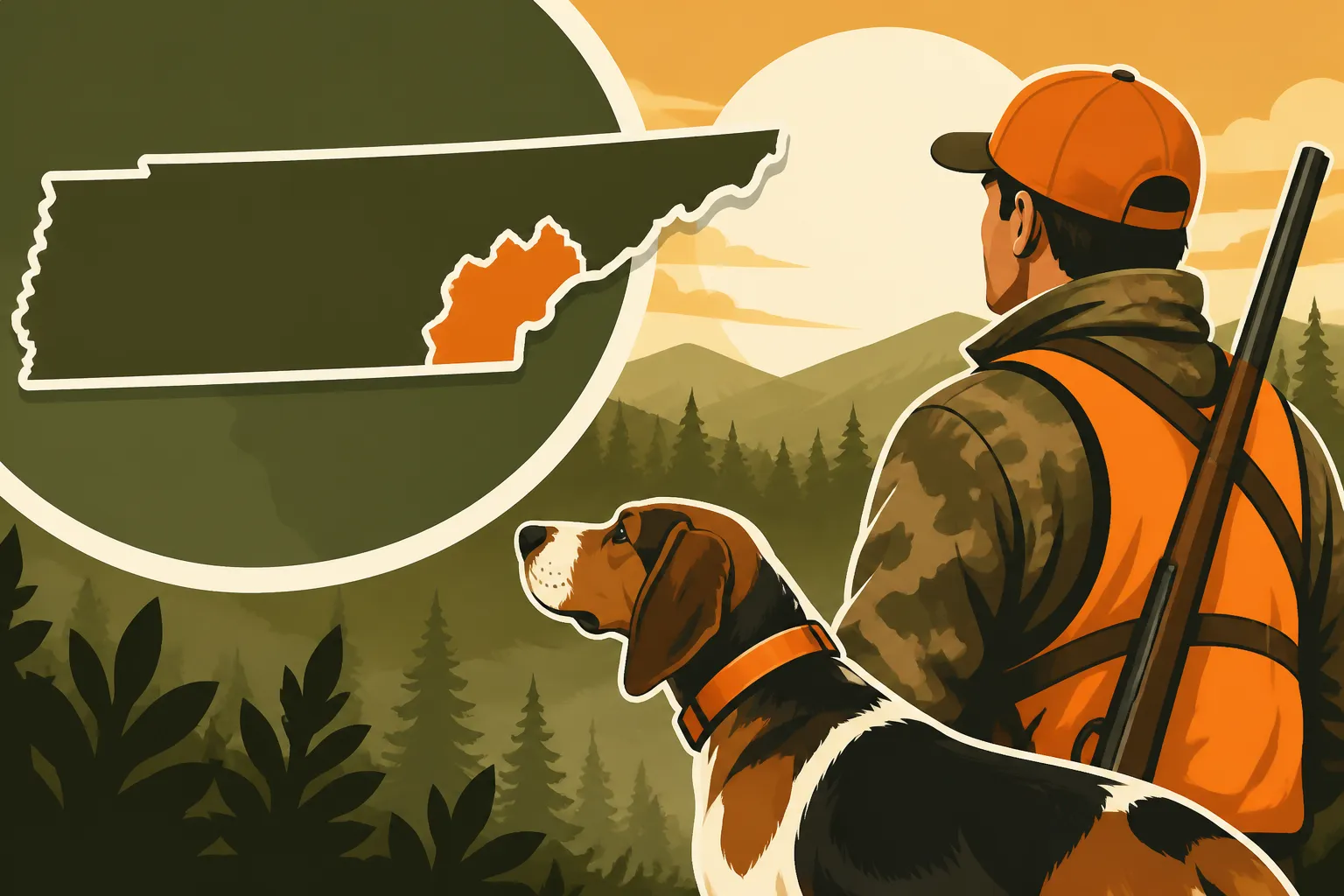
The South Cherokee, when we talk about bear hunting, typically refers to Bear Zone Three of Tennessee's black bear management units. This isn't just a random patch of woods; it's a specific, rugged, and beautiful section of the state that presents unique opportunities and challenges for hound hunters.
Geographic Boundaries and Key Counties
Bear Zone Three encompasses the southern portion of the expansive Cherokee National Forest. You're primarily looking at parts of Polk, Monroe, McMinn, and Blount counties in East Tennessee. This region is characterized by steep ridges, deep hollows, and dense hardwood forests, making it prime habitat for black bears. The terrain itself is a challenge, demanding physical stamina from both hunters and hounds, but it's also what makes the experience so rewarding. Imagine the cacophony of your dogs striking a fresh track, the sound bouncing off ancient hemlocks as they drive a bear through thick rhododendron slicks. It's an immersive experience that requires a deep understanding of the land you're traversing.
Season Structure and Specific Dog Season Dates
It's crucial to understand that Tennessee's bear hunting seasons are not a one-size-fits-all affair. The dog season for bears is entirely distinct from still-hunting seasons, often occurring at different times of the year. Historically, the bear dog season in Bear Zone Three runs for a specific, often shorter, window, typically in late fall. This timing is strategic, aimed at balancing harvest objectives with bear biology and other hunting activities. For instance, the dates might align with prime mast crops, influencing bear movement, or be set to avoid conflicts with deer season in certain areas. You absolutely must check the current Tennessee Wildlife Resources Agency (TWRA) regulations each year for the precise opening and closing dates, as well as any specific weekly restrictions. These dates can shift, and being off by a single day could lead to a violation. The TWRA website is your best friend here, always providing the most up-to-date information. For more detailed information on the specific rules governing this area, be sure to check out Tennessee Bear Zone Three Rules.
Here’s a simplified example of how season structures might differ, though remember to consult current TWRA resources for exact dates and details:
| Hunting Method | Typical Season Start (Approx.) | Typical Season End (Approx.) | Key Characteristics |
|---|---|---|---|
| Bear Archery | Mid-September | Mid-October | Early season, still-hunting, specific zones |
| Bear Muzzleloader | Early November | Mid-November | Still-hunting, often overlaps with deer muzzleloader |
| Bear Dog Season | Late October | Early November | Specific to Bear Zone Three, hounds permitted |
| Bear Gun | Late November | Early December | Still-hunting, overlaps with deer gun season |
This table illustrates why knowing the precise dates for the bear dog season is paramount for anyone planning to hunt with hounds in the South Cherokee.
Navigating Public Land Access in South Cherokee
The Cherokee National Forest is a vast expanse of public land, but "public" doesn't always mean "anything goes." There are specific regulations and considerations for accessing these lands, especially when hunting with dogs.
Identifying Legal Hunting Areas within Cherokee National Forest
While much of the Cherokee National Forest is open to hunting, specific regulations can apply to bear hunting, and even more so to hunting with hounds. Not all sections are created equal. Some areas might be designated as bear reserves, which often have specific rules regarding hunting methods, or even be closed during certain periods, including dog season. It's incredibly important to remember that the National Forest is interspersed with private inholdings. You absolutely cannot cross or hunt on private property without explicit permission, and doing so is a serious trespass violation.
This is where modern mapping applications become indispensable. Tools like onX Hunt are game-changers for navigating these complex boundaries. You can use their satellite imagery and property line overlays on your phone or GPS device to pinpoint exactly where you are and ensure you're always on public land. Before you ever hit the ground, spend hours poring over these maps, identifying public forest service roads, potential access points, and avoiding private parcels that could lead to trouble. Getting a grasp on Cherokee National Forest Hunting in general is a solid first step, but bear hunting with dogs has its own unique considerations.
Understanding Road Access and Vehicle Regulations
Accessing the remote corners of the South Cherokee often means utilizing forest service roads. These roads vary dramatically in condition and accessibility. Some are well-maintained gravel roads open year-round, while others are rough, seasonally-gated logging roads that might require a high-clearance 4×4 vehicle when they are open.
It’s not just about getting there; it’s about understanding the rules of the road once you are there. The U.S. Forest Service publishes Motor Vehicle Use Maps (MVUMs) that are the definitive guide to which roads are open, which are seasonal, and which are entirely closed to motorized vehicles. These maps are updated regularly, and you can usually find them online or at local Forest Service district offices. Always carry the current MVUM for the area you plan to hunt. Using ATVs is generally restricted to designated trails, not for simply cruising down any old logging path. Parking also comes with rules; make sure you're not blocking gates, roads, or trails, and that your vehicle is completely off the main travel way. Planning your entry and exit points is just as important as planning your hunt, especially when you factor in the possibility of recovering a bear deep in a hollow. This extensive network of public land offers incredible opportunity, but requires diligent research and adherence to rules, a practice which applies to all Public Hunting Land in Tennessee.
Essential Permits and Regulations for Hound Hunters
Hunting with hounds in Tennessee, particularly for bears, comes with a specific set of legal requirements beyond your basic hunting license. Don't let ignorance be the reason your hunt gets cut short.
Required Licenses and Bear Tags
First and foremost, you need a valid Tennessee hunting license. For residents, this might be a simple annual hunting license or a more comprehensive Sportsman License. Non-residents will need to purchase a specific non-resident hunting license. Beyond the general license, every bear hunter, regardless of residency or method, must possess an additional bear license or bear ear tag. This tag is crucial; it's what legally allows you to harvest a bear.
It's absolutely vital to confirm the specific licenses and tags required before you head out. These requirements can sometimes change, or there might be special permits for specific areas within the Cherokee National Forest. Always visit the Go Outdoors Tennessee website or a licensed vendor to purchase your licenses and ensure everything is current. Keeping a physical copy and a digital version (like on your phone) is a smart backup, just in case. For a deep dive into the costs and options, you can read Tennessee Hunting Licenses and What They Cost.
Rules Specific to Hunting with Hounds
Hound hunting has its own unique set of regulations designed to manage the resource and minimize conflicts. These rules are particularly important in a popular area like the South Cherokee.
- Dog Training Seasons: There are often designated "dog training seasons" for bears and other furbearers. During these periods, you can run your hounds to track and tree bears, but harvesting a bear might not be legal, depending on the specific regulations. Know the difference between a training season and the actual hunting season.
- Dog Identification: Your hounds must be identifiable. This usually means a collar with your name and contact information. Many hound hunters also use GPS collars, which not only track your dog's location but can also store handler information, a crucial piece of gear for GPS Collars for Bear Hounds.
- Number of Dogs: There might be a limit on the number of dogs you can actively hunt with at one time. This is to prevent over-harassment of game and to manage the intensity of hunting pressure.
- Handler Responsibility: As a hound hunter, you are responsible for your dogs. This means making every reasonable effort to recover them, even if they cross onto private land (though you cannot trespass to retrieve them without permission). Abandoning a dog is illegal and unethical. The sheer effort involved in Running Hounds for Cherokee Forest Bears demands complete dedication to your pack.
- Zones and Closures: Always be aware of any areas within Bear Zone Three that might be temporarily closed to dog hunting due to management objectives, bear dens, or other factors. The TWRA will publicize these closures. This is where apps like onX Hunt become incredibly valuable, as they often update with WMA boundaries and special regulations.
Harvest Reporting and Post-Harvest Requirements
Once you've successfully harvested a bear, your responsibilities don't end there. Tennessee has mandatory harvest reporting requirements for all big game, including bears. This usually involves reporting your kill online or via phone through the Go Outdoors Tennessee system within a specific timeframe, typically before moving the carcass beyond certain distances or across county lines.
Make sure you're familiar with the process for Tennessee Bear Checking Requirements. This reporting provides valuable data to wildlife biologists, helping them monitor bear populations and set future seasons. Furthermore, depending on where your bear was harvested, there might be specific carcass disposal or testing requirements, particularly if the area is near a Chronic Wasting Disease (CWD) management zone (though CWD is primarily a deer issue, staying informed about all wildlife health concerns is part of responsible hunting). Always be prepared to handle your animal ethically and legally after the shot.
Practical Strategies for a Successful South Cherokee Dog Season
Hunting with hounds in the rugged South Cherokee isn't just about showing up; it requires extensive preparation and strategic thinking.
Pre-Season Scouting and Preparation
Success in the bear woods starts long before opening day. You can't just drop dogs in a random spot and expect results.
- Identify Bear Sign: Bears are creatures of habit. Look for signs like torn-up logs, claw marks on trees, scat, and tracks. Pay particular attention to food sources. Oak ridges heavy with acorns are bear magnets in the fall. Beech nuts, wild grapes, and berry bushes are also crucial food sources. Scouting helps you predict where bears will be active, giving your dogs a better chance to strike a fresh track.
- Terrain Analysis: Study the topography. Identify potential escape routes for bears, such as dense laurel thickets or steep rock outcroppings. Also, map out access points and possible cut-off roads for your chase vehicles. This is where tools like onX Hunt or GoHunt truly shine. You can overlay aerial imagery with topographic maps to understand elevation changes, identify drainage features (creek bottoms are often travel corridors), and mark potential bedding or feeding areas. Knowing the terrain helps you anticipate the chase and position your ground crew effectively. Scouting Tennessee Public Land Before Season is invaluable for this type of hunt.
- Physical Conditioning: The South Cherokee is not for the faint of heart. Be prepared for steep climbs, thick brush, and long days. Your dogs need to be in peak physical condition too. Regular exercise, proper nutrition, and veterinary care are crucial. A tired dog is a lost dog, or one that can't finish the chase.
- Team Coordination: Bear hunting with hounds is almost always a team effort. Establish clear communication protocols with your hunting partners. Who's on the ground? Who's in the truck? What are the radio channels? How will you track the dogs and the bear? A well-coordinated team is a safe and effective team.
Safety and Respect for the Land and Other Hunters
Hunting the South Cherokee isn't just about bagging a bear; it's about doing so safely, ethically, and with respect for the environment and other users of the forest.
- Communication: Always carry reliable communication devices. Cell service can be spotty in the mountains, so two-way radios are often essential for communicating with your chase crew. A satellite communicator like a Garmin inReach or a Zoleo device can be a lifesaver for emergency situations when you're out of cell range.
- Blaze Orange: While not always mandatory for bear hunting with dogs in Tennessee, wearing blaze orange or blaze pink is highly recommended for visibility, especially during overlapping seasons or in areas with other hunters. You want to be seen.
- Leave No Trace: Pack out everything you pack in, and then some. This includes spent shell casings, food wrappers, and any trash. Leave the forest cleaner than you found it. This practice ensures that these incredible public lands remain accessible and enjoyable for everyone.
- Respect Other Users: The Cherokee National Forest is used by hikers, campers, bird watchers, and other hunters (archers, muzzleloader hunters). Be courteous and respectful. Avoid conflicts, and if your dogs cross paths with other users, ensure they are under control and don't cause a disturbance. Education and polite communication can go a long way in fostering good relationships with all forest users. Remember the spirit of Camping Rules on Cherokee National Forest Land also applies to your general conduct.
Gear and Logistics for Rugged Terrain
Your gear list for a South Cherokee bear dog hunt will be extensive and specialized, designed to handle the challenges of mountain hunting.
- Dog Tracking Systems: Modern GPS dog tracking systems, like Garmin Alpha or Astro series, are absolutely indispensable. They allow you to monitor your dogs' exact location, speed, and direction in real-time. This is critical for keeping track of your pack in vast, dense terrain and for making decisions on where to position chase vehicles.
- Footwear and Clothing: Invest in high-quality, waterproof, and durable hiking boots with excellent ankle support. The terrain will test them. Layered clothing is key, as mountain weather can change rapidly from chilly mornings to warm afternoons, and vice-versa. Expect to be bushwhacking through briars and rhododendron, so tough outer layers are a must.
- Navigation Tools: Beyond your phone app, carry a dedicated GPS unit or at least a compass and a physical map as a backup. Batteries die, and technology can fail. Being able to navigate old-school can save you from getting lost.
- First Aid and Emergency Gear: A comprehensive first aid kit for both humans and dogs is essential. Include items for cuts, scrapes, snake bites, and other common injuries. Also, carry fire-starting materials, a headlamp, extra water, and high-energy snacks. When you're Recovering a Deer From a Steep Hollow, you appreciate being prepared for anything, and the same applies to bears.
- Vehicle Preparation: Ensure your chase vehicles are in excellent condition, especially tires and brakes. A winch can be a lifesaver on muddy, steep forest roads. Carry extra fuel, a spare tire, and basic repair tools.
A successful bear dog season in the South Cherokee is a culmination of diligent preparation, strict adherence to regulations, and a deep respect for the wild. It’s an adventure that few get to experience, and with the right approach, you can be one of them.
Disclaimer
This article is for general informational purposes only and does not constitute professional advice. Laws, prices and regulations vary by location and change over time. Consult a qualified professional for guidance on your specific situation.