Getting a Land Between the Lakes Hunt Permit
Hunting in Land Between the Lakes (LBL) can feel like navigating a whole different world compared to hunting typical Tennessee Wildlife Management Areas or private land. The biggest hurdle many folks face right off the bat is understanding that a standard Tennessee hunting license isn't enough; you need a specific LBL hunt permit, and figuring out what kind you need and how to get it can be a real headache. This guide is going to walk you through everything you need to know about securing your LBL hunt permit, cutting through the confusion so you can focus on your hunt.
The Unique Challenge of Land Between the Lakes Hunting
Land Between the Lakes isn't just another stretch of woods; it's a massive national recreation area, a unique beast managed by the U.S. Forest Service (USFS) that straddles both Tennessee and Kentucky. This dual-state identity and federal oversight mean that while it's fantastic habitat for deer, turkey, and other game, the rules and regulations for hunting here are distinct from what you might be used to in the rest of Tennessee. It can be a bit of a shock for hunters who are accustomed to only dealing with TWRA regulations.
Federal Management and State Line Divides
Unlike most public lands in Tennessee, which are managed directly by the Tennessee Wildlife Resources Agency (TWRA) or are state forests, LBL is under the purview of the USFS. This means that while some state laws, like blaze orange requirements or hunter education, still apply, the overarching framework for hunting permits, season dates, and bag limits are set by LBL management, often in conjunction with both the TWRA and Kentucky Fish and Wildlife Resources. This creates a fascinating blend of rules that require hunters to be extra diligent. For instance, while LBL tries to align some seasons with the surrounding states, the permit system itself is entirely separate. It’s not uncommon to hear stories of hunters showing up with just their state license, only to be turned away because they missed the crucial LBL permit step. The complexity often arises from the need to harmonize regulations across state lines while maintaining LBL's unique management objectives.
Another layer of complexity comes from the fact that LBL physically spans two states. While it might seem like a single contiguous hunting area, legally and administratively, it's divided. You'll hear talk about the Kentucky Versus Tennessee Sides of the Lakes, and for good reason. Depending on which side of the state line you're hunting, you might be looking at subtle differences in species presence, hunting pressure, and sometimes even specific regulations. However, the LBL hunt permit system itself is unified across both states within LBL boundaries, meaning one permit covers your LBL hunting, regardless of which state's portion you’re in. It's truly a one-of-a-kind hunting experience that rewards preparation and attention to detail.
Why LBL Requires a Special Permit
The requirement for a special LBL hunt permit, above and beyond your standard state hunting license, often catches new LBL hunters off guard. The reasoning behind this isn't to simply make things more difficult, but rather to allow LBL management to effectively manage visitor impact, control hunter numbers, and fund their extensive wildlife and habitat management programs. Your state license covers hunting within that state, but LBL operates as a federally designated recreation area, and these areas often have their own specific user fees and permits to manage their unique resources.
Think of it like this: your Tennessee hunting license gets you access to most of the state's public and private lands, but for areas like LBL, there's an additional layer of management that requires its own revenue stream and oversight. These permits help pay for things like maintaining wildlife openings, conducting prescribed burns, managing invasive species, and even patrolling the vast LBL acreage to ensure compliance and safety. Without these dedicated funds, LBL's exceptional hunting opportunities might not be possible. It’s also a critical tool for LBL to collect specific data on hunter effort and harvest within its boundaries, separate from the broader state harvest data. This granular data allows them to make more informed decisions about future hunt designs and wildlife populations. So, while it's an extra step, it's a necessary one that contributes directly to the quality of the hunting experience you'll find within LBL.
Understanding the LBL Hunt Permit System
Navigating the Land Between the Lakes hunt permit system can feel a bit like deciphering a secret code if you're not familiar with it. It's fundamentally different from how you might acquire a standard state hunting license or even a Tennessee WMA Permit Requirement for other state-managed lands. Instead of just buying an annual stamp, LBL employs a combination of general permits and specific quota hunt applications, all designed to manage pressure and opportunity on their unique landscape.
Annual Hunter Use Permits
For most "open" hunting seasons within LBL, like much of the archery deer season or small game hunting, you'll need to purchase an Annual Hunter Use Permit. This permit acts as your general admission pass for hunting within LBL, allowing you to participate in seasons that aren't designated as "quota hunts." This is usually a flat fee and is valid for a specific period, typically a year, from the date of purchase or for the duration of a hunting season.
This permit is essential for anyone planning to step foot in LBL with a hunting implement. It's your foundational document, proving you've acknowledged and agreed to abide by LBL's specific rules. You purchase this permit online through the LBL official website, or sometimes at designated vendors or LBL visitor centers. It's crucial to obtain this before you head out, as LBL law enforcement frequently checks for compliance. For instance, if you're planning on Bowhunting Tennessee's Long Archery Season within LBL, this annual permit is non-negotiable. Without it, even with a valid state license, you'd be hunting illegally on LBL grounds. Always double-check the validity dates; sometimes they run on a calendar year, other times aligned with the hunting season cycle.
Quota Hunt Applications
Beyond the general Annual Hunter Use Permit, LBL also utilizes a system of quota hunts for specific seasons, primarily for deer and sometimes for turkey. These hunts are designed to limit the number of hunters in certain areas during peak times, ensuring a high-quality experience and helping LBL meet specific harvest objectives. Land Between the Lakes Deer Quota Hunts are a prime example of this system in action.
Applying for a quota hunt is typically a separate process, often involving an application period where you can put in for various hunt dates and zones. These are often draw-based, meaning you apply, and if selected, you then purchase the specific quota hunt permit. The application periods are usually well in advance of the hunt dates, so you need to plan ahead. This is where attention to detail really pays off. Missing an application deadline means missing out on the hunt entirely. While a state license is still required for the species you're pursuing, the LBL quota hunt permit grants you the exclusive privilege to hunt a specific area on specific dates, making it a highly sought-after opportunity. The number of permits issued for these hunts is carefully controlled, which is why they offer a truly special experience for those who draw a tag.
Types of LBL Hunts and Permits
Land Between the Lakes offers a diverse range of hunting opportunities, but each comes with its own permit requirements. Understanding the distinctions between the types of hunts available—from deer to turkey to small game—is key to ensuring you have the right paperwork in hand and are ready for the field.
Deer Hunting Permits
Deer hunting is arguably the most popular pursuit within LBL, attracting hunters from both Tennessee and Kentucky. LBL manages its deer herd carefully, and as such, deer hunting permits are among the most structured.
- Archery Hunts: For the general archery season within LBL, hunters typically need the Annual Hunter Use Permit in addition to their state archery license. These seasons often run concurrently with the state's When Tennessee's Archery Season Opens, but LBL has its own specific zone regulations and often antlerless harvest rules. The flexibility of archery allows for longer seasons, and the Annual Hunter Use Permit provides access during these periods. However, LBL may also designate specific areas as "archery-only" quota hunts, which would require a separate, drawn permit. It's crucial to check the LBL Hunt Regulations each year.
- Shotgun/Muzzleloader Hunts: These are almost exclusively managed through the quota hunt system. If you're looking to participate in a gun hunt for deer in LBL, you will very likely need to apply for and draw a specific quota hunt permit. These permits specify the weapon type (shotgun, muzzleloader, or sometimes modern rifle in certain limited areas), the hunt dates, and the specific hunt unit you are allowed to be in. For example, you might be drawn for a "Deer Quota Hunt – Shotgun Only – Unit 10," which would mean you can only hunt that unit during those dates with a legal shotgun. This ensures that hunter density is controlled, providing a safer and often more successful experience. Just like with any Tennessee Muzzleloader Season Tactics, you'll want to be familiar with the specifics of your chosen weapon and LBL's unique regulations regarding it.
Turkey Hunting Permits
Spring turkey hunting in LBL is another highly anticipated season, offering opportunities for both resident and non-resident hunters. Similar to deer, LBL implements its own set of rules and permit structures for gobblers.
- General Turkey Hunts: For most of LBL's spring turkey season, an Annual Hunter Use Permit is typically required, along with your valid state turkey license. LBL's general turkey season dates may or may not perfectly align with the statewide Tennessee Spring Turkey Season Rules, so consulting the LBL specific regulations is vital. These general hunts allow for broader access across LBL and are a great way to experience the area's robust turkey population. It's worth noting that even in general seasons, LBL might have specific bag limits or restrictions that differ from the statewide limits.
- Quota Turkey Hunts: In some years, LBL might also offer limited quota turkey hunts, particularly in areas where hunter pressure needs closer management or specific biological goals are in place. These would require a separate application and draw, much like the deer quota hunts. If you're drawn, that permit would grant you access to a specific unit for a specific timeframe. These hunts are often highly competitive due to the potential for a more secluded hunting experience and higher success rates, so keep an eye on the application windows.
Small Game and Furbearer Permits
While deer and turkey get a lot of the spotlight, LBL also offers excellent opportunities for small game and furbearer hunting. The permit requirements here are generally simpler, focusing primarily on the Annual Hunter Use Permit.
- Open Seasons: For species like squirrel, rabbit, and various furbearers (coyote, bobcat, etc.), hunters typically only need the Annual Hunter Use Permit along with their relevant state hunting license. These seasons generally follow the state season dates but, again, always check the specific LBL regulations. The vast, diverse habitats of LBL provide ample cover and food sources for these species, making it a fantastic destination for a squirrel hunt or chasing rabbits with dogs. Keep in mind that for furbearers, there might be specific rules regarding night hunting or trapping, so familiarity with LBL's unique rules is paramount.
- Trapping: Trapping furbearers in LBL also falls under its unique permit system. Trappers will need an LBL trapping permit, usually obtained through a separate application process, in addition to their state trapping license. These permits are often limited in number and designated to specific trap lines or units to prevent over-harvest and manage resources effectively. If you're interested in Trapping Tennessee Furbearers within LBL, be prepared for specific LBL regulations regarding trap types, set locations, and reporting requirements.
How to Apply for an LBL Hunt Permit
Applying for an LBL hunt permit might seem like a daunting task, especially if you're used to the simpler process of buying a state license. However, with a clear understanding of the steps and where to go, it’s quite manageable. The process is primarily online, requiring you to be proactive and mindful of deadlines.
The LBL Online Application Portal
The primary method for acquiring your LBL hunt permits, both the Annual Hunter Use Permit and quota hunt applications, is through the official Land Between the Lakes online portal. This dedicated system is separate from Tennessee's "Go Outdoors Tennessee" platform and Kentucky's licensing system. You'll need to create an account if you don't already have one, which usually involves providing your personal details, contact information, and sometimes your state hunting license number.
Once registered, you can navigate the portal to find the current year's permit offerings. For the Annual Hunter Use Permit, it's typically a straightforward purchase, much like any online transaction. For quota hunts, the process involves selecting the specific hunt types, dates, and units you're interested in. The system will guide you through submitting your application, and if it's a draw hunt, you'll enter the drawing pool. This portal is also where you'll generally find detailed hunt regulations, maps of hunt units, and important announcements. Make sure to use a reliable computer and have all your personal information handy before you start. Many hunters find it helpful to review the current regulations PDF before beginning the application to ensure they know exactly what they're applying for.
Application Windows and Deadlines
One of the most critical aspects of securing an LBL hunt permit, especially for quota hunts, is being acutely aware of application windows and deadlines. These are strict, and missing them means missing out on the opportunity.
- Annual Hunter Use Permit: This permit is generally available for purchase throughout the year, though it's best to get it well in advance of your first planned hunt in LBL. It's often valid from the time of purchase until the end of the specified permit year (e.g., February 28th or March 31st of the following year).
- Quota Hunt Applications: These have very specific, often tight, application periods. For deer quota hunts, applications typically open in late spring or early summer, with draws conducted shortly thereafter. Turkey quota hunts, if offered, would follow a similar pattern. These deadlines are published well in advance on the LBL official website and in their annual hunt regulations guide. You won't find these application periods advertised on the Tennessee Deer Season Structure Explained page, so you have to actively seek them out through LBL's channels. Setting calendar reminders is a smart strategy to avoid disappointment. Remember, these application periods are for applying to be in the draw, not for the actual hunt itself. If successful in the draw, you'll then be notified and prompted to purchase your drawn permit.
Permit Costs and Fees
While LBL permit costs are subject to change, understanding the general structure of fees is important for budgeting your hunt.
- Annual Hunter Use Permit: This permit typically involves a moderate fee. This fee is for access to LBL for hunting purposes and helps fund their wildlife management efforts. It’s important to note that this is in addition to your regular Tennessee or Kentucky state hunting license.
- Quota Hunt Application Fees: There may be a small, non-refundable application fee for each quota hunt you apply for. This helps cover the administrative costs of running the draw system. If you are successfully drawn, there will be an additional permit fee, often higher than the Annual Hunter Use Permit, to cover the privilege of hunting a specific area during a controlled season.
- State License Requirements: Don't forget, even with an LBL permit, you still need a valid Tennessee hunting license (or Kentucky, if you're a resident of that state) for the species you intend to hunt. For example, to hunt deer in LBL, you’ll need your Tennessee Big Game Permit and perhaps an all-species license, in addition to your LBL permits. Check the current Tennessee Hunting Licenses and What They Cost on the TWRA website to ensure you’re fully compliant with state regulations before heading to LBL.
It’s always a good practice to consolidate all costs—state licenses, LBL annual permit, and any quota hunt fees—when planning your budget.
Here’s a simplified breakdown of the permit types:
| Permit Type | Purpose | Required For | Application Process |
|---|---|---|---|
| Annual Hunter Use Permit | General hunting access to LBL | Most open seasons (archery, small game) | Online purchase, generally year-round |
| Quota Hunt Permit | Access to specific, limited entry hunts | Deer shotgun, muzzleloader, special turkey | Online application, competitive draw |
| State Hunting License | Legal permission to hunt within TN/KY | All hunting activities within LBL | Purchased through TWRA/KFW |
| State Big Game Permits | Legal permission for deer/turkey in TN/KY | Deer/Turkey hunting within LBL | Purchased through TWRA/KFW |
Key Regulations and Considerations for LBL Hunters
Hunting in Land Between the Lakes isn't just about having the right permits; it's also about understanding and adhering to a specific set of regulations that often go beyond standard state rules. Because LBL is a federal area, there are nuances in safety, weapons, and even how you manage your harvest.
Blaze Orange and Safety Requirements
Safety is paramount in any hunting scenario, but especially in a multi-use area like LBL. Like Tennessee, LBL has strict blaze orange requirements, which are often non-negotiable and apply during specific seasons. It's not just a suggestion; it's a critical safety measure to protect you and other users of the forest.
Typically, during any firearm deer or turkey season (including quota hunts), hunters are required to wear a certain amount of blaze orange, often a solid orange hat and/or an outer garment above the waist with a minimum number of square inches visible from all sides. While Tennessee Blaze Orange Requirements generally align, LBL's specific verbiage might differ slightly, so always consult their current regulations. It's a smart idea to exceed the minimum, especially in areas with high hunter density or during youth hunts. Beyond blaze orange, LBL emphasizes safe hunting practices, including knowing your target and what's beyond it, respecting property lines, and being aware of other recreational users like hikers or bird watchers. LBL staff actively patrol during hunting seasons, and violations of safety regulations are taken seriously.
Weapon Restrictions and Approved Ammunition
The types of weapons permitted for hunting certain species in LBL are also carefully regulated and can differ from broader state allowances. While many hunters are familiar with Tennessee Legal Firearms for Deer Hunting, LBL may have its own specific list of approved firearms, archery equipment, and muzzleloaders for different hunts.
For deer quota hunts, for instance, LBL often specifies "shotgun only" or "muzzleloader only" for particular zones and dates, even if the general state season might allow rifles. This is a management decision to control bullet trajectory and range in areas that might have varying terrain or proximity to recreational zones. For archery, crossbows are typically allowed within LBL during archery seasons, often mirroring state rules. It's also vital to check for any specific ammunition restrictions, such as lead-free shot requirements for waterfowl or restrictions on certain bullet types for big game. Always refer to the most current LBL hunt guide for precise weapon and ammunition guidelines for your specific hunt. Showing up with a rifle to a "shotgun only" quota hunt will result in you not being allowed to hunt.
Post-Harvest Requirements and CWD Protocols
After a successful hunt in LBL, there are specific post-harvest requirements that hunters must follow, particularly for deer and turkey. These often include checking game and adherence to Chronic Wasting Disease (CWD) protocols, which are becoming increasingly critical in Tennessee.
LBL typically requires hunters to check their harvested game through a designated LBL check station or an online reporting system specific to LBL. This is separate from reporting your harvest to TWRA through the Go Outdoors Tennessee app, though you will likely need to do both. Checking your game with LBL allows them to collect vital biological data, such as age, sex, and antler measurements, which informs their deer management plan. This data is distinct from the state's harvest data and helps LBL maintain its unique management objectives.
Furthermore, with the spread of CWD in Tennessee, LBL has implemented its own CWD surveillance and carcass transportation rules. While LBL is not always directly inside the Tennessee's Chronic Wasting Disease Management Zone, its proximity to CWD-positive counties means special precautions are often in place. Hunters may be required to submit deer heads for CWD testing, and there might be restrictions on moving certain deer carcass parts out of LBL, especially if LBL itself becomes designated as a CWD-positive area or is adjacent to one. Always review LBL's CWD guidelines, which often work in conjunction with TWRA's Tennessee Carcass Deboning Requirements and testing procedures. Ignorance of these rules is not an excuse, and non-compliance can lead to fines and loss of hunting privileges.
Maximizing Your Chances and Planning Your Hunt
Hunting in Land Between the Lakes is a fantastic experience, but it's a vast and often challenging landscape. To make the most of your LBL hunt permit and increase your chances of success, careful planning and preparation are absolutely essential.
Pre-Season Scouting and Map Tools
Just like any other public land hunt, pre-season scouting is a game-changer for LBL. This massive area offers diverse terrain, from rolling hills and hardwood ridges to dense bottomlands and lake-front timber. Knowing where to focus your efforts before the season opens will put you miles ahead of the competition.
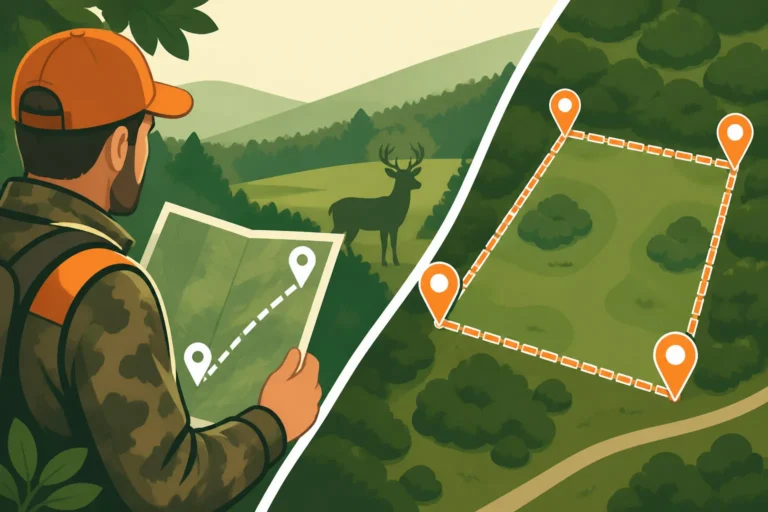
Start your scouting from home using digital mapping tools. Services like onX Hunt and GoHunt are invaluable for LBL, offering detailed satellite imagery, topographic maps, and property boundaries. These tools allow you to identify potential bedding areas, food sources, pinch points, and travel corridors, even distinguishing between areas open for specific types of hunting. Look for changes in elevation, old logging roads, creek drainages, and areas with diverse habitat. You can mark potential stand sites, entry and exit routes, and areas to check for sign during your physical scouting trips. This is a far more efficient approach than simply wandering blindly into the woods on opening morning. Reading Aerial Photos for Cumberland Plateau Deer provides some great insights that can be directly applied to LBL’s varied terrain.
Once you've done your digital homework, get boots on the ground. LBL is a big place, and nothing beats seeing the terrain firsthand. Look for fresh rubs, scrapes, tracks, and bedding areas. Pay attention to water sources and natural funnels. Identify specific trees for treestand placement, especially in areas near known food sources like acorn flats or persimmon groves. Scouting also gives you a feel for hunter pressure; sometimes, going a bit further off the beaten path can lead you to less-pressured game.
Understanding LBL Hunt Units and Pressure
LBL is broken down into numerous hunt units, particularly for quota hunts, and understanding these units and how they relate to hunter pressure is key. Some units are vast and remote, others might be smaller and more accessible, leading to varying levels of hunter activity.
For quota hunts, your permit will specify the exact unit you are allowed to hunt. Study this unit thoroughly with your mapping tools and during scouting. Look for internal access points, potential escape routes for game, and areas that might hold animals but are difficult for other hunters to reach. During open seasons, you have more flexibility, but it's still wise to consider overall LBL zones and typical pressure patterns. Areas closer to main roads or developed recreation sites will almost always see more foot traffic and hunting pressure. Sometimes, just walking an extra half-mile or pushing into a thick clear-cut can get you away from the crowds and into unpressured territory. This is where tools like onX Hunt can show you established trails or areas that appear less accessible, often yielding better results. Remember, game animals in LBL are just as accustomed to human activity as deer on other public lands, so finding areas of sanctuary is crucial.
Packing Smart and Being Prepared
LBL is a wild place, and being prepared for anything the Tennessee weather or terrain throws at you is non-negotiable. Whether you're making a long hike into a remote unit or sitting in a stand for hours, smart packing can make or break your hunt.
Your gear list should be comprehensive, starting with good quality boots that are broken in and suitable for varied terrain – think waterproof and supportive for long walks and potentially wet creek crossings. Layered clothing is crucial for fluctuating Tennessee temperatures; even a warm autumn morning can turn into a chilly afternoon, especially if you're sitting still. Clothing for a Tennessee Late Season offers great advice on layering. A reliable backpack with essentials like a first-aid kit, plenty of water, high-energy snacks, a knife, a headlamp, and a fully charged phone (with a portable charger) is a must. Remember, cell service can be spotty in some of LBL's deeper hollows, so consider downloading offline maps on your onX Hunt app or carrying a physical compass and map as a backup. Don't forget game recovery essentials like drag ropes or a game cart if your unit allows for vehicle access. For those hunting during gun season, your Rifle Setups for Tennessee Deer Hunting should be sighted in and ready, with plenty of practice at varying distances. Being prepared means you can focus on the hunt, not on unforeseen challenges.
Disclaimer
This article is for general informational purposes only and does not constitute professional advice. Laws, prices and regulations vary by location and change over time. Consult a qualified professional for guidance on your specific situation.