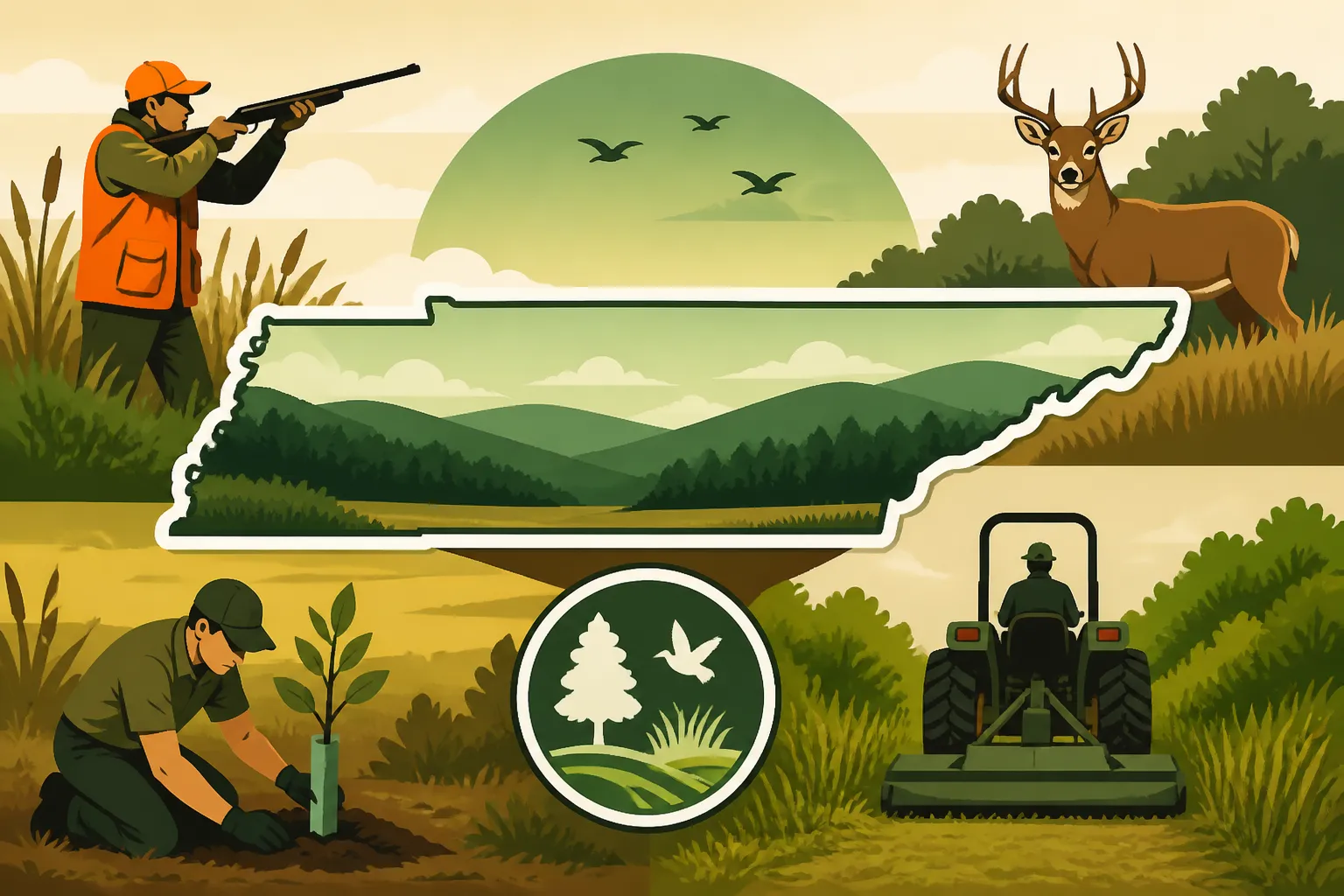
How Tennessee WMAs Are Managed
It can feel like navigating a labyrinth sometimes, trying to truly understand the ins and outs of public hunting land here in Tennessee. You pull up to a Wildlife Management Area (WMA), see the signs, read the regulations, and might even pick out a spot on your onX Hunt app, but have you ever stopped to wonder what truly goes into making that land available and productive for hunting? It's not just a patch of woods or a flooded field; it's a living, breathing ecosystem under constant, deliberate management. This guide will pull back the curtain on how Tennessee's WMAs are managed, revealing the dedicated efforts that ensure these vital public resources remain healthy and accessible for generations of hunters and wildlife enthusiasts.
The Foundation of WMA Management: More Than Just Land
When you step onto a Tennessee WMA, you're not just entering a random tract of state property. These lands are specifically designated and managed with wildlife and public recreation in mind, a commitment that comes with significant responsibility and detailed planning. Understanding the legislative backbone and the funding mechanisms behind WMAs helps you appreciate the true value of these areas.
Legislative Mandate and Funding
Tennessee’s WMAs are managed under a specific legislative mandate that prioritizes the conservation and enhancement of wildlife resources. This isn't a new concept; it's rooted in a century-old understanding that robust wildlife populations and accessible hunting grounds require intentional effort and investment. The Tennessee Wildlife Resources Agency (TWRA) is tasked with upholding this mandate, ensuring that the management practices on WMAs align with both state and federal conservation goals.
One of the most crucial aspects of WMA management, and frankly, of all wildlife conservation in the United States, is how it's funded. As hunters, we are often the unsung heroes here. A significant portion of the money used to acquire, maintain, and improve WMAs comes directly from the sales of hunting licenses and permits, like those you can find details about in Tennessee Hunting Licenses and What They Cost. Every time you buy your annual license or a big game permit, a portion of that revenue goes straight back into these lands. Additionally, federal excise taxes on firearms, ammunition, and archery equipment, collected under the Pittman-Robertson Act, provide critical matching funds. This means that hunters' dollars are directly responsible for the habitat work, land acquisition, and biological research that makes these areas what they are. It’s a powerful testament to the conservation ethic ingrained in our hunting heritage.
The Role of the TWRA
The Tennessee Wildlife Resources Agency (TWRA) acts as the central nervous system for WMA management. It’s a dedicated team composed of diverse professionals, all working towards the common goal of wildlife conservation. Imagine the sheer volume of expertise needed: wildlife biologists who understand population dynamics and habitat needs, law enforcement officers who patrol these vast lands to ensure fair chase and adherence to regulations, and land managers who oversee the day-to-day operations and habitat projects.
These professionals don't just sit in offices; they are out in the field, collecting data, planning controlled burns, planting food plots, and interacting with the public. Their mission is multifaceted: to conserve and enhance Tennessee's diverse wildlife populations, to manage habitats to support these populations, and to provide quality outdoor recreational opportunities, including hunting, fishing, and wildlife viewing. Every decision, from setting season dates in Tennessee Deer Season Structure Explained to determining optimal timber harvest schedules, is made with input from these experts. The TWRA’s commitment ensures that WMAs are not only productive hunting grounds but also resilient ecosystems that can support a wide array of species for the long haul.
Habitat Management Strategies: Crafting Wildlife Havens
Habitat is the cornerstone of healthy wildlife populations. On Tennessee’s WMAs, managing habitat isn't a passive activity; it's a highly active, scientific process aimed at creating and maintaining the diverse environments that different species need to thrive. From the towering hardwoods to the wetland sloughs, every acre is considered for its potential to support wildlife.
Forest and Timber Management
Many of Tennessee’s WMAs encompass extensive timberlands, particularly in areas like the Cumberland Plateau and the eastern mountains. Here, forest management is a critical tool for habitat improvement. It might sound counterintuitive to cut down trees on a wildlife area, but strategic timber harvesting, thinning, and selective cutting are incredibly beneficial. For instance, creating clear-cuts or performing thinnings allows sunlight to reach the forest floor, stimulating the growth of herbaceous plants, shrubs, and young trees. This early successional habitat is a buffet for deer, providing both food and thick cover. It's also vital for species like ruffed grouse and wild turkeys, offering ideal nesting and brooding areas.
Beyond creating new growth, forest management also focuses on maintaining mast production. Mature oak and hickory trees, which produce acorns and nuts, are invaluable food sources, especially in the fall and winter. Managers might selectively thin around these mast producers to ensure they have enough light and nutrients to maximize their yield. Prescribed burns are another key component, mimicking natural fire cycles to remove undesirable undergrowth, reduce wildfire risk, and promote the growth of fire-adapted plants that benefit many wildlife species.
Food Plots and Agricultural Leases
While natural forage is paramount, food plots play a crucial role on many WMAs by supplementing natural food sources, especially during lean periods or to draw game to specific areas for hunting opportunities. These aren't just random plantings; they are carefully planned and planted with species known to be highly palatable and nutritious for target wildlife. Clover, winter wheat, brassicas, and corn are common choices. They can help concentrate deer, turkeys, and even small game in accessible areas, improving hunting success rates and providing vital nutrition.
In some larger, more agriculturally-rich WMAs, the TWRA might establish agricultural leases with local farmers. These agreements benefit both the farmer, who gets to utilize the land, and wildlife, as a predetermined percentage of the crop (often 10-25%) is left unharvested. Imagine a large cornfield where a few rows are left standing through the winter—that's a vital food source for deer, turkeys, and a variety of small game and birds. These leases provide a reliable, high-energy food source and can be particularly effective in areas where natural mast production might be inconsistent from year to year. You can often scout these areas using tools like GoHunt or onX Hunt to identify prime locations.
Water Management for Waterfowl and Other Species
Tennessee is blessed with abundant water resources, and many WMAs leverage this for specialized habitat management, particularly for waterfowl. Areas like Reelfoot Lake Waterfowl Access are prime examples. Here, managers actively manipulate water levels in impoundments, green tree reservoirs, and moist soil units to create optimal conditions for ducks and geese.
This often involves intricate draw-down and flooding cycles. In late spring and summer, impoundments might be drained (drawn down) to allow native moist soil plants like smartweed, millet, and sedges to grow. These plants produce abundant seeds that are highly nutritious for waterfowl. As fall approaches, these areas are reflooded, creating shallow, food-rich wetlands that become magnets for migrating ducks and geese on the Mississippi Flyway. Green tree reservoirs are bottomland hardwood forests that are intentionally flooded during the winter months, providing food (like acorns) and shelter in a wetland environment. This careful water management is essential for attracting and holding migratory birds, ensuring a successful waterfowl season, and supporting the overall health of these aquatic ecosystems.
Wildlife Population Management: Balancing Abundance and Health
Managing the habitat is only one side of the coin; the other is managing the wildlife populations themselves. This involves a delicate balance of ensuring healthy numbers, providing sustainable harvest opportunities, and safeguarding against disease.
Harvest Regulations and Quota Hunts
One of the most visible aspects of WMA management to hunters is the set of harvest regulations. These aren't arbitrary rules; they are carefully crafted based on scientific data collected by TWRA biologists. Bag limits, season dates (such as those for Tennessee Small Game Season Rules), and weapon restrictions are all designed to manage population numbers, ensure a sustainable harvest, and maintain a healthy age structure within game species. For example, antler restrictions in certain DMUs might be implemented to allow younger bucks to mature, while antlerless-only hunts are crucial for managing deer herd size and keeping it in balance with the available habitat.
Many WMAs also employ quota hunts, especially for species like deer, bear, and elk, as detailed in Land Between the Lakes Deer Quota Hunts or Tennessee Elk Quota Hunt Rules. These hunts limit the number of participants, reducing hunting pressure and allowing for precise control over harvest numbers in specific areas. It’s a way to provide quality hunting experiences while ensuring that wildlife populations aren't overharvested and that the area doesn't become too crowded. Applying for these hunts often requires specific application periods and may even involve a lottery system.
Disease Monitoring and Control
Disease is a constant threat to wildlife populations, and WMAs are on the front lines of monitoring and control efforts. Chronic Wasting Disease (CWD) is a prime example of a serious threat that requires intensive management. When CWD was first detected in Tennessee, especially within the CWD Management Zone outlined in Tennessee's Chronic Wasting Disease Management Zone, WMAs within that area became critical hubs for monitoring and prevention.
TWRA biologists actively collect samples from harvested deer for CWD testing at designated sampling stations. Hunters are often required to bring their harvested deer to these stations, or at least submit specific samples, contributing directly to the surveillance efforts as described in Tennessee CWD Testing for Hunters. Furthermore, strict regulations on the movement of deer carcasses and parts out of CWD zones are in place to prevent the spread of the disease. These measures, though sometimes inconvenient for hunters, are absolutely vital for protecting the health of Tennessee's deer herd and preventing the disease from spreading to new areas.
Research and Data Collection
Good management is impossible without good data. On WMAs, a continuous cycle of research and data collection informs virtually every management decision. Biologists spend countless hours in the field collecting information:
- Harvest Checks: At check stations or through online reporting, data is gathered on hunter success, sex ratios, age of harvested animals, and overall harvest numbers.
- Camera Surveys: Trail cameras are deployed to monitor population estimates, fawn recruitment, and buck-to-doe ratios without direct human disturbance.
- Biological Samples: Tissue, blood, and lymph node samples are collected for disease testing, genetic analysis, and to assess overall animal health.
- Habitat Surveys: Vegetation surveys, mast crop assessments, and water quality monitoring help determine habitat health and carrying capacity.
This wealth of data allows the TWRA to track trends, identify potential problems, and adapt management strategies as needed. It's a scientific approach to wildlife conservation, often involving collaborations with universities and other research institutions to ensure the most current and effective practices are employed. The insights gained from this research ensure that WMAs are managed not just on educated guesses, but on solid, scientific understanding.
Public Access and Recreational Opportunities: Sharing Tennessee's Wild Spaces
One of the core purposes of a WMA is to provide public access for a variety of outdoor activities. This means not just managing the wildlife, but also managing the people and the infrastructure that allows them to enjoy these precious resources.
Access Points and Infrastructure
For a WMA to be truly accessible, it needs the right infrastructure. The TWRA dedicates resources to maintaining a network of roads, parking areas, and, where applicable, boat ramps. These aren't always paved highways; often, they are gravel forest roads that stand up to weather and use. Clear signage is crucial, marking boundaries, access points, and specific regulations. Tools like the Go Outdoors Tennessee app or onX Hunt are invaluable for hunters to navigate these areas, showing property lines, roads, and designated hunting zones.
However, access often comes with regulations to protect the land and minimize impact. You'll find rules regarding vehicle use, with many areas restricting ATVs to designated trails or completely prohibiting them. The goal is to provide reasonable access while preventing habitat degradation and maintaining a quality experience for all users. Knowing these rules beforehand can save you a lot of headache and ensure you're a responsible visitor.
User Conflicts and Regulations
WMAs are multi-use areas, which means they are shared by hunters, hikers, birdwatchers, anglers, and other outdoor enthusiasts. While this diversity is a strength, it can also lead to potential conflicts if not carefully managed. The TWRA addresses this by implementing specific regulations designed to minimize friction and ensure safety. For example, Tennessee Blaze Orange Requirements during firearm seasons are mandatory for hunter safety, reducing the risk of accidents. Some areas might have designated "quiet zones" where certain activities are prohibited, or specific times of the year might be reserved for certain uses.
It's a balance of rights and responsibilities. As users of these public lands, it's essential for all of us to be mindful of others. This means understanding and following all regulations, being respectful of fellow outdoor enthusiasts, and knowing where private land boundaries lie (a task made much easier with mapping tools like onX Hunt). Ultimately, these regulations aim to create a harmonious environment where everyone can enjoy Tennessee's wild spaces safely. You can even find details about Hunting Pressure on Tennessee Public Land to help plan your visits to less-crowded areas.
| Management Strategy | Primary Goal | Examples on WMA | Benefits to Wildlife |
|---|---|---|---|
| Forestry/Timber | Habitat Diversity | Selective thinning, clear-cuts, prescribed burns | Early successional habitat for deer/turkey, mast production, wildfire reduction |
| Food Plots/Ag Leases | Supplement Forage | Corn, clover, winter wheat plantings; unharvested crops | Concentrated food sources, improved nutrition, increased carrying capacity |
| Water Management | Wetland Habitat | Draw-downs, reflooding, green tree reservoirs | Waterfowl feeding/resting areas, amphibian/aquatic insect habitat |
| Harvest Regulations | Population Control | Bag limits, season dates, quota hunts | Healthy age structure, sustainable populations, reduced disease spread |
| Disease Monitoring | Public Health | CWD sampling, carcass restrictions | Early detection of disease, protection of overall herd health |
| Access/Infrastructure | User Experience | Roads, parking, boat ramps, signage | Safe and convenient access for recreation, reduced impact on sensitive areas |
Non-Hunting Recreational Uses
It's important to remember that WMAs are not solely for hunting. While providing hunting opportunities is a primary focus, these lands also serve as vital resources for a wide range of non-hunting recreational activities. Hikers can traverse miles of trails, birdwatchers can observe migratory and resident species in diverse habitats, photographers capture stunning landscapes and wildlife, and anglers can pursue fish in WMA lakes and streams.
These non-consumptive uses are equally valuable, fostering an appreciation for nature and contributing to the overall conservation mission of the TWRA. Many of the habitat management practices undertaken for game species, such as forest thinning or wetland restoration, also benefit non-game species and improve the aesthetic appeal for all visitors. This multi-use approach ensures that WMAs are true public trusts, enjoyed and supported by a broad spectrum of the population, all while maintaining their primary role as crucial wildlife habitat.
Challenges and Future of WMA Management: Looking Ahead
Managing vast tracts of land for wildlife and public use is never without its challenges. The TWRA and its partners are constantly working to adapt to new threats and ensure the long-term viability of Tennessee’s WMAs.
Funding and Resource Limitations
Despite the significant contributions from hunters through license sales and federal excise taxes, funding remains an ongoing challenge for WMA management. The costs associated with land acquisition, maintaining infrastructure (roads, buildings, equipment), implementing habitat projects (Habitat Work on Tennessee WMAs), and employing qualified staff are substantial and continually increasing. Inflation impacts everything from fuel for tractors to the price of seed for food plots.
Securing adequate and consistent funding is critical for the TWRA to continue its vital work. This means not only relying on existing revenue streams but also exploring new partnerships and seeking additional support from state and federal sources. The future health and accessibility of our WMAs depend heavily on a sustained commitment of resources, underscoring the importance of continued hunter support and advocacy for wildlife conservation.
Invasive Species and Climate Change
Two major ecological threats loom large over WMA management: invasive species and climate change. Invasive plants like kudzu, privet, and multiflora rose can quickly choke out native vegetation, reducing biodiversity and diminishing food and cover for wildlife. Invasive animals, such as wild hogs (which are a persistent problem in many parts of Tennessee), can devastate agricultural lands and natural habitats, disrupting ecosystems and competing with native species for resources. Managing these invaders requires constant vigilance, labor-intensive removal efforts, and often costly control methods.
Climate change presents a more diffuse but equally serious challenge. Shifting weather patterns can impact water availability for wetlands, alter growing seasons for native plants, and potentially stress wildlife populations. Extreme weather events, like prolonged droughts or severe floods, can damage habitat and infrastructure. WMA managers must consider these long-term trends and adapt their strategies, such as selecting drought-resistant plant species or designing resilient water control structures, to ensure these lands remain productive in a changing environment.
Public Engagement and Education
Finally, the success of WMA management hinges on public engagement and education. Many people, even those who enjoy the outdoors, don't fully understand the complexities of wildlife and habitat management. Educating the public about the goals and practices of WMAs helps build support, fosters responsible behavior, and ensures a shared understanding of conservation principles.
Hunter education programs, like the ones detailed in Tennessee Hunter Education Requirements, are crucial not just for safety but also for instilling a strong conservation ethic in new hunters. Outreach events, interpretive signage, and online resources help inform non-hunters about the ecological importance of WMAs and the benefits of active management. When the public understands why certain actions are taken—whether it's a prescribed burn, a timber harvest, or specific hunting regulations—they are more likely to support and appreciate these invaluable public lands. It's about building a community of informed stewards who recognize the profound value of Tennessee’s Wildlife Management Areas.
Disclaimer
This article is for general informational purposes only and does not constitute professional advice. Laws, prices and regulations vary by location and change over time. Consult a qualified professional for guidance on your specific situation.