Haywood County Hatchie Refuge Access
For many Tennessee hunters, the idea of pursuing game on federal land like a National Wildlife Refuge can be both exciting and a little intimidating. You hear stories, maybe see some pictures, but then the reality of permits, specific regulations, and navigating new territory sinks in. It’s enough to make anyone scratch their head and wonder if it’s even worth the effort. But don't despair! This guide is designed to cut through the confusion and provide clear, actionable insights into accessing and successfully hunting the Hatchie National Wildlife Refuge in Haywood County, so you can transform those dreams into a tangible hunting experience.
Understanding the Hatchie National Wildlife Refuge Ecosystem
The Hatchie National Wildlife Refuge, nestled in Haywood County, is a true gem of West Tennessee. It’s part of a larger network of refuges established to conserve a diverse array of wildlife and their habitats, but it also provides crucial recreational opportunities, including hunting. The refuge itself spans thousands of acres, primarily along the Hatchie River, one of the last unchannelized rivers in the Lower Mississippi River Valley. This means you’re not just walking into any patch of woods; you're stepping into a vibrant, dynamic ecosystem of bottomland hardwoods, cypress swamps, oxbow lakes, and agricultural fields.
Imagine the feeling of walking through ancient bottomland timber, the air thick with the scent of damp earth and decaying leaves, and the sounds of woodpeckers echoing through the canopy. This isn't just scenic beauty; it’s prime habitat. The annual flooding cycles of the Hatchie River enrich the soil, creating incredibly fertile ground for mast-producing trees like oaks and pecans, which are vital food sources for deer, turkeys, and small game. These rich floodplains also attract a plethora of waterfowl, especially during migration, making it a critical stopover point. Understanding this ecosystem is the first step in unlocking its hunting potential, as it directly influences where game will be, and when.
The Refuge's Mission and Unique Habitat
The primary mission of any National Wildlife Refuge is conservation, and Hatchie is no exception. It’s managed by the U.S. Fish and Wildlife Service with a focus on protecting migratory birds, endangered species, and other native wildlife. For hunters, this translates into a unique opportunity to participate in wildlife management. Hunting, when properly regulated, helps control populations, prevent overgrazing, and maintain ecological balance. It's a privilege, and one that comes with a responsibility to understand and respect the refuge's overarching goals.
The habitat diversity here is truly remarkable. You have the classic West Tennessee bottomland, which means a lot of water-tolerant oaks, cypress, and tupelo. But then you also find higher ground areas with more upland species, and managed agricultural fields that might be planted with corn, soybeans, or winter wheat – all fantastic food sources that pull game in. This mix means different hunting strategies will apply depending on which part of the refuge you're targeting and what species you're after. Hunting West Tennessee Bottomland Deer offers more insight into this kind of terrain. The river itself, with its meandering oxbows and sloughs, creates natural funnels and travel corridors for deer, making it a key feature to study on your maps.
Common Game Species at Hatchie NWR
So, what can you actually hunt here? The Hatchie NWR supports healthy populations of several game species. White-tailed deer are undoubtedly the main attraction for many, thriving in the refuge's diverse cover and abundant food sources. Turkey hunting is also a popular pursuit, with gobblers strutting through the timber in the spring. Small game, such as squirrels and rabbits, provide additional opportunities, often with more liberal seasons and fewer restrictions than big game. And of course, being on the Mississippi Flyway, waterfowl hunting can be exceptional, though it often requires specialized gear and tactics.
Here's a quick look at the typical game species you might encounter and the general types of hunting available:
| Game Species | Primary Habitat | Typical Hunting Method | Special Considerations |
|---|---|---|---|
| White-tailed Deer | Bottomland hardwoods, agricultural fields | Archery, Muzzleloader, Gun | Quota hunts, antlerless opportunities, CWD regulations |
| Wild Turkey | Mixed hardwoods, field edges | Shotgun, Archery | Spring season, specific zones, bag limits |
| Squirrel | Mature oak/hickory stands | Shotgun, .22 rifle | Generally more open access, longer season |
| Rabbit | Brushy field edges, thickets | Shotgun, Beagles | Can be combined with squirrel hunts, good for youth |
| Waterfowl (Ducks/Geese) | Flooded timber, impoundments, river sloughs | Shotgun, decoys, blinds | Specific zones, federal stamps, HIP certification |
It's important to remember that regulations for each species can vary significantly year to year and between specific zones within the refuge, so always check the most current information directly from the U.S. Fish and Wildlife Service.
Navigating the Hunt Zones and Regulations
Hunting on a National Wildlife Refuge like Hatchie isn’t quite the same as hunting on a private farm or even a state-run Wildlife Management Area (WMA). There are often more layers of regulations, specific hunt zones, and frequently a permit system that requires planning well in advance. This can be the biggest hurdle for new hunters to the refuge, but once you understand the system, it becomes much clearer.
The refuge is typically divided into different hunting units or zones, each with its own set of rules, open dates, and sometimes, designated species. You might find zones that are archery-only, others that allow muzzleloaders, and specific areas for modern firearms. These divisions are designed to manage hunting pressure, provide quality experiences, and ensure wildlife populations aren't over-stressed in certain areas. It's crucial to identify which zone you plan to hunt and thoroughly review its specific regulations. Using a mapping application like onX Hunt becomes absolutely indispensable here, as it often has public land boundaries and even refuge-specific overlays that clearly delineate these zones.
Permits, Quota Hunts, and Application Deadlines
One of the primary differences you'll encounter at Hatchie NWR, especially for big game like deer and turkey, is the requirement for special refuge permits and participation in quota hunts. Unlike buying a general statewide license, these hunts often require an application process. You're essentially applying for the chance to hunt, and if drawn, you receive a special permit that allows you access during a specific time frame.
The application windows for these quota hunts are generally well in advance of the season, sometimes months out. Missing a deadline means missing the opportunity for that year. Hunters typically apply through the refuge's official website or through a system managed by the U.S. Fish and Wildlife Service. While I can't provide current dates, understand that late spring or early summer is often the time to start looking for application announcements for fall hunts. Many hunters utilize resources from platforms like GoHunt that specialize in drawing odds and application strategy across various federal and state lands to improve their chances or at least stay organized with deadlines. For general Tennessee hunting permits, you’ll also need your Tennessee Resident Hunting License Options or Tennessee Nonresident Hunting License Options.
It's also common for refuges to have specific antler restrictions or antlerless limits that differ from general statewide rules, so read every detail of your permit and the refuge's hunt brochure carefully. Don't assume anything.
General Regulations to Always Heed
Beyond the specific hunt types and permits, there are general regulations common to most National Wildlife Refuges that you must be aware of. These often include:
- Vehicle Access: Designated parking areas are common. Off-road vehicle use is typically prohibited, and some roads might be seasonal.
- Blaze Orange: Even during archery seasons, blaze orange requirements can be stricter on federal lands. Always check the specific refuge rules, not just statewide minimums. Tennessee Blaze Orange Requirements is a good starting point, but refuge rules can be more stringent.
- Tree Stands/Blinds: Many refuges have rules about when stands can be put up, when they must be removed, and what type of stands are allowed (e.g., no screw-in steps, portable only). Ground blinds may also have specific placement rules.
- Baiting/Feeding: This is almost universally prohibited on federal lands. Do not bring bait or feed onto the refuge.
- WMA Stamps: While Hatchie is a federal refuge, if it shares boundaries or management aspects with a state WMA, you might also need a Tennessee WMA Permit Requirement. Always double-check.
- CWD Zone: Haywood County is part of Tennessee's Chronic Wasting Disease Management Zone. This means strict rules apply regarding the transport of deer carcasses out of the county and mandatory CWD testing. Hunters should familiarize themselves with Tennessee's Chronic Wasting Disease Management Zone and Tennessee Carcass Deboning Requirements.
A good rule of thumb is this: if you’re unsure, don’t do it. Always contact the refuge office directly if you have any questions about specific rules or access. It's better to ask than to risk a citation and losing your hunting privileges.
Planning Your Trip: Maps, Scouting, and Logistics
You wouldn't embark on a long road trip without a map, and hunting the Hatchie NWR is no different. In fact, it's even more critical. The diverse terrain, river systems, and designated hunt zones demand thorough preparation. Effective planning involves detailed map study, pre-season scouting (if allowed), and understanding the logistical challenges of hunting public land that might see significant pressure.
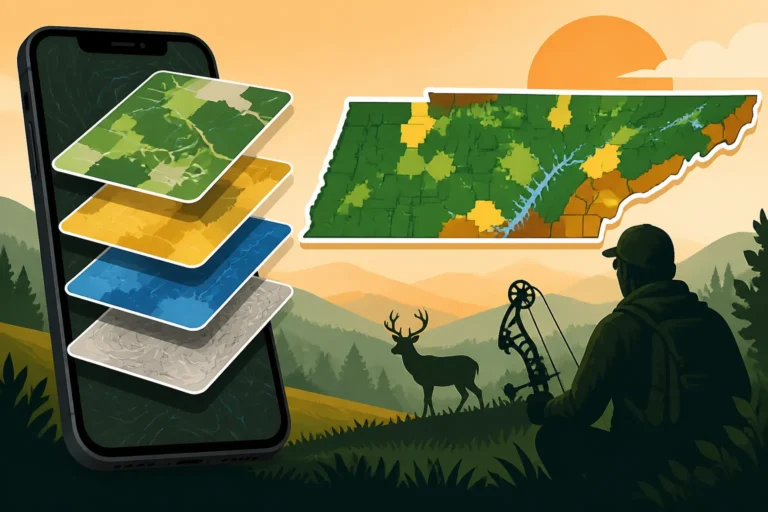
Before you ever set foot on refuge land, spend time with a good mapping tool. Applications like onX Hunt are invaluable because they show property boundaries, public land ownership, and often include specific refuge overlays that highlight hunt units, access roads, and even topographic features. This helps you identify potential pinch points, travel corridors, and bedding areas. It's a game-changer, allowing you to "walk" the property virtually before you get boots on the ground.
Utilizing Digital Mapping Tools
Digital maps are your best friend when hunting federal lands. Forget the crumpled paper map that tears in the rain; a robust app on your phone (with downloaded offline maps!) is essential. Here’s how to make the most of it:
- Boundary Lines: Verify the refuge boundary lines to avoid trespassing onto private land. This is especially critical in areas where the refuge might border agricultural fields or residential properties.
- Hunt Zones: As mentioned, different zones have different rules. Use your app to see these zones clearly marked. Plan your entry and exit routes accordingly.
- Topography: While West Tennessee might not have the dramatic elevation changes of the Cherokee National Forest, subtle rises and depressions along the river bottoms can significantly impact deer movement and water levels. Identify high ground where deer might seek refuge during floods.
- Access Points: Locate designated parking areas and legal entry points. Remember, cutting through private land to reach the refuge is trespassing. Mark these on your map.
- Potential Hotspots: Look for features like funnel points created by timber breaks or water, areas of dense cover for bedding, and obvious food sources if marked (like agricultural fields or known mast-producing oak ridges).
Download your maps for offline use! Cell service can be spotty or non-existent in remote parts of the refuge. There's nothing worse than being deep in the woods, needing to check a boundary, and realizing your map won't load.
Pre-Season Scouting and Identifying Productive Areas
Once you've done your digital homework, if pre-season access is allowed (always check refuge rules for specific scouting dates), it’s time for boots-on-the-ground scouting. This is where you confirm what your maps told you and discover the nuances only visible in person.
Look for:
- Deer Sign: Fresh tracks, droppings, rubs, and scrapes. Pay attention to how deer are using the terrain. Are they following old logging roads? Skirting a thicket? Crossing a slough? Scrape Lines Along a Logging Road can provide more detail on what to look for.
- Waterfowl Sign: If hunting ducks or geese, look for areas with active birds, recent feeding activity in flooded timber or impoundments, and natural cover for blind building.
- Game Trails: Identify heavily used game trails, especially those leading between bedding areas and food sources. These are prime spots for stand placement.
- Pinch Points and Funnels: These natural constrictions force animal movement into predictable patterns, making them excellent ambush locations. A narrow strip of timber between two large fields, or a dry ridge between two flooded bottomland sections, are classic examples. Hunting a Funnel Between Two Bottoms covers this in depth.
- Food Sources: Confirm acorn production, identify managed food plots, or note areas with browse that deer are actively using. Late-Season Food Sources for Tennessee Whitetails are particularly important to consider.
Remember that hunting pressure can shift animal patterns, especially after opening day. What looked like a hotspot during scouting might be blown out after a few hunters move through. Look for areas that are harder to access; often, the deeper you’re willing to go, the less pressure you’ll encounter.
Essential Gear and Responsible Practices for the Refuge
Hunting the Hatchie NWR demands not just preparation, but also the right gear and a commitment to responsible hunting. Because it's a dynamic river system, conditions can change quickly, from dry woods to flooded timber. Being properly equipped and adhering to ethical practices ensures your safety, enhances your success, and preserves the hunting opportunities for everyone.
Think about the environment: expect mud, water, and thick cover. Your gear choices need to reflect this reality. This isn't the place for pristine white sneakers or fair-weather clothing. Beyond physical gear, your mindset is just as important. Respecting the refuge, its wildlife, and fellow hunters is paramount.
What to Carry: Beyond the Basics
Your gear list for Hatchie NWR might look a little different than for other hunting areas. Here’s a breakdown of what you'll definitely want to consider:
- Waterproof Boots/Waders: Even if it hasn't rained recently, low-lying areas, sloughs, and creek crossings can be wet. Good quality rubber boots or even chest waders are often a must, especially for waterfowl or navigating flooded timber. Boots for Tennessee Hollows and Creek Bottoms could offer more insights.
- Navigation: As discussed, a reliable GPS unit or a smartphone with downloaded onX Hunt maps (and a portable charger!) is non-negotiable. Carry a physical compass as a backup, and know how to use it.
- Layers of Clothing: West Tennessee weather can be fickle. Early season might be hot and humid, while late season can be surprisingly cold and damp. Layering allows you to adapt. Avoid cotton, which holds moisture; opt for synthetics or wool. Layering for a Tennessee Deer Stand is a great resource here.
- Game Retrieval: If you're successful with a deer, getting it out of a swampy bottomland can be a monumental task. A deer cart (if allowed on designated trails), a good game sled, or strong drag ropes are vital. Dragging a Deer Out of a Steep Hollow might be relevant, as some areas could be surprisingly steep near river banks.
- First Aid Kit: Always, always carry a comprehensive first aid kit. You're often a long way from help on a refuge.
- Water and Snacks: Plan for longer walks and more challenging conditions than you might expect. Stay hydrated and fueled.
- Headlamp: Crucial for walking in before dawn or out after dusk.
- Insect Repellent: Mosquitoes and ticks are a constant presence, especially in swampy areas.
| Category | Essential Items | Notes |
|---|---|---|
| Navigation | onX Hunt (downloaded maps), GPS unit, Compass | Cell service unreliable; always have backup. |
| Footwear | Waterproof rubber boots, Waders (for waterfowling) | Expect mud and water in bottomland areas. |
| Clothing | Layering system (synthetic/wool), Rain gear, Blaze Orange | Adapt to weather; refuge may have specific orange requirements. |
| Retrieval | Deer drag, Game cart (if allowed on trails), Game bags | Especially important for large game in challenging terrain. |
| Safety/Misc. | First Aid Kit, Headlamp, Water, Snacks, Insect Repellent | Prepare for emergencies; be self-sufficient. |
Ethical Hunting and Conservation
Hunting on a National Wildlife Refuge carries an added weight of responsibility. You are not just a hunter; you are a steward of conserved lands. This means:
- Know and Follow All Rules: This is the most basic, yet most critical, principle. Ignorance is no excuse.
- Leave No Trace: Pack out everything you pack in. This includes spent shell casings, food wrappers, and anything else you bring with you. Leave the area cleaner than you found it.
- Respect Other Users: Refuges are used by hikers, birdwatchers, and other recreationalists. Be courteous and mindful that you share the space.
- Retrieve All Game: Make every reasonable effort to find and retrieve any game you shoot. This might mean long hours tracking, especially in difficult terrain. Blood Trailing After Dark in Tennessee or Tracking a Deer Through Tennessee Leaf Litter could be helpful.
- Report Violations: If you witness poaching or other illegal activities, report them to the refuge manager or law enforcement. This helps protect the resource for future generations.
By approaching your hunt at Hatchie National Wildlife Refuge with respect, thorough preparation, and the right gear, you're setting yourself up not just for success, but for a truly rewarding experience in one of Tennessee's most unique natural landscapes.
Disclaimer
This article is for general informational purposes only and does not constitute professional advice. Laws, prices and regulations vary by location and change over time. Consult a qualified professional for guidance on your specific situation.