Putnam County Public Hunting Access
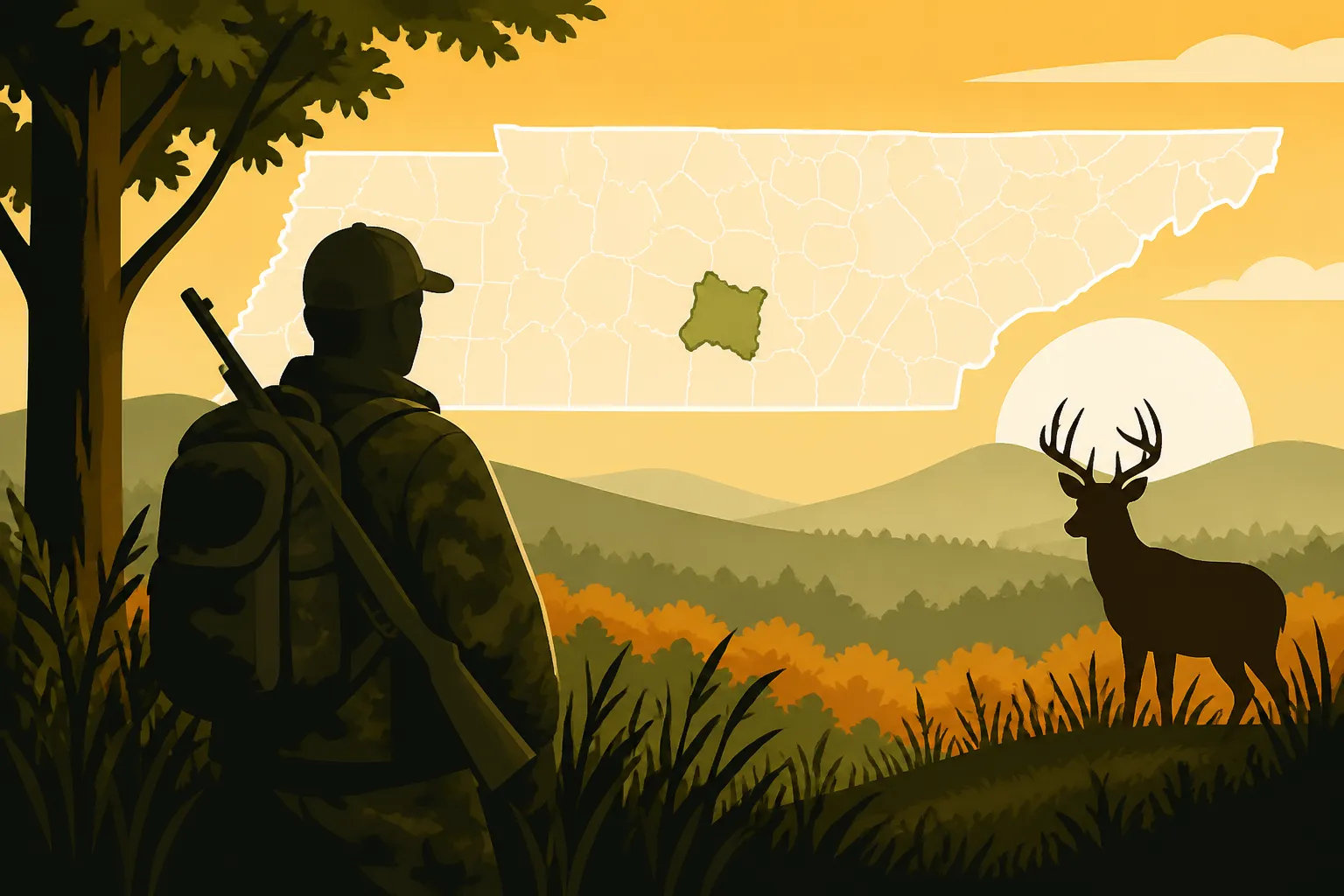
For many hunters calling Putnam County home, the sheer amount of private land can feel a bit overwhelming when you're looking for a spot to chase deer or turkeys. It often seems like every ridge and hollow is posted, making finding public access a genuine challenge. This guide is here to shed light on how you can successfully access public hunting opportunities in and around Putnam County, helping you navigate the landscape and get afield.
The Challenge of Finding Public Hunting Land in Putnam County
If you've spent any time looking for public hunting ground in Putnam County, you've probably felt that twinge of frustration. It's not like some of the other parts of Tennessee where vast stretches of national forest or extensive WMAs are practically in your backyard. Putnam County is largely agricultural and residential, meaning private land dominates the landscape, and public hunting opportunities require a bit more digging and often a willingness to travel just outside the county lines.
Why Putnam County is Tricky for Public Access
The geography of Putnam County, sitting squarely on the Cumberland Plateau, makes for some beautiful, rolling timber and scenic farmland. However, unlike some of the more rugged, less developed mountainous regions to the east, or the expansive river bottomlands to the west, Putnam County has been settled and divided into private ownership for generations. This means that while there's plenty of good habitat, it's typically owned by individuals or families, making "knocking on doors" for permission a common strategy, but not always a guaranteed success.
You might drive past acres of prime-looking timber or agricultural fields and see "No Hunting" signs everywhere. This isn't unique to Putnam, but it can feel particularly concentrated here. The small pockets of public land that do exist are often smaller state natural areas or parks that may have very limited or no hunting opportunities, or they might be highly regulated with specific quota hunts, adding another layer of complexity to finding a place to hunt. It can definitely feel like you're searching for a needle in a haystack if you're not sure where to start.
Common Misconceptions About Public Land in the Region
One of the biggest misconceptions many new hunters, or even seasoned hunters new to an area, hold is that if land is owned by the state – like a state park or certain state forests – it automatically means it's open for hunting. Unfortunately, this isn't always the case, especially in areas like Putnam County. Many state parks are designated for recreation like hiking, camping, and fishing, with hunting strictly prohibited or limited to very specific, often permit-only, situations to manage overpopulation.
Similarly, even some properties managed by the Tennessee Wildlife Resources Agency (TWRA) aren't always general public hunting areas. Some are refuges, research sites, or dedicated to non-hunting recreation. It’s crucial to understand that "public land" doesn't automatically equal "public hunting land." You absolutely need to verify the specific regulations for each individual tract you're considering. What's allowed on one WMA might be forbidden just a few miles down the road, making your homework before you head out into the woods paramount.
Key Public Hunting Areas Accessible from Putnam County
While Putnam County itself might not boast vast stretches of general public hunting land, it's strategically located near some excellent opportunities within a reasonable drive. Think of it less about hunting in Putnam and more about using Putnam as your home base for regional public land adventures.
Catoosa Wildlife Management Area: A Nearby Gem
Just a stone's throw east of Putnam County, you'll find the sprawling Catoosa Wildlife Management Area, an absolute gem for hunters in this part of the state. This WMA covers an impressive amount of rugged, timbered terrain across parts of Cumberland and Morgan counties, offering thousands of acres for hunting deer, turkey, bear, and various small game. It's well-known for its mature hardwood forests, steep ridges, and deep hollows, which means physically demanding hunting, but also offers the reward of solitude and some truly wild experiences.
Catoosa operates under specific WMA regulations, which means you'll need to check the TWRA hunting guide for season dates, bag limits, and permit requirements, as they often differ from statewide regulations. For instance, deer hunting generally requires special permits, and there are specific rules for entry and exit, especially during managed hunts. It’s the kind of place where a dedicated hunter can really stretch their legs and get away from the crowds often found on smaller public parcels. If you're looking for a serious challenge and a chance at quality game, Catoosa should be high on your list. Catoosa Wildlife Management Area offers a deeper dive into what makes this area special.
Bridgestone-Firestone WMA and its Offerings
Another significant WMA within a reasonable drive from Putnam County is the Bridgestone-Firestone WMA. Located mostly in Van Buren County, south of Putnam, this WMA offers a different flavor of hunting experience. While also timbered, it tends to have more gentle topography in places compared to the ruggedness of Catoosa. It provides excellent opportunities for deer, turkey, and small game like squirrel and rabbit.
Bridgestone-Firestone WMA, like all Tennessee Wildlife Management Areas, has its own set of rules and specific hunt dates. Hunters here will find a mix of hardwood forest, some pine plantations, and creek bottoms, creating diverse habitats. It’s generally more accessible in terms of terrain for those who might find Catoosa a bit too physically demanding, but it still offers plenty of challenge and rewarding hunting experiences. Always consult the TWRA regulations specific to Bridgestone-Firestone before planning your trip to ensure you understand all requirements, including any necessary permits or check-in procedures.
Other Smaller, Regional Public Tracts
Beyond the major WMAs, there are occasionally smaller public tracts or areas with limited hunting opportunities that might be closer to Putnam County. These could include certain flood control areas managed by the Tennessee Valley Authority (TVA) or portions of state forests that have specific hunting seasons. However, these are often much smaller, might be fragmented, and typically receive significant hunting pressure due to their accessibility.
Finding these smaller areas often requires diligent research and detailed mapping. You might discover a small section of public land along a river or a utility corridor that allows hunting. The key here is to verify, verify, verify. Never assume. Check with the TWRA directly or consult official land management maps for the specific parcel you're interested in. While they may not offer the vast wilderness experience of a Catoosa, these smaller tracts can sometimes surprise you with a good squirrel hunt or even a stealthy deer opportunity if you're willing to put in the legwork to scout them thoroughly and navigate the limited access.
Navigating Access and Rules on Putnam County Adjacent Public Land
Hunting public land successfully, especially near an area like Putnam County, is as much about understanding the rules and using the right tools as it is about woodsmanship. You're not just walking into an open woods; you're navigating a system.
Essential Tools for Scouting and Navigation
Gone are the days when a paper map and compass were your only reliable guides. While those are still invaluable backup tools, modern technology has revolutionized how we scout and navigate public lands. For hunters looking to maximize their time and avoid trespass issues around Putnam County, Scouting With the Tennessee TWRA App and commercial mapping applications are non-negotiable.
Mapping apps like onX Hunt are incredibly powerful. They provide detailed satellite imagery, topographic maps, and, crucially, property line overlays that distinguish between public and private land. This allows you to clearly see boundaries, understand exactly where you stand, and identify potential access points or pinch points long before you ever step foot in the woods. Similarly, other platforms like GoHunt offer comprehensive mapping features that can show you WMA boundaries, public access points, and even historical satellite data to help you spot changes in habitat. Using these tools to do your e-scouting, especially for understanding the nuances of a property line along a creek or a ridge, can save you hours of frustration and prevent accidental trespass onto private property. You can even use features like onX Layers for Tennessee Land Status to add another layer of intelligence to your planning.
Understanding WMA Regulations and Special Hunts
Each Wildlife Management Area, including Catoosa and Bridgestone-Firestone, operates under its own specific set of regulations, which often differ significantly from the general statewide hunting seasons. This is especially true for deer and turkey hunting, where managed hunts, quota hunts, or specific permit requirements are common. It's not enough to know the statewide opening day; you need to consult the specific WMA section of the current Tennessee Hunting & Trapping Guide.
For example, a WMA might have an archery-only period that doesn't align with the statewide archery season, or it might require a special permit drawn through a lottery system to hunt deer or elk (like in certain parts of the North Cumberland WMA, though not in the two primary WMAs near Putnam). Always check the Tennessee WMA Permit Requirement well in advance of your planned hunt. Pay close attention to rules regarding hunter orange, legal weapons, bag limits (which might be different than the surrounding counties), and check-in/check-out procedures. Missing a single detail could lead to a citation or, worse, losing your hunting privileges.
Vehicle, Camping, and Treestand Rules
Beyond hunting seasons and bag limits, public land often has specific rules regarding logistics once you're on the property. Vehicle access, for instance, is frequently restricted to designated roads or parking areas, with many WMA roads gated or closed seasonally to protect wildlife and minimize disturbance. Always look for maps or signage indicating where you can and cannot drive.
Camping is another area where rules vary wildly. Some WMAs allow primitive camping in designated areas, while others prohibit it entirely. If you're planning a multi-day hunt, confirm the Camping Rules on Cherokee National Forest Land or specific WMA before you pack your tent. Furthermore, Treestand Rules on Tennessee Public Land are very specific. Many WMAs prohibit leaving stands overnight or require them to be identified with your TWRA ID number. Ground blinds are generally more permissible but may also have restrictions on how long they can be in place or how they are constructed. Understanding these operational rules is just as vital as knowing your deer season dates to ensure a legal and enjoyable hunt.
Strategies for Maximizing Your Hunt Near Putnam County
Hunting successfully around Putnam County means embracing a strategy that accounts for the landscape, the type of public land available, and the potential for hunting pressure. It's about being smart and adaptable.
Pre-Season Scouting and E-Scouting
The absolute best thing you can do to improve your odds on public land near Putnam County is to scout, scout, scout. This isn't just a suggestion; it's a necessity. Start with Reading Aerial Photos for Cumberland Plateau Deer on your mapping app from the comfort of your home. Look for natural funnels, ridge systems, saddles, water sources, and areas with diverse vegetation. Identify potential bedding areas and feeding spots.
Once you have some target areas, dedicate time to boots-on-the-ground scouting before the season opens. Walk those areas, looking for deer sign like rubs, scrapes, and tracks. Find out what natural food sources are available – acorns, persimmons, browse. This pre-season effort is crucial for understanding deer movement patterns in specific locations. For turkey hunters, it means listening for gobblers in the spring, identifying roost trees, and understanding their travel routes from roost to feeding areas. Don't underestimate the value of Scouting Tennessee Public Land Before Season – it often separates successful hunters from those who go home empty-handed.
Adapting to Hunting Pressure
Let's be real: public land, especially those more accessible areas near population centers, can see significant hunting pressure. If you hunt the opening weekend of Tennessee's Gun Deer Season Into January on a WMA near Putnam County, you're likely to encounter other hunters. The key to success is to find areas that others overlook or are unwilling to reach.
This often means walking further than most. Get off the beaten path, away from main roads and easily accessible trailheads. Look for rugged terrain, steep hollows, or thickets that deter less determined hunters. Hunting mid-week instead of on weekends, or hunting during less popular periods like the late season, can also significantly reduce the number of other hunters you encounter. Another tactic is to observe how game animals react to pressure. They will often shift their patterns, using dense cover or nocturnal movement to avoid hunters. Adapting your approach to these changes, perhaps focusing on transition areas or bedding cover, can lead to success when other hunters are still focused on traditional, easily accessed spots. Ultimately, Finding Ground Others Walk Past is a skill that comes with experience and effort on pressured public lands.
Focusing on Specific Game Opportunities
While both Catoosa and Bridgestone-Firestone offer diverse hunting opportunities, it can be beneficial to focus on specific game when you visit. For example, Catoosa WMA is renowned for its deer hunting, particularly for those who enjoy the challenge of hunting mature bucks in big timber. It also holds a good population of wild turkeys and black bears. So, if your primary goal is deer, spend your time e-scouting and boots-on-the-ground scouting specifically for deer sign and travel corridors in Catoosa.
Bridgestone-Firestone WMA is also excellent for deer and turkeys. Small game, like squirrels and rabbits, can offer fantastic opportunities there as well, especially during early seasons or when other seasons are slow. Understanding the strengths of each WMA can help you tailor your efforts. If you're after spring turkeys, you'll need to study up on Tennessee Spring Turkey Season Rules and look for areas with good roosting timber and open understories. By focusing your efforts on the species that thrives in a particular area, and aligning that with the specific regulations for that WMA, you'll increase your chances of a successful and rewarding hunt.
Here's a quick overview of nearby public hunting options:
| WMA Name | Location (Relative to Putnam) | Primary Game Species | General Terrain | Permit/Rules Notes |
|---|---|---|---|---|
| Catoosa WMA | East | Deer, Turkey, Bear, Small Game | Rugged, mature hardwoods, steep ridges, deep hollows | Special permits required for deer, specific hunt dates |
| Bridgestone-Firestone WMA | South | Deer, Turkey, Small Game | Rolling timber, mixed hardwoods, creek bottoms | WMA-specific regulations, check for permit needs |
| Frozen Head State Park & Natural Area | Northeast | Limited (often quota hunts) | Mountainous, rugged, dense timber | Very limited, often draw/quota hunts only, check TWRA |
| Standing Stone State Forest | Northwest | Limited (check TWRA) | Forested, some valleys | Check for specific hunting zones/regulations |
Finding public hunting access when you live in or near Putnam County definitely requires a proactive approach and a willingness to explore beyond the immediate county lines. But with a bit of research, the right tools like onX Hunt or GoHunt, and a commitment to scouting, you'll discover that quality public land opportunities are well within reach. Don't let the dominance of private land deter you; Tennessee offers some fantastic hunting experiences on public ground for those willing to put in the effort.
Disclaimer
This article is for general informational purposes only and does not constitute professional advice. Laws, prices and regulations vary by location and change over time. Consult a qualified professional for guidance on your specific situation.