Tennessee State Park Hunting Rules
Hunting in Tennessee can be a fantastic way to connect with our state's incredible natural beauty and abundant wildlife, but sometimes figuring out where you can actually hunt feels like solving a puzzle, especially when it comes to state parks. Many folks wonder if these beautiful, well-maintained areas, often close to home, offer hunting opportunities. This guide aims to clear up that confusion, diving deep into Tennessee State Park hunting rules, how they differ from other public lands, and how you might just find a unique hunting experience there.
The Nuance of Hunting in Tennessee State Parks
When you think of a state park, images of hiking trails, picnic areas, and scenic overlooks often come to mind, not necessarily deer stands or turkey calls. This perception isn't entirely wrong, as most Tennessee State Parks prioritize recreational activities and conservation efforts that don't involve hunting. However, it's not a blanket ban, which is where the confusion often begins. The truth is, hunting in Tennessee State Parks operates under a very specific and limited framework, quite different from the general seasons and rules you might be familiar with on private land or even Wildlife Management Areas (WMAs).
The Core Philosophy: Balancing Recreation and Resource Management
At its heart, the decision to allow hunting in any Tennessee State Park boils down to balancing multiple, sometimes competing, interests. State parks are managed by Tennessee State Parks, a division of the Tennessee Department of Environment and Conservation (TDEC), with a primary mission to protect natural and cultural resources, provide outdoor recreation, and interpret the state's natural and cultural heritage. Hunting, where allowed, is typically a tool of resource management, specifically for population control of certain species, rather than solely a recreational pursuit. This often means addressing overpopulation concerns that could harm park ecosystems or create public safety issues, such as deer browsing too heavily on native vegetation or increasing deer-vehicle collisions on nearby roads. These hunts are carefully planned and often limited in scope and duration, designed to achieve specific biological objectives while minimizing impact on other park users and activities.
For instance, a park might have a thriving deer population that, without intervention, could decimate understory plants critical for other wildlife. In such a scenario, a controlled hunt becomes a necessary management tool. It's a pragmatic approach, recognizing that responsible hunting can be an integral part of maintaining a healthy ecosystem. This perspective helps explain why these opportunities are rare, highly regulated, and focused on specific goals.
Distinction from Wildlife Management Areas (WMAs)
It's crucial to understand that Tennessee State Parks are fundamentally different from Wildlife Management Areas (WMAs) when it comes to hunting regulations. WMAs, managed by the Tennessee Wildlife Resources Agency (TWRA), are explicitly established and managed for wildlife production and public hunting, fishing, and trapping. Their rules often align closely with statewide seasons but may have special regulations, such as specific dates, antler restrictions, or weapon limitations, tailored to the WMA's unique ecology and management goals. For most Tennessee hunters, WMAs are the go-to for public land hunting.
State parks, on the other hand, are not primarily hunting grounds. When hunting is permitted in a state park, it's typically through special quota hunts or managed hunts that have entirely different schedules, application processes, and rules than general WMA seasons. You won't find an "open" season for deer in a state park in the same way you might on a WMA. This means that assuming state park rules mirror WMA rules is a common mistake that can lead to disappointment or, worse, violations. For anyone looking for consistent, regular hunting opportunities, Tennessee Wildlife Management Areas are generally the more reliable option. However, the unique, often unpressured nature of state park hunts can make them highly sought after.
Understanding Quota Hunts and Special Opportunities
The vast majority of hunting opportunities within Tennessee State Parks come in the form of "quota hunts." These are highly controlled, limited-entry hunts designed to manage specific wildlife populations within designated park areas. They are a world away from simply buying a license and heading out. Think of them as exclusive, targeted events rather than general open seasons. The limited nature of these hunts is what makes them both challenging to draw and, for those lucky enough to participate, incredibly rewarding. They are often focused on deer, but sometimes turkey or other species may be included depending on the park's specific needs and management plan.
The Application Process Explained
Getting a spot in a Tennessee State Park quota hunt involves navigating a specific application process, which is handled directly by the TWRA, even though the hunts occur on TDEC-managed lands. You'll typically need to apply well in advance of the hunt dates, often months ahead of time, through the TWRA's online licensing and draw system. This process is generally similar to other quota hunts for species like elk or certain WMA deer hunts. Applicants will usually select their preferred parks and hunt dates, and a random draw system determines who receives a permit. It's not uncommon for these draws to have hundreds, if not thousands, of applicants for a very limited number of spots, highlighting their exclusivity.
You'll need a valid Tennessee Hunting Licenses and What They Cost before you can even think about applying. The application itself will require specific hunt codes for the park and date you're interested in, so careful research into the TWRA hunt guide is essential. Missing a deadline or incorrectly entering a code could mean missing out entirely for the year. This is where tools like GoHunt, which can help hunters keep track of application periods and odds, might be useful, though always cross-reference with official TWRA publications.
Drawing Odds and Persistence
Let's be real: drawing a state park quota hunt tag can be tough. The odds can vary wildly depending on the popularity of the park, the number of available permits, and the species being hunted. Some parks, especially those with a reputation for large deer or unique experiences, might have drawing odds that feel like winning the lottery. It's a game of persistence, and many successful state park hunters apply year after year, sometimes for a decade or more, before finally drawing a coveted tag.
While the odds can be discouraging, they also speak to the quality of the experience. These hunts are managed to minimize pressure and maximize the chances of a quality encounter for those drawn. Don't let the low odds deter you, though. Every year, new hunters get lucky, and the experience of hunting a low-pressure area, often right next to a bustling urban center, can be truly unique. It’s important to understand that your chances often don't increase with repeated applications in the same way a "preference point" system might work in other states, or even for Tennessee's elk hunt. Each year is often a fresh draw. Don't forget that Tennessee State Park Deer Quota Hunts will have specific regulations published each year, so always consult the latest guide.
Specific Rules and Regulations Within State Parks
Even if you're lucky enough to draw a state park quota hunt permit, the rules don't suddenly revert to general statewide regulations. In fact, state park hunts often come with an additional layer of specific regulations designed to ensure safety for all park users and to maintain the integrity of the park's natural resources. These rules can cover everything from the type of weapon you can use to how you must dress. It's vital to meticulously review the specific hunt regulations provided with your permit and on the TWRA website for that particular park and hunt period.
Weapon and Ammunition Restrictions
State park hunts commonly feature specific weapon restrictions. For instance, many state park deer hunts are archery-only, or may limit participants to muzzleloaders or shotguns with slugs. Rifles, particularly high-powered centerfire rifles, are often restricted or prohibited due to safety concerns given the often-smaller landmass and proximity to non-hunting park infrastructure or residential areas. These restrictions are in place to minimize projectile travel distance and ensure public safety within an area shared by many.
Even within approved weapon types, there might be further limitations. For example, crossbows may be allowed during an archery hunt, but sometimes specific rules apply regarding draw weight or sighting systems. Always double-check. For Crossbow Versus Vertical Bow in Tennessee, know that state park rules might deviate from general statewide rules. Furthermore, ammunition types might also be specified, perhaps requiring lead-free projectiles in certain ecologically sensitive areas, or specifying slug types for shotguns. Never assume your go-to hunting setup is automatically legal in a state park.
Blaze Orange and Safety Protocols
Public safety is paramount in state parks, even during designated hunting periods. As such, blaze orange requirements are almost always strictly enforced, and sometimes even more stringent than general statewide requirements. While Tennessee Blaze Orange Requirements generally specify a minimum amount of visible orange, a state park might require a full blaze orange vest and hat, regardless of the season or weapon type. This is to ensure maximum visibility for both hunters and any non-hunting park staff or authorized visitors who might be present.
Beyond blaze orange, general safety protocols are emphasized. This includes strict adherence to hunting hours (often dawn to dusk, with no night hunting), safe shooting lanes, and ethical shot selection. Tree stands might be restricted to specific types (e.g., self-climbers or hang-ons, with no screw-in steps) and may require a full-body harness and lifeline at all times. Some parks might prohibit permanent stands altogether, requiring hunters to remove their equipment daily. These rules are non-negotiable and are in place to protect everyone.
Bag Limits and Reporting Requirements
Bag limits for state park quota hunts can also differ from general county or statewide limits. Since these hunts are designed for population control, the antlerless deer limit might be more liberal, or there might be specific antler restrictions or antlered buck limits tailored to the park's management goals. For example, a park struggling with overpopulation might allow multiple antlerless deer, or a specific type of antlered buck tag like "earn-a-buck" The Tennessee Deer Reporting Deadline program to encourage taking does. Always refer to the specific hunt details for your permit to understand the bag limits.
Regardless of where you hunt in Tennessee, reporting your harvest is mandatory. For state park hunts, this is no different. You'll need to follow the standard Tennessee Deer Harvest Reporting Rules via the TWRA Go Outdoors Tennessee system, often within a specific timeframe (e.g., within 24 hours of harvest). Sometimes, a specific check station might be designated within the park or nearby for biological data collection, which is another requirement unique to these managed hunts. Failure to report your harvest can result in penalties, so always complete this critical step.
Finding and Applying for State Park Hunts
The process of finding and applying for these specialized state park hunting opportunities requires a bit of detective work and timely action. You can't just stumble upon them; you need to actively seek them out and understand the system. For many Tennessee hunters, the biggest hurdle isn't the hunt itself, but simply navigating the application process and knowing when and where to look.
Utilizing the TWRA Website and Mapping Tools
Your primary resource for all state park hunting information will be the Tennessee Wildlife Resources Agency (TWRA) website. This is where the official hunt draws are announced, the rules are published, and the application portal resides. Look for annual "Hunting & Trapping Guide" publications and specific "Quota Hunt" sections. The TWRA's "Go Outdoors Tennessee" portal is your one-stop shop for purchasing licenses and applying for managed hunts. I strongly recommend spending time familiarizing yourself with Using the Go Outdoors Tennessee Map Tool as it's invaluable for identifying boundaries and understanding access points.
When browsing the TWRA site, pay close attention to the "WMA Hunts" section, even though you're looking for state parks. Many state park hunts are listed within or alongside general WMA quota hunts because the TWRA administers them. Don't be surprised if a specific state park is identified as a "WMA" for hunting purposes in these guides, even if it's technically a state park by TDEC designation. This can be confusing, but it's important to understand the TWRA's listing conventions.
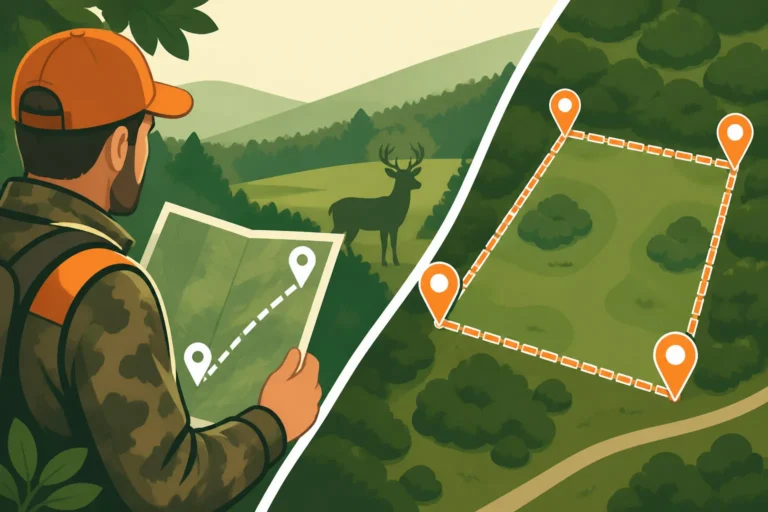
Beyond the official TWRA tools, mapping applications like onX Hunt can be incredibly useful for visualizing park boundaries, identifying access roads, and scouting terrain remotely. While onX Hunt won't tell you when a state park hunt is, it can help you understand the lay of the land once you know which park has an opportunity. You can layer public land boundaries, topo maps, and satellite imagery to get a detailed look at potential stand locations, bedding areas, and travel corridors within the designated hunting zones. This kind of pre-hunt digital scouting can save you a lot of time on the ground and help you make the most of your limited hunt days.
Important Dates and Deadlines
The absolute most critical aspect of applying for state park hunts is knowing and adhering to the application deadlines. These are strict, and missing them means you're out for the entire year. Typically, applications for deer quota hunts open in late spring or early summer and close sometime in July or August. However, these dates can shift slightly year to year, so always check the latest TWRA hunting guide.
Set reminders on your phone, mark your calendar, and check the TWRA website frequently in the months leading up to the season. It's often helpful to sign up for email newsletters from the TWRA if they offer them, as this can be a good way to get alerts about application windows. Don't wait until the last minute, either. Technical glitches can happen, and you don't want to miss out because your internet connection decided to quit on the final day. Early application ensures your entry is counted. If you're serious about hunting these unique areas, treat these deadlines as critically as you would Hunting the Rut in Early November for planning your time off.
Respecting Park Resources and Non-Hunting Users
Hunting in Tennessee State Parks isn't just about following the rules; it's also about upholding the highest standards of ethical conduct and respect for the environment and other park visitors. Because these areas serve multiple purposes and user groups, hunters have an extra responsibility to be good stewards and ambassadors for the sport. Failing to do so could jeopardize future hunting opportunities in these unique settings.
Minimizing Impact: Leave No Trace Principles
When hunting in a state park, embracing "Leave No Trace" principles is more important than ever. This means packing out everything you pack in, leaving no trash, spent casings, or other refuse behind. Avoid disturbing sensitive vegetation, historical sites, or infrastructure. If using a tree stand, ensure it's removed immediately after your hunt if required, and avoid damaging trees with steps or attachment methods. Minimize your footprint wherever possible.
This also extends to how you handle your harvest. Field dressing should be done discreetly and away from public trails or picnic areas if possible. Dispose of offal ethically and in accordance with any park-specific guidelines, usually by scattering it deep in the woods where scavengers can handle it, but far from water sources or public view. The goal is to leave no indication that a hunt took place, allowing other park users to enjoy the natural setting without disturbance. This commitment to conservation is critical for all Public Hunting Land in Tennessee.
Interactions with Other Park Users
One of the most sensitive aspects of state park hunting is the potential for interaction with non-hunting park users. Hikers, birdwatchers, photographers, and families are common in state parks, and they may not be aware that a hunt is taking place, or they may simply disagree with hunting as an activity. As a hunter, it's your responsibility to be courteous, respectful, and understanding. Maintain a low profile, especially when traveling to and from your hunting spot. If you encounter other users, a simple, friendly greeting is usually sufficient. Avoid confrontational situations or engaging in arguments about hunting ethics.
Remember, you are representing all hunters when you're in a state park. Your actions can influence public perception of hunting. By being a responsible, safe, and respectful park user, you help ensure that these limited opportunities can continue. If specific areas are closed to hunting for safety or other recreational uses, always abide by those closures. A well-placed Ground Blind Rules on Tennessee WMAs may be appropriate if you're hunting in a park with mixed-use trails nearby, keeping you out of sight.
Beyond State Parks: Other Public Land Options
While state park hunts offer a unique and often rewarding experience, they are generally limited and challenging to draw. Thankfully, Tennessee offers a wealth of other public hunting opportunities that are more accessible for the average hunter. Understanding these alternatives can help you broaden your hunting horizons and ensure you have consistent places to pursue game.
National Forests and Other Federal Lands
Tennessee is home to significant tracts of federal land, most notably the Cherokee National Forest. This expansive forest in East Tennessee offers vast opportunities for deer, bear, turkey, and small game hunting, often with more liberal rules and general seasons that align closely with statewide dates. While these areas can be rugged and require more intensive scouting, they are generally open to public hunting without the need for special quota permits, beyond standard state hunting licenses and any required federal stamps or permits (like a Federal Duck Stamp for waterfowl).
Hunting in areas like the Cherokee National Forest means navigating different terrain and potential pressure, but it provides a more traditional public land hunting experience. For example, Bear Hunting Cherokee National Forest is a popular pursuit for many Tennesseans, and offers a much more open access model than state park hunts. Similarly, the Land Between the Lakes National Recreation Area, straddling the Tennessee-Kentucky border, offers extensive hunting, though it operates under its own specific set of regulations and permits, which are often different from standard TWRA rules. These federal lands represent a huge resource for Tennessee hunters and are often overlooked by those focusing solely on state-level opportunities.
Comparing Opportunities on WMAs
As mentioned earlier, Wildlife Management Areas (WMAs) are the backbone of Tennessee's public hunting lands. They are managed specifically for wildlife and hunter access, offering a wide array of opportunities across the state. From the vast, mountainous terrain of North Cumberland WMA to the fertile bottomlands of West Tennessee WMAs, these areas provide diverse habitats and species to pursue. WMAs often have both general seasons that mirror statewide dates and specific quota or managed hunts for particular species or times.
The key difference for most hunters is accessibility. While some WMAs have their own special regulations, many have open hunting periods where you can simply show up with your valid license and hunt within the designated rules for that WMA. This makes them much more flexible than state park hunts. For a comprehensive look, exploring options like Hunting the Cumberland Plateau or Hunting West Tennessee Bottomland Deer on WMAs will reveal many more opportunities and less restrictive access. While state park hunts can be a fun challenge, WMAs will likely form the core of any public land hunter's strategy in Tennessee. They are abundant, diverse, and designed with the hunter in mind.
| Feature | Tennessee State Park Hunts (Quota) | Tennessee WMA Hunts (General Season) | Cherokee National Forest (General Season) |
|---|---|---|---|
| Primary Purpose | Recreation, Conservation, Population Control | Wildlife Production, Public Hunting & Fishing | Conservation, Recreation, Resource Management |
| Access Method | Lottery-based Quota Permit (TWRA) | General Hunting License + WMA Permit (TWRA) | General Hunting License (TWRA), sometimes Federal Stamp |
| Frequency | Limited, specific dates, often annual draw | General statewide seasons, plus specific WMA dates | General statewide seasons |
| Weapon Restrictions | Common (e.g., archery/muzzleloader only) | Specific WMA rules, often less restrictive than SP | Generally follow statewide rules |
| Hunter Pressure | Very low (due to limited permits) | Varies, can be high on opening days | Moderate, varies by location and accessibility |
| Application Needed | Yes, for specific hunts | No, for general seasons | No, for general seasons |
| Mapping Tools | onX Hunt, GoHunt (for boundaries/info) | onX Hunt, GoHunt (for boundaries/info) | onX Hunt, GoHunt (for boundaries/info) |
| Safety Concerns | High emphasis due to mixed-use areas | Standard hunting safety practices | Standard hunting safety practices |
| Ethics | High importance for public perception | Standard hunting ethics | Standard hunting ethics |
Disclaimer
This article is for general informational purposes only and does not constitute professional advice. Laws, prices and regulations vary by location and change over time. Consult a qualified professional for guidance on your specific situation.