Royal Blue WMA Elk Zone Access
Dreaming of hunting elk in Tennessee is a unique aspiration, one that many hunters might not even realize is possible here in the Volunteer State. But it is, thanks to a remarkable restoration effort. However, gaining access to hunt these majestic animals on public land, especially in a prime area like Royal Blue Wildlife Management Area (WMA), isn't as simple as just showing up. This guide aims to clear up the confusion surrounding elk hunting access on Royal Blue WMA, laying out exactly what you need to know to pursue this incredible opportunity.
Royal Blue WMA: A Core Piece of Tennessee's Elk Zone
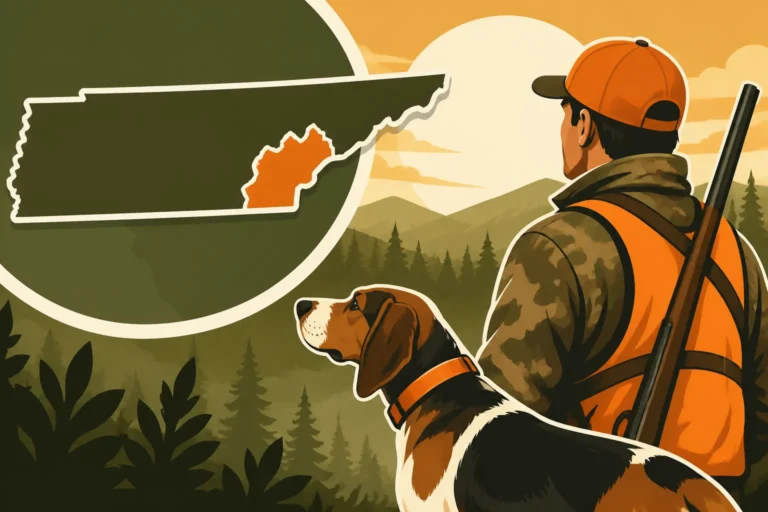
For those unfamiliar, Royal Blue WMA is a significant tract of public land in Northeast Tennessee, encompassing a rugged, beautiful landscape of hardwood forests, steep ridges, and winding hollows. It's a place where the mountains truly feel wild, and it's also a crucial component of what we call the North Cumberland Wildlife Management Area. The North Cumberland, a vast expanse of over 100,000 acres, represents the absolute heart of Tennessee's elk restoration efforts, and Royal Blue WMA sits right in the thick of it, making it a critical area for elk activity.
Understanding the North Cumberland Elk Restoration Zone
The journey to having elk back in Tennessee was a long and dedicated one, beginning with reintroductions in the early 2000s. These efforts primarily focused on the North Cumberland region, which offered the ideal habitat with its mix of dense timber, reclaimed strip mines, and remote wilderness. Over the years, the herd has grown, and with that growth came the establishment of a hunting season, albeit a very limited one. Royal Blue, alongside other areas like Sundquist and Tackett Creek, contributes significantly to the overall habitat and population success within this broader zone. It's not just a parcel of land; it's a living, breathing ecosystem where these animals have found a home and thrived. This region’s challenging terrain and abundant cover provide excellent sanctuary for elk, contributing to a robust population despite the hunting pressure. For more on this, you might find How North Cumberland Elk Were Reintroduced quite insightful.
Why Royal Blue is Key for Elk
Royal Blue WMA offers a diverse landscape that provides everything an elk herd needs: expansive areas of mature timber for cover and bedding, scattered clear-cuts and reclaimed areas for foraging, and numerous water sources. These features are vital for supporting a healthy and growing population. The sheer size of Royal Blue means elk have plenty of room to roam, grow, and avoid human disturbance for much of the year, which is crucial for a successful restoration program. Hunters who draw one of the coveted elk tags often find themselves navigating deep hollows and climbing challenging ridges, testing their endurance and woodsmanship in pursuit of a truly wild animal. The ruggedness of the terrain, while demanding for hunters, also acts as a natural buffer, helping to keep the elk wild and wary.
Gaining Access Through Tennessee's Elk Quota Hunt
Now, for the brass tacks: how do you actually hunt elk on Royal Blue WMA? The short answer is: through a highly competitive quota hunt draw. This isn't a situation where you can simply buy a license and head out. Tennessee manages its elk hunt with extreme care to ensure the sustainability of the herd and to offer a high-quality hunting experience for the few lucky individuals who draw a tag.
The Quota Hunt Application Process
Every year, the Tennessee Wildlife Resources Agency (TWRA) conducts an application period for the North Cumberland Elk Quota Hunt. This is the only way to legally hunt elk in Tennessee. The application window is generally in the spring, and hunters must apply online through the TWRA's Go Outdoors Tennessee portal. It's a lottery system, meaning your chances are slim, but not impossible. Many dedicated hunters apply year after year, accumulating preference points to increase their odds in future draws. It's an exercise in patience and persistence, a true test of commitment even before you set foot in the woods. Missing the application deadline is a common frustration, so marking your calendar for the Tennessee Elk Application Window Dates is crucial.
| Aspect | Description |
|---|---|
| Eligibility | Open to both residents and non-residents, though permits are weighted towards residents. Specific licenses required for application. |
| Application Period | Typically a several-week window in spring (e.g., late February through late May), with exact dates varying annually. |
| Permit Types | Bull-only (archery, muzzleloader, firearms) and sometimes cow-only permits. |
| Total Permits Issued | Very limited, often less than two dozen total permits annually across all hunt types and zones, including youth hunts. |
| Preference Points | Hunters accrue one preference point for each year they apply and are unsuccessful. These points increase draw odds but do not guarantee a tag. |
| Cost to Apply | A small application fee, plus the underlying hunting license requirement (e.g., Sportsman License, Annual Big Game, etc.). |
| Notification | Successful applicants are usually notified in early summer, often via email or a check on the Go Outdoors TN system. |
| Hunting Zones | The North Cumberland WMA is divided into specific elk hunt zones; drawn hunters are assigned to a zone, which may include parts of Royal Blue WMA. |
Permit Types and Zones Within Royal Blue
When you apply, you're not just applying for "an elk hunt." You're applying for a specific type of permit (e.g., bull-only, cow-only) and for a specific hunting season (archery, muzzleloader, or general firearms). The North Cumberland WMA is further subdivided into various elk hunt zones, and if you are drawn, you'll be assigned to one of these zones. Royal Blue WMA typically encompasses several of these zones, meaning that if you're lucky enough to draw a tag, there's a good chance your hunt will take place within its boundaries. It’s absolutely critical to understand which zone you're assigned to, as boundaries are strictly enforced and elk movement can take them across these lines. Detailed maps, perhaps utilizing tools like onX Hunt, become indispensable for pinpointing your assigned area. Without knowing your exact zone, you could inadvertently trespass or hunt illegally. You can delve deeper into this by reading Tennessee's Ten Elk Hunt Zones.
Preparing for an Elk Hunt on Royal Blue WMA
Drawing an elk tag for Royal Blue WMA is just the beginning of a tremendous undertaking. This isn't your typical whitetail hunt; the terrain is unforgiving, the animals are large and elusive, and the physical demands are immense. Preparation is key, both mentally and physically.
Scouting the Rugged Terrain
Effective scouting for elk on Royal Blue WMA requires significant time and effort. This isn't just a matter of driving forest roads and glassing; it means getting out of the truck and putting boots on the ground, often traversing miles of steep, broken country. Elk utilize different parts of the WMA based on time of year, food sources, and pressure. They will gravitate towards areas with good forage, like reclaimed mine sites that grow lush grasses and forbs, and then retreat to dense, thick timber on steep north-facing slopes for bedding and security. Understanding these patterns, identifying pinch points, and locating wallows or rubs are crucial. Utilizing mapping applications like onX Hunt is almost a necessity here. They allow you to study topography, locate potential bedding and feeding areas, identify water sources, and mark old logging roads or trails that might offer easier (or at least possible) access into otherwise impenetrable areas. Don't forget to look for areas with less human disturbance, as elk are masters at finding solitude, even on public land.
Essential Gear and Physical Fitness
An elk hunt on Royal Blue WMA will push your gear and your body to their limits. Forget the casual deer stand setup; you need robust, reliable equipment.
- Optics: High-quality binoculars (10x or 12x) and a spotting scope are invaluable for picking apart distant hillsides and clear-cuts, especially at dawn and dusk. A reliable rangefinder is also critical for ethical shot placement. Optics for Cumberland Plateau Ridges offers more detailed advice on this.
- Navigation: While paper maps are a good backup, a GPS unit or a smartphone with a reliable mapping app (like onX Hunt or GoHunt) loaded with offline maps is essential. Cell service is spotty to non-existent in many parts of Royal Blue, so don't rely on it.
- Footwear and Clothing: Invest in comfortable, waterproof, and supportive hunting boots. You will be covering serious mileage in varied, often wet and steep terrain. Layered clothing suitable for fluctuating mountain temperatures is also crucial. Breathable base layers, insulating mid-layers, and a waterproof outer shell are a must.
- Pack: A sturdy hunting pack with enough capacity for water, food, emergency supplies, and most importantly, the ability to carry out meat, is non-negotiable. If you're lucky enough to harvest an elk, getting that meat out of a steep hollow is a monumental task, and a good pack is your best friend.
- Weapon: Whether you're bowhunting or rifle hunting, ensure your weapon is sighted in and you are proficient with it at various ranges, including those challenging uphill and downhill shots you'll encounter. For firearm hunters, consider a caliber adequate for elk, remembering the ethical responsibility that comes with hunting such a large animal in difficult conditions. Rifle Calibers for Tennessee Elk can provide guidance here.
Physical fitness is arguably the most critical component. Start training well in advance of your hunt. Hiking with a loaded pack, climbing hills, and preparing your body for days of strenuous activity will significantly increase your enjoyment and your chances of success. The elevation changes and ruggedness of Royal Blue will humble even well-conditioned hunters.
Respecting the Resource and Other Hunters
A drawn elk tag is an extraordinary privilege, and it comes with immense responsibility. During your hunt, remember that you are a steward of this incredible resource. Practice ethical hunting, ensure clean kills, and commit to recovering every ounce of meat. The TWRA has strict rules regarding carcass transport from the CWD Zone, so be prepared for those requirements if applicable. Moreover, Royal Blue WMA is used by other recreationists, even during hunting seasons. Be courteous, respectful, and represent the hunting community in a positive light. Share the woods responsibly, and always prioritize safety for yourself and others. This includes adhering to all regulations, even minor ones, because the future of elk hunting in Tennessee depends on the integrity of every hunter.
Disclaimer
This article is for general informational purposes only and does not constitute professional advice. Laws, prices and regulations vary by location and change over time. Consult a qualified professional for guidance on your specific situation.