Deer Drives on Tennessee Public Land
Deer hunting on Tennessee public land can feel like a relentless chess match against every other hunter out there, not to mention the deer themselves, which seem to vanish into thin air at the first hint of pressure. When still-hunting or sitting over a scrape isn't cutting it, or you're facing vast tracts of unbroken cover, sometimes a more aggressive approach is needed. This guide is all about mastering the art and science of the deer drive, a highly effective, yet often misunderstood, tactic for putting venison in the freezer on our state's public lands.
Understanding the "Why" Behind Public Land Deer Drives
Let's be real, public land hunting in Tennessee is tough. The deer are smart, the pressure can be immense, and finding that unmolested buck feels like striking gold. That's where a well-executed deer drive can truly shine, giving you an edge when other methods fall flat.
The Reality of Pressured Public Land Hunting
Anyone who hunts public land knows the drill: you scout diligently, find what looks like a hot spot, hang your stand, and then opening day arrives, and suddenly it sounds like a war zone. Deer, especially mature bucks, adapt quickly to this pressure. They learn to move nocturnally, bed in the thickest, nastiest cover imaginable, and use subtle escape routes you might never discover through casual scouting. Trying to pattern these animals with traditional sit-and-wait methods becomes incredibly frustrating. It often leads to long, cold days on stand with little to show for it. This isn't just about hunter numbers; it's about the collective impact of human presence forcing deer into predictable, yet hard-to-access, patterns. That's why simply sitting and hoping often doesn't cut it on popular tracts like those in the Cherokee National Forest or even many of our smaller Wildlife Management Areas.
When and Where Drives Make Sense in Tennessee
Deer drives aren't a last resort; they're a strategic tool. They make particular sense in specific scenarios on Tennessee's diverse public lands. Think about those sprawling Cumberland Plateau ridges with their dense laurel thickets and deep hollers – areas where a single hunter might struggle to cover enough ground to bump a bedded deer. Or consider the thick, tangled river bottoms of West Tennessee, where visibility is measured in yards, not hundreds of feet. Drives are also incredibly effective during the late season, especially after major cold fronts or during the Late-Season January Lull, when deer are congregated in specific, often dense, thermal cover or around dwindling food sources. When you're facing large blocks of cover that deer can simply disappear into, or when you have limited time and a group of willing participants, a drive can cover ground and create movement in a way a lone hunter simply cannot. It's about taking the initiative to force deer out of their sanctuaries and into shooting lanes.
Dispelling Misconceptions and Ethical Considerations
There's a lingering misconception that deer drives are unethical or just a chaotic free-for-all. Nothing could be further from the truth for a properly executed drive. The goal isn't to blast every deer that moves; it's to strategically move deer out of heavy cover, presenting safe, ethical shot opportunities to standers positioned along natural escape routes. It requires discipline, communication, and a strong emphasis on safety. Ethical considerations on public land mean always being aware of other hunters, knowing your backdrop, and ensuring every shot taken is clean and responsible. We're not talking about a parade of hunters shouting and waving flags; we're talking about a controlled, purposeful movement designed to encourage deer to move naturally, often at a walk, allowing for clear identification and precise shot placement. Respect for the animal, other hunters, and the land is paramount.
Scouting and Planning Your Drive on Tennessee Public Land
The success of any deer drive hinges far more on meticulous planning and thorough scouting than on sheer numbers or noisiness. You can't just show up and start walking; you need a strategy rooted in understanding the terrain and deer behavior.
Topographic Maps, Aerial Photos, and Digital Tools
Before you ever set foot in the woods, the real work begins with maps. High-quality topographic maps reveal elevation changes, ridges, saddles, and creek drainages – all critical features for predicting deer movement. Aerial photos, easily accessible through platforms like Google Earth or dedicated hunting apps such as GoHunt, are indispensable for identifying different types of cover: mature timber, dense clear-cuts, laurel thickets, and open hardwoods. You're looking for transitions and bottlenecks. On the Cumberland Plateau, for instance, learning to interpret Reading Aerial Photos for Cumberland Plateau Deer can reveal hidden benches and subtle terrain features that act as deer highways. Digital tools allow you to mark potential bedding areas, escape routes, and stander positions virtually, saving precious time and effort on the ground. These tools are also vital for understanding property boundaries, especially when hunting close to private land, ensuring you stay legal and respectful.
Identifying Bedding Areas, Escape Routes, and Funnels
Deer, especially on public land, are masters of evasion. They'll bed in the nastiest, most overgrown spots they can find, using topography and vegetation to their advantage. Your job is to identify these likely bedding areas – often dense thickets, brush piles, or deep, secluded hollers – and then trace their probable escape routes. Deer rarely run aimlessly; they follow the path of least resistance or the path that offers the most cover. Look for funnels: narrow strips of timber between open fields, saddles on ridges, creek crossings, or breaks in dense vegetation. These are the natural choke points where deer will concentrate their movement when pressured. Knowing where deer want to go when bumped is key to successful stander placement. This intensive scouting is what separates a haphazard walk-through from a truly effective drive. Don't skip this step; it's the most important part of the puzzle.
Adapting to Different Tennessee Public Land Terrain
Tennessee offers an incredible variety of hunting terrain, and your drive strategy needs to adapt accordingly.
| Terrain Type | Common Features | Drive Strategy Considerations |
|---|---|---|
| Cumberland Plateau | Steep ridges, deep hollers, thick laurel/rhodo, mature hardwoods | Utilize saddles and benches as stander positions; drivers push from bottom to top or along ridge lines. Emphasize quiet driving. |
| East TN Mountains | Very steep, rocky, dense evergreens, isolated coves | Focus on pushing small blocks of cover into open timber or known crossing points. Communication is vital due to limited visibility. |
| West TN Bottomlands | Flooded timber, dense undergrowth, creek drainages, cut-overs, agricultural edges | Standers on high ground or along field edges; drivers move through thickest cover, pushing towards natural breaks. Posting a Drive Around a River Bottom is a classic tactic here. |
| Highland Rim | Rolling hills, scattered timber, cedar thickets | Drives often cover larger areas. Standers position on key travel corridors between bedding and feeding areas. |
On the Cumberland Plateau, for instance, deer often bed on benches just below a ridge top, using thermals to detect danger. A drive here might involve pushing a block of woods up a hillside or along a bench toward standers positioned on the saddle or another bench ahead. In West Tennessee, you might be pushing through a dense river bottom toward a clear-cut or a major creek crossing, with standers strategically placed on the edge of the open area or along the opposite bank. The specific terrain dictates the ideal path of the drive, the speed, and the placement of your standers. Using mapping tools like GoHunt, you can really dial in these specific terrain features.
Assembling Your Team and Assigning Roles
A deer drive is a team effort, and like any good team, everyone needs to know their role, understand the game plan, and be committed to safety. It's not about having the most people, but the right people in the right places.
The Ideal Number of Hunters and Their Experience
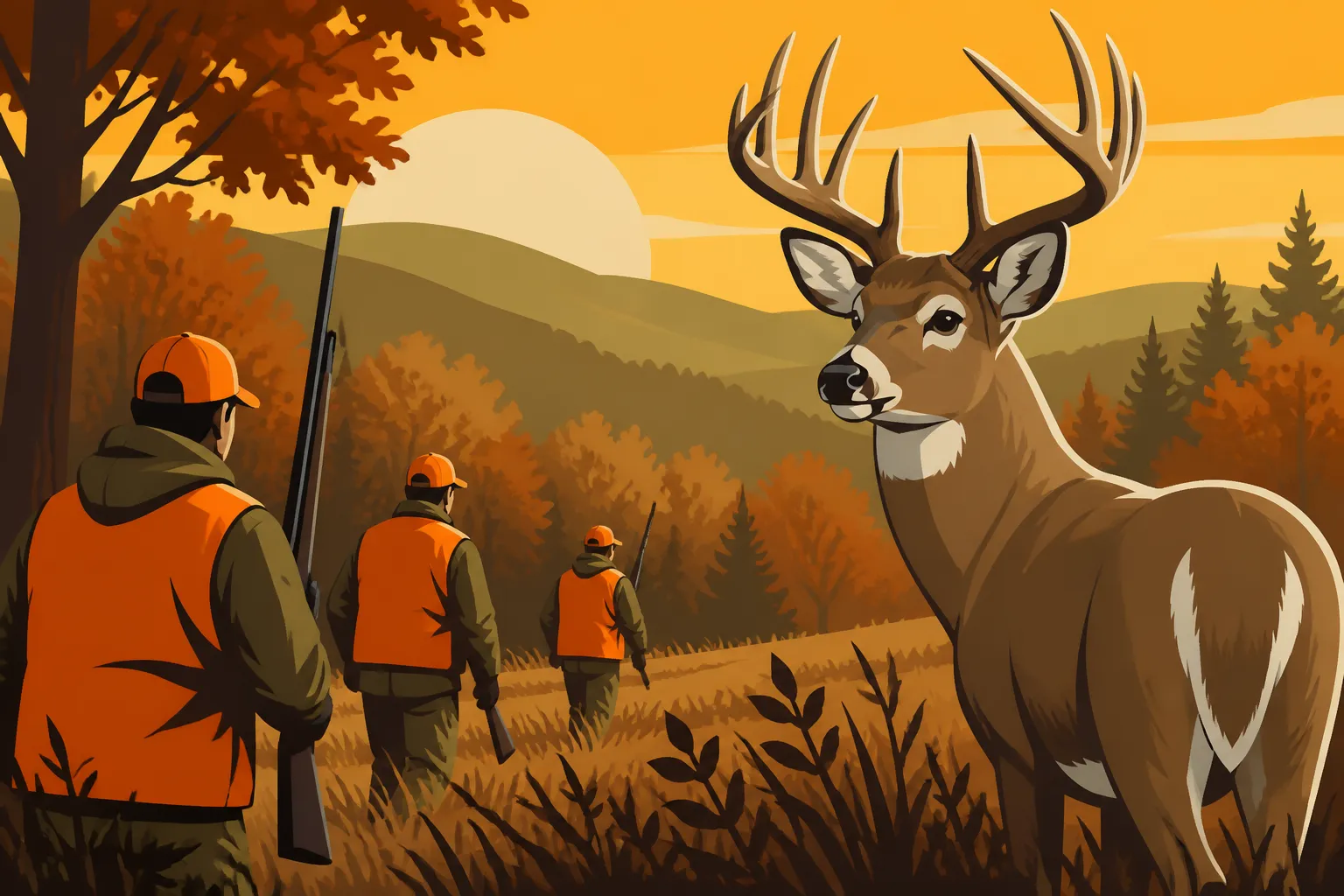
While you can do Deer Drives With Three or Four Hunters, the ideal number often depends on the size of the area you want to drive and the density of the cover. For larger blocks of public land, a team of 5-8 hunters can be very effective, allowing for 2-3 drivers and 3-5 standers. Too few hunters, and you risk deer slipping through gaps; too many, and it can become chaotic and less controlled. More important than sheer numbers is the experience level and discipline of your team. Everyone should be familiar with safe firearm handling, possess good woodsmanship, and understand the basic principles of deer movement. It's not a job for beginners who might panic or take unsafe shots. A successful team communicates well and trusts each other to execute their assigned roles.
Standers: Placement, Visibility, and Safety
The standers are the shooters, and their placement is paramount. They should be positioned along identified escape routes, funnels, or natural travel corridors where deer are likely to emerge from the drive. This might mean setting up on a subtle bench, a logging road, or the edge of a clear-cut. Visibility is crucial – they need clear shooting lanes but also a solid backdrop to ensure safety. For public land, Using a Ground Blind on Tennessee Public Land can be an effective way to stay concealed and break up your outline, or carefully selecting a tree for a safe Treestand Setups in Cherokee National Forest or standard stand. Standers should get into position well before the drive starts, moving quietly and deliberately to avoid alerting deer. Their job is to remain absolutely still, scan their assigned zone, and be ready to take a safe, ethical shot when a deer appears. They must never shoot into the drive or at anything other than a clearly identified deer with a safe backdrop.
Drivers: Movement, Noise, and Pressure Control
Drivers are the engine of the drive, responsible for moving deer out of cover. Their role isn't about running wildly through the woods; it's about controlled, purposeful movement that applies consistent pressure. The number of drivers, their spacing, and their pace should be determined by the terrain and cover. In dense thickets, drivers might need to be closer together and move slower, making enough noise (shuffling feet, occasional calls) to nudge deer along without stampeding them. In more open timber, they can spread out further and maintain a quicker pace. The goal is to funnel deer towards the standers, not to push them out the sides. Drivers should pay close attention to wind direction, as deer will often try to circle downwind. They also need to be constantly aware of the standers' positions and never move ahead of schedule or out of their designated lane. This controlled pressure is what makes deer move naturally, often at a walk or a trot, presenting those shot opportunities.
Executing the Drive: Tactics and Safety
Once the plan is set and roles are assigned, the execution phase demands precision, discipline, and an unwavering commitment to safety. This isn't just about moving deer; it's about doing it safely and effectively.
Communication and Pre-Drive Briefing
Before anyone steps into their role, a thorough pre-drive briefing is absolutely non-negotiable. Gather the entire team, review the map, and confirm everyone understands:
- The precise boundaries of the drive: Where the drivers start, the path they will take, and where they will stop.
- Stander locations: Everyone needs to know where the standers are positioned to prevent unsafe shooting.
- Communication signals: Whether it's two-way radios, whistles, or specific verbal calls (e.g., "driver left," "deer coming"), establish clear signals for starting, stopping, deer sightings, and shot confirmations. GoHunt's mapping features can also aid in real-time tracking if your public land has cell service.
- Safety zones: Reiterate safe shooting lanes and forbid shooting back into the drive or towards unknown areas.
- Blaze Orange Requirements: Remind everyone about Tennessee's Blaze Orange and Pink Options and ensure all participants are wearing the mandated amount of visible orange. This is critical for safety on public land, especially during gun seasons.
- Deer movement expectations: Discuss likely escape routes and what to do if a deer breaks unexpectedly.
- Post-shot procedure: What to do if a deer is shot – waiting for the drive to finish, confirming the hit, etc.
This briefing ensures everyone is on the same page, minimizes confusion, and maximizes safety.
Drive Execution: Pace, Direction, and Adaptability
With communication clear, drivers begin their slow, methodical push. The pace is critical – too fast, and deer will bust out unpredictably; too slow, and they might simply lie tight and let drivers walk past. A steady walk, just enough to make some noise, is often ideal. Drivers should maintain their line, communicating frequently to ensure they don't get too far ahead or behind each other. They should be actively looking for deer sign – fresh tracks, rubs, scrapes – and adjust their path slightly to investigate thick cover. Standers, meanwhile, are absolutely still, eyes and ears peeled. They're watching for subtle movements, flicking ears, or the gleam of an antler.
Sometimes, a drive won't go exactly as planned. A deer might break cover early, or a driver might encounter an unexpected obstacle. The team needs to be adaptable. If a deer is spotted, drivers communicate its direction, allowing standers to adjust their focus. If a stander takes a shot, they communicate that immediately, so everyone knows. This fluid, yet controlled, approach is what makes a drive successful. Remember, the goal is to move deer, not necessarily to make them panic. Often, deer will just walk out, looking for less pressured ground.
Crucial Safety Protocols for Public Land
Safety is paramount, especially when hunting on public land where other hunters might be present.
- Positive Identification: Always, always, always positively identify your target and know what's beyond it before taking a shot. Never shoot at sound or movement.
- Safe Backdrops: Standers must have a safe backdrop – a hillside, a thicket, or clear ground – that will safely stop a bullet or broadhead. Never shoot towards the line of drivers or other standers.
- Blaze Orange: Every participant must wear the legally required amount of blaze orange (or pink). This drastically reduces the chance of accidental shootings.
- Firearm Handling: Treat every firearm as loaded. Keep the muzzle pointed in a safe direction. Keep your finger off the trigger until ready to shoot.
- Communication: Maintain open and clear communication throughout the entire drive. If in doubt, don't shoot.
- Awareness of Others: Be constantly aware that other hunters not involved in your drive might be in the area. Assume there are other people around, and hunt accordingly.
- Boundaries: Stick to the pre-determined drive boundaries and know the location of private property lines.
These protocols are not suggestions; they are rules that must be strictly enforced for everyone's safety.
Post-Drive Actions and Continuous Improvement
The drive doesn't end when the shot is fired. There's critical work to be done afterward, and valuable lessons to be learned that will make your next drive even more effective.
Tracking, Recovery, and Field Dressing
If a shot is taken, the first step is to confirm the hit and the deer's reaction. Drivers should wait for standers to give the "all clear" before moving forward. Once the drive is complete, the entire team, or at least a dedicated tracking group, should begin the recovery process. Even if you saw the deer drop, approach cautiously. If the deer runs, mark the last spot you saw it and the direction of travel. Look for blood, hair, bone fragments, and other signs. Effective Blood Trailing After Dark in Tennessee can be a game-changer if light fades. It's crucial to take your time, especially in thick public land cover, to avoid bumping a wounded animal. If the blood trail is sparse, or the hit questionable, give the deer time (an hour or more) before pushing on. Once the deer is recovered, proper Field Dressing a Deer in Cold Weather (or warm, if it's early season) is essential for meat quality. Have game bags and a plan for removal from the woods. This is where a good Dragging a Deer Out of a Steep Hollow strategy or even a deer cart can come in handy on those challenging public land treks.
Debriefing and Learning from Each Drive
After every drive, whether successful or not, a debriefing is invaluable. Gather the team and discuss:
- What went well? Did deer move as expected? Were standers in good positions? Was communication clear?
- What could be improved? Were there gaps in the drive? Did deer bust out unexpectedly? Was the pace right?
- Deer movement insights: Where did deer come from? Where did they try to go? This helps refine future drive plans and even informs individual hunting strategies like Still-Hunting Cumberland Plateau Ridges.
- Safety observations: Any close calls or areas of concern?
- Terrain observations: Did you discover a new funnel or bedding area that wasn't on the map?
This post-drive analysis is where real learning happens. You'll refine your understanding of deer behavior on your specific public land tracts, improving your success rate on subsequent drives. Use your GoHunt app or other mapping tools to mark these observations for future reference.
Respecting the Resource and Other Hunters
Finally, always remember that you are sharing public land with others. This means acting as responsible stewards of the resource.
- Leave No Trace: Pack out everything you pack in, and more. Don't leave trash, flagging tape, or spent casings.
- Be Considerate: If you encounter other hunters during your drive, make sure they are aware of your activity, offer a polite warning, and adjust your plans if necessary to avoid interfering with their hunt or creating a safety hazard. This also includes being mindful of Hunting Pressure on Tennessee Public Land and avoiding driving the same small areas repeatedly, which can educate deer too much.
- Report Your Harvest: Don't forget to Reporting a Tennessee Deer Harvest Online according to TWRA regulations.
- Support Public Land: Your license fees and conservation efforts contribute to the very land you're hunting. Do your part to advocate for and protect these invaluable resources.
By approaching deer drives with careful planning, clear communication, strict safety protocols, and a commitment to continuous improvement, you'll not only increase your chances of success on Tennessee's public lands but also foster a positive and ethical hunting experience for everyone involved. It's a challenging, rewarding method that truly embodies the teamwork aspect of hunting.
Disclaimer
Please note: Hunting regulations and laws are subject to change. Always consult the current Tennessee Wildlife Resources Agency (TWRA) hunting guide and local regulations before planning any hunting trip. Safety should be your top priority in all hunting activities.